Topics / #lora
Lora projects on GitHub
Low-rank adaptation method for efficient LLM fine-tuning
As of , the most-starred Lora projects on GitHub are stable-diffusion-webui (165.1K stars), LLMs-from-scratch (106.7K stars) and vllm (94K stars). GitHub.Locker tracks 87 Lora repositories with 1.5M stars combined. The fastest-growing on October 16 was Edge0, with +217 stars in a day.
Hot right now
Most stars gained in a day · Oct 16
 +217
+217Edge0
Edge0-AI/Edge0 · ★ 5.3KEdge0 is an open-source streaming MoE (Mixture-of-Experts) inference framework that lets you run large MoE models, like a 35B-parameter model, using only about 2.5-2.9 GB of active RAM by streaming expert weights from SSD and predicting routing one step ahead.
 +159
+159airllm
lyogavin/airllm · ★ 39.1KAn open-source Python library that runs huge LLMs on tiny GPUs: a 70B model fits on a single 4GB card without quantization, distillation or pruning — even the 2.8T-parameter Kimi K3 runs in under 4GB.
 +79
+79Soup
MakazhanAlpamys/Soup · ★ 9.2KSoup is a command-line tool for fine-tuning and post-training LLMs from a single YAML config file, automating GPU detection, batching and quantization so you just write a config and run one command.
 +73
+73vllm
vllm-project/vllm · ★ 94KvLLM is a library for fast LLM inference and serving, built around PagedAttention for efficient memory management of attention keys and values.
The all-time top
87 projects · by stars
- 165.1K
 #1 · AUTOMATIC1111/stable-diffusion-webui
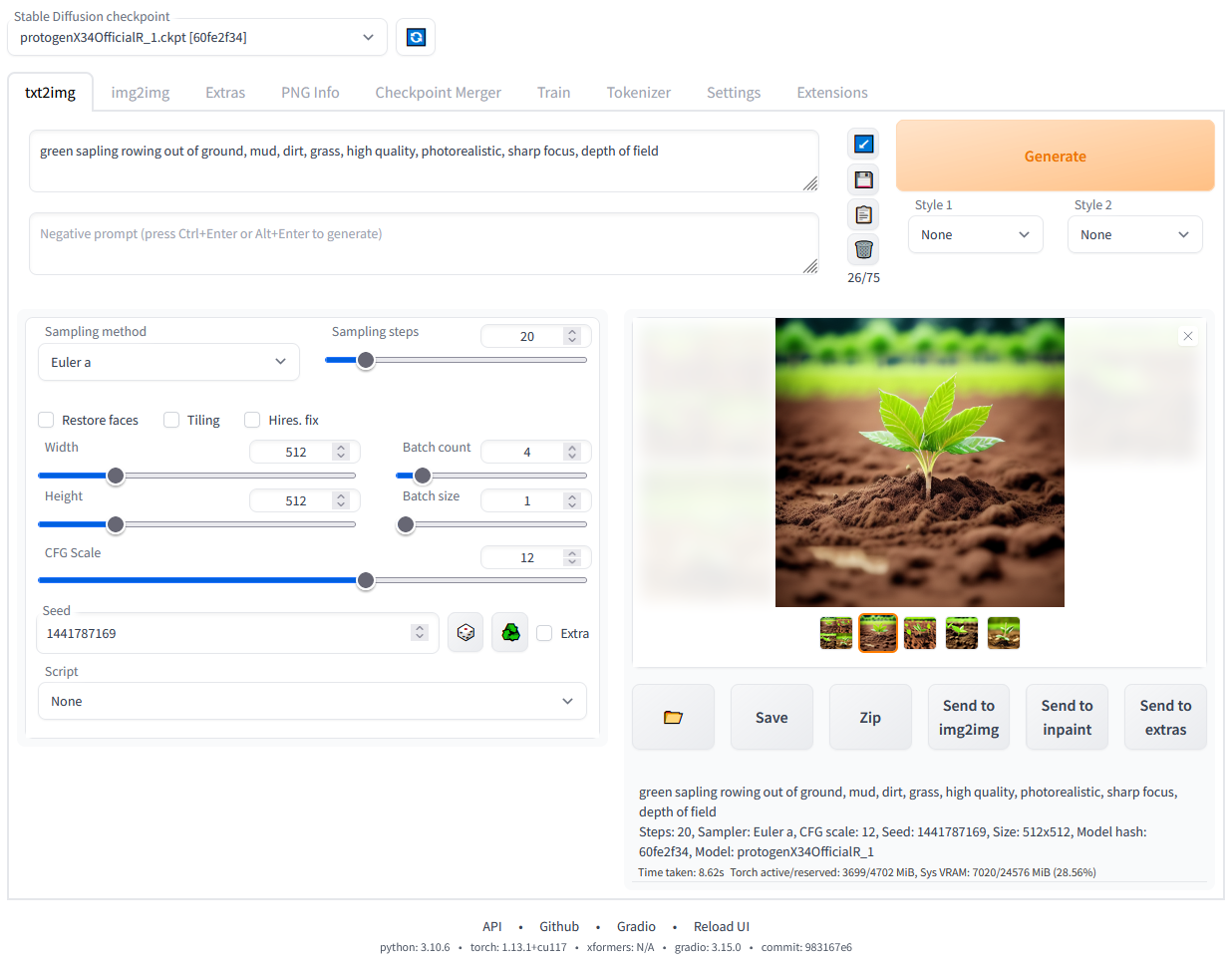
stable-diffusion-webui
A browser-based interface for Stable Diffusion, built with the Gradio library, letting you generate and edit AI images (txt2img, img2img, inpainting, outpainting and more) on your own machine.
- 106.7K
 #2 · rasbt/LLMs-from-scratch
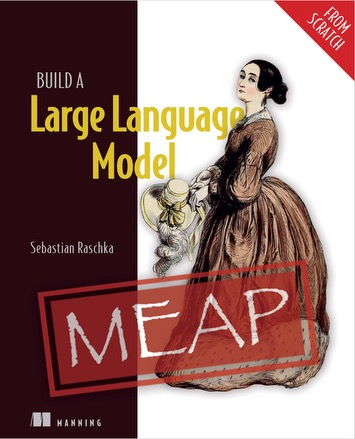
LLMs-from-scratch
This is the official code repository for the book 'Build a Large Language Model (From Scratch)', which teaches you to implement a GPT-like LLM in PyTorch step by step, from tokenization through pretraining and finetuning.
- 94K#3 · vllm-project/vllm
vllm
vLLM is a library for fast LLM inference and serving, built around PagedAttention for efficient memory management of attention keys and values.
- 4

unsloth
78.2Kunslothai/unsloth · PythonUnsloth is a local-first app for running and training LLMs, diffusion, TTS and embedding models on your own machine, including models like Qwen3.8, DeepSeek-V4, MiniMax-H3, Gemma 4 and FLUX.
- 5
LlamaFactory
75.5Khiyouga/LlamaFactory · PythonLlamaFactory unifies efficient fine-tuning of 100+ large language models and vision-language models in one Python toolkit, published as an ACL 2024 paper.
- 6
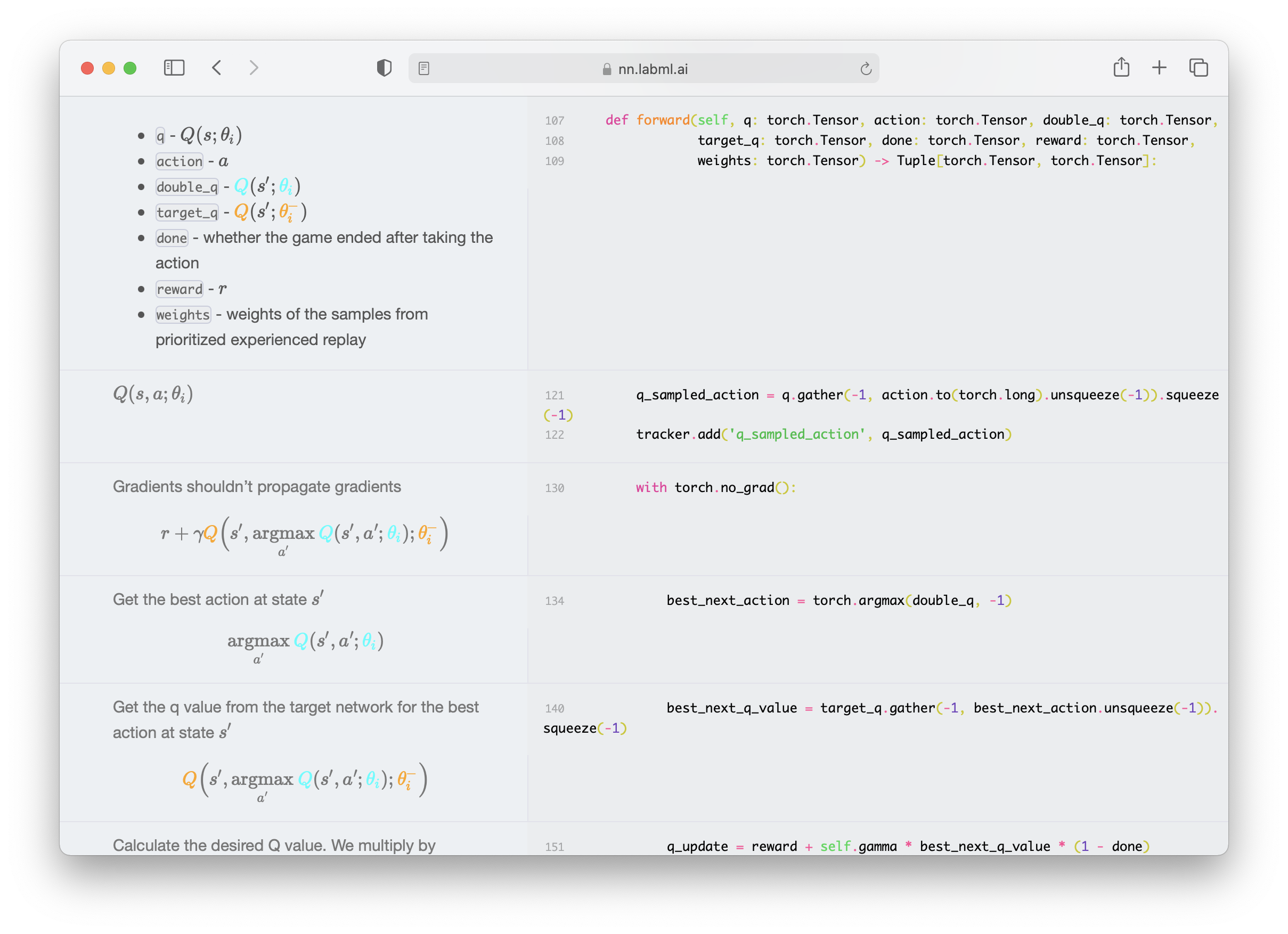
annotated_deep_learning_paper_implementations
67.6Klabmlai/annotated_deep_learning_paper_implementations · PythonA collection of 60+ PyTorch implementations of deep learning papers, each annotated with side-by-side explanatory notes so you can read the code and the math/explanation together.
- 7

minimind
63.9Kjingyaogong/minimind · PythonMiniMind is an open-source project that lets you train a tiny large language model (around 64M parameters) completely from scratch, in about 2 hours on a single RTX 3090 for roughly the cost of 3 RMB in GPU rental.
- 8

BettaFish
42.4K666ghj/BettaFish · PythonBettaFish (Chinese name 'Weiyu'/微舆) is a from-scratch multi-agent public opinion analysis system that monitors social media and large volumes of public comments, then produces reports to help break information bubbles and support decision-making.
- 9

VoxCPM
39.4KOpenBMB/VoxCPM · PythonVoxCPM is a tokenizer-free Text-to-Speech system that directly generates continuous speech representations through an end-to-end diffusion autoregressive architecture, skipping discrete tokenization for more natural, expressive speech. VoxCPM2 is the latest 2B-parameter release trained on 2M+ hours of multilingual audio.
- 10
airllm
39.1Klyogavin/airllm · Jupyter NotebookAn open-source Python library that runs huge LLMs on tiny GPUs: a 70B model fits on a single 4GB card without quantization, distillation or pruning — even the 2.8T-parameter Kimi K3 runs in under 4GB.
- 11

LLM101n
37.5Kkarpathy/LLM101nLLM101n is a planned course by Andrej Karpathy that walks through building a 'Storyteller' AI language model end-to-end, from basics all the way to a ChatGPT-like web app, implemented from scratch in Python, C and CUDA.
- 12

timesfm
34.6Kgoogle-research/timesfm · PythonTimesFM is a pretrained time-series foundation model from Google Research used for time-series forecasting, similar in spirit to a language model but for numerical sequences.
- 13

happy-llm
34.4Kdatawhalechina/happy-llm · Jupyter NotebookHappy-LLM is Datawhale's free open-source LLM course: a systematic tutorial that goes from NLP basics and the Transformer architecture to building and training your first large language model, then applying it with RAG and agents.
- 14

self-llm
32.5Kdatawhalechina/self-llm · Jupyter NotebookSelf-llm is a Chinese-language tutorial collection that teaches beginners how to configure environments, deploy, and fine-tune (full-parameter or LoRA) 50+ open-source large language models and multimodal models on Linux.
- 15

flux
26Kblack-forest-labs/flux · PythonThis is Black Forest Labs' official inference repo for the FLUX.1 family of image generation and editing diffusion models, providing minimal code to run the open-weight models.
- 16

llm-action
25.2Kliguodongiot/llm-action · HTMLIt is a Chinese-language hub of in-depth tutorials on large language model engineering: training, fine-tuning, distributed training, inference, compression, evaluation, data engineering, LLMOps and AI infrastructure, organized as a big index linking the author's article series, many with companion code.
- 17
LLaVA
25.1Khaotian-liu/LLaVA · PythonLLaVA is an open-source large multimodal chatbot: a vision-language model you can show images to and talk with, built by visual instruction tuning toward GPT-4V-level capabilities (NeurIPS 2023 Oral).
- 18
verl
23.9Kverl-project/verl · Pythonverl is a flexible, efficient and production-ready reinforcement learning training library for LLMs, initiated by ByteDance's Seed team and maintained by the community. It is the open-source version of the HybridFlow paper (EuroSys 2025).
- 19

peft
21.8Khuggingface/peft · PythonHugging Face's library of Parameter-Efficient Fine-Tuning methods: you adapt a large pretrained model by training only a small number of extra parameters instead of all of them, which slashes compute and storage costs.
- 20
ktransformers
19.6Kkvcache-ai/ktransformers · PythonKTransformers is a research framework for efficient inference and fine-tuning of large language models through CPU-GPU heterogeneous computing, letting huge MoE models run on hardware that doesn't have enough VRAM to hold them entirely on GPU.
- 21

trl
19.5Khuggingface/trl · PythonTRL (Transformers Reinforcement Learning) is a Hugging Face library for post-training foundation models — fine-tuning them with techniques like SFT, GRPO and DPO on top of the Transformers stack.
- 22

Chinese-LLaMA-Alpaca
18.9Kymcui/Chinese-LLaMA-Alpaca · PythonOpen-source Chinese LLaMA and Alpaca large language models. The base LLaMA was extended with a Chinese vocabulary and further pre-trained on Chinese data, and Alpaca versions were instruction-tuned on Chinese instructions; training and deployment scripts are open too.
- 23

alpaca-lora
18.9Ktloen/alpaca-lora · Jupyter NotebookAlpaca-LoRA reproduces the Stanford Alpaca results by instruct-tuning LLaMA with low-rank adaptation (LoRA). It ships the training code, inference scripts, and the resulting LoRA weights, producing an Instruct model of similar quality to text-davinci-003.
- 24
Foundations-of-LLMs
18.3KZJU-LLMs/Foundations-of-LLMsAn open-source textbook on the foundations of large language models, written by a team at Zhejiang University and freely available as a PDF.
- 25
WeClone
18.3Kxming521/WeClone · PythonWeClone is an open-source toolkit that turns your chat history into an AI twin: it fine-tunes an LLM on your own messages so a chatbot can reply in your personal style.
- 26

stable-diffusion-webui-colab
15.9Kcamenduru/stable-diffusion-webui-colab · Jupyter NotebookA set of ready-made Google Colab notebooks that install and run the Stable Diffusion WebUI in the cloud — one notebook per popular model, from SD 1.5 to waifu-diffusion and style fine-tunes.
- 27
ms-swift
15.9Kmodelscope/ms-swift · Pythonms-swift is the ModelScope community's fine-tuning and deployment framework for LLMs and multimodal models, covering training, inference, evaluation, quantization and deployment in one pipeline.
- 28

Llama-Chinese
14.8KLlamaChinese/Llama-Chinese · PythonLlama-Chinese is a Chinese-language community project built around Meta's Llama models (Llama2, Llama3, Llama4). It provides Chinese pretraining and fine-tuning, a custom Atom model series optimized for Chinese, and resources for training, deploying and using Llama in Chinese for free commercial use.
- 29

openpi
14.3KPhysical-Intelligence/openpi · Pythonopenpi is a collection of open-source vision-language-action (VLA) models for robotics from the Physical Intelligence team, including pi0, pi0-FAST, and pi0.5, with pretrained checkpoints and code for fine-tuning and running them.
- 30

needle
14.1Kcactus-compute/needle · PythonNeedle 2 is an open 45M-parameter model for tool calling, device use and structured extraction that ships as a single 14MB binary and runs a full session in about 28MB of RAM. This repo is its Python package for inference, LoRA fine-tuning and export.
- 31

LoRA
13.9Kmicrosoft/LoRA · PythonLoRA (loralib) is Microsoft's reference implementation of the paper 'LoRA: Low-Rank Adaptation of Large Language Models'. It lets you fine-tune large models like GPT-2, RoBERTa and DeBERTa by training small low-rank matrices instead of all the original weights.
- 32

litgpt
13.7KLightning-AI/litgpt · PythonLitGPT is a collection of 20+ high-performance large language models (Llama, Gemma, Phi, Qwen, Mistral, Falcon, TinyLlama and more) implemented from scratch, with ready-made recipes to pretrain, finetune, evaluate and deploy them at scale.
- 33

ACE-Step-1.5
13.7Kace-step/ACE-Step-1.5 · PythonACE-Step 1.5 is an open-source local music generation model that turns text prompts (and optional reference audio) into full songs, aiming for quality on par with commercial tools like Suno.
- 34

diffusionbee-stable-diffusion-ui
13.6Kdivamgupta/diffusionbee-stable-diffusion-ui · JavaScriptDiffusion Bee is a macOS GUI app that lets you run Stable Diffusion locally on your Mac to generate images from text prompts, with a one-click installer and no technical setup.
- 35

DiffSynth-Studio
13.3Kmodelscope/DiffSynth-Studio · PythonDiffSynth-Studio is an open-source Diffusion model engine built and maintained by the ModelScope Community, covering image, video, and audio generation plus image quality metrics, with support for both inference and training.
- 36

CogVideo
13.1Kzai-org/CogVideo · PythonAn open-source family of text-to-video and image-to-video models: CogVideoX (2024) and its CogVideoX1.5 upgrade, following CogVideo (ICLR 2023), the first open-source large Transformer-based text-to-video model.
- 37

stable-diffusion-webui-forge
13.1Klllyasviel/stable-diffusion-webui-forge · PythonStable Diffusion WebUI Forge is a platform built on top of Stable Diffusion WebUI (using Gradio) that adds GPU memory management and performance improvements for running Stable Diffusion image generation locally.
- 38

PaddleNLP
13KPaddlePaddle/PaddleNLP · PythonPaddleNLP is a large language model (LLM) and small language model (SLM) development toolkit built on the PaddlePaddle deep learning framework, offering efficient training, lossless compression, and high-performance inference for large models.
- 39

kohya_ss
12.6Kbmaltais/kohya_ss · PythonKohya's GUI is a Gradio-based graphical interface (plus CLI) for Kohya's Stable Diffusion training scripts, letting you fine-tune diffusion models, train LoRA/LoHa/LoKr, Dreambooth, Textual Inversion, and full fine-tuning without hand-writing training commands.
- 40

axolotl
12.6Kaxolotl-ai-cloud/axolotl · PythonAxolotl is a free, open-source framework that streamlines post-training and fine-tuning of large language models — you describe your run in one YAML config and it drives the whole pipeline.
- 41
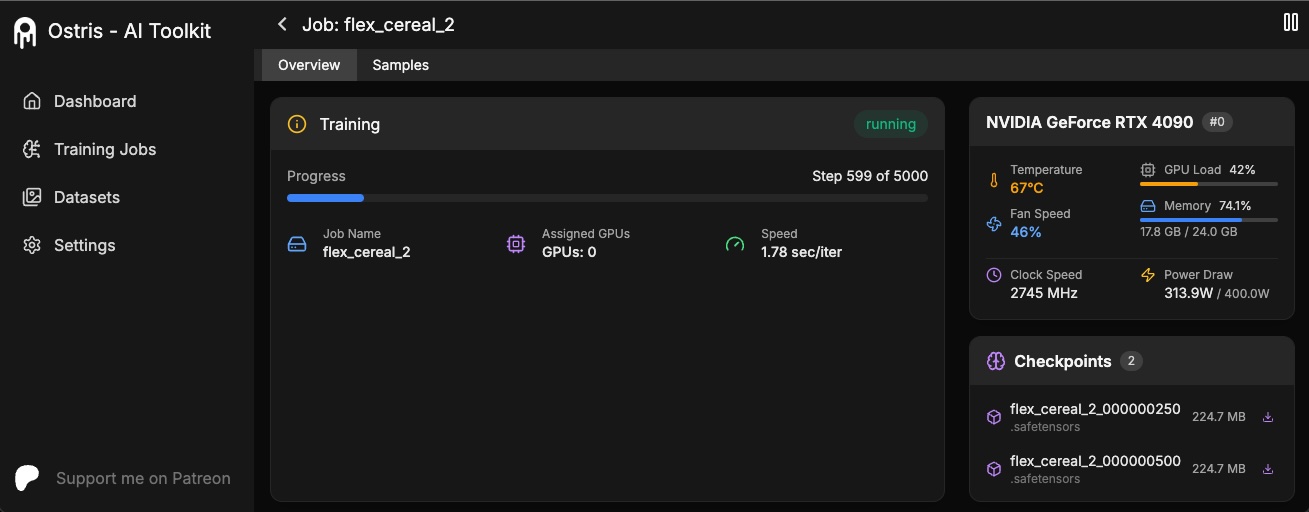
ai-toolkit
12.3Kostris/ai-toolkit · PythonAI Toolkit is an all-in-one training suite for finetuning diffusion models, covering image, video, and audio generation models, with support for the latest models like FLUX, Qwen-Image, Wan 2.1/2.2, and Ace-Step on consumer GPUs.
- 42

AnimateDiff
12.3Kguoyww/AnimateDiff · PythonAnimateDiff is the official implementation of a research method that turns personalized text-to-image Stable Diffusion models into animation (text-to-video) generators without any extra fine-tuning of those models.
- 43

LTX-Video
11.1KLightricks/LTX-Video · PythonLTX-Video is the official repo for Lightricks' DiT-based video generation model, which generates synchronized audio+video, supports text-to-video and image-to-video, keyframe conditioning, video extension, and video-to-video transformations.
- 44

qlora
11Kartidoro/qlora · Jupyter NotebookQLoRA is a research method and code release for efficiently finetuning large quantized language models. It backpropagates gradients through a frozen 4-bit quantized model into small LoRA adapters, cutting memory use enough to finetune a 65B model on a single 48GB GPU while matching full 16-bit finetuning quality.
- 45

ART
10.8KOpenPipe/ART · PythonART (Agent Reinforcement Trainer) is an open-source RL framework from OpenPipe that lets LLM agents learn from experience: you train multi-step agents for real-world tasks with GRPO.
- 46

nlp_course
10.7Kyandexdataschool/nlp_course · Jupyter NotebookThis is the Yandex School of Data Analysis (YSDA) Natural Language Processing course: a full set of lecture slides, seminar notebooks, and homework assignments organized by week, covering NLP from word embeddings through modern LLM topics.
- 47

WanGP
10.6Kdeepbeepmeep/WanGP · PythonWanGP is a one-stop open source app for running top generative AI models for video, image, and audio/TTS generation, built specifically to work on modest consumer GPUs (the 'GPU Poor').
- 48

PhotoMaker
10.1KTencentARC/PhotoMaker · Jupyter NotebookPhotoMaker is an AI tool from Tencent ARC (CVPR 2024) that generates new images of a specific person: you feed in a few reference photos of the face plus a text prompt, and it renders that identity in new scenes, poses, or styles.
- 49

LTX-2
9.8KLightricks/LTX-2 · PythonThe official Python package for LTX-2, Lightricks' audio-video foundation model: one DiT-based model that generates video with synchronized audio from text or an image, in several quality/speed modes.
- 50
Soup
9.2KMakazhanAlpamys/Soup · PythonSoup is a command-line tool for fine-tuning and post-training LLMs from a single YAML config file, automating GPU detection, batching and quantization so you just write a config and run one command.
- 51

OBLITERATUS
8.8Kelder-plinius/OBLITERATUS · PythonOBLITERATUS is an open-source toolkit for 'abliteration' — it probes a language model's hidden states to locate the internal directions responsible for refusing prompts, then surgically removes them so the model stops refusing while keeping its core language abilities.
- 52
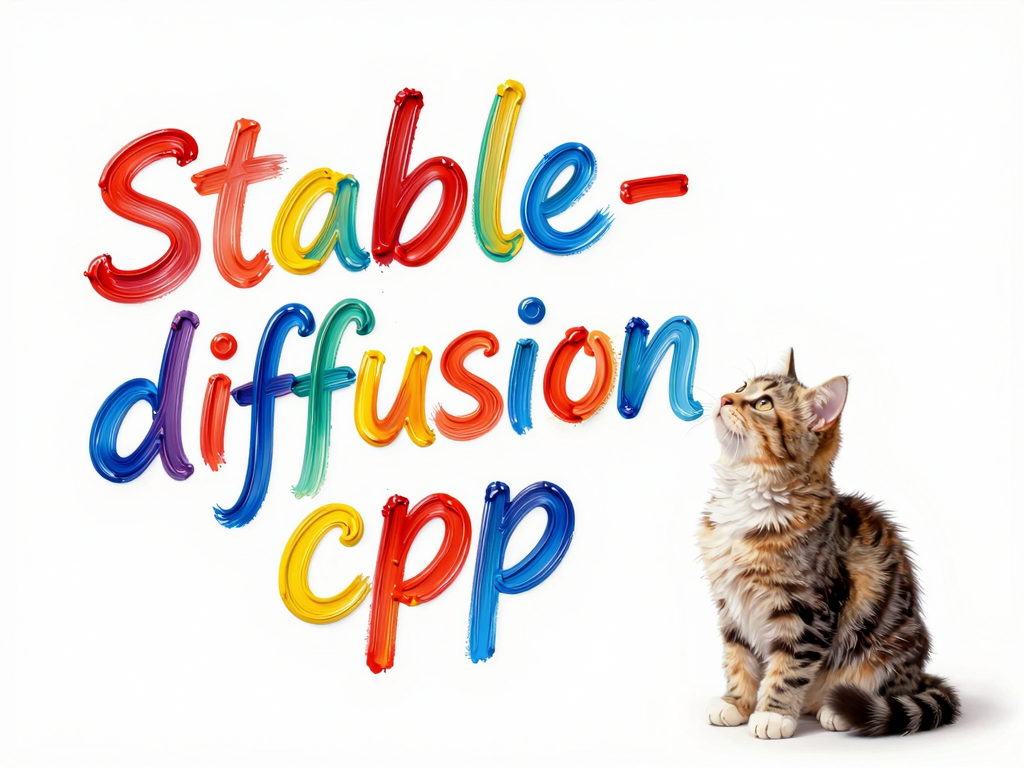
stable-diffusion.cpp
7.7Kleejet/stable-diffusion.cpp · C++A pure C/C++ inference engine for diffusion models like Stable Diffusion, Flux, Wan, Qwen Image, and Z-Image, built the same way as llama.cpp so you can generate images and videos without heavy Python dependencies.
- 53
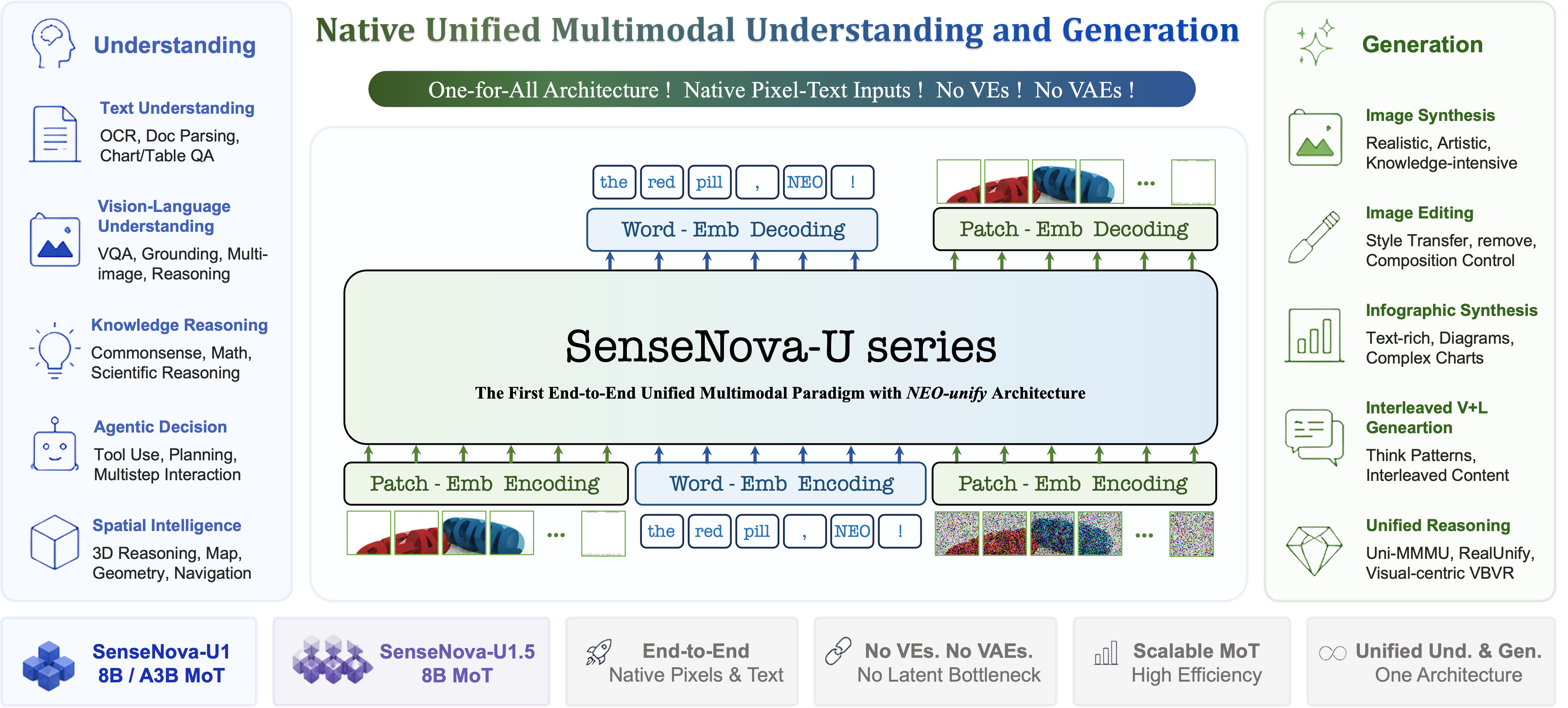
SenseNova-U1
6.9KOpenSenseNova/SenseNova-U1 · PythonOpen-source multimodal models that unify image understanding, reasoning and image generation in one architecture. The current release, SenseNova-U1.5-8B-MoT, creates and edits images up to native 4K.
- 54
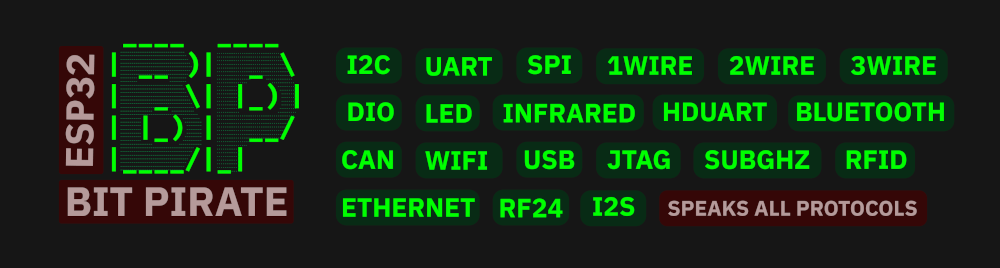
ESP32-Bit-Pirate
6.1Kgeo-tp/ESP32-Bit-Pirate · C++ESP32 Bit Pirate is open-source firmware that turns an ESP32-S3 board into a multi-protocol hardware hacking and development tool, inspired by the Bus Pirate, letting you sniff, send and script digital and radio protocols.
- 55

OpenClaw-RL
5.7KGen-Verse/OpenClaw-RL · PythonOpenClaw-RL is a fully asynchronous reinforcement learning framework that turns everyday conversations with an agent into training signals, letting you train a personalized OpenClaw agent just by talking to it, or train general agents for terminal, GUI, SWE, and tool-call tasks.
- 56

ai-agents-from-zero
5.4Kdidilili/ai-agents-from-zero · PythonThis is a comprehensive, long-term-maintained AI Agent / LLM application development tutorial in Chinese, covering everything from basic concepts to enterprise-grade deployment, with runnable projects and an interview question bank.
- 57
Edge0
5.3KEdge0-AI/Edge0 · PythonEdge0 is an open-source streaming MoE (Mixture-of-Experts) inference framework that lets you run large MoE models, like a 35B-parameter model, using only about 2.5-2.9 GB of active RAM by streaming expert weights from SSD and predicting routing one step ahead.
- 58
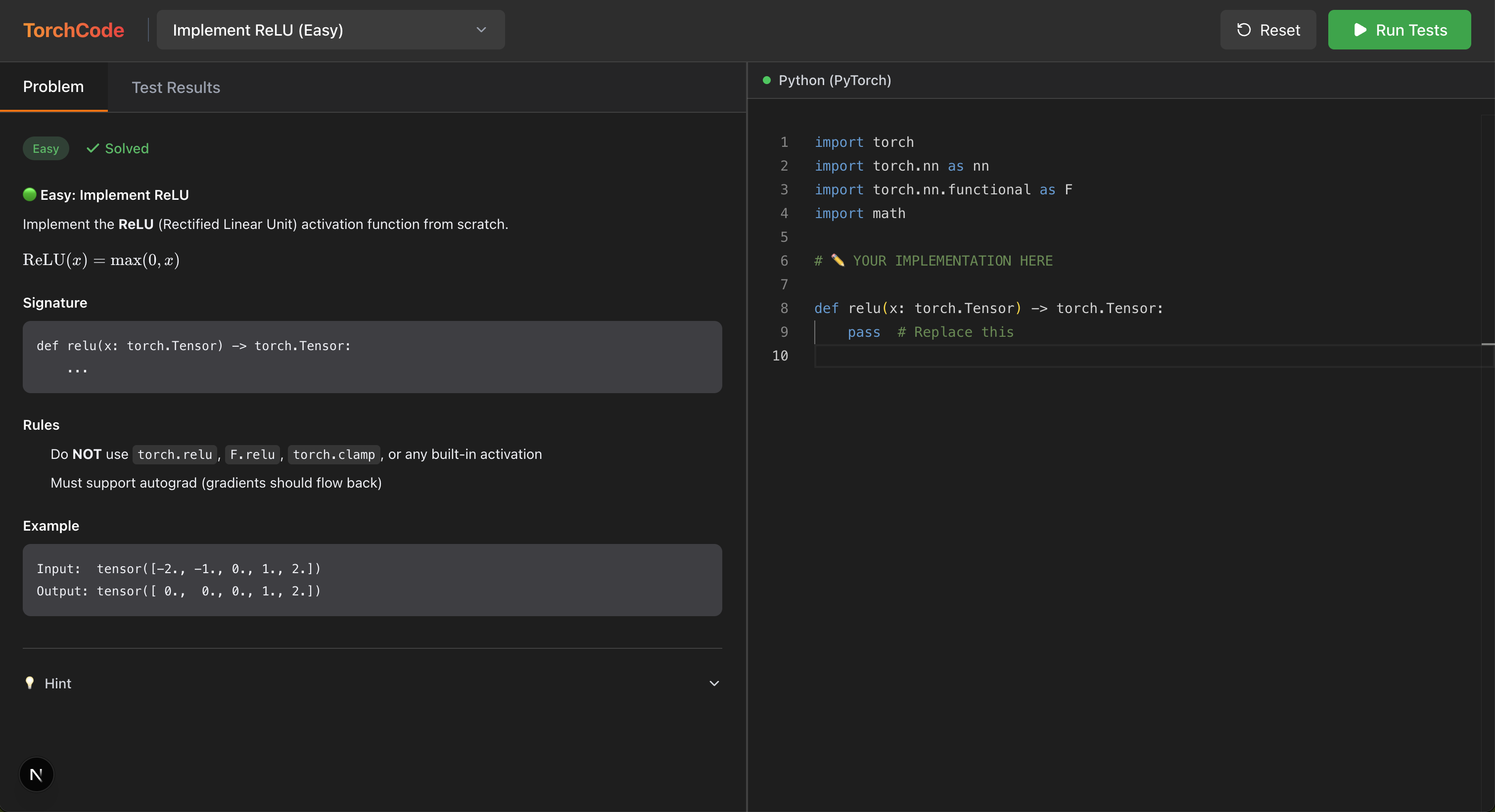
TorchCode
4.7Kduoan/TorchCode · Jupyter NotebookTorchCode is a LeetCode-style practice platform for PyTorch: it gives you 41 curated coding problems where you implement ML operators and architectures (softmax, attention, GPT-2 blocks, etc.) from scratch inside Jupyter notebooks, with an automated judge that checks correctness, gradients, and timing instantly.
- 59

HunyuanVideo-1.5
4.6KTencent-Hunyuan/HunyuanVideo-1.5 · PythonHunyuanVideo-1.5 is a video generation model from Tencent that creates text-to-video and image-to-video clips, achieving top-tier quality with only 8.3B parameters so it runs on consumer-grade GPUs.
- 60

InfraTech
4.2KCalvinXKY/InfraTech · Jupyter NotebookInfraTech is a collection of Jupyter notebooks and articles sharing AI Infra knowledge: training/inference frameworks (PyTorch, vLLM/SGLang, slime/vime), performance acceleration, deep learning fundamentals and AI hardware/software basics.
- 61

MetaClaw
3.5Kaiming-lab/MetaClaw · PythonMetaClaw sits between your personal AI agent and its LLM, turning every conversation into a learning signal: it injects relevant skills on each turn and can optionally run RL fine-tuning so the agent keeps improving from real use, with no GPU needed for the basic mode.
- 62

locally-uncensored
2.3KPurpleDoubleD/locally-uncensored · TypeScriptThis is an all-in-one local AI studio for your desktop that bundles chat, image and video generation, and a coding agent into a single free, open-source app for Windows and Linux.
- 63

FreeVideo
2KFlashML-org/FreeVideo · PythonFreeVideo is a local inference engine that lets you run the MiniMax H3 video generation model on your own consumer GPU instead of a cloud service, adapting its memory and compute strategy to your hardware.
- 64

Hy-MT2
1.3KTencent-Hunyuan/Hy-MT2 · PythonHy-MT2 is Tencent Hunyuan's family of 'fast-thinking' multilingual translation models, released in three sizes (1.8B, 7B, and 30B-A3B MoE), that translate among 33 languages and follow complex translation instructions.
- 65
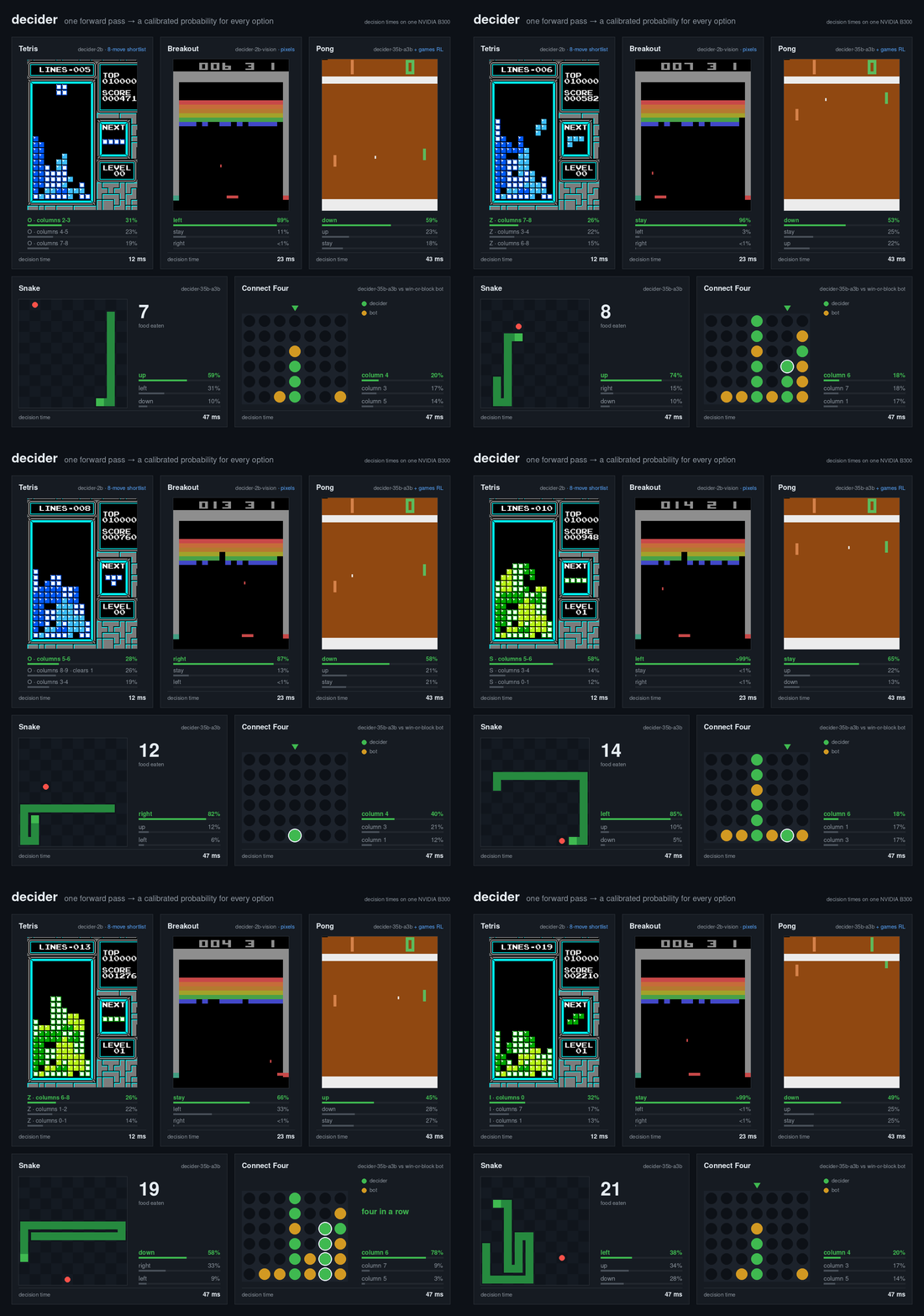
decider
1.2KMapika/decider · PythonDecider is a family of language models fine-tuned from Qwen3.5 that don't generate text; instead they read a state plus a set of typed questions and return calibrated probability distributions for every question in one forward pass.
- 66

marigold-v2
913huawei-bayerlab/marigold-v2 · PythonMarigold V2 is a family of models and a cost-effective fine-tuning protocol that repurposes a pretrained diffusion transformer into single-step dense predictors: depth, see-through depth, surface normals, albedo, and other dense modalities.
- 67

rizzo-flow
903Rizzo-AI-Academy/rizzo-flow · PythonRizzo Flow is an open-source, local-first implementation of TypeSafe's Jev 'System One' model: it takes unstructured state as input and returns typed, probabilistic decisions (a yes/no, a choice, a score, a number) without generating a single text token, running entirely on your own hardware via llama.cpp.
- 68

halo
825whitecircle/halo · PythonHalo is an open-source framework from White Circle for training large language and multimodal models: pre-training, SFT, preference optimization, and fully asynchronous multi-turn RL in one codebase, from a single GPU up to multi-node clusters.
- 69
verl
716XiaomiMiMo/verl · Pythonverl is an open-source RL post-training framework for large language models, started by ByteDance Seed as the open-source version of the HybridFlow paper. This XiaomiMiMo fork adds agentic RL training code for MiMo, with reproduction code for five RL environments on top of verl 0.9.0.dev.
- 70

ai-engineer-notebooks
700calmrocks/ai-engineer-notebooks · Jupyter NotebookA collection of framework-free, hands-on Jupyter/Colab notebooks teaching the applied-LLM engineer skill set — model APIs, RAG, evals, agents, fine-tuning, security, and LLMOps — built for engineers moving into AI Engineer / Forward Deployed Engineer (FDE) roles.
- 71

LoongForge
687baidu-baige/LoongForge · PythonAn open-source training framework from Baidu's Baige team for LLMs, VLMs, diffusion and embodied models, built for faster training and lower cost on NVIDIA GPUs and Kunlun XPUs.
- 72
overmind
662overmind-core/overmind · PythonOvermind points at your AI agent's codebase and production traces, then turns them into a fine-tuned model that is benchmarked against metrics you define and served through one unified API — no separate ML infrastructure to build.
- 73

strands-decider
659strands-labs/strands-decider · PythonStrands Decider is a small, fast 'system one' decision model built for agentic workflows. Instead of generating free text like an LLM, it picks between a set of options or rates something on a scale, and returns a calibrated confidence score for every decision.
- 74

vdn-minimax-h3
617OpenVDN/vdn-minimax-h3 · PythonVDN-Minimax-H3 is a hybrid-attention video generation model built on MiniMax H3 that renders video faster than it plays, supporting text-to-video-audio, image-to-video-audio, first/last-frame-to-video and more from one checkpoint.
- 75

code-world-model
508buaacyw/code-world-model · PythonCode World Model (CWM) is an academic research project on using a coding agent as a 'world brain', released with a public LoRA checkpoint and example data for reproducing experiments.
- 76
DramaBox
505resemble-ai/DramaBox · PythonDramaBox is Resemble AI's expressive text-to-speech model with voice cloning, fine-tuned on top of Lightricks' LTX-2.3 audio model. The prompt itself controls speaker identity, emotion, delivery style, laughs, sighs, pauses and transitions, and an optional 10-second voice reference clones the target voice timbre.
- 77

awesome-minimax-h3-integration
442MiniMax-AI/awesome-minimax-h3-integrationA community-maintained index of checkpoints, tools, and workflows for MiniMax H3, a video generation model that produces clips with native stereo audio from text, image, video, and audio inputs.
- 78

jeeves
425PostHog/jeeves · PythonJeeves is a reasoning-enhanced 'Jev-like' decision model built on Qwen3.5-9B with LoRA. It thinks through a reasoning chain before giving calibrated yes/no, multiple-choice, or rating answers, and ships with a diffusion drafter for faster inference.
- 79
EasyWAM
401OpenMOSS/EasyWAM · PythonEasyWAM is a unified research codebase for training, fine-tuning, and evaluating World Action Models (WAMs) — models that jointly predict future video and robot actions for embodied-AI and robotics research.
- 80
ComfyUI_MiniMax_H3_Extender
338tritant/ComfyUI_MiniMax_H3_Extender · PythonIt's a ComfyUI custom node for the MiniMax H3 video model: it chains multiple generated clips into one long sequence while preserving motion, visual and audio continuity across clip boundaries.
- 81

H3-World
318Danzer1xxxxChan/H3-World · PythonH3-World is an interactive world model built on MiniMax-H3: give it one initial frame and it generates video you steer with keyboard actions, like driving a game world with your keys.
- 82
autumn-recruitment
263Akun-python/autumn-recruitment · Jupyter NotebookIt is a community-built, Chinese-language collection of Jupyter notebooks covering math foundations, data structures, machine learning, deep learning, LLMs, agents, AI infrastructure, speech, and data science, aimed at job-hunting ('autumn recruitment') interview prep in the LLM era.
- 83

swarm-agent
190lyt2003-yt/swarm-agent · PythonSwarmAgent is a conversational agent that turns natural-language requests like 'choreograph this song, make the second section gentler' into validated drone-swarm trajectories, built on the ReAct paradigm and sitting on top of a separately deployed SwarmGPT service.
- 84
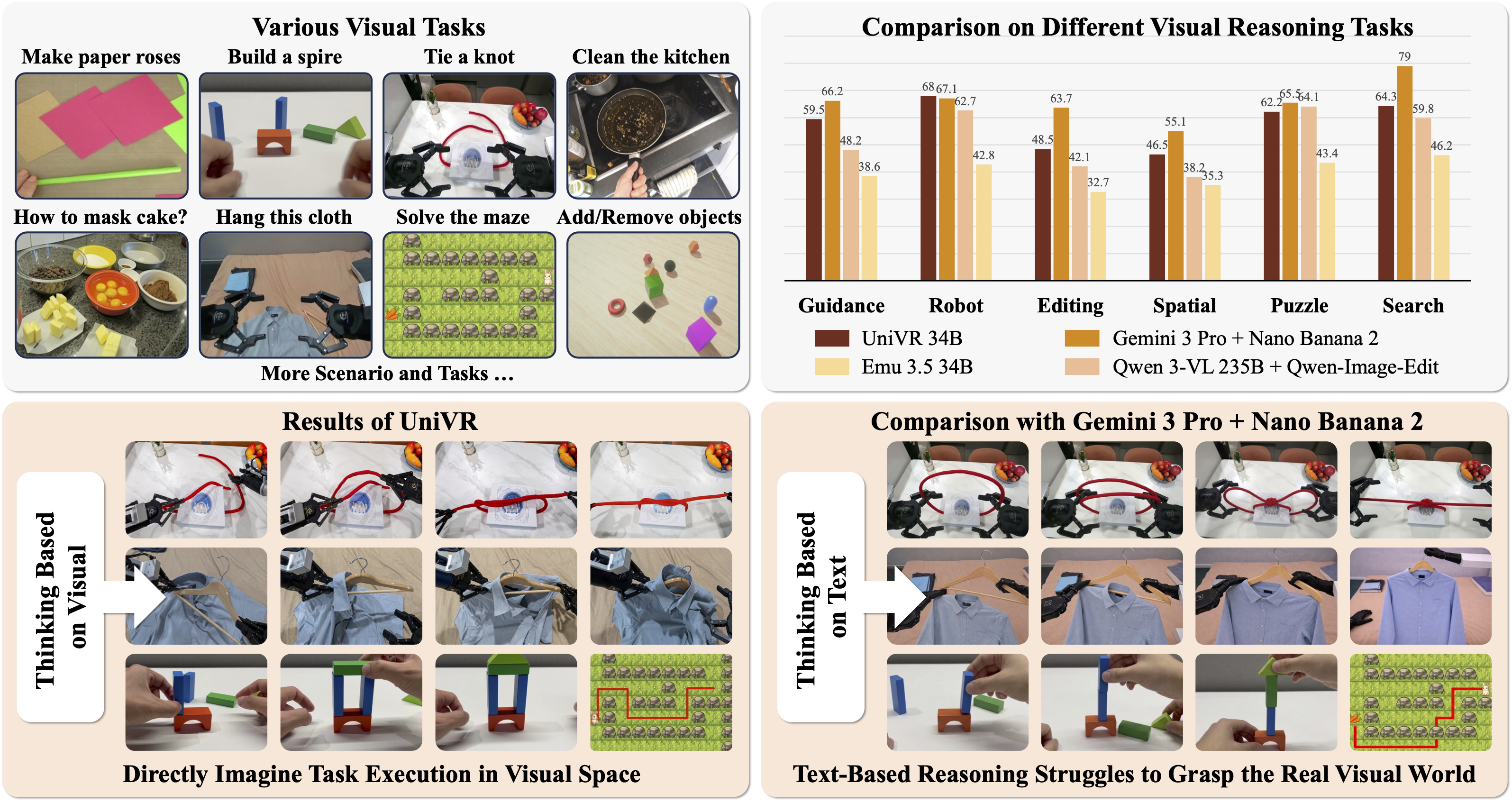
UniVR
178FlagOpen/UniVR · PythonUniVR is an end-to-end SFT and Reinforcement Learning (GRPO) training framework built specifically for Emu3.5 series unified generative models, letting you train visual reasoning tasks by swapping in your own data loader and reward function.
- 85

hyperflow
146Video-Rebirth/hyperflow · PythonAn 8-step LoRA adapter for MiniMax-H3, a video+audio generation model, trained by data-free flow self-distillation. This repository holds the loader and example scripts that run it on the diffusers Modular Pipeline.
- 86
Bud-Decision-Studio
110BudEcosystem/Bud-Decision-Studio · HTMLBud Decision Studio is a cross-platform desktop app and local serving system for 'decision models' (Jev-like 'System One' models): you give it a situation and typed questions, and it returns a calibrated probability for every allowed answer instead of generated text.
- 87
comfyEz
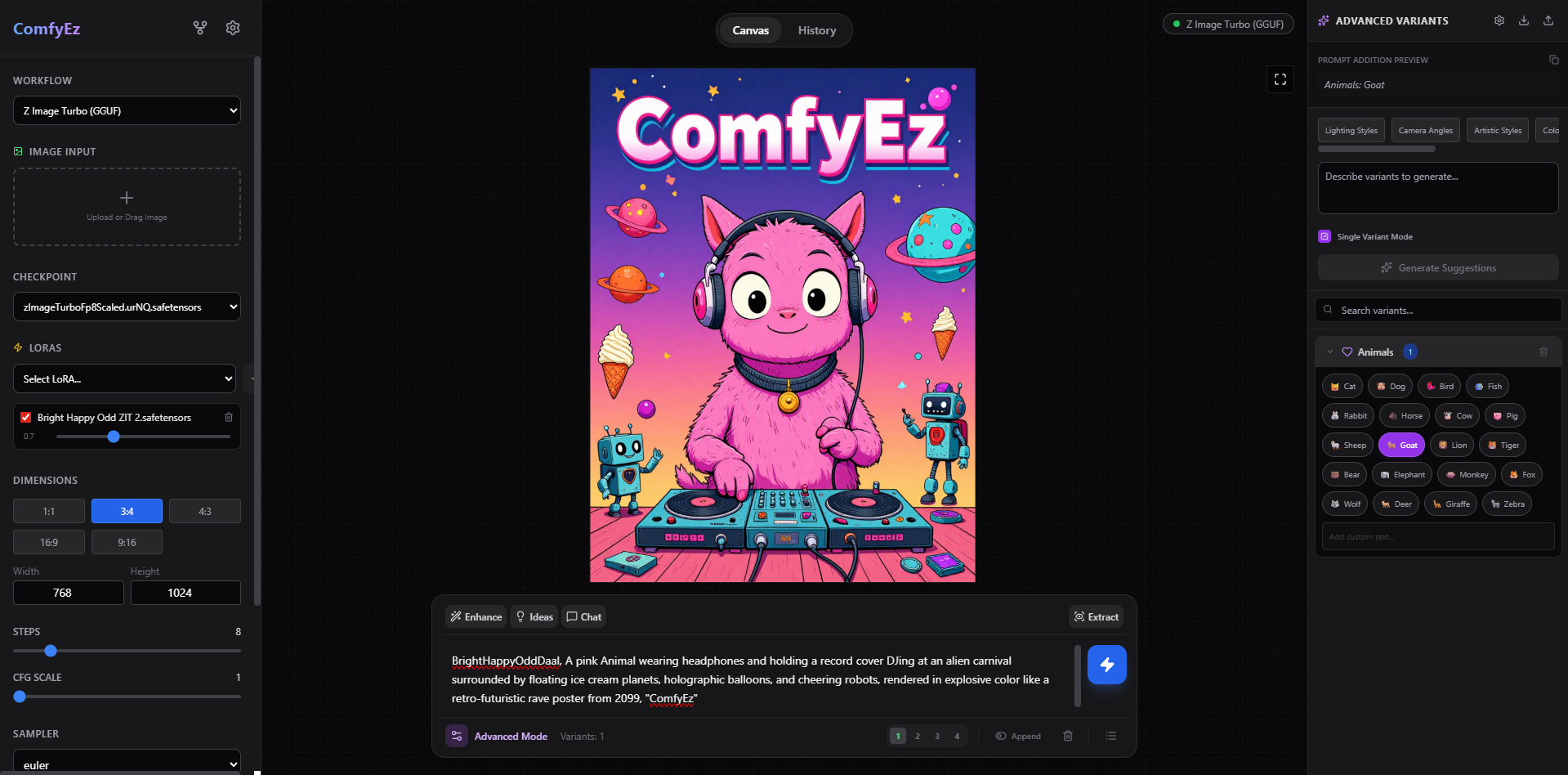
77amirrezasalimi/comfyEz · TypeScriptA web interface for a local ComfyUI instance: it wraps the node graph in a sleek Playground-style UI like commercial AI generators, adding LLM-powered prompt tools and a dedicated inpainting editor.
Related topics
Often tagged together