Topics / #cpu-inference
CPU inference projects on GitHub
Running model inference on CPUs with optimized kernels for edge deployment.
As of , the most-starred CPU inference projects on GitHub are ktransformers (19.6K stars), KittenTTS (16.2K stars) and ChatGLM3 (13.6K stars). GitHub.Locker tracks 12 CPU inference repositories with 74.9K stars combined. The fastest-growing on October 19 was earshot, with +681 stars in a day.
Hot right now
Most stars gained in a day · Oct 19
 +681
earshot
Leonxlnx/earshot · ★ 1.5KEarshot gives AI coding agents the ability to hear and reason about sound: it can describe what a file sounds like, judge how well audio matches a description, find the best moments in a recording, tell real recordings from code-synthesized ones, and critique a video's sound design against professional launch films.
 +25
Open-Source-Face-Recognition-SDK
Faceplugin-ltd/Open-Source-Face-Recognition-SDK · ★ 2.7KAn open-source face recognition SDK from Faceplugin that does face detection, landmark extraction, embedding generation and face similarity comparison, all processed on-premise.
KittenTTS
KittenML/KittenTTS · ★ 16.2KKitten TTS is an open-source, lightweight text-to-speech library built on ONNX that converts text into natural-sounding speech using tiny 15M-80M parameter models, running entirely on CPU.
 +16
kimi-k3-in-c
FareedKhan-dev/kimi-k3-in-c · ★ 9.1KAn inference engine for the 2.78-trillion-parameter Kimi K3 model, written in portable C99. It runs on a plain CPU in as little as 8 GB of RAM — no GPU, no BLAS, no framework — streaming the 1.56 TB checkpoint straight off disk.
The all-time top
12 projects · by stars
- 19.6K
#1 · kvcache-ai/ktransformers
ktransformers
KTransformers is a research framework for efficient inference and fine-tuning of large language models through CPU-GPU heterogeneous computing, letting huge MoE models run on hardware that doesn't have enough VRAM to hold them entirely on GPU.
- 16.2K
#2 · KittenML/KittenTTS
KittenTTS
Kitten TTS is an open-source, lightweight text-to-speech library built on ONNX that converts text into natural-sounding speech using tiny 15M-80M parameter models, running entirely on CPU.
- 13.6K
 #3 · zai-org/ChatGLM3
ChatGLM3
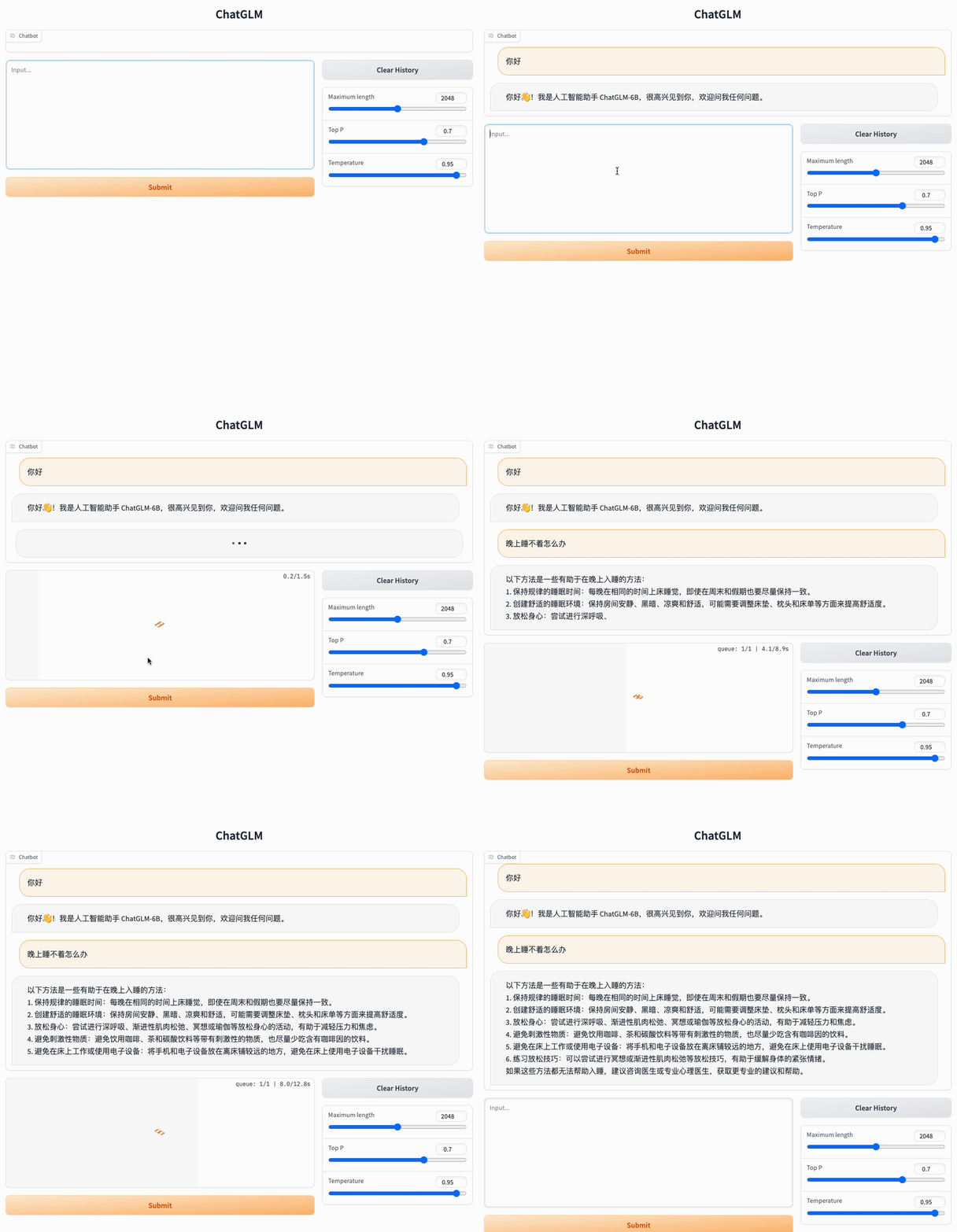
ChatGLM3 is a series of open bilingual (Chinese-English) chat large language models released jointly by Zhipu AI and Tsinghua University's KEG Lab, including a 6B-parameter chat model, its base model, and 32K/128K long-context variants.
- 4
kimi-k3-in-c
9.1KFareedKhan-dev/kimi-k3-in-c · CAn inference engine for the 2.78-trillion-parameter Kimi K3 model, written in portable C99. It runs on a plain CPU in as little as 8 GB of RAM — no GPU, no BLAS, no framework — streaming the 1.56 TB checkpoint straight off disk.
- 5
esp32-ai
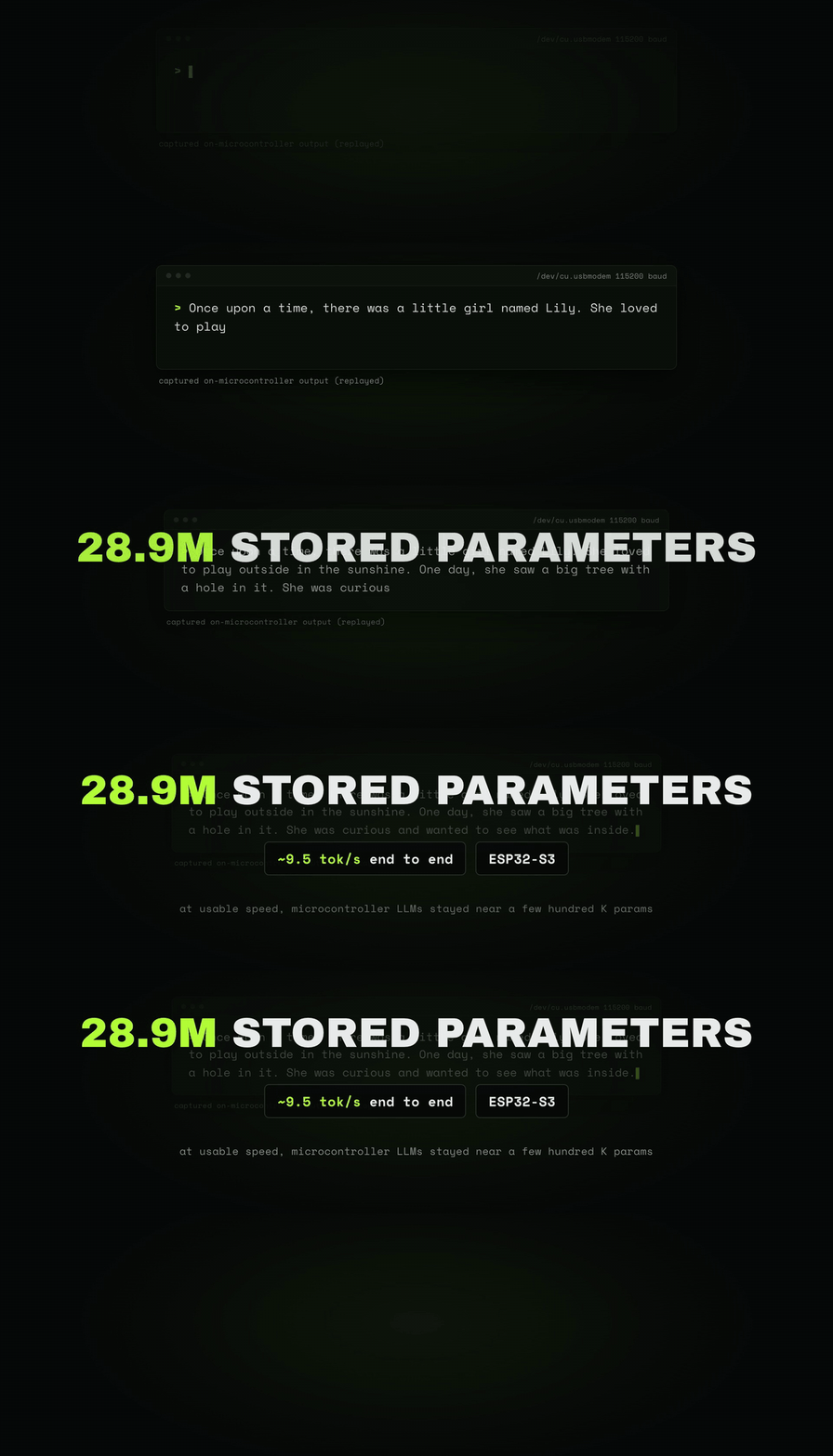
4.6KslvDev/esp32-ai · PythonA 28.9 million parameter language model that runs text generation entirely on an ESP32-S3 microcontroller, with the generated text shown on a small screen wired to the chip.
- 6

MOSS-TTS-Nano
4.5KOpenMOSS/MOSS-TTS-Nano · PythonMOSS-TTS-Nano is an open-source, 100M-parameter multilingual text-to-speech model from MOSI.AI and OpenMOSS that supports voice cloning, 48kHz stereo output, and real-time generation directly on CPU.
- 7
Open-Source-Face-Recognition-SDK
2.7KFaceplugin-ltd/Open-Source-Face-Recognition-SDK · PythonAn open-source face recognition SDK from Faceplugin that does face detection, landmark extraction, embedding generation and face similarity comparison, all processed on-premise.
- 8
earshot
1.5KLeonxlnx/earshot · PythonEarshot gives AI coding agents the ability to hear and reason about sound: it can describe what a file sounds like, judge how well audio matches a description, find the best moments in a recording, tell real recordings from code-synthesized ones, and critique a video's sound design against professional launch films.
- 9
jev
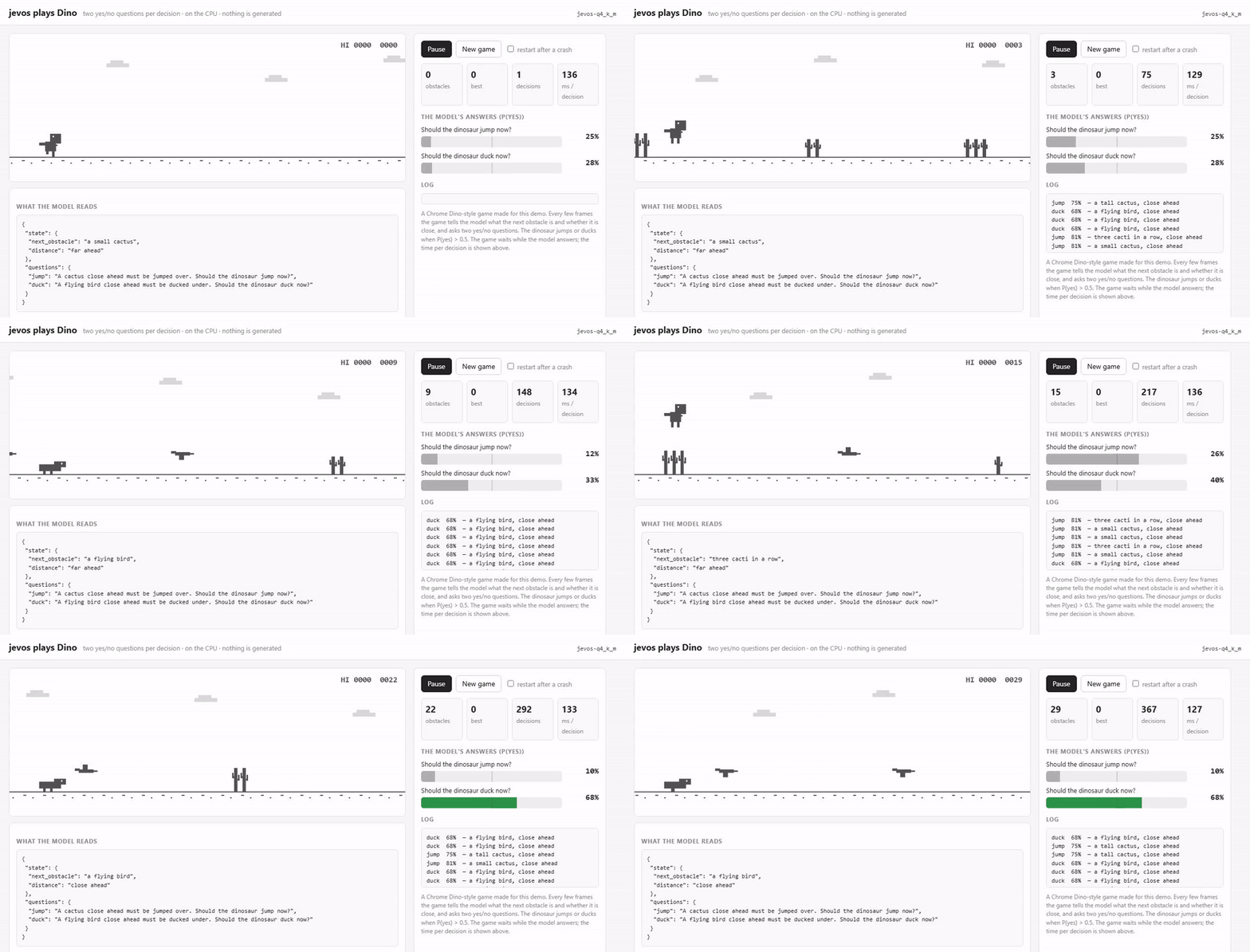
1.4Kfeder-cr/jev · C++jevos-1b is a free, open-source yes/no decision engine that runs locally on your laptop's CPU, returning the probability that the answer is 'yes' for a given text plus question in about 50-220 ms, as a self-hosted alternative to the cloud-based Jev service.
- 10
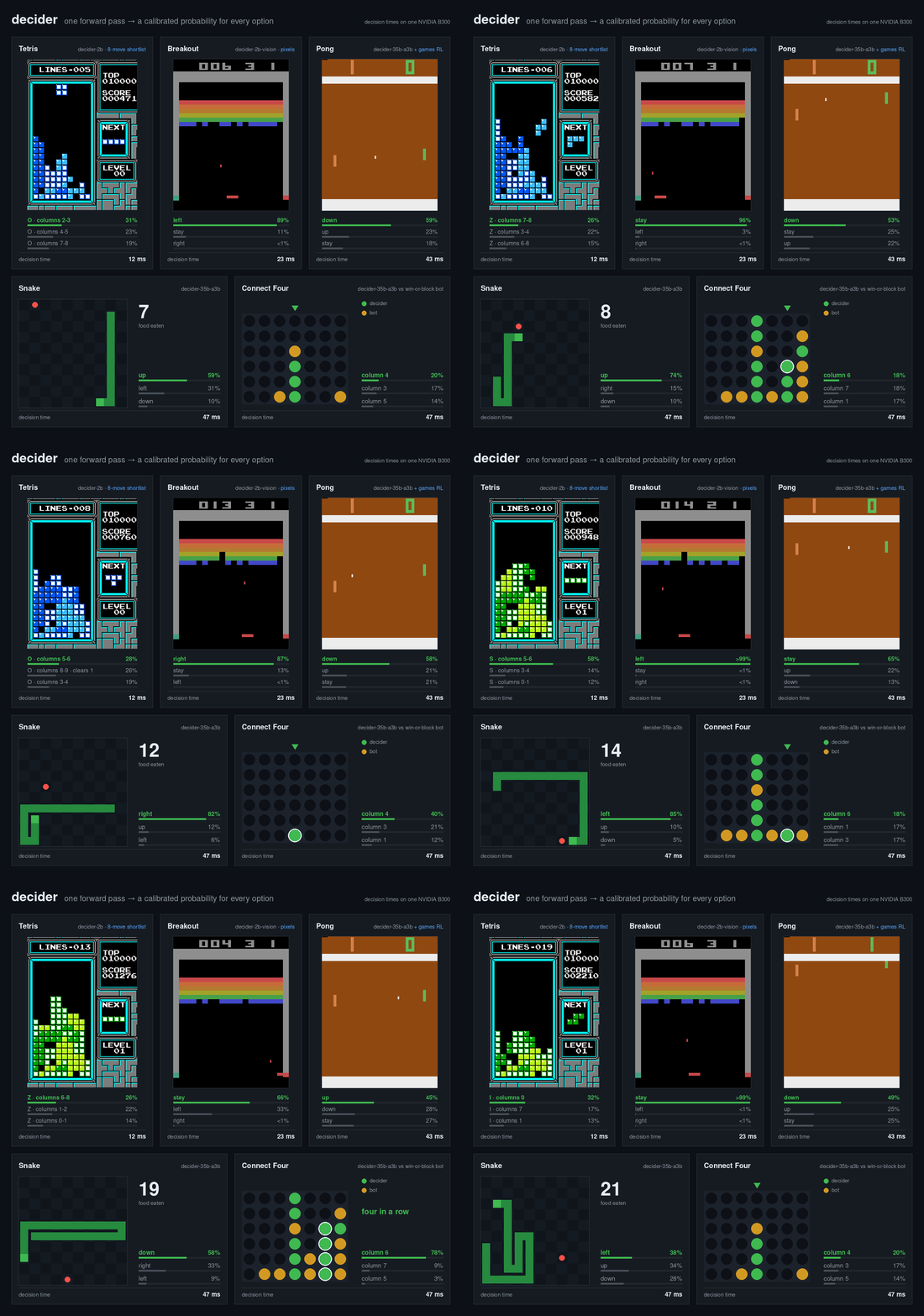
decider
1.2KMapika/decider · PythonDecider is a family of language models fine-tuned from Qwen3.5 that don't generate text; instead they read a state plus a set of typed questions and return calibrated probability distributions for every question in one forward pass.
- 11

janas
449prabanta-dev/janas · CJanas-LLM is a C-based inference engine that runs large mixture-of-experts LLMs (even ones bigger than your RAM) on ordinary laptops, by streaming the experts each token needs from an NVMe SSD and caching the hot ones in memory.
- 12

ParkerLabel
109Parker-Lyu/ParkerLabel · PythonParkerLabel is a lightweight, AI-assisted interactive annotation tool for object detection and instance segmentation that uses MobileSAM to generate masks from click prompts.
Related topics
Often tagged together