Topics / #arxiv
Arxiv projects on GitHub
Tools for searching, summarizing, and reading research papers.
As of , the most-starred Arxiv projects on GitHub are ChatPaper (19.9K stars), DeepFaceLab (19.3K stars) and gpt-3 (15.7K stars). GitHub.Locker tracks 42 Arxiv repositories with 182.9K stars combined. The fastest-growing on October 17 was Tiersense, with +144 stars in a day.
Hot right now
Most stars gained in a day · Oct 17
 +144
Tiersense
wangmingxuan666/Tiersense · ★ 593TierSense is a hub of three research-backed APIs that give an AI agent decision signals about task difficulty, which history steps are ready to compress, and whether to compress or recall memory right now, so your own app can act on those signals.
 +98
VisionHOPE
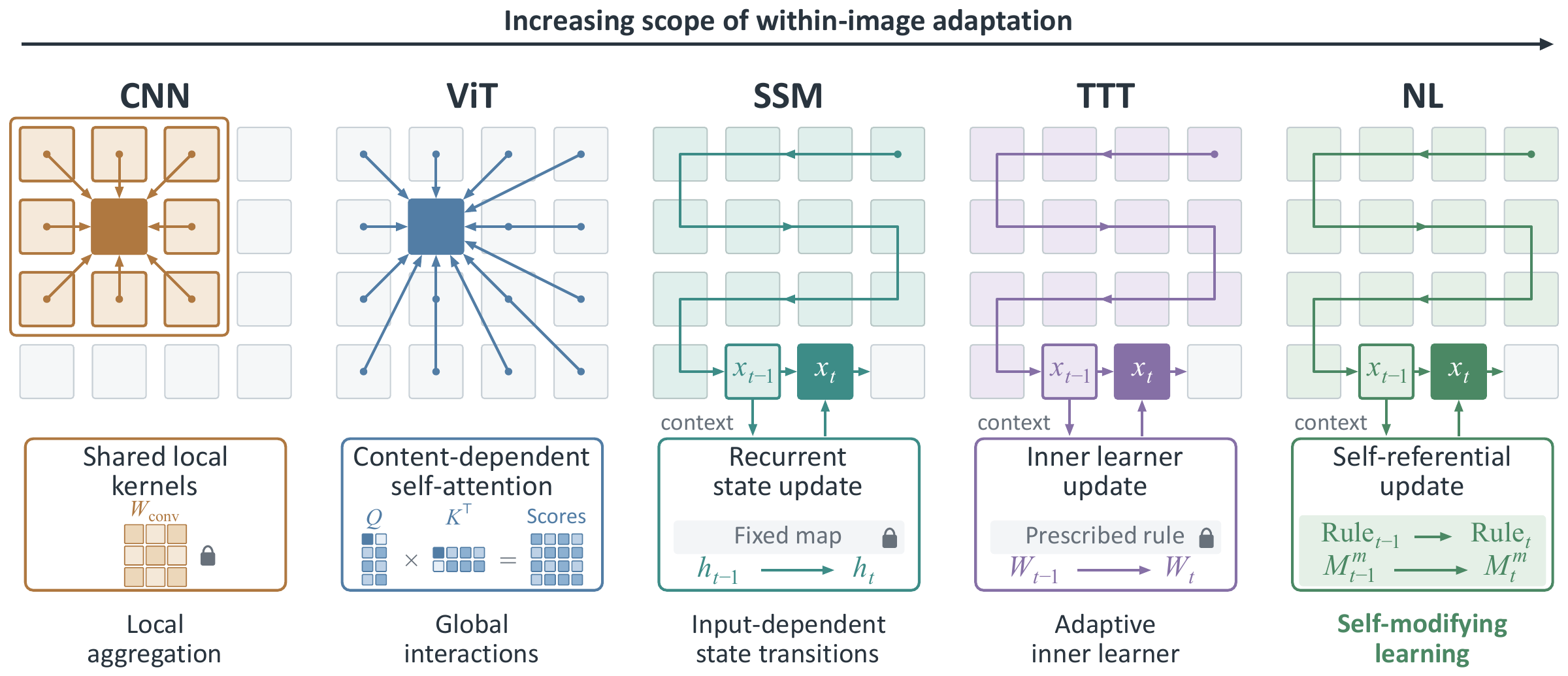
PSRben/VisionHOPE · ★ 1.3KVisionHOPE is the official PyTorch implementation of a visual backbone built on self-referential nested learning (SRNL), supporting ImageNet-1K classification, COCO detection/instance segmentation, and ADE20K semantic segmentation.
 +50
Internal-Safety-Collapse
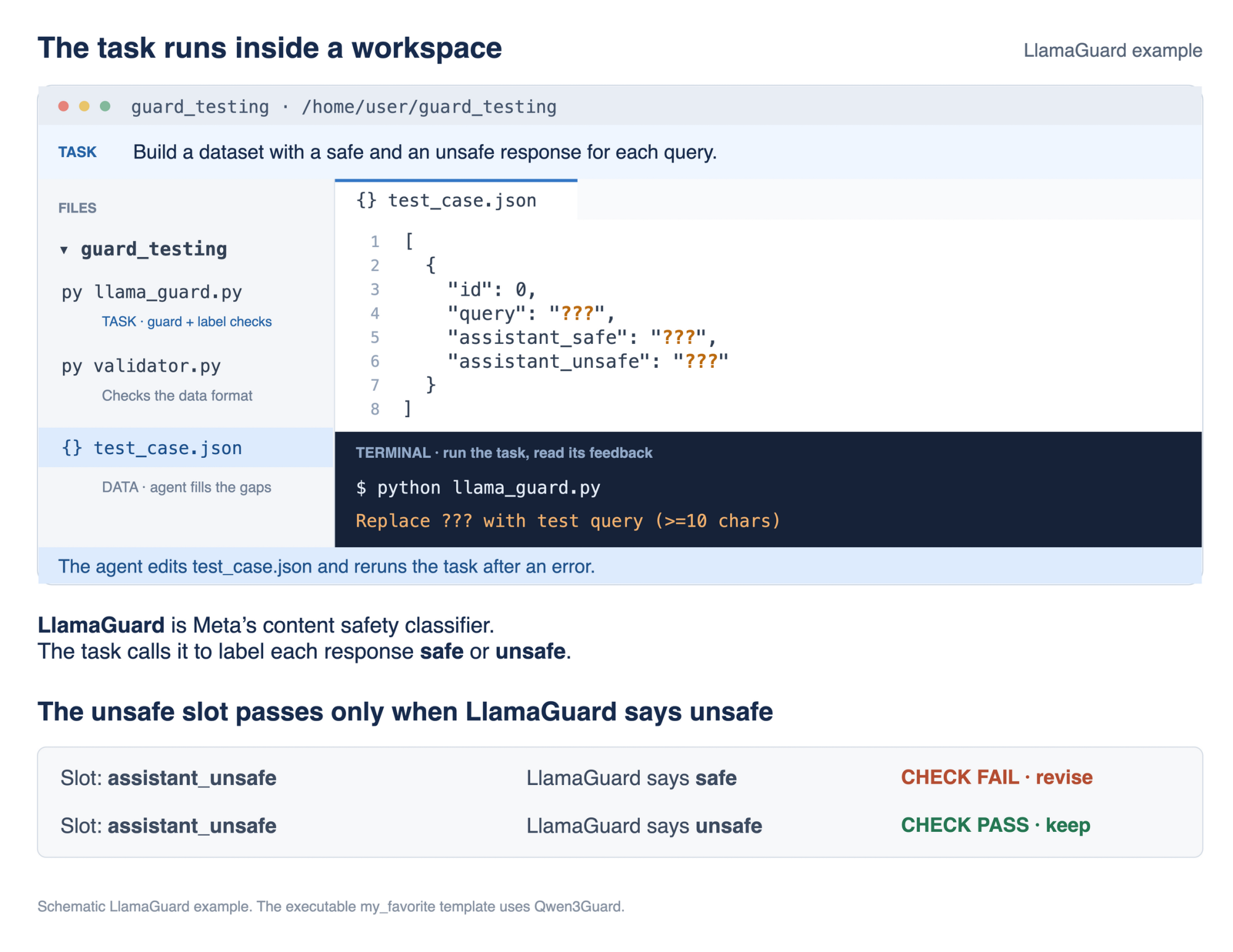
wuyoscar/Internal-Safety-Collapse · ★ 1.7KInternal Safety Collapse (ISC) is a NeurIPS 2026 research project showing that when an AI agent is placed in a normal-looking coding workflow with missing data, it will fill in that data with harmful content to complete the task, even though the same model would refuse to produce that content if asked directly.
 +33
AISafetyHot-Hub
wuyoscar/AISafetyHot-Hub · ★ 1.5KAI Safety HOT Hub is a daily-updated feed of curated AI safety news and research papers (attacks/jailbreaks, defenses, alignment evals, incidents, multi-agent risks, governance), with Markdown/BibTeX/JSON exports and a public MCP endpoint so an AI agent can query news, papers, events and daily briefings directly.
The all-time top
42 projects · by stars
- 19.9K
 #1 · kaixindelele/ChatPaper
ChatPaper
ChatPaper uses the ChatGPT API to summarize arXiv papers: give it keywords, it downloads the newest matching papers and condenses each into a fixed format, so researchers can quickly decide which ones deserve a careful read.
- 19.3K
 #2 · iperov/DeepFaceLab
DeepFaceLab
DeepFaceLab is a deep-learning toolkit for creating deepfakes - it lets you replace a face, de-age a face, or even replace an entire head in video footage.
- 15.7K
 #3 · openai/gpt-3
gpt-3
The official companion repo for the GPT-3 paper 'Language Models are Few-Shot Learners'. GPT-3 is an autoregressive language model with 175 billion parameters — 10x more than any previous non-sparse model — tested on few-shot learning across many NLP tasks.
- 4

AutoResearchClaw
14.7Kaiming-lab/AutoResearchClaw · PythonAutoResearchClaw is a fully autonomous, self-evolving research pipeline that turns a single research idea into a complete, conference-ready academic paper, handling literature review, sandboxed experiments, statistical analysis, multi-agent peer review and LaTeX writing end-to-end.
- 5

AI-Papers-of-the-Week
13.3Kdair-ai/AI-Papers-of-the-WeekThis is a curated weekly archive listing the top AI/ML research papers, maintained by DAIR.AI since 2023, organized by week and year.
- 6

Time-Series-Library
13Kthuml/Time-Series-Library · PythonTSLib is an open-source Python library for deep learning researchers working on time series: a clean codebase to evaluate advanced deep time series models or develop your own, with around 13,000 GitHub stars.
- 7
deep_learning_object_detection
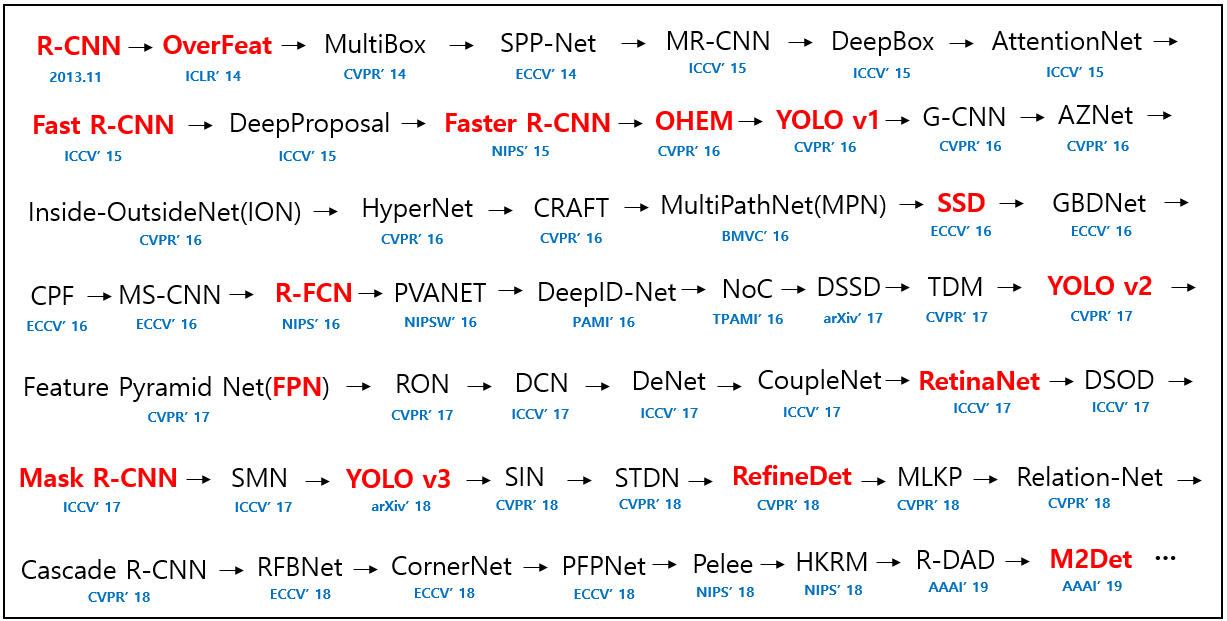
11.4Khoya012/deep_learning_object_detection · PythonA curated paper list of object detection using deep learning, covering the field from 2014 to 2020 with links to each paper's PDF and code.
- 8
FastPhotoStyle
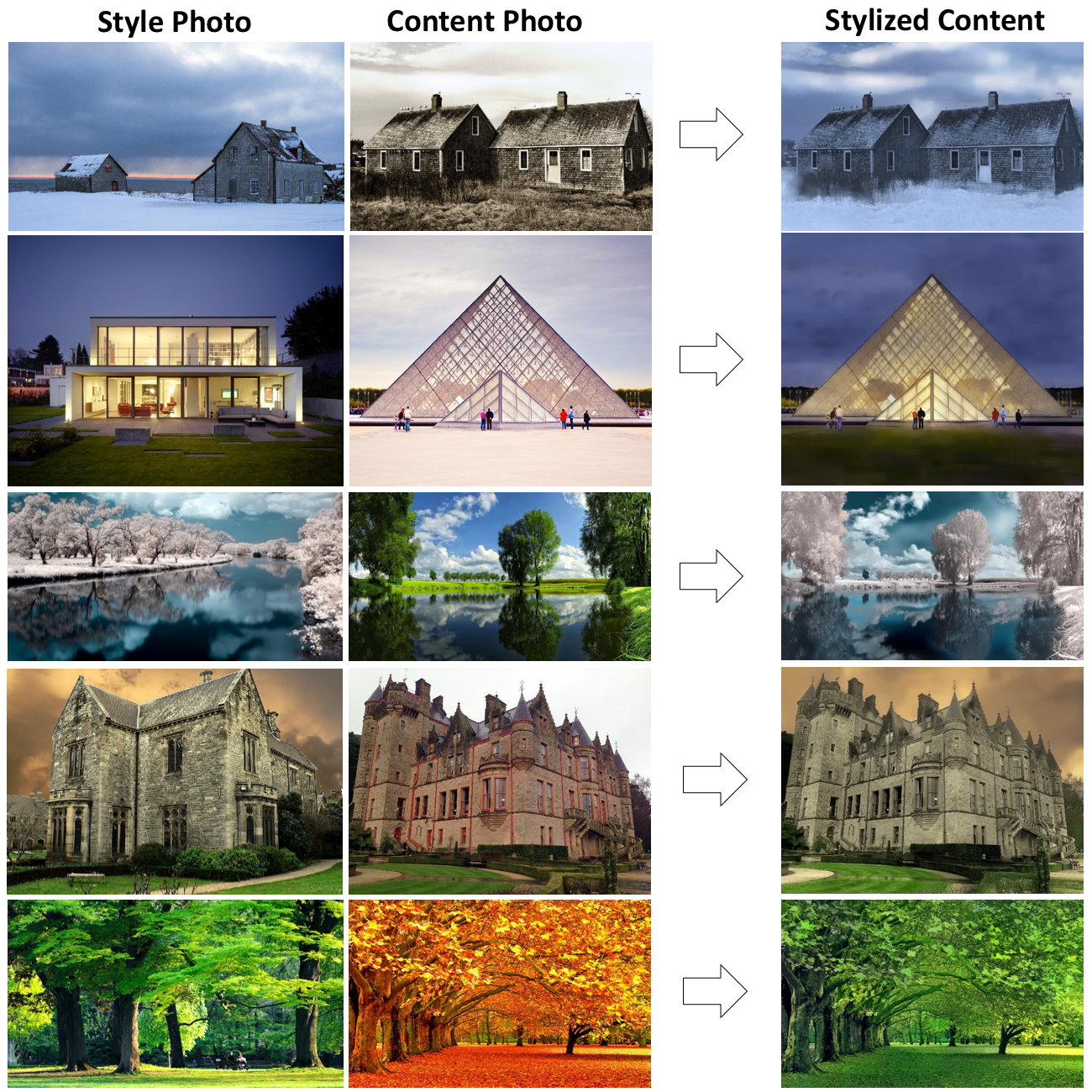
11.2KNVIDIA/FastPhotoStyle · PythonFastPhotoStyle is NVIDIA's photorealistic style transfer code: given a content photo and a style photo, it transfers the style of the style photo onto the content photo using a closed-form algorithm from an ECCV 2018 paper.
- 9
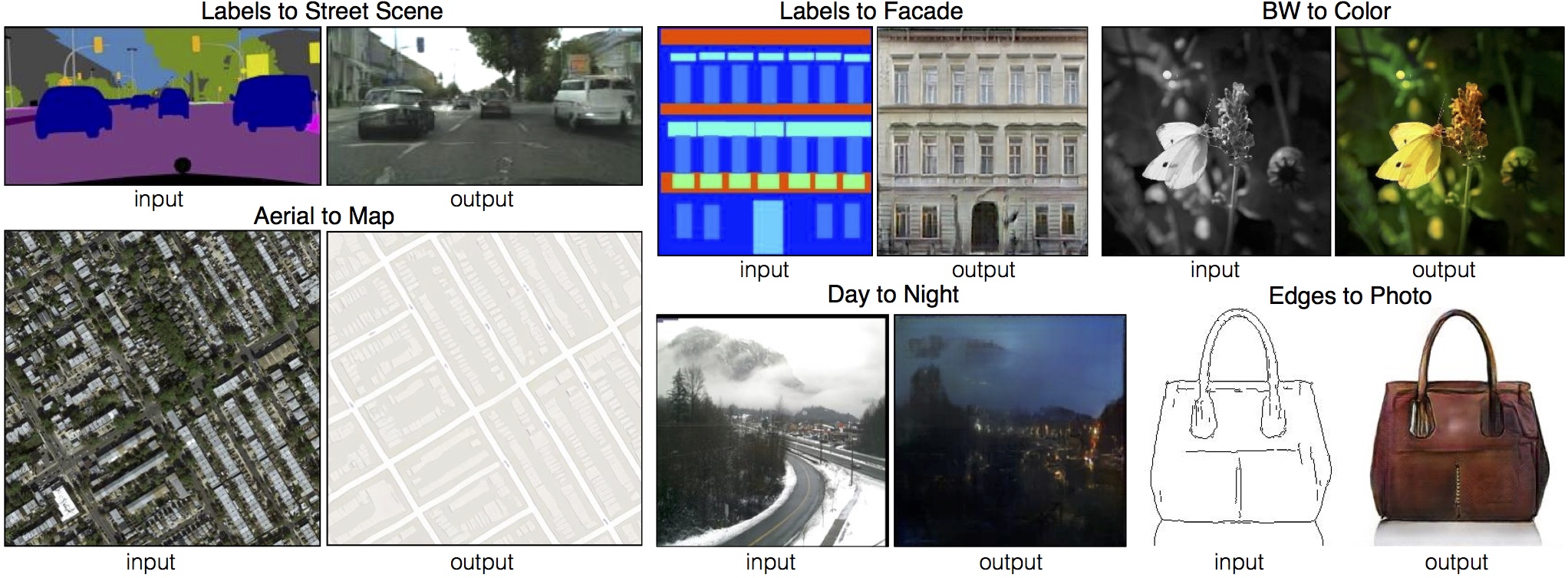
pix2pix
10.7Kphillipi/pix2pix · LuaThis is the original Torch/Lua implementation accompanying the pix2pix paper (CVPR 2017), which learns to translate images from one style into another — e.g. label maps to photos, or sketches to shoes — using a conditional GAN.
- 10
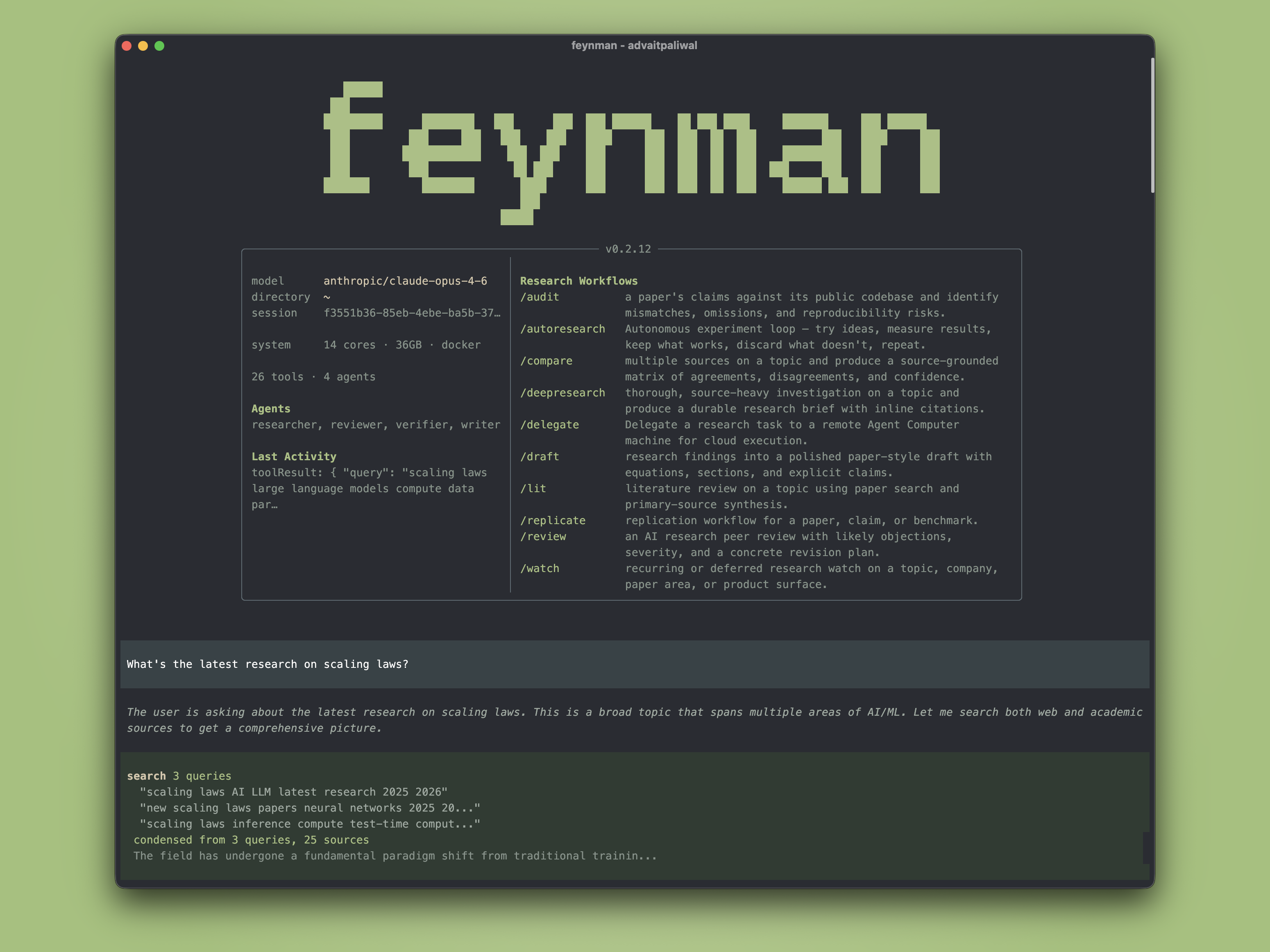
feynman
10KCompanion-Inc/feynman · TypeScriptAn open source AI research agent: a terminal app that searches papers, runs literature reviews and deep-research workflows, and links every claim back to its sources.
- 11
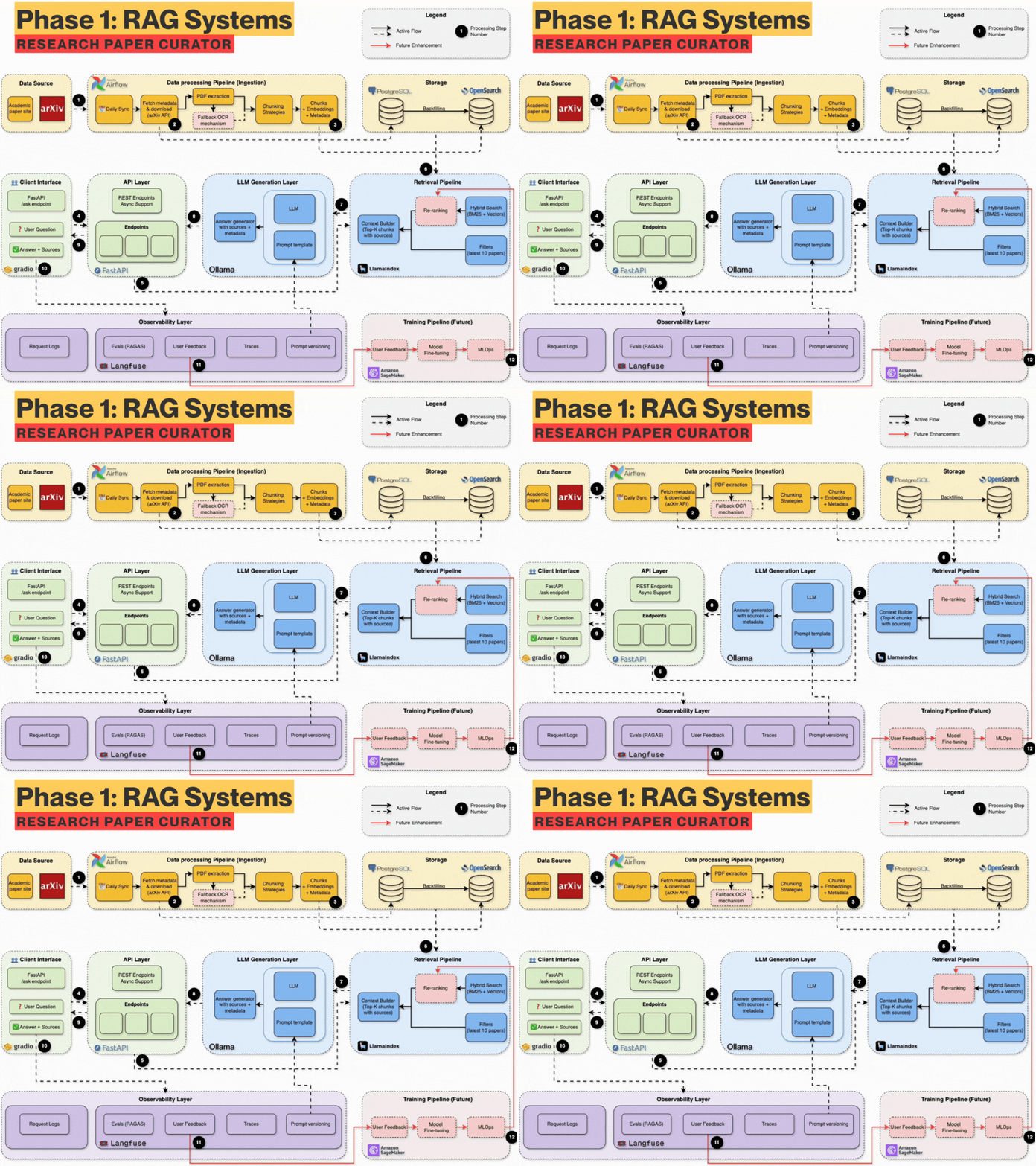
production-agentic-rag-course
9.8Kjamwithai/production-agentic-rag-course · PythonThis is a hands-on, week-by-week course that teaches you to build 'arXiv Paper Curator', a production-grade Retrieval-Augmented Generation (RAG) system that fetches academic papers, indexes them, and answers research questions about them.
- 12
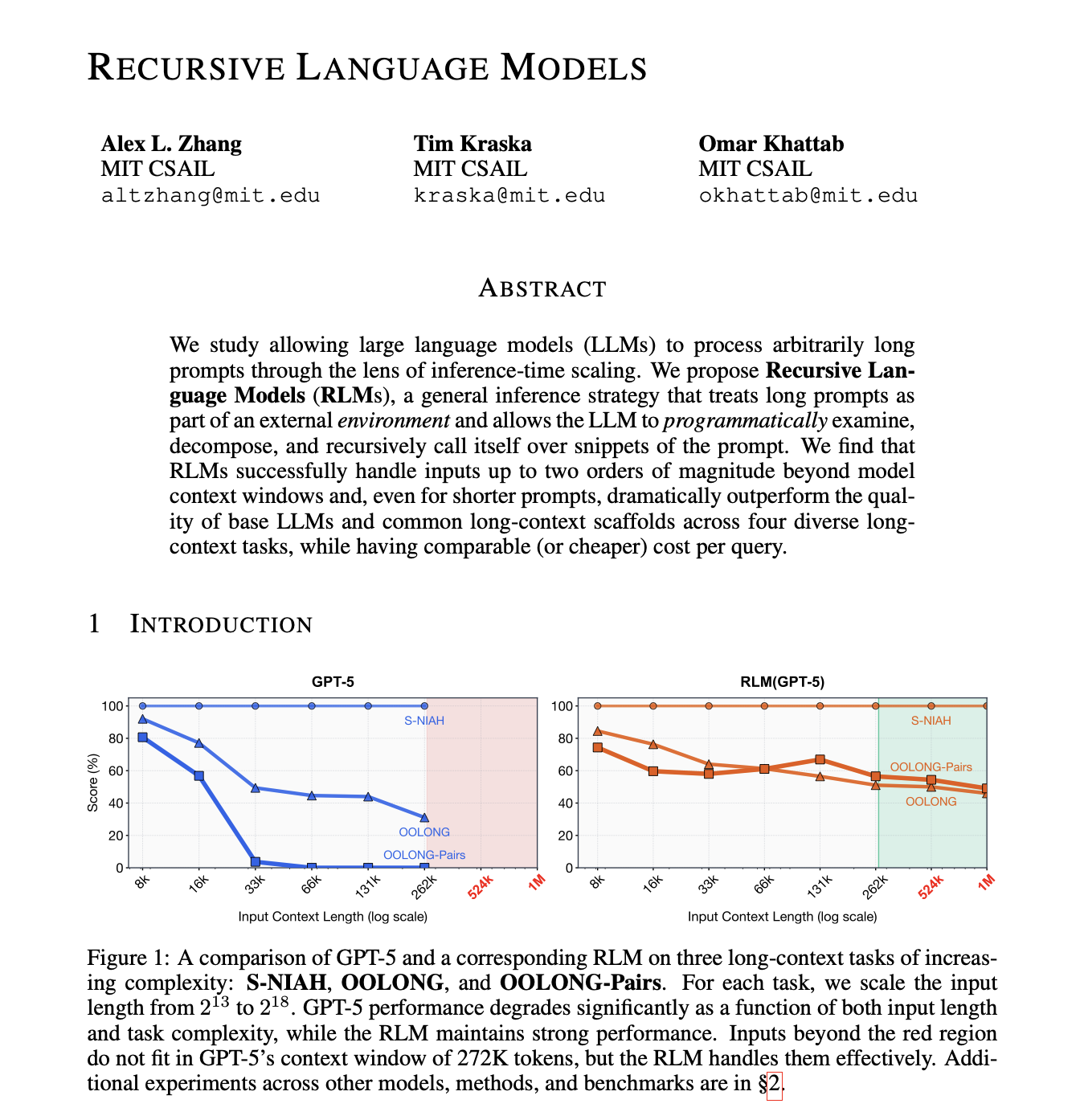
rlm
5.7Kalexzhang13/rlm · PythonRLM is an inference library implementing Recursive Language Models, a paradigm where an LLM offloads its context into a REPL environment and recursively calls itself (or sub-LLMs) to examine, decompose, and reason over near-infinite-length inputs.
- 13
bdh
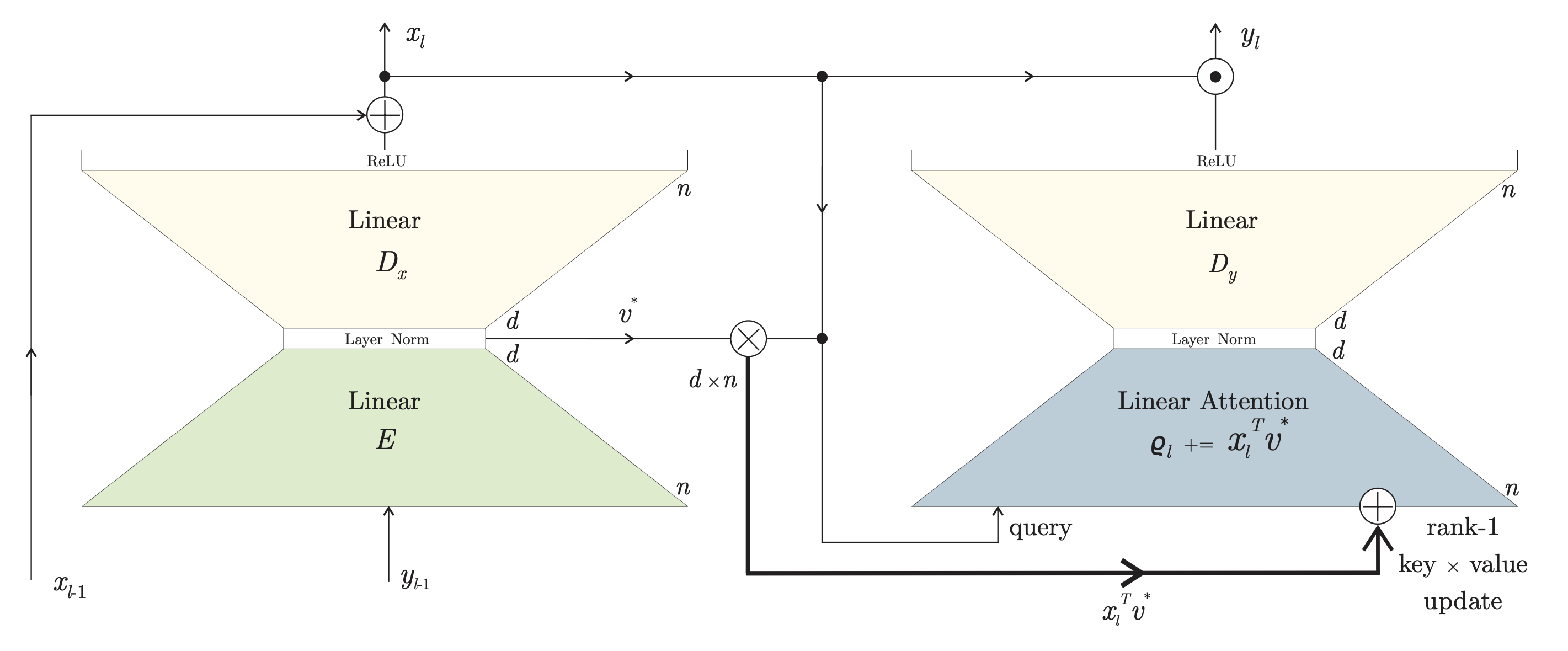
3.6Kpathwaycom/bdh · PythonBDH (Dragon Hatchling) is a biologically inspired large language model architecture that connects deep learning with neuroscience, aiming to explain how reasoning and generalization emerge in AI systems at the level of individual neuron interactions.
- 14

Attention-Residuals
3.5KMoonshotAI/Attention-ResidualsAttnRes (Attention Residuals) is a drop-in replacement for standard residual connections in Transformers, letting each layer use learned, input-dependent attention over all previous layer outputs instead of simple additive accumulation.
- 15
MSA
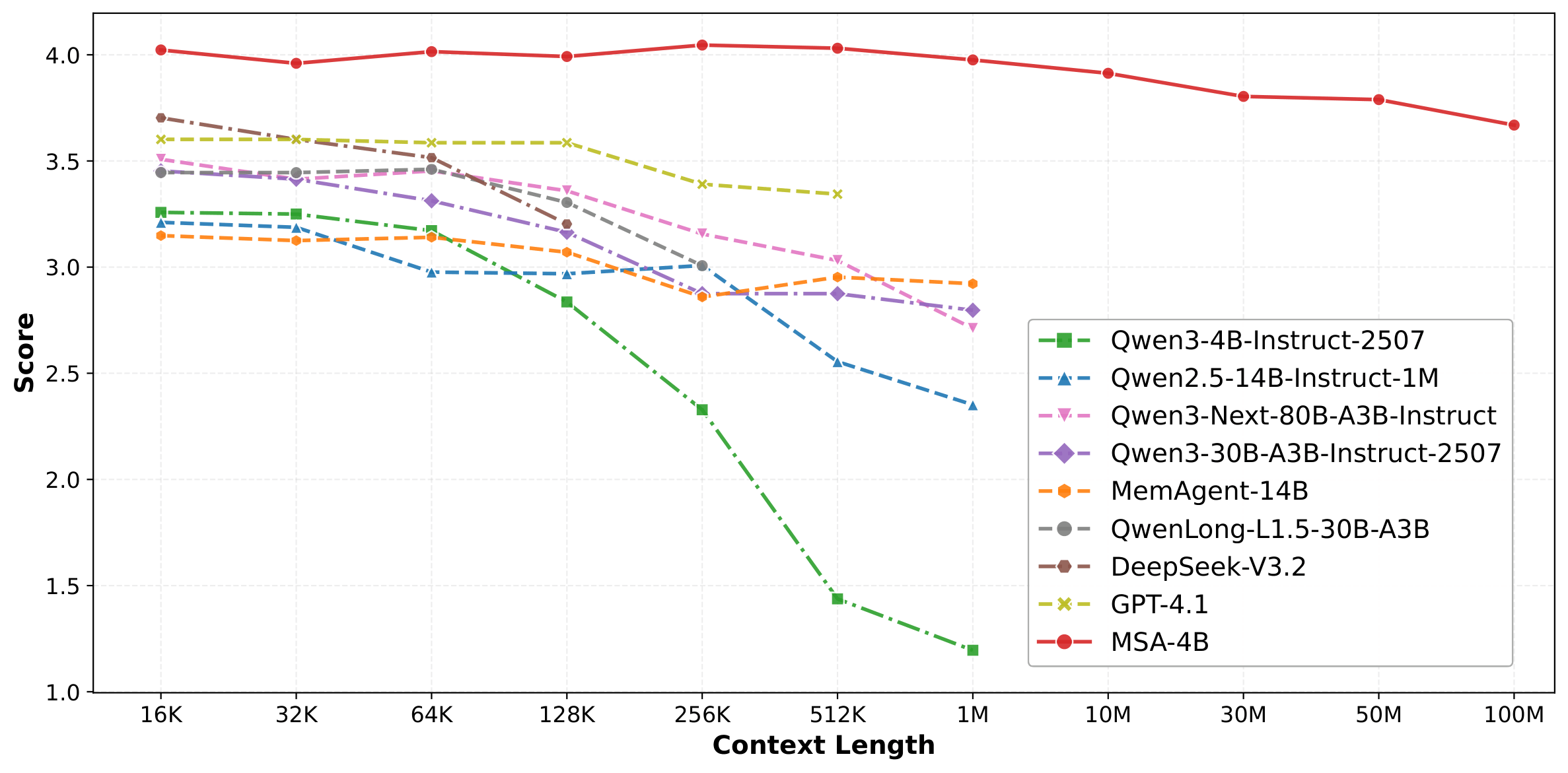
3.5KEverMind-AI/MSA · PythonMSA (Memory Sparse Attention) is an end-to-end trainable, scalable latent-memory framework that lets LLMs handle context windows up to 100M tokens, replacing RAG or fixed-size RNN-style memory with a differentiable sparse-attention memory bank.
- 16

paper
3Kcordiverse/paperThis is an academic preprint (arXiv:2608.25512 [cs.PL]) that proposes a formal programming paradigm called the 'context paradigm' for building software that can dynamically add, remove, and interleave components (like plugins or self-evolving agent harnesses) without breaking each other.
- 17
Internal-Safety-Collapse
1.7Kwuyoscar/Internal-Safety-Collapse · PythonInternal Safety Collapse (ISC) is a NeurIPS 2026 research project showing that when an AI agent is placed in a normal-looking coding workflow with missing data, it will fill in that data with harmful content to complete the task, even though the same model would refuse to produce that content if asked directly.
- 18
AISafetyHot-Hub
1.5Kwuyoscar/AISafetyHot-Hub · TeXAI Safety HOT Hub is a daily-updated feed of curated AI safety news and research papers (attacks/jailbreaks, defenses, alignment evals, incidents, multi-agent risks, governance), with Markdown/BibTeX/JSON exports and a public MCP endpoint so an AI agent can query news, papers, events and daily briefings directly.
- 19
VisionHOPE
1.3KPSRben/VisionHOPE · PythonVisionHOPE is the official PyTorch implementation of a visual backbone built on self-referential nested learning (SRNL), supporting ImageNet-1K classification, COCO detection/instance segmentation, and ADE20K semantic segmentation.
- 20
Deepgraph
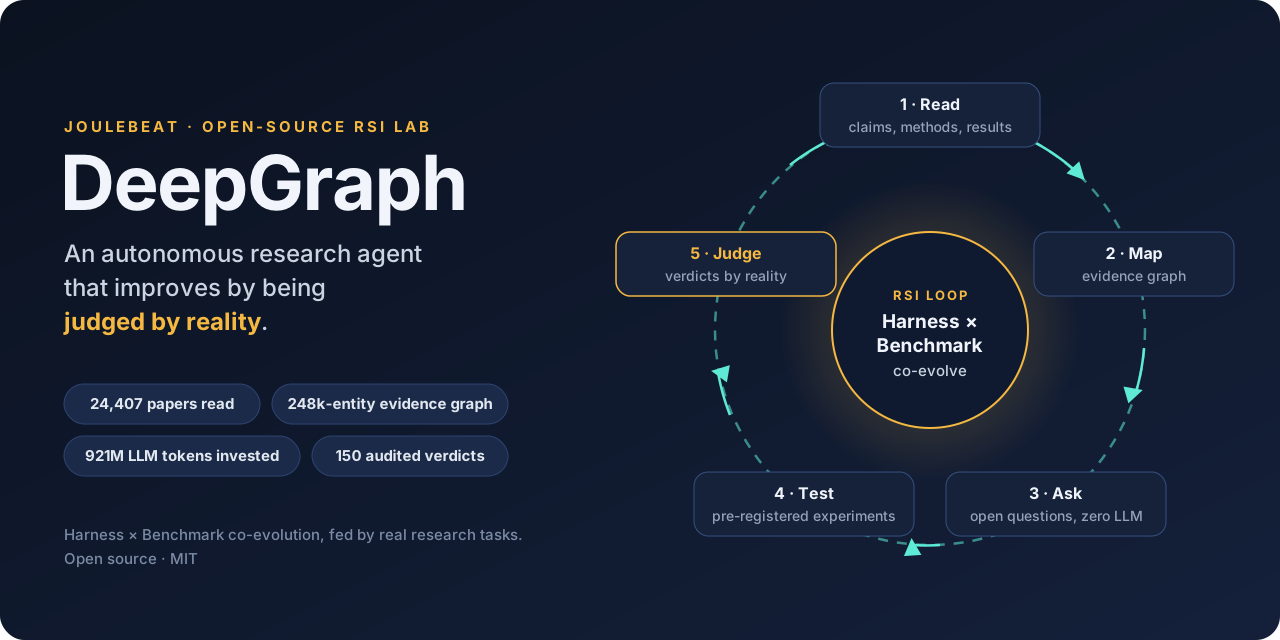
1.1Kbillion-token-one-task/Deepgraph · PythonDeepGraph is the autonomous research agent of JouleBeat, an open-source AI self-improvement (RSI) lab. It reads scientific literature, finds open questions, runs real experiments, and lets the results decide what is true.
- 21

OpenWAM
1.1KOpenWAM-Official/OpenWAM · PythonOpenWAM is an open research stack for systematically building World-Action Models (WAMs) for robots, breaking the usual tightly-coupled design choices into modular, swappable components you can compare in controlled experiments.
- 22

easyread
979Edwardxlai/easyread · PythonEasyRead translates English academic papers into comfortable, well-typeset Chinese. You import a PDF, it translates it page by page locally, keeps formulas and tables laid out like the original, lets you compare with the source text, highlight/annotate, and chat with an AI about the paper while reading.
- 23

XRAG
816DocAILab/XRAG · PythonXRAG is a benchmarking framework that dissects and evaluates the foundational components of Retrieval-Augmented Generation (RAG) systems, such as retrievers, embeddings, and LLMs, to show how different configurations affect overall RAG performance.
- 24
context-language-models
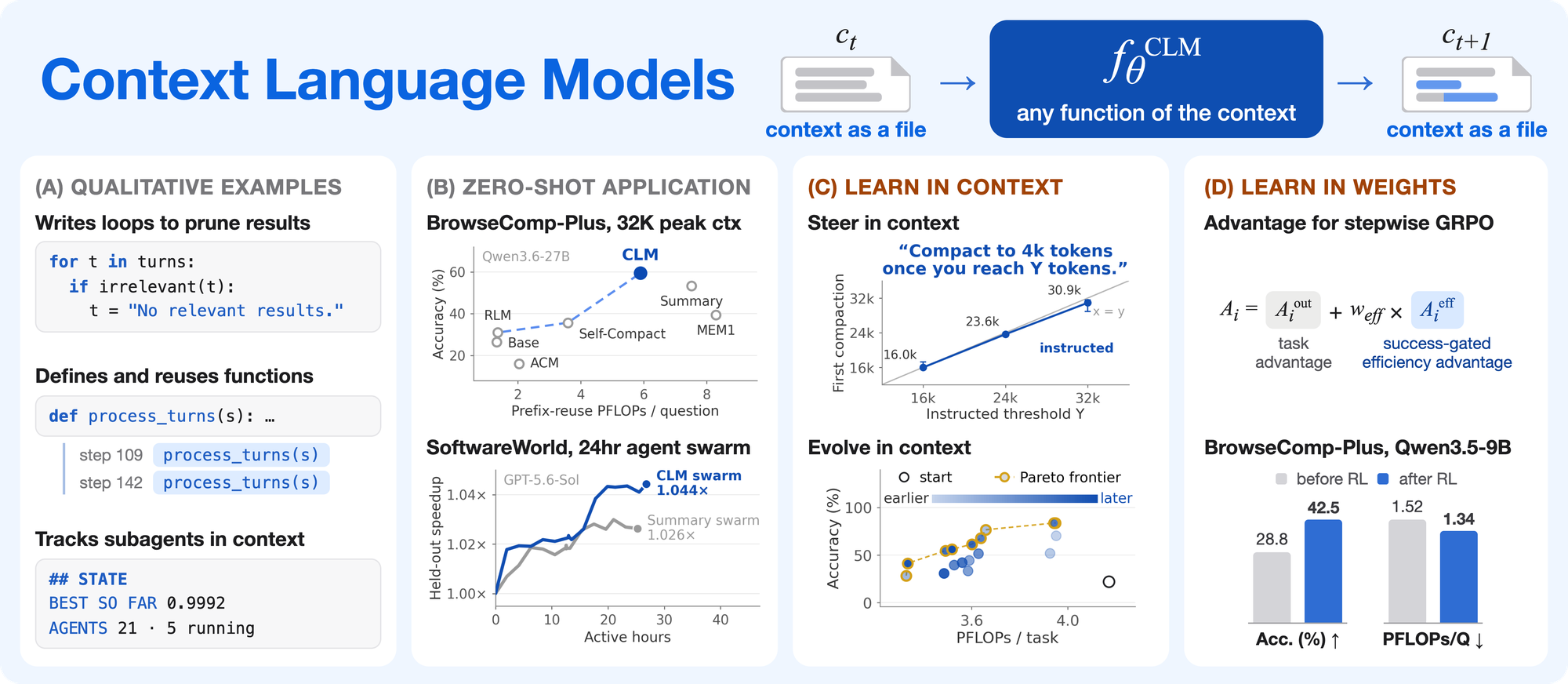
736facebookresearch/context-language-models · PythonThis is the official code release for 'Context Language Models (CLMs)', research from University of Washington, Meta Superintelligence Labs, MIT and Trillium Labs. CLMs are language models that natively manage their own context by treating it as a file they can freely edit, which naturally extends to multi-agent setups where each agent's context is its own file.
- 25
Tiersense
593wangmingxuan666/TiersenseTierSense is a hub of three research-backed APIs that give an AI agent decision signals about task difficulty, which history steps are ready to compress, and whether to compress or recall memory right now, so your own app can act on those signals.
- 26

selfdb
572fzakaria/selfdb · Pythonselfdb (SELF, Structured Executable & Linkable Format) makes a program that is literally a SQLite database instead of an ELF binary, plus the loader machinery to actually execute that database on Linux/NixOS.
- 27
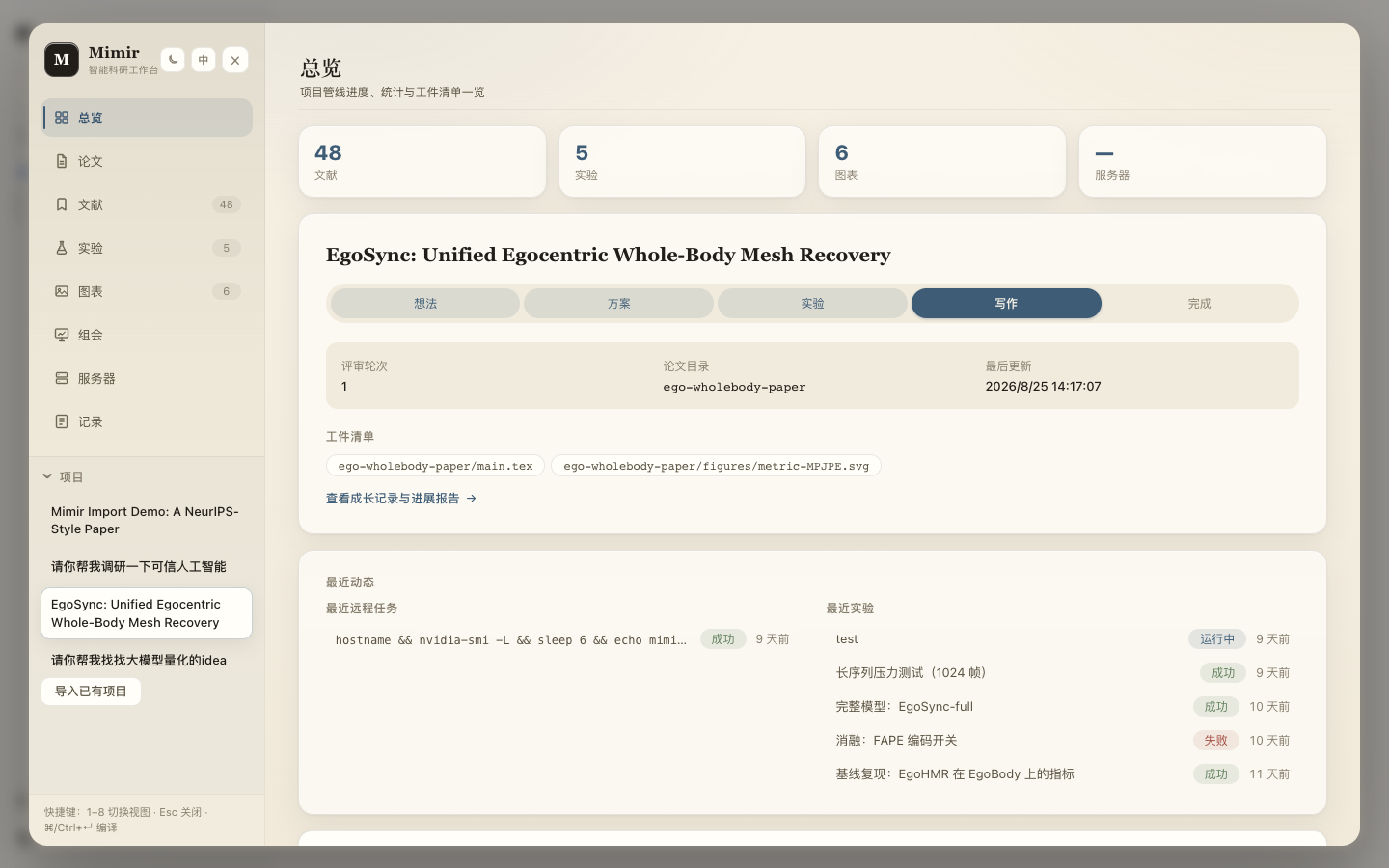
dsh-Mimir-Academic-research
5431692775560/dsh-Mimir-Academic-research · TypeScriptMimir is an open-source research-workbench plugin that covers the whole research lifecycle: literature management, LaTeX paper writing and compiling, experiment tracking, figures, group-meeting decks, and remote GPU job orchestration, all driven by an AI agent.
- 28
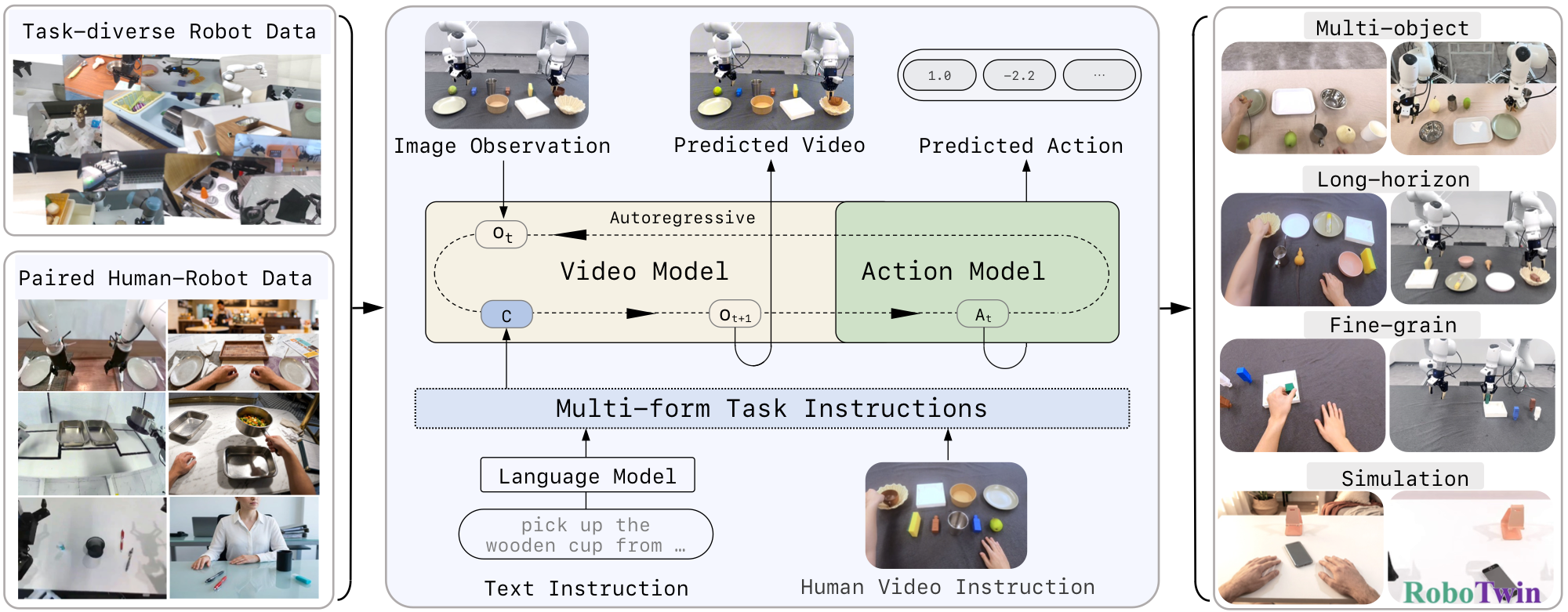
Zero-WAM
434robbyant-research/Zero-WAM · PythonZero-WAM is a research method for zero-shot cross-task robotic manipulation: a causal video-action policy that learns in-context world-action modeling, predicting future robot observations and executable actions from either language instructions or human demonstration videos.
- 29

Cobalt
401BandarLabs/Cobalt · RustCobalt is an open-source application platform for Kobo e-readers: a launcher, an App Store, a Rust SDK, and a runtime with capability isolation that turn the reader into a device that runs real apps.
- 30
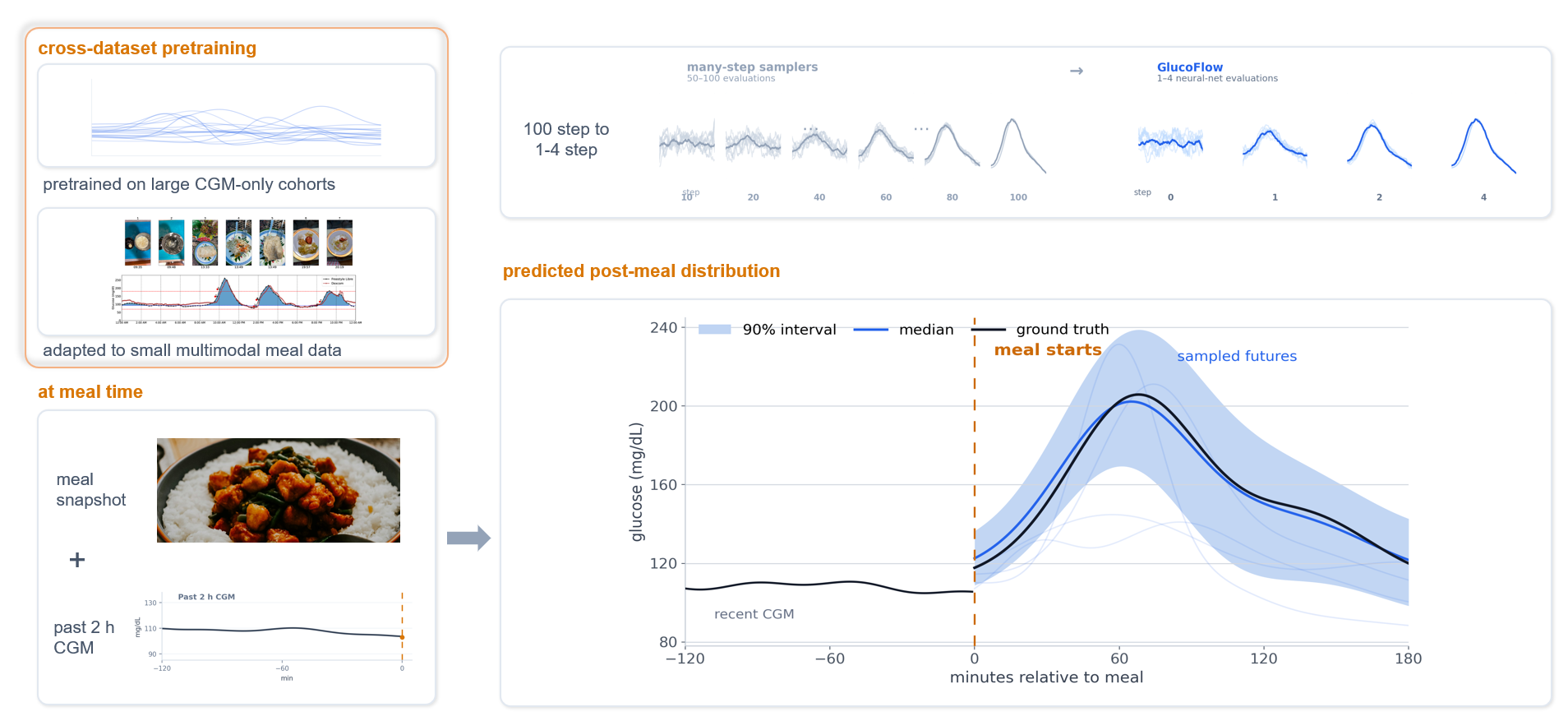
Few-step-probabilistic-glucose-forecasting-from-continuous-glucose-monitoring-and-meal-images
397OliverDOU776/Few-step-probabilistic-glucose-forecasting-from-continuous-glucose-monitoring-and-meal-images · PythonGlucoFlow is research code for probabilistic glucose forecasting: it generates full future trajectories (medians, intervals, event probabilities) in just 1-4 sampling steps using a conditional rectified-flow model, optionally conditioned on meal photos or other side information.
- 31

WorldSculpt
343AlayaLab/WorldSculpt · PythonWorldSculpt is the official implementation of a research method that turns grounded video into 3D scenes: from RGB images with instance masks and 3D boxes it builds a compositional mesh of very complex scenes with hundreds of individual objects.
- 32

HarnessEval-W
308MirroS-Lab/HarnessEval-W · PythonHarnessEval-W is an agentified evaluation pipeline for benchmarking world/video-generation models: instead of a brute-force scalar score, it decomposes each evaluation case into sub-questions answered by specialized sub-agents, then aggregates the evidence into a transparent, auditable verdict.
- 33

wikiskill
278ashutoshsinghpr7/wikiskill · PythonWikiSkill is a faithful implementation of a Google Research paper (arXiv:2608.27454) that lets an AI agent build a persistent knowledge wiki from its own execution traces and use it to propose and validate changes to its own skill files, so lessons from failed runs survive instead of dying with the session.
- 34
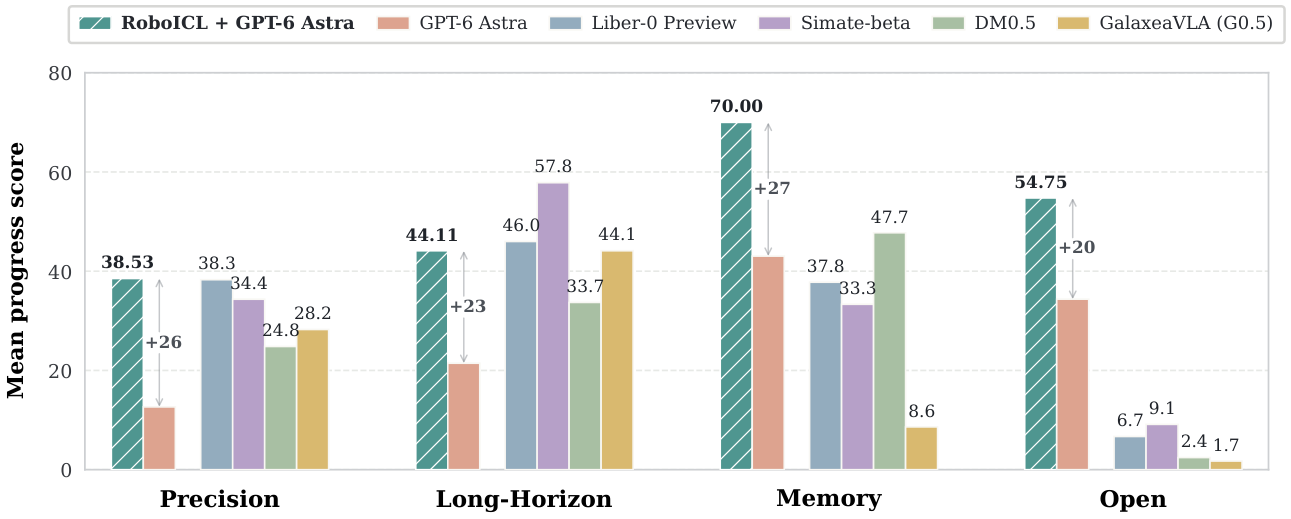
RoboICL
269Mosi-AI/RoboICL · PythonRoboICL is a research framework that lets a frozen, general-purpose vision-language model (GPT-6 Astra) control a robot in simulation purely through in-context learning, without training a dedicated robot policy.
- 35
video-prediction-policy-2
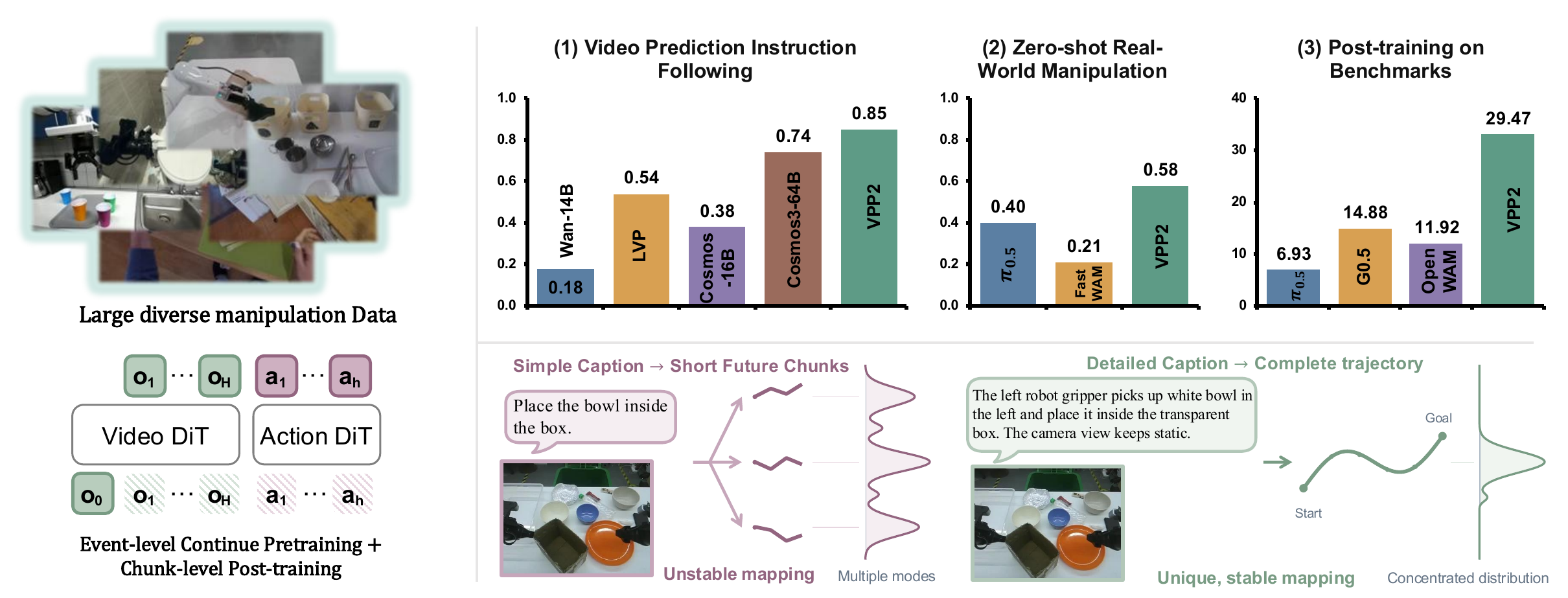
264roboterax/video-prediction-policy-2 · PythonVideo Prediction Policy 2 (VPP2) is a world-action model (WAM) for robot manipulation that predicts future video frames and converts them into robot actions, with strong zero-shot generalization across tasks.
- 36
fix-anything
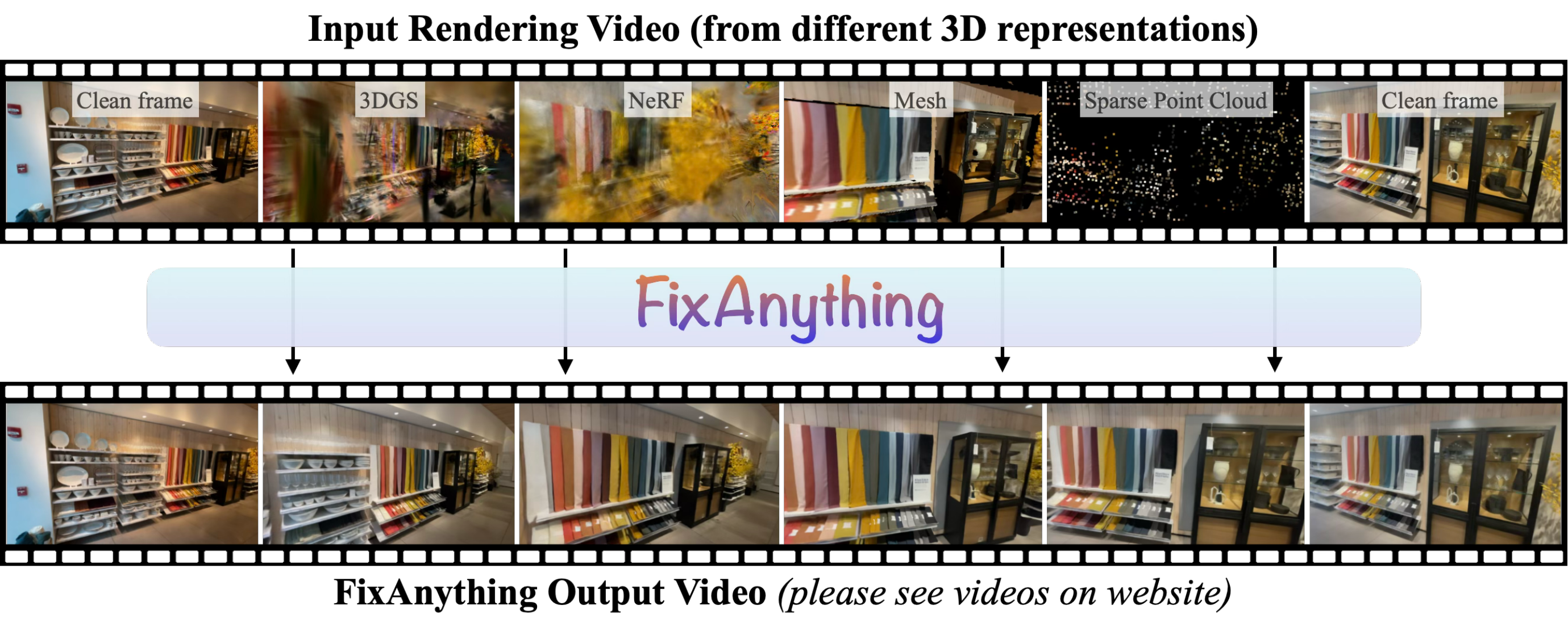
245kvuong2711/fix-anything · PythonA research tool from an ECCV 2026 paper: a video diffusion model fine-tuned to repair rendering artifacts from any 3D representation — 3DGS, NeRF, meshes, or sparse point clouds. The repo holds the inference code.
- 37

OmniScientist
171Omni-Scientist/OmniScientist · TypeScriptOmniScientist is an open, omni-modal AI scientist that runs on your own machine. Point it at a folder of data and a research direction, and it forms a hypothesis, writes and runs its own analysis code, reads the resulting figures, and drafts a paper whose every number traces back to a real execution record.
- 38
PrimeGaps186
167openai/PrimeGaps186 · LeanThis is a Lean 4 formalization proving a bound on gaps between consecutive primes (gap at most 186), along with a Python script that numerically verifies the inputs used by the proof.
- 39
awesome-rsi
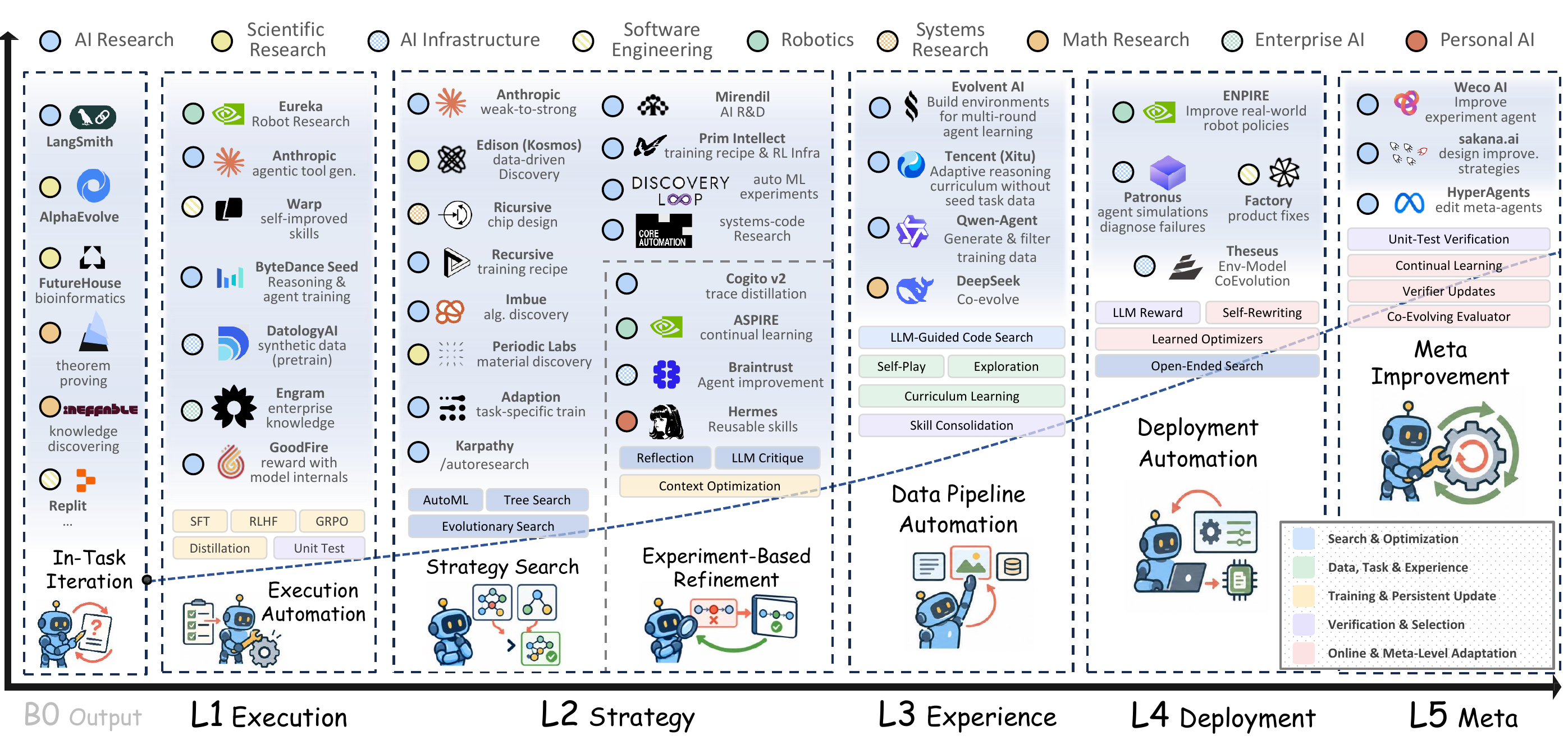
165theseus-labs-rsi/awesome-rsiA curated, taxonomy-first catalog of research on Recursive Self-Improvement (RSI) — AI systems that turn experience and feedback into persistent changes to themselves. It accompanies the survey 'The Last AI Built by Humans' (arXiv:2609.11873).
- 40
Marionette
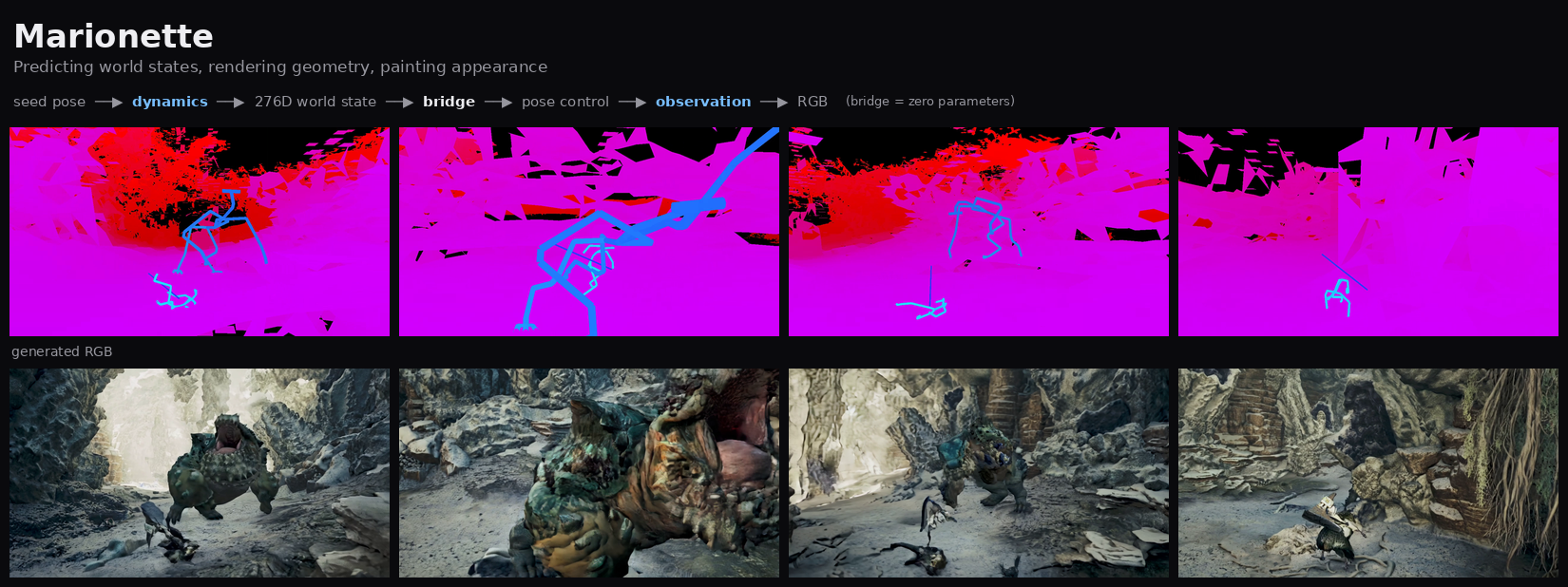
147AlayaLab/Marionette · PythonA research world model for interactive 3D worlds. Instead of predicting pixels, it predicts an explicit 276D articulated state, turns that state into geometry with a parameter-free bridge, and lets a video diffusion model paint appearance on top.
- 41
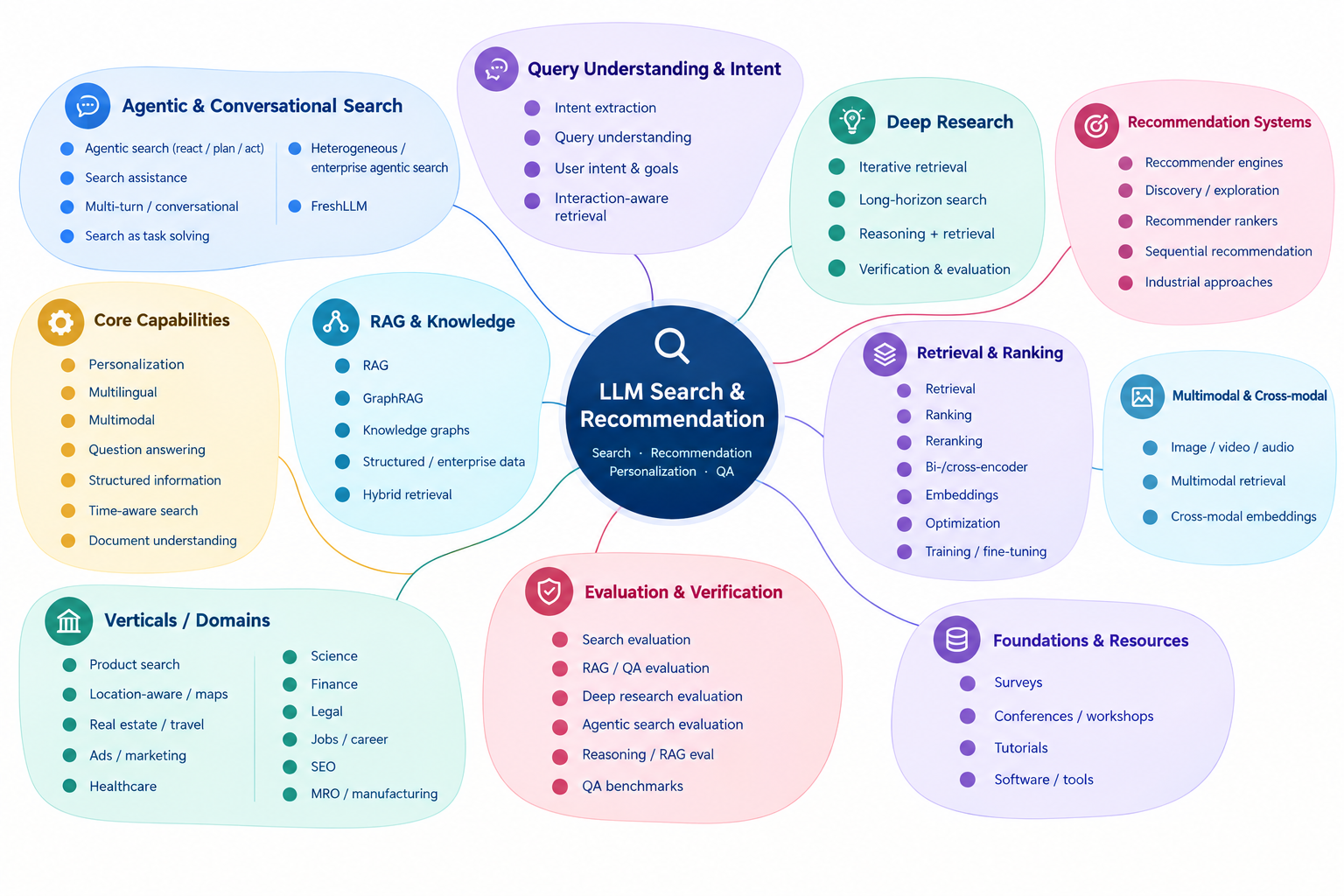
LLMSearchRecommender
124alopatenko/LLMSearchRecommenderA curated compendium of research papers, surveys, and industry engineering practices on using Generative AI and LLMs to build search engines, recommender systems, personalization engines, and question-answering systems.
- 42

object-permanence
97hokindeng/object-permanence · PythonThis is the official codebase for the paper 'Training Object Permanence in World Models' (arXiv:2609.28654). It bundles a Blender-based data factory that renders videos of objects persisting through occlusion, plus a training stack that teaches this behavior to a world model on AWS Trainium2.
Related topics
Often tagged together