What is this?
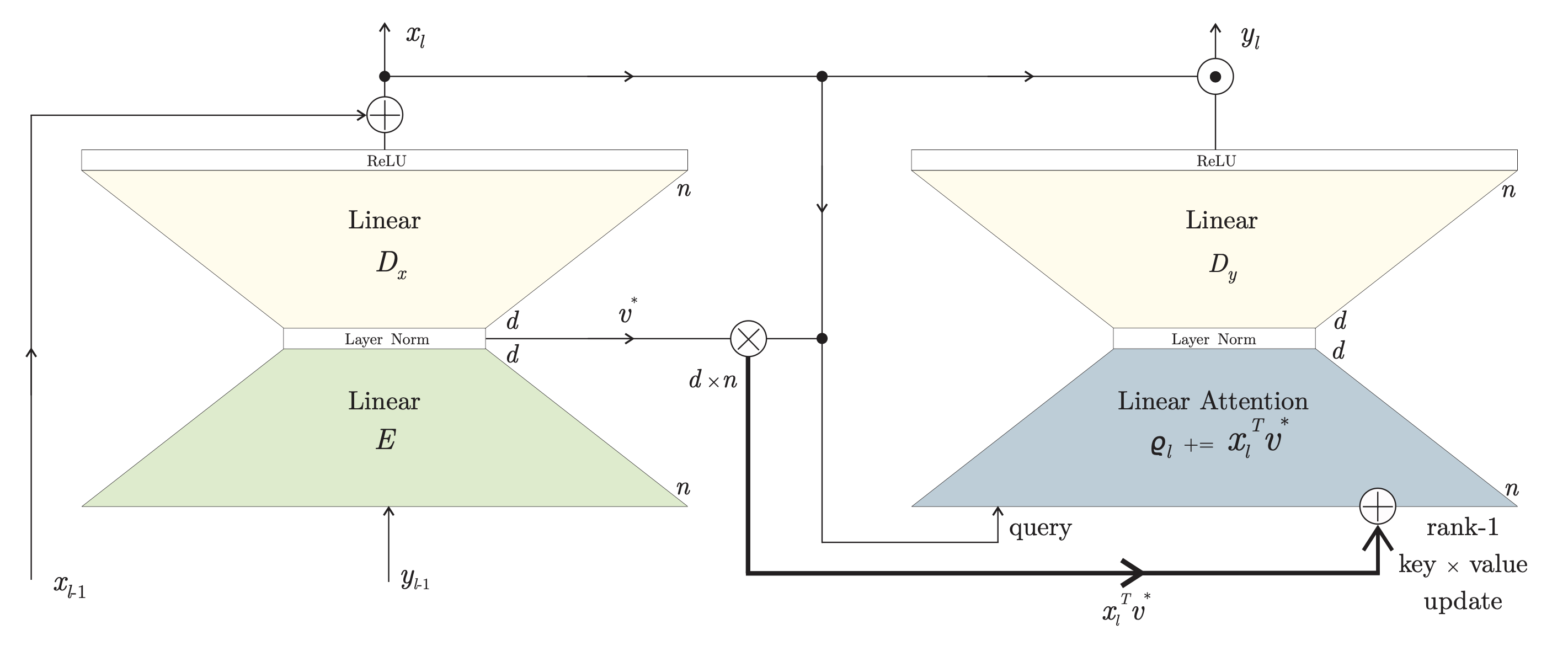
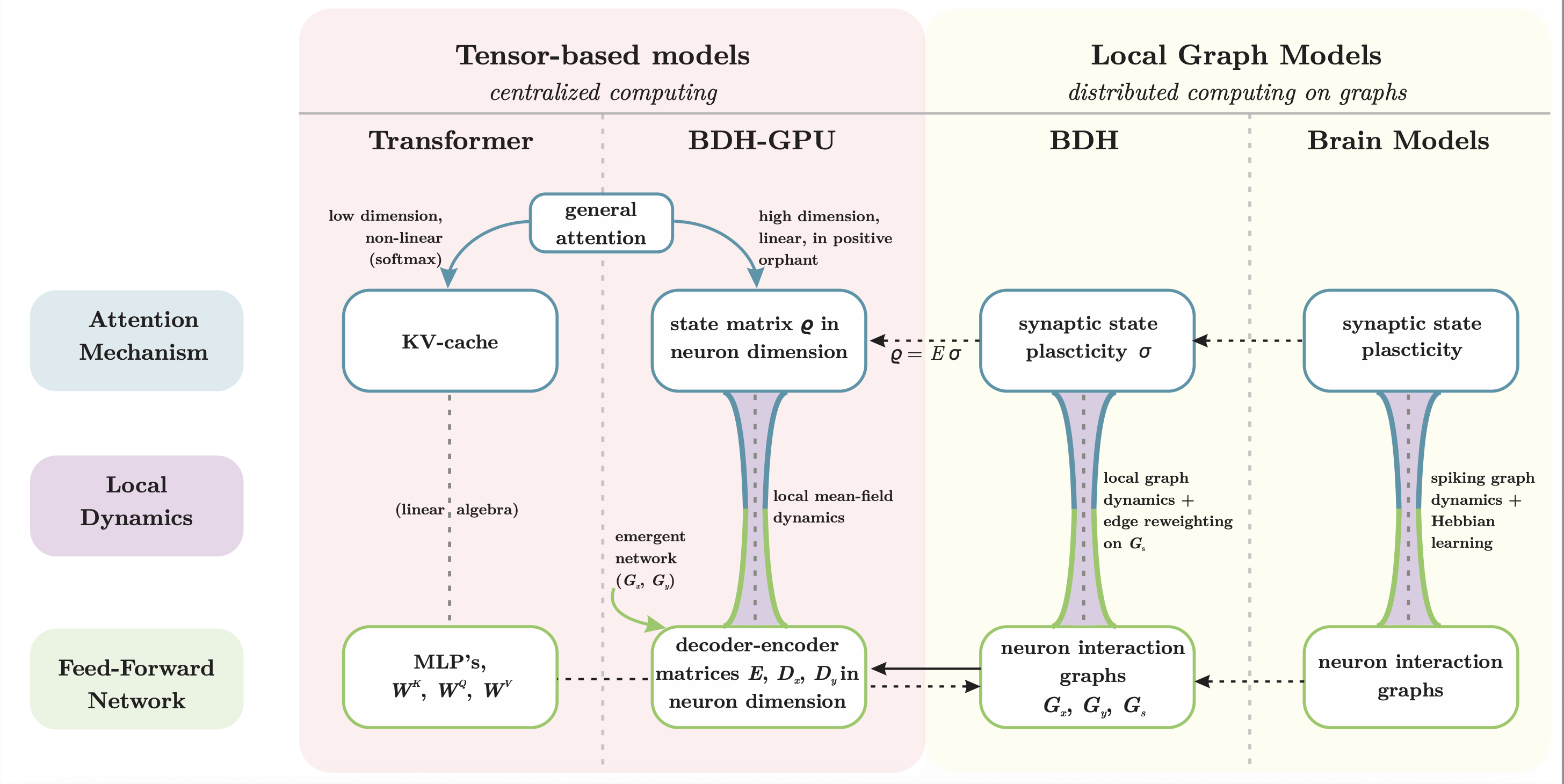
 BDH (Dragon Hatchling) is a biologically inspired large language model architecture that connects deep learning with neuroscience, aiming to explain how reasoning and generalization emerge in AI systems at the level of individual neuron interactions.
BDH (Dragon Hatchling) is a biologically inspired large language model architecture that connects deep learning with neuroscience, aiming to explain how reasoning and generalization emerge in AI systems at the level of individual neuron interactions.Is this a pre-trained model I can download, or source code for an architecture?This is the official source code implementing the BDH architecture described in the paper, not a downloadable pre-trained checkpoint; you train and experiment with it yourself.
This is the official source code implementing the BDH architecture described in the paper, not a downloadable pre-trained checkpoint; you train and experiment with it yourself.Does this repo reproduce the famous 97.4 percent Sudoku result?No. The published 97.4 percent Sudoku Extreme result comes from Pathway's internal BDH implementation; this open-source repo only contains the baseline variant and does not reproduce that benchmark out of the box.
No. The published 97.4 percent Sudoku Extreme result comes from Pathway's internal BDH implementation; this open-source repo only contains the baseline variant and does not reproduce that benchmark out of the box.What makes BDH more interpretable than a standard Transformer?BDH uses locally interacting neuron particles with excitatory/inhibitory dynamics and Hebbian working memory that produce sparse, positive, monosemantic activations, in contrast to the opaque attention patterns of standard Transformers.
BDH uses locally interacting neuron particles with excitatory/inhibitory dynamics and Hebbian working memory that produce sparse, positive, monosemantic activations, in contrast to the opaque attention patterns of standard Transformers.How does BDH's performance compare to GPT-2-scale Transformers?BDH empirically matches GPT-2-scale Transformers on language and translation tasks at equivalent parameter counts from 10M to 1B, while following similar scaling laws.
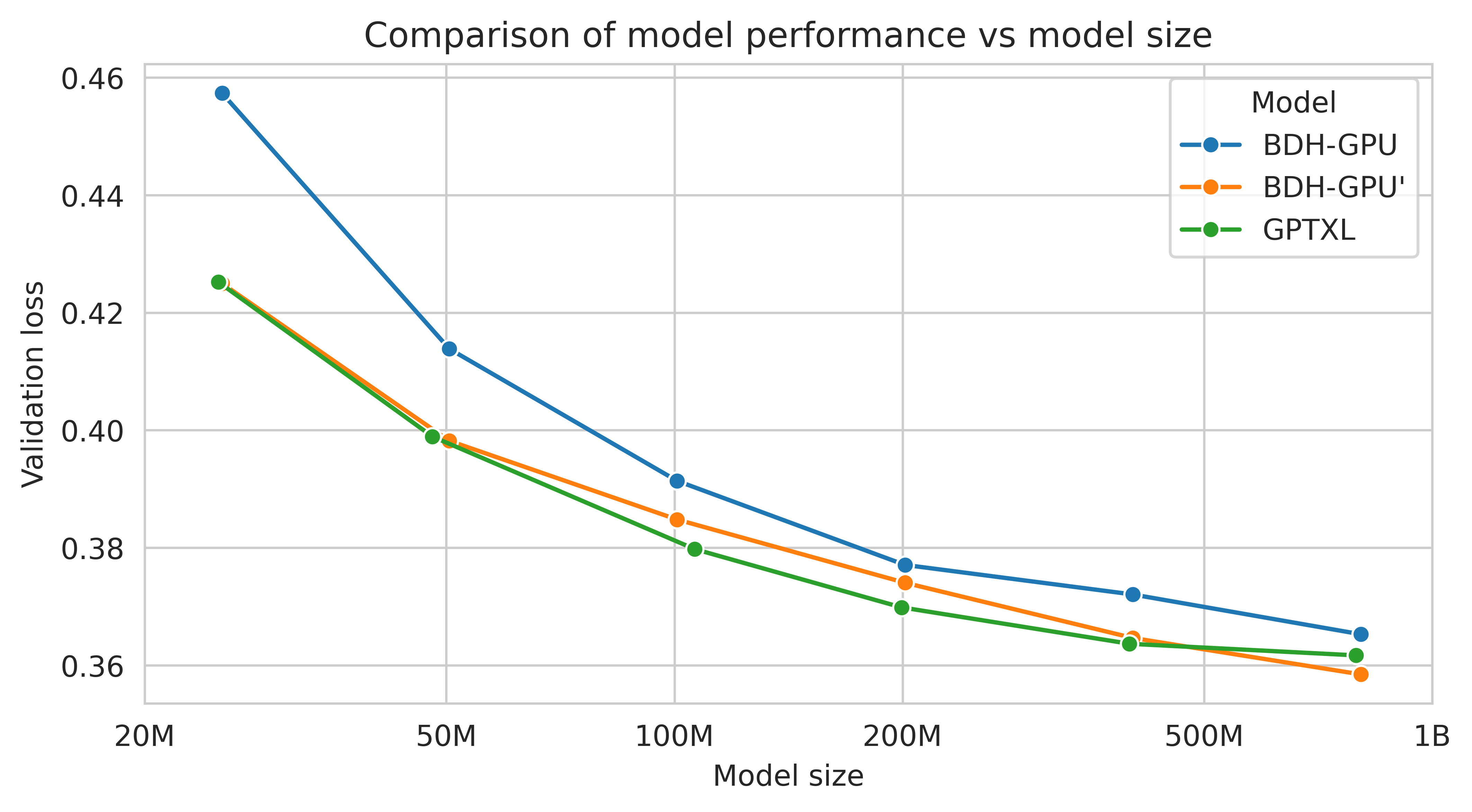
BDH empirically matches GPT-2-scale Transformers on language and translation tasks at equivalent parameter counts from 10M to 1B, while following similar scaling laws.Why did Pathway build BDH instead of just using Transformers?The authors argue that token-by-token Transformers struggle with search-heavy, non-linguistic reasoning like Sudoku, so BDH was designed as a universal reasoning system with a larger latent space and intrinsic memory that works across domains without needing chain-of-thought.
The authors argue that token-by-token Transformers struggle with search-heavy, non-linguistic reasoning like Sudoku, so BDH was designed as a universal reasoning system with a larger latent space and intrinsic memory that works across domains without needing chain-of-thought.Are there community forks or ports of BDH?Yes, community projects include a Burn framework port (mosure/burndragonhatchling), an MLX port (severian42/bdh), and forks adding dynamic vocabulary and stateful attention (adamskrodzki/bdh).
Yes, community projects include a Burn framework port (mosure/burndragonhatchling), an MLX port (severian42/bdh), and forks adding dynamic vocabulary and stateful attention (adamskrodzki/bdh).What are similar projects?Attention-Residuals, MSA, Engram, llama3-from-scratch, DMI, minGPT, gpt-2, gpt-3
Attention-Residuals, MSA, Engram, llama3-from-scratch, DMI, minGPT, gpt-2, gpt-3Which topics is it in?interpretability, arxiv, reasoning, attention-mechanism, language-model, neural-networks, paper, neural-network, academic-research, large-language-models, transformer, artificial-intelligence
interpretability, arxiv, reasoning, attention-mechanism, language-model, neural-networks, paper, neural-network, academic-research, large-language-models, transformer, artificial-intelligence