Topics / #knowledge-graph
Knowledge-graph projects on GitHub
Representing entities and relationships as graphs for search and reasoning.
As of , the most-starred Knowledge-graph projects on GitHub are graphify (127.3K stars), Understand-Anything (86.7K stars) and funNLP (83K stars). GitHub.Locker tracks 93 Knowledge-graph repositories with 1.8M stars combined. The fastest-growing on October 16 was ruflo, with +461 stars in a day.
Hot right now
Most stars gained in a day · Oct 16
 +461
+461ruflo
ruvnet/ruflo · ★ 75.8KRuflo is an agent meta-harness for Claude Code and Codex: it adds 100+ specialized agents, coordinated swarms, self-learning memory, and cross-machine federation on top of those coding agents so they can collaborate instead of running solo.
 +441
+441hindsight
vectorize-io/hindsight · ★ 50.7KHindsight is an agent memory system that helps AI agents learn over time instead of just recalling raw conversation history, aiming to outperform RAG and knowledge-graph approaches on long-term memory tasks.
 +360
+360graphify
Graphify-Labs/graphify · ★ 127.3KGraphify turns a whole codebase — plus its docs, SQL schemas, configs, and PDFs — into a queryable knowledge graph you traverse instead of grepping files.
 +251
+251MiroFish
666ghj/MiroFish · ★ 79.8KMiroFish is an AI-powered multi-agent simulation engine that builds a high-fidelity digital parallel world from real-world seed data (breaking news, policy drafts, financial signals) and lets thousands of independent agents interact to forecast future outcomes.
The all-time top
93 projects · by stars
- 127.3K#1 · Graphify-Labs/graphify
graphify
Graphify turns a whole codebase — plus its docs, SQL schemas, configs, and PDFs — into a queryable knowledge graph you traverse instead of grepping files.
- 86.7K
 #2 · Egonex-AI/Understand-Anything
Understand-Anything
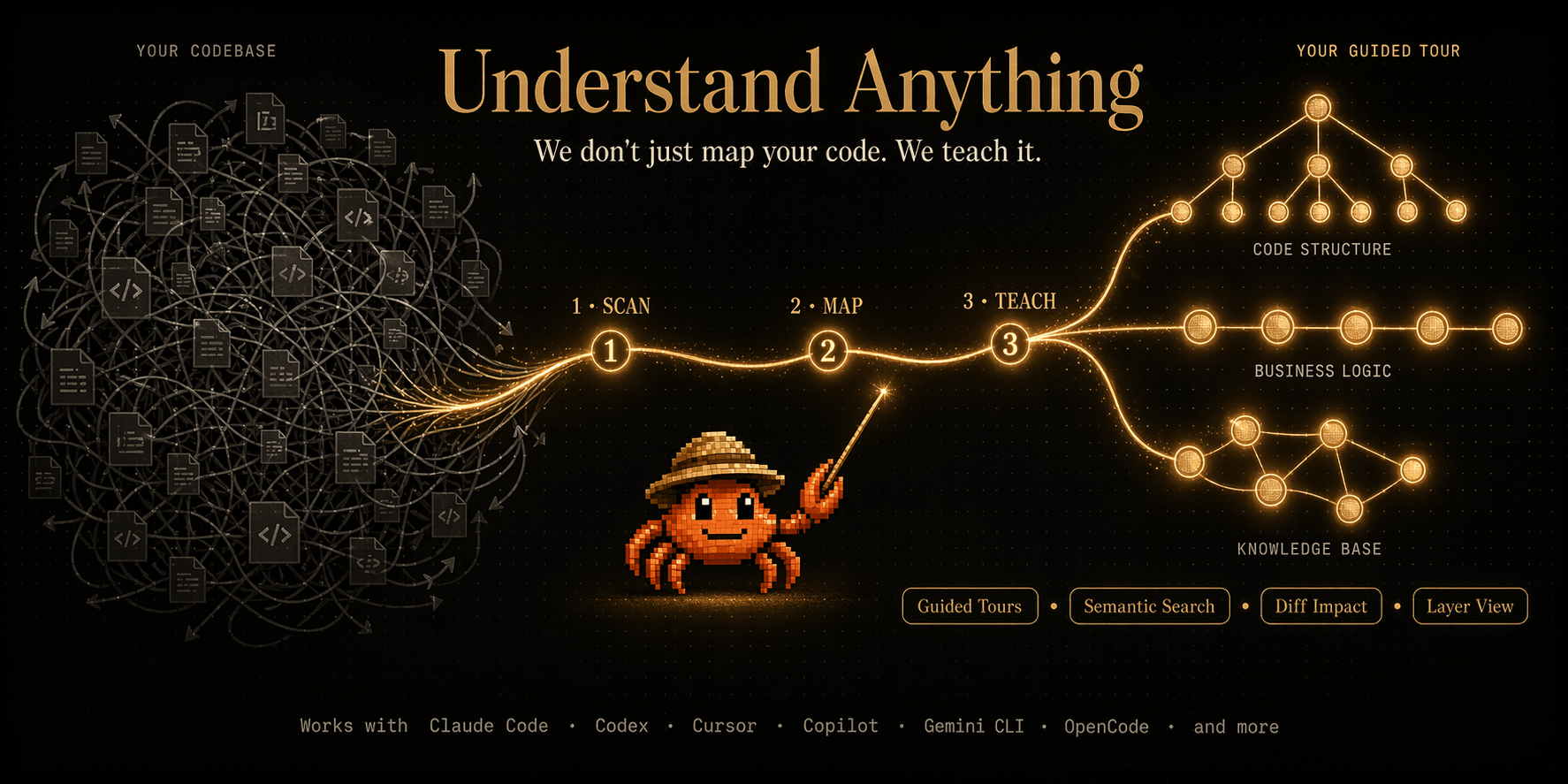
Understand Anything analyzes your codebase (or a knowledge-base/wiki) with a multi-agent pipeline and turns it into an interactive knowledge graph of every file, function, class and dependency, which you can explore in a visual dashboard.
- 83K
 #3 · fighting41love/funNLP
funNLP
A huge curated collection of Chinese NLP resources: corpora, lexicons, tools, datasets and courses. The README calls it 'The Most Powerful NLP-Weapon Arsenal' — nearly the most complete Chinese NLP resource library.
- 4
MiroFish
79.8K666ghj/MiroFish · PythonMiroFish is an AI-powered multi-agent simulation engine that builds a high-fidelity digital parallel world from real-world seed data (breaking news, policy drafts, financial signals) and lets thousands of independent agents interact to forecast future outcomes.
- 5
ruflo
75.8Kruvnet/ruflo · TypeScriptRuflo is an agent meta-harness for Claude Code and Codex: it adds 100+ specialized agents, coordinated swarms, self-learning memory, and cross-machine federation on top of those coding agents so they can collaborate instead of running solo.
- 6

codegraph
74.3Kcolbymchenry/codegraph · CCodeGraph pre-indexes your codebase into a knowledge graph of every symbol, call edge, and dependency, so AI coding agents get the exact code they need in one call instead of crawling files.
- 7
the-algorithm
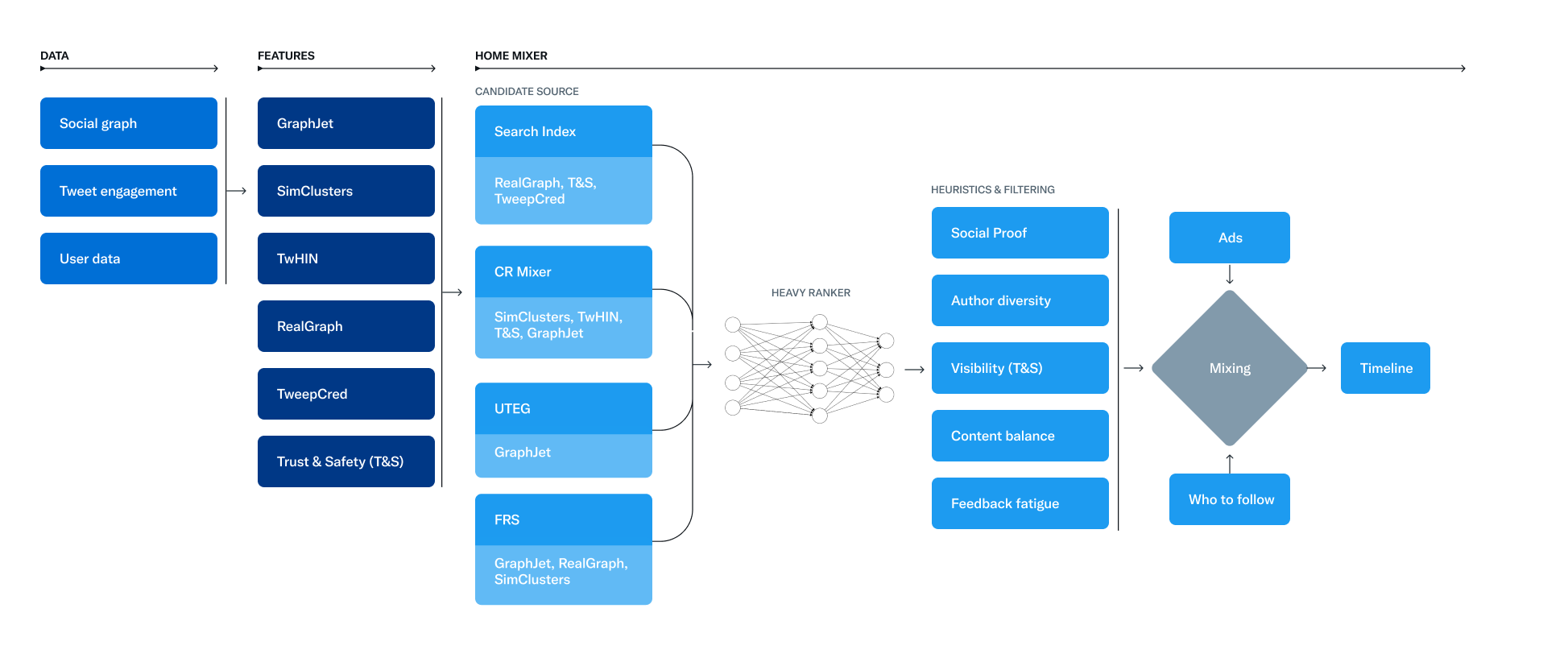
74Ktwitter/the-algorithm · ScalaThis is the actual source code for X's (Twitter's) recommendation algorithm — the collection of services and jobs that build and serve feeds like the For You Timeline, Search, Explore, and Notifications.
- 8

mempalace
59.6KMemPalace/mempalace · PythonMemPalace is a local-first AI memory system that stores conversation history as verbatim text (not summarized) and retrieves it with semantic search, so coding agents can remember past sessions.
- 9

ai-agent-book
54.6Kbojieli/ai-agent-book · PythonAn open-source book by Li Bojie taking AI agents from design principles to engineering practice, built on the formula Agent = LLM + context + tools; text, figures and labs all live in this repo.
- 10
hindsight
50.7Kvectorize-io/hindsight · PythonHindsight is an agent memory system that helps AI agents learn over time instead of just recalling raw conversation history, aiming to outperform RAG and knowledge-graph approaches on long-term memory tasks.
- 11
GitNexus
47.9Kabhigyanpatwari/GitNexus · TypeScriptIt indexes any codebase into a knowledge graph — dependencies, call chains, clusters, execution flows — and serves it to AI coding agents via MCP tools so they stop making blind edits.
- 12
codebase-memory-mcp
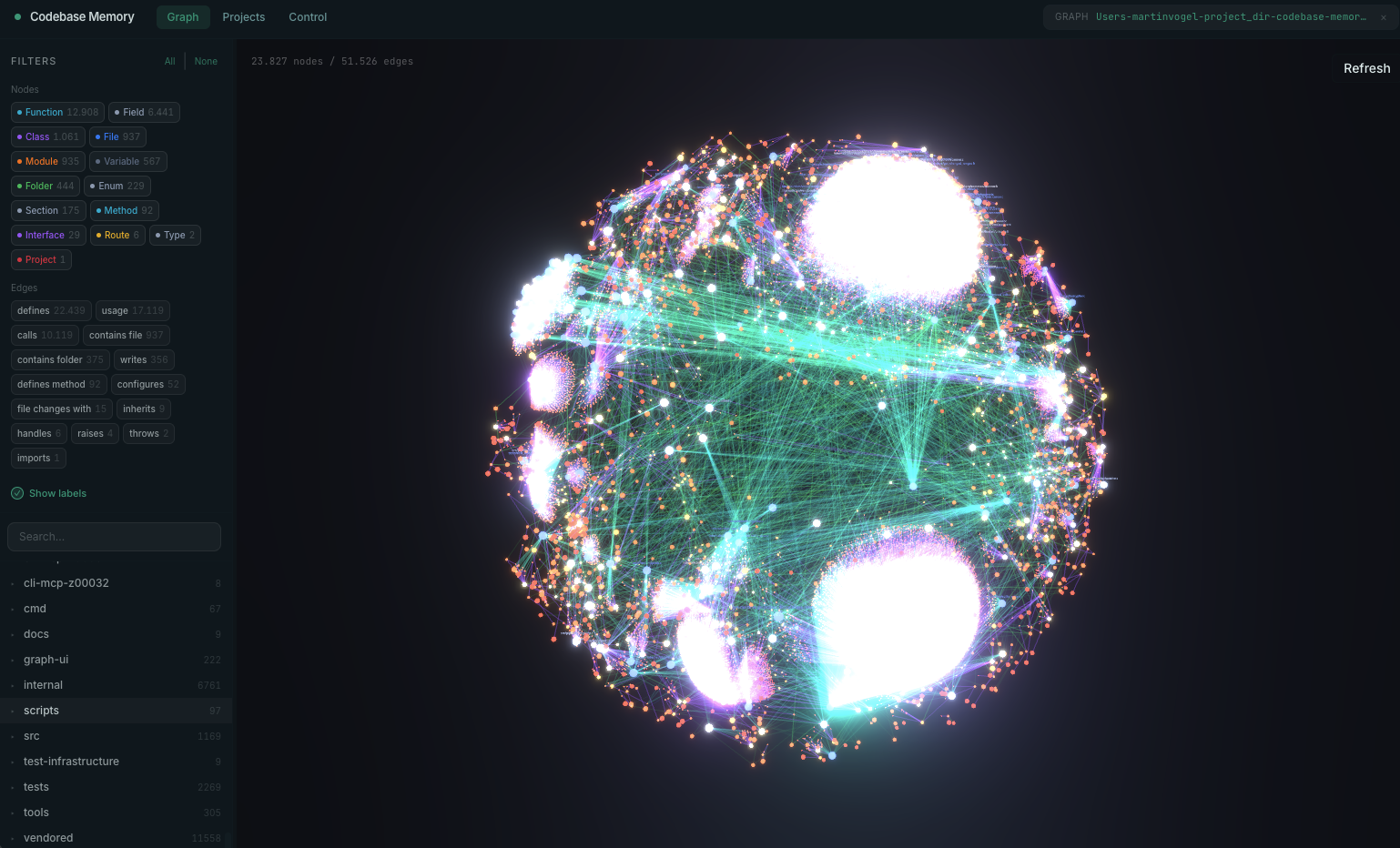
46.7KDeusData/codebase-memory-mcp · Ccodebase-memory-mcp is a high-performance MCP server that indexes a codebase into a persistent knowledge graph so AI coding agents like Claude Code, Codex, Cursor, and Windsurf can query code structure instead of grepping files.
- 13
logseq
45.3Klogseq/logseq · ClojureLogseq is a privacy-first, open-source platform for knowledge management and collaboration, built around a graph of linked notes written in local Markdown or Org-mode files.
- 14
LightRAG
40.2KHKUDS/LightRAG · PythonLightRAG is an open-source, graph-based RAG framework (EMNLP 2025) by HKUDS. It indexes your documents into a knowledge graph plus vector embeddings so you can query them — a lighter, faster alternative to Microsoft GraphRAG.
- 15
Trilium
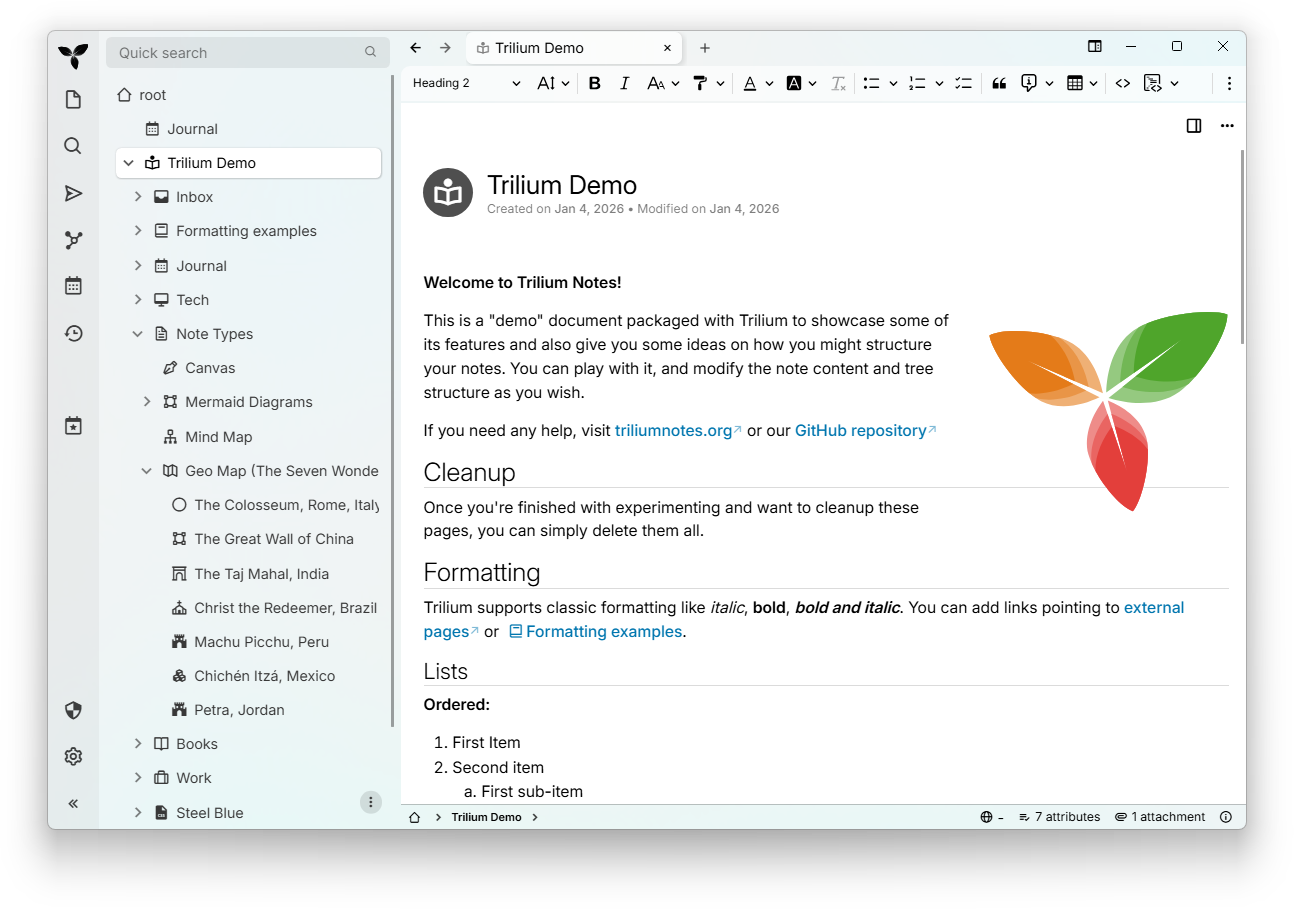
38.4KTriliumNext/Trilium · TypeScriptTrilium Notes is a free, open-source, cross-platform hierarchical note-taking app built for creating large personal knowledge bases.
- 16

graphrag
36.4Kmicrosoft/graphrag · PythonGraphRAG is Microsoft's data pipeline that extracts structured knowledge from your unstructured text documents using LLMs, builds a knowledge graph from it, and uses that graph as targeted context so an LLM can answer questions about your private data more accurately.
- 17

WeKnora
34.4KTencent/WeKnora · GoWeKnora is an open-source, self-hosted knowledge platform that turns raw documents into a queryable RAG knowledge base, an autonomous ReAct agent, and a self-maintaining Wiki with an interactive knowledge graph.
- 18
cognee
32.4Ktopoteretes/cognee · PythonCognee is an open-source AI memory platform that gives AI agents persistent long-term memory across sessions, turning text, code, and conversations into a queryable knowledge graph.
- 19
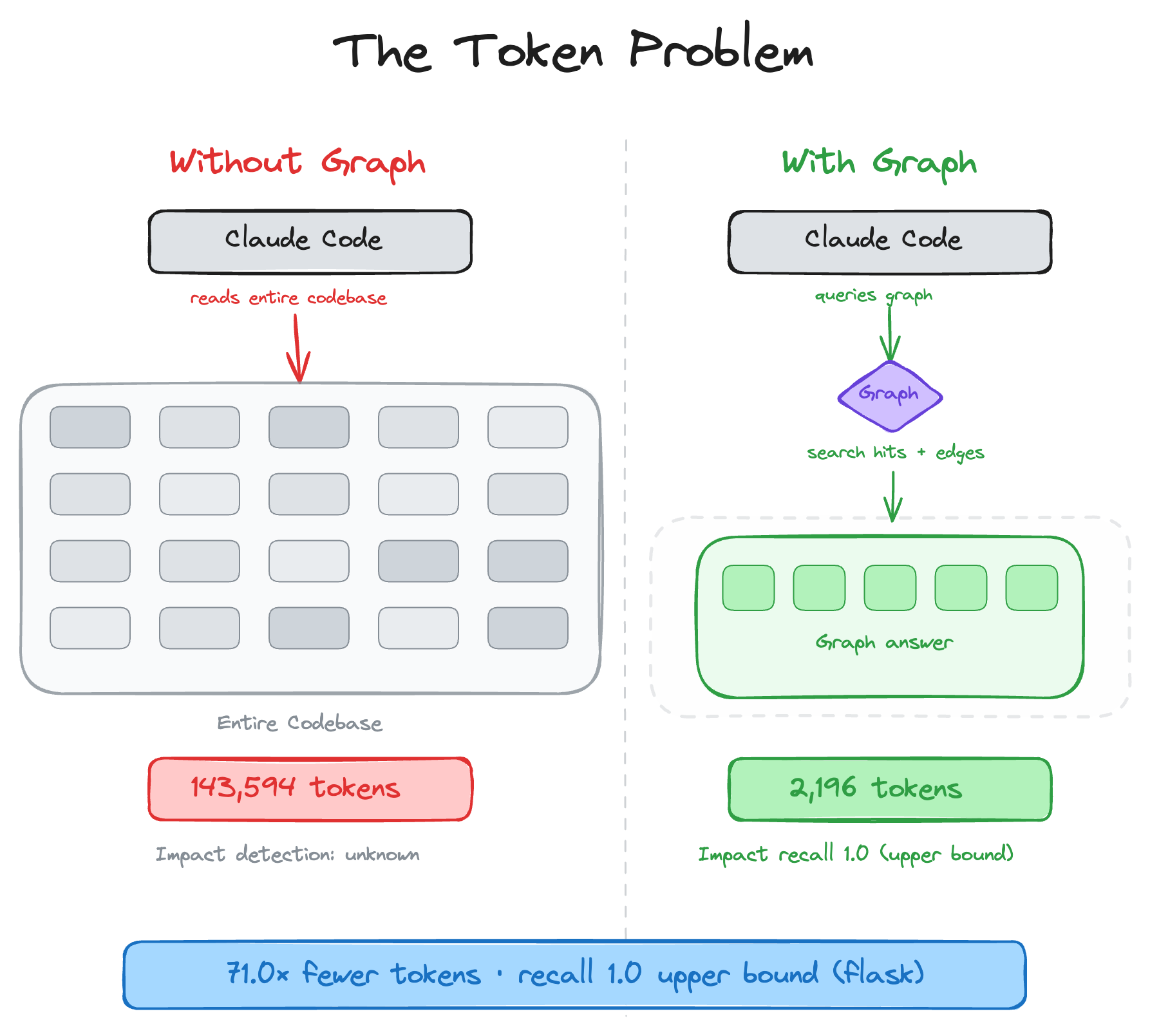
code-review-graph
32.2Ktirth8205/code-review-graph · PythonA local-first code intelligence tool: it builds a persistent graph of your codebase so AI coding assistants read only the files that matter on review and large-repo tasks, instead of re-reading everything.
- 20
graphiti
31.8Kgetzep/graphiti · PythonA Python framework for building and querying temporal knowledge graphs for AI agents. Instead of static RAG, it continuously folds new data into a graph that tracks how facts change over time.
- 21

gbrain
30.9Kgarrytan/gbrain · TypeScriptGBrain is a memory-and-knowledge layer for AI coding agents: instead of raw search hits it returns synthesized, well-cited answers across your pages, people, companies and ideas, plus a self-wiring knowledge graph and an explicit note on what it doesn't know yet. Garry Tan (YC's CEO) built it to run his own OpenClaw and Hermes agents.
- 22
pentagi
30.8Kvxcontrol/pentagi · GoPentAGI (Penetration testing Artificial General Intelligence) is a fully autonomous AI agent system that performs complex penetration testing tasks for you.
- 23
agentmemory
29.6Krohitg00/agentmemory · TypeScriptPersistent memory for AI coding agents: it captures what your agent does, compresses it into searchable memory, and injects the right context when the next session starts, so you stop re-explaining your project to Claude Code, Cursor or Codex.
- 24
TencentDB-Agent-Memory
29.5KTencentCloud/TencentDB-Agent-Memory · TypeScriptA team-level memory hub for AI agents. It turns conversations, docs, and code into four reusable memory assets — Chat Memory, Skills, Wiki, and CodeGraph — that agents across a team can share, govern, and equip.
- 25

beads
27.9Kgastownhall/beads · GoBeads provides a persistent, structured memory for coding agents. It replaces messy markdown plans with a dependency-aware graph, allowing agents to handle long-horizon tasks without losing context.
- 26

RAG-Anything
23.6KHKUDS/RAG-Anything · PythonAn all-in-one multimodal RAG framework built on LightRAG: it ingests real-world documents that mix text, images, tables and equations, then answers queries across all content types through one pipeline instead of separate specialized tools.
- 27

dgraph
21.8Kdgraph-io/dgraph · GoDgraph is an open-source, horizontally scalable distributed graph database with a GraphQL interface, built for real-time queries over terabytes of data. It provides ACID transactions, consistent replication, and linearizable reads.
- 28
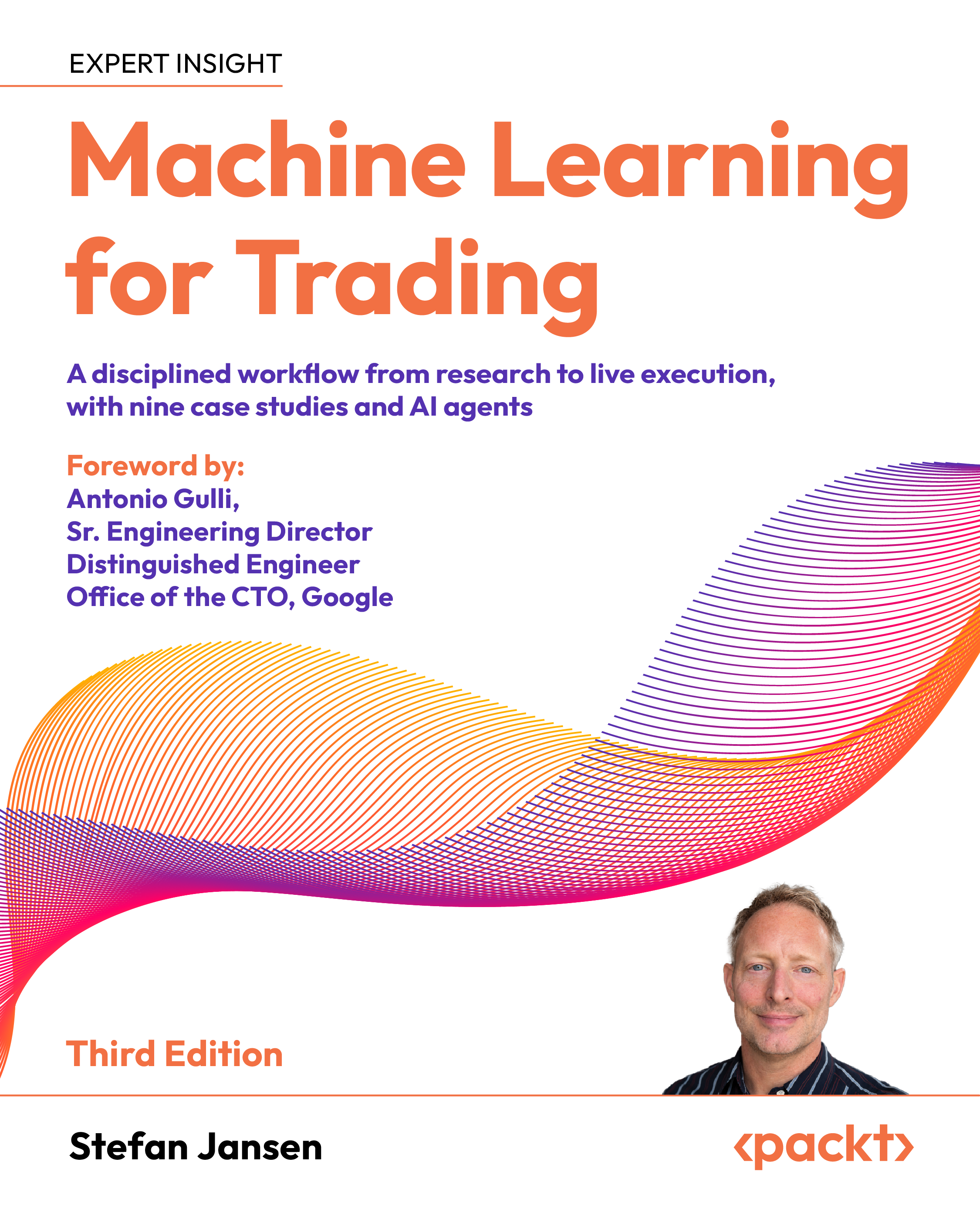
machine-learning-for-trading
21.4Kstefan-jansen/machine-learning-for-trading · Jupyter NotebookThe code repository for Machine Learning for Trading, 3rd Edition by Stefan Jansen: an end-to-end workflow for building, testing, and deploying ML-driven trading strategies, from data sourcing to live execution.
- 29

llm_wiki
20.7Knashsu/llm_wiki · TypeScriptLLM Wiki is a cross-platform desktop app that turns your documents into a persistent, interlinked knowledge base. Instead of re-deriving answers from scratch every time like traditional RAG, the LLM incrementally builds and keeps a wiki of your sources up to date.
- 30

openfang
18.2KRightNow-AI/openfang · RustOpenFang is an open-source Agent Operating System written in Rust. Instead of a chatbot that waits for your prompt, it runs autonomous agents 24/7 — on schedules, monitoring targets, building knowledge graphs and reporting results to a dashboard.
- 31
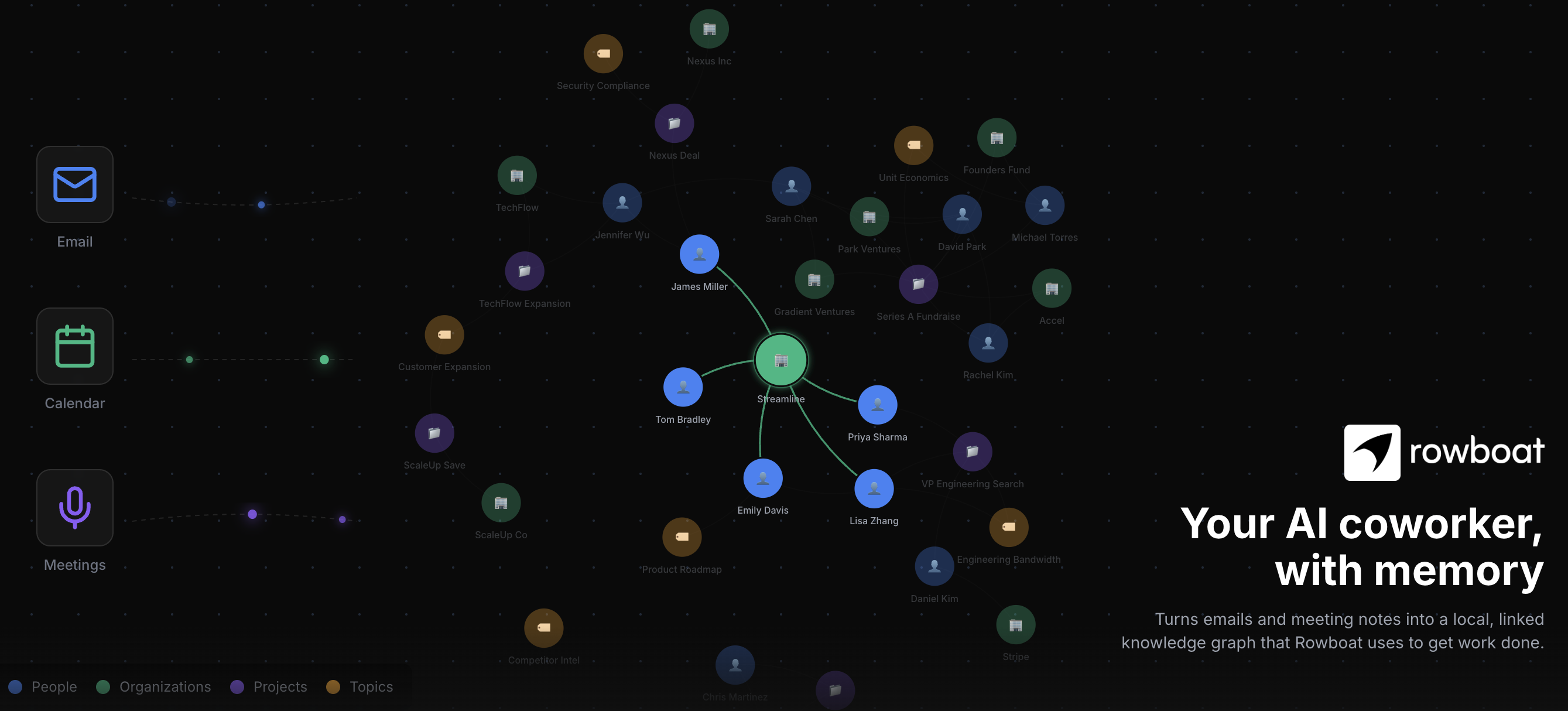
rowboat
18Krowboatlabs/rowboat · TypeScriptRowboat is a desktop AI coworker with a memory of your work. It indexes your email, meetings and chats into a living knowledge graph and acts through built-in surfaces: email, notes, browser, code mode, meeting notes and workspaces.
- 32

ML-NLP
17.8KNLP-LOVE/ML-NLP · Jupyter NotebookA curated, structured collection of machine learning, deep learning, and NLP interview knowledge points with accompanying code implementations, organized chapter by chapter (linear regression through BERT and XLNet).
- 33

networkx
17.3Knetworkx/networkx · PythonNetworkX is a Python package for creating, manipulating, and studying complex networks — collections of nodes connected by edges — together with algorithms for analyzing them.
- 34

GNNPapers
16.8Kthunlp/GNNPapersA curated reading list of must-read research papers on graph neural networks (GNN), covering surveys, model architectures, and applications across many domains.
- 35
memvid
16.6Kmemvid/memvid · RustMemvid is a single-file memory layer for AI agents: it packs your data, embeddings and search index into one portable .mv2 file, so agents get instant retrieval and long-term memory without a RAG pipeline or a vector database server.
- 36
awesome-ai-apps
16.2KArindam200/awesome-ai-apps · PythonA curated collection of 132 projects, tutorials, and recipes for building LLM-powered applications - covering text agents, voice assistants, RAG apps, and MCP-backed tools.
- 37
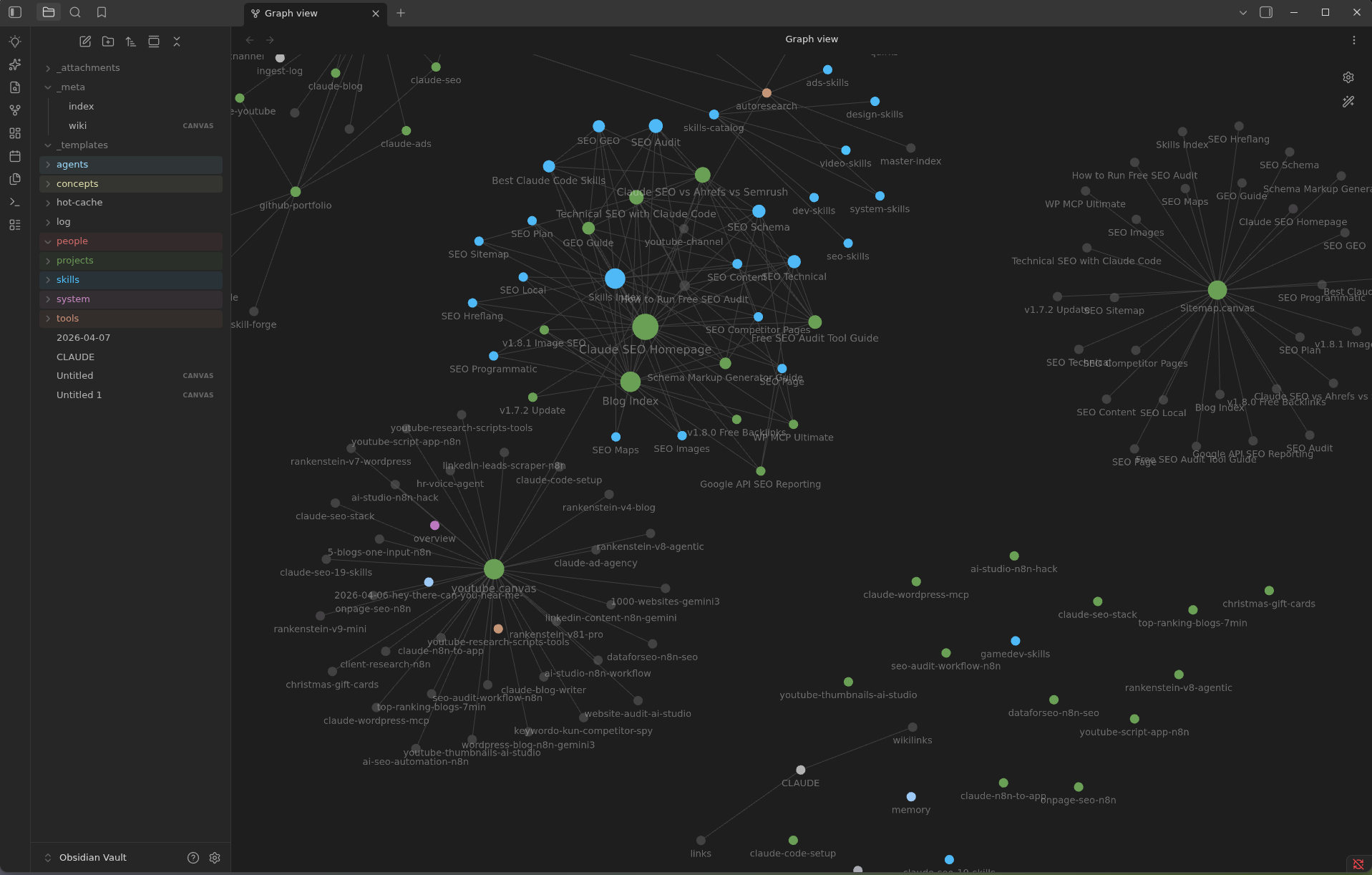
claude-obsidian
15.6KAgriciDaniel/claude-obsidian · Pythonclaude-obsidian is a local-first knowledge system that pairs Claude Code (or any compatible Agent Skills host) with Obsidian. It turns any source you drop in into linked, source-cited Markdown pages and answers questions grounded in the evidence already in your vault.
- 38
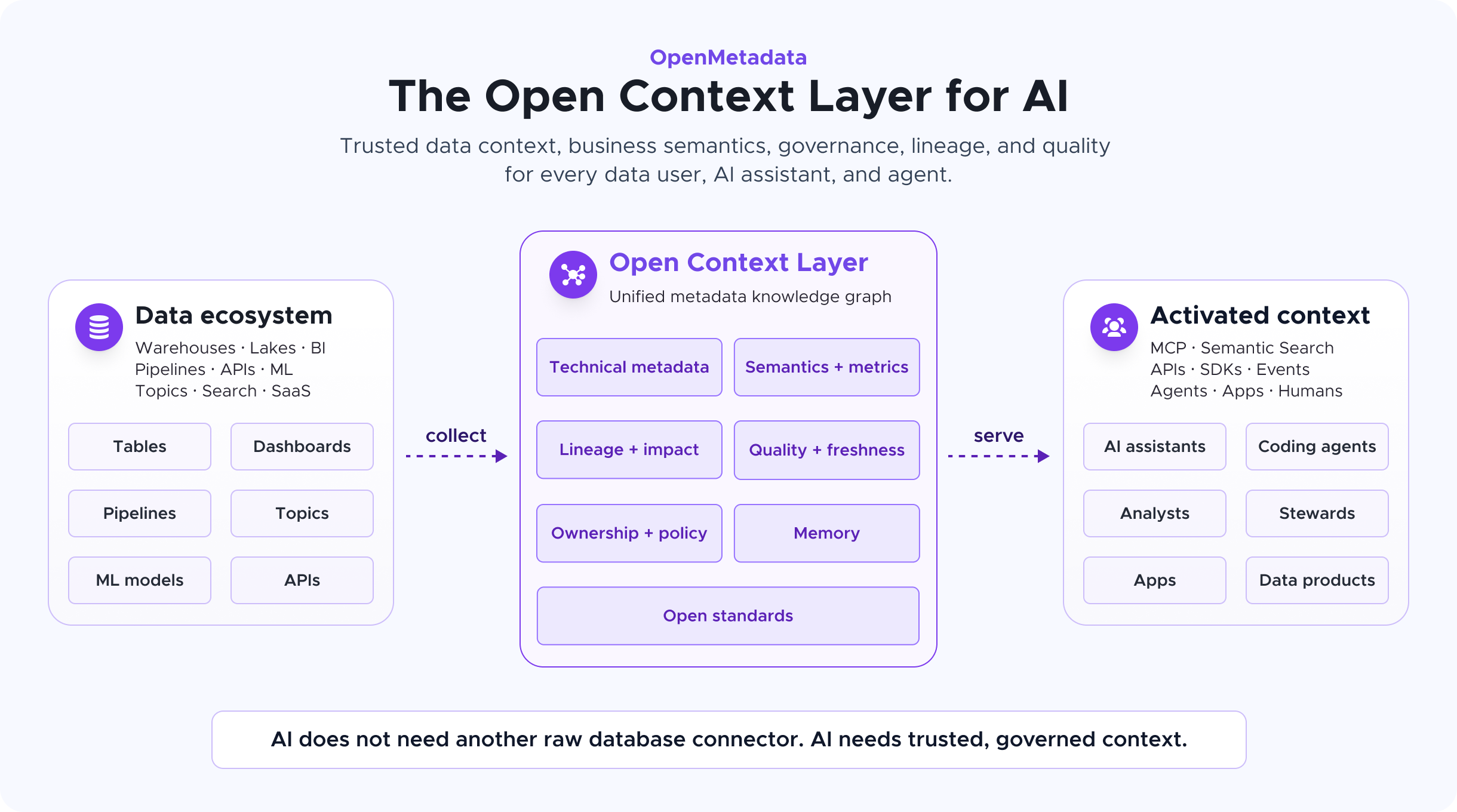
OpenMetadata
15.5Kopen-metadata/OpenMetadata · TypeScriptOpenMetadata is an open platform that unifies technical metadata, lineage, data quality, ownership and business glossaries into one knowledge graph so both humans and AI agents can discover, trust and reuse context about enterprise data.
- 39
cayley
15.1Kcayleygraph/cayley · GoCayley is an open-source graph database for Linked Data, inspired by the graph database behind Google's Knowledge Graph (formerly Freebase).
- 40
semantica
14.1Ksemantica-agi/semantica · PythonSemantica is an open-source, graph-native infrastructure layer that ingests enterprise data and builds a structured Context Graph and knowledge graph with deterministic reasoning, ontology governance, and full decision provenance, so AI systems can be explained and audited instead of treated as black boxes.
- 41
txtai
13Kneuml/txtai · Pythontxtai is an all-in-one AI framework for semantic search, LLM orchestration and language model workflows. Its core is an embeddings database that combines vector indexes, graph networks and relational databases to power search or serve as a knowledge source for LLM apps.
- 42

datahub
12.9Kdatahub-project/datahub · PythonDataHub is an open-source metadata platform that lets you discover, understand, and govern data across your entire data stack, connecting warehouses, lakes, BI tools, and AI agents into one unified metadata graph.
- 43

nebula
12.4Kvesoft-inc/nebula · C++NebulaGraph is an open-source distributed graph database built to handle large volumes of highly connected data with millisecond latency and quick horizontal scaling.
- 44
all-in-rag
12.2Kdatawhalechina/all-in-rag · PythonThis is a full-stack tutorial on Retrieval-Augmented Generation (RAG) for developers building LLM applications, covering theory and hands-on practice from basic concepts to production-ready RAG systems.
- 45
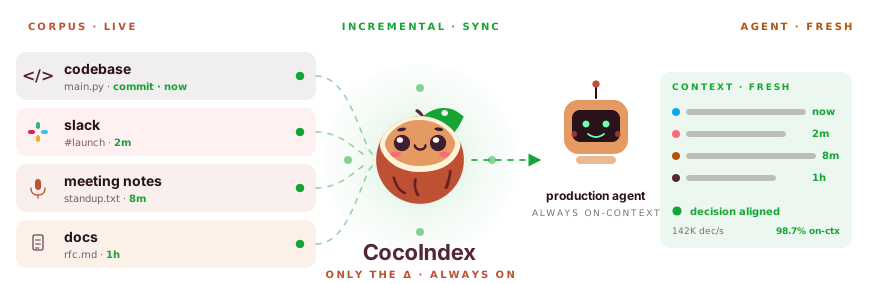
cocoindex
11.7Kcocoindex-io/cocoindex · RustCocoIndex is an incremental engine that turns codebases, meeting notes, inboxes, Slack, PDFs, and videos into live, continuously fresh context for AI agents and LLM apps, using minimal incremental processing instead of stale batch jobs.
- 46
FalkorDB
10.3KFalkorDB/FalkorDB · RustFalkorDB is an ultra-fast graph database built on sparse matrix math (GraphBLAS) instead of traditional traversal, designed to power Knowledge Graphs for LLM applications like GraphRAG, agent memory, and fraud detection.
- 47

Trail-Code
10.3Ktrailhq/Trail-Code · TypeScriptGraft maps your codebase into linked markdown files — one node per system, API, or concept — and feeds the matching nodes to coding agents like Claude Code, Cursor, Codex, and Gemini, so they stop re-exploring the repo on every task and run faster, cheaper, and more accurately.
- 48

knowledge-catalog
9.5KGoogleCloudPlatform/knowledge-catalog · TypeScriptThis is the samples and tools repository for Google Cloud's Knowledge Catalog, an AI-powered data catalog and metadata management platform (formerly called Dataplex) that builds a dynamic knowledge graph over structured and unstructured data to give AI agents semantic and business context.
- 49

utopia
8.4Kdeeplethe/utopia · RustUtopia is an open-source enterprise world model from DeepLethe: a self-hosted knowledge system that turns documents into a bitemporal knowledge graph you can search, chat with and reason over, running entirely on hardware you control.
- 50
MemoryBear
7.8KSuanmoSuanyangTechnology/MemoryBear · PythonMemoryBear is an AI memory system that gives AI agents human-like memory: instead of just storing knowledge statically, it perceives, extracts, associates and forgets information over time.
- 51
potpie
5.7Kpotpie-ai/potpie · PythonPotpie turns your codebase and software development lifecycle into a living context graph for AI agents. It indexes code, structure, decisions, source history, team knowledge and engineering workflows so agents can answer questions, plan changes, debug failures, and write code with project-specific context.
- 52
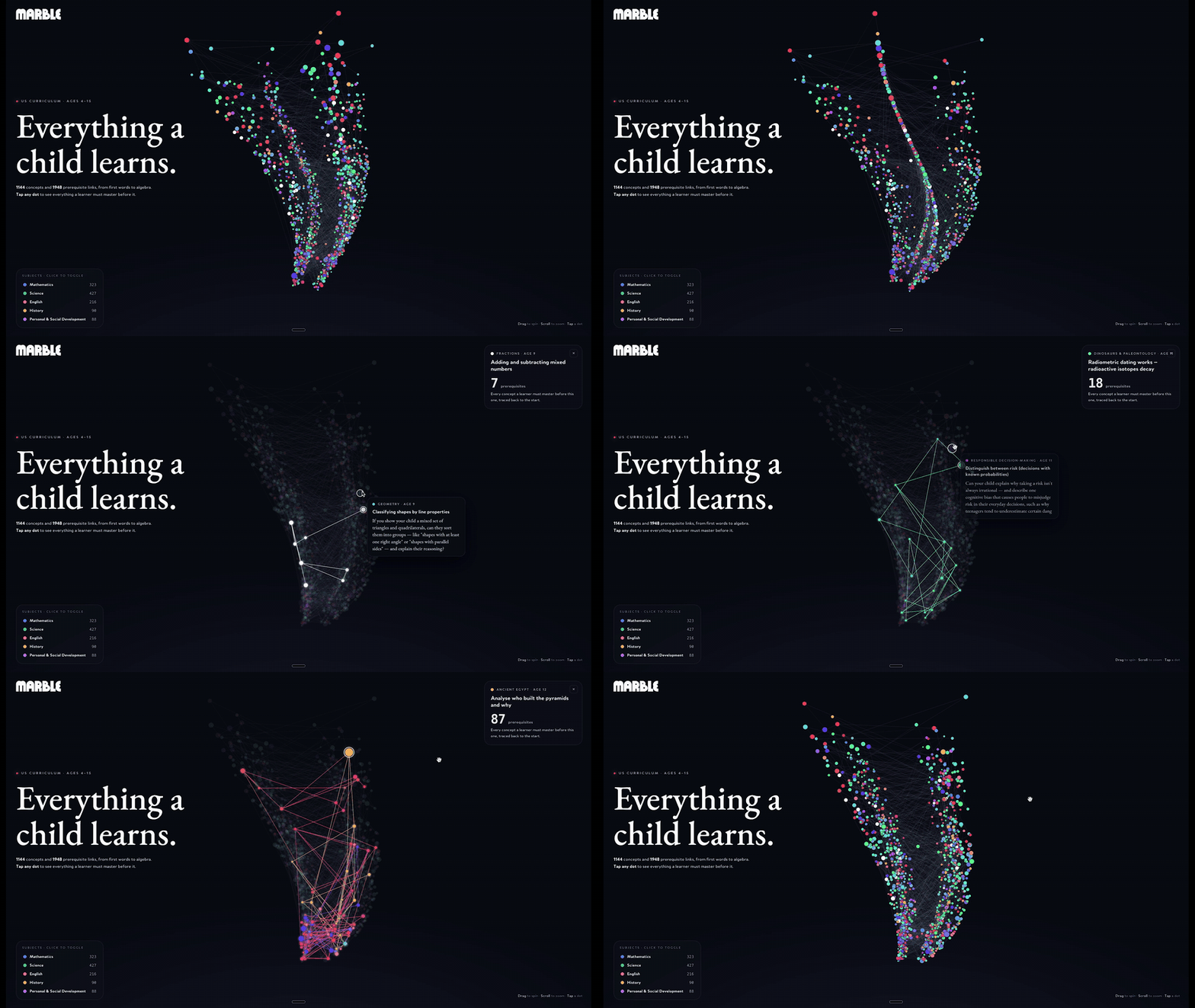
os-taxonomy
5.1Kwithmarbleapp/os-taxonomy · JavaScriptMarble Skill Taxonomy is an open dataset mapping what children learn in primary/elementary school, broken into 1,590 fine-grained micro-topics linked by a prerequisite graph and aligned to national curriculum standards like NGSS and Common Core.
- 53

mycontext
5KopenTrinity/mycontext · TypeScriptMyContext is a local-first desktop app that builds a persistent, evolving personal context layer from your messages, documents, meetings and other work signals, and makes that context usable by AI agents, local LLMs, and a 'digital self' that can draft replies in your style.
- 54

EvoScientist
5KEvoScientist/EvoScientist · PythonEvoScientist is a self-evolving AI scientist system: a team of AI agents that autonomously explore research questions, generate insights, and improve themselves over time instead of waiting on constant human instructions.
- 55
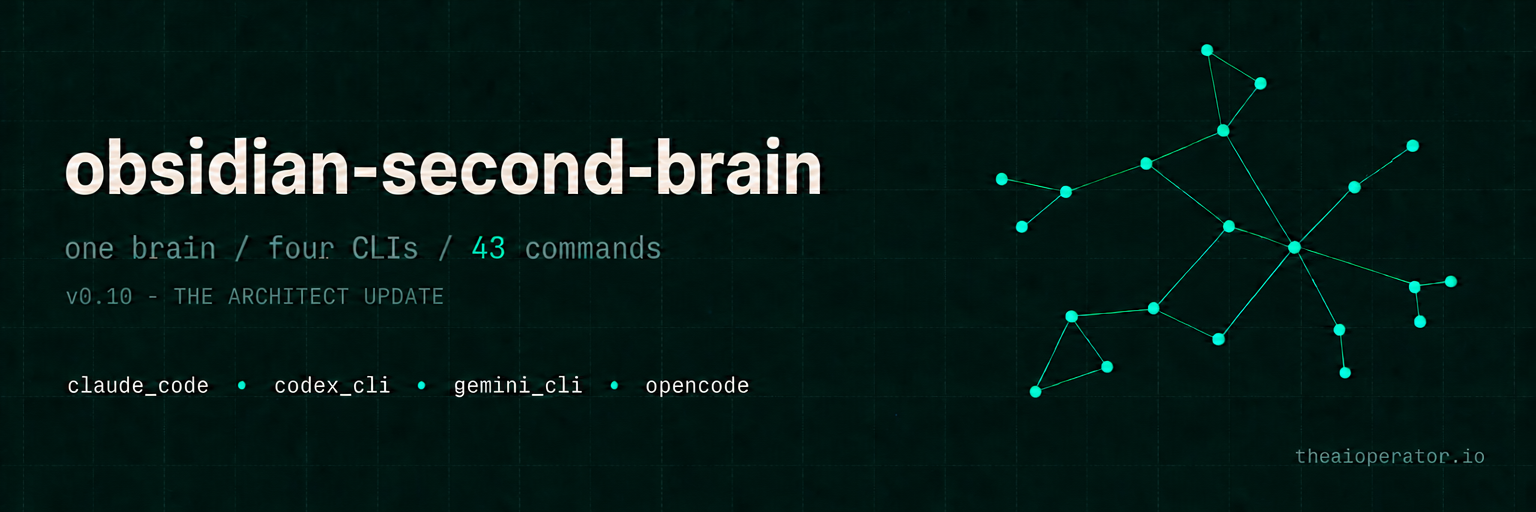
obsidian-second-brain
4.8Keugeniughelbur/obsidian-second-brain · PythonIt's a skill/plugin that gives Claude Code and other CLI coding agents (Codex, Gemini, Grok Bot, and more) persistent, self-rewriting memory stored as plain markdown notes in your Obsidian vault, so you stop re-explaining your projects, decisions, and people every session.
- 56

open-knowledge
4.6Kinkeep/open-knowledge · TypeScriptOpenKnowledge is an AI-native markdown editor and LLM wiki app. It gives you a true WYSIWYG editor for markdown/mdx files plus built-in AI editing integrations with coding agents like Claude, Codex, OpenCode and Pi.
- 57
RuVector
4.6Kruvnet/RuVector · RustRuVector is a Rust-native persistent memory substrate for AI agents, combining local vector embeddings, graph relationships, feedback-driven learning, and memory lifecycle controls so agents can remember across sessions.
- 58

m_flow
4.5KFlowElement-xinliuyuansu/m_flow · PythonM-flow is a bio-inspired cognitive memory engine that acts as a new paradigm for Graph RAG: instead of just retrieving similar text chunks, it builds a graph of memories and scores answers by the strongest chain of evidence connecting the query to the content, the way human recall works.
- 59

ragent
4.3Knageoffer/ragent · JavaRagent is a production-grade Java platform for Agentic RAG, covering the full chain from document ingestion to intelligent Q&A — including hybrid retrieval, query rewriting, intent recognition, session memory, MCP tool calling and deep thinking.
- 60

Hyper-Extract
4.2Kyifanfeng97/Hyper-Extract · PythonHyper-Extract is a CLI tool that turns unstructured documents (PDFs, Word, text, etc.) into structured knowledge — chunk corpora, lists, graphs, hypergraphs, and spatio-temporal graphs — using LLMs, all from a single command.
- 61
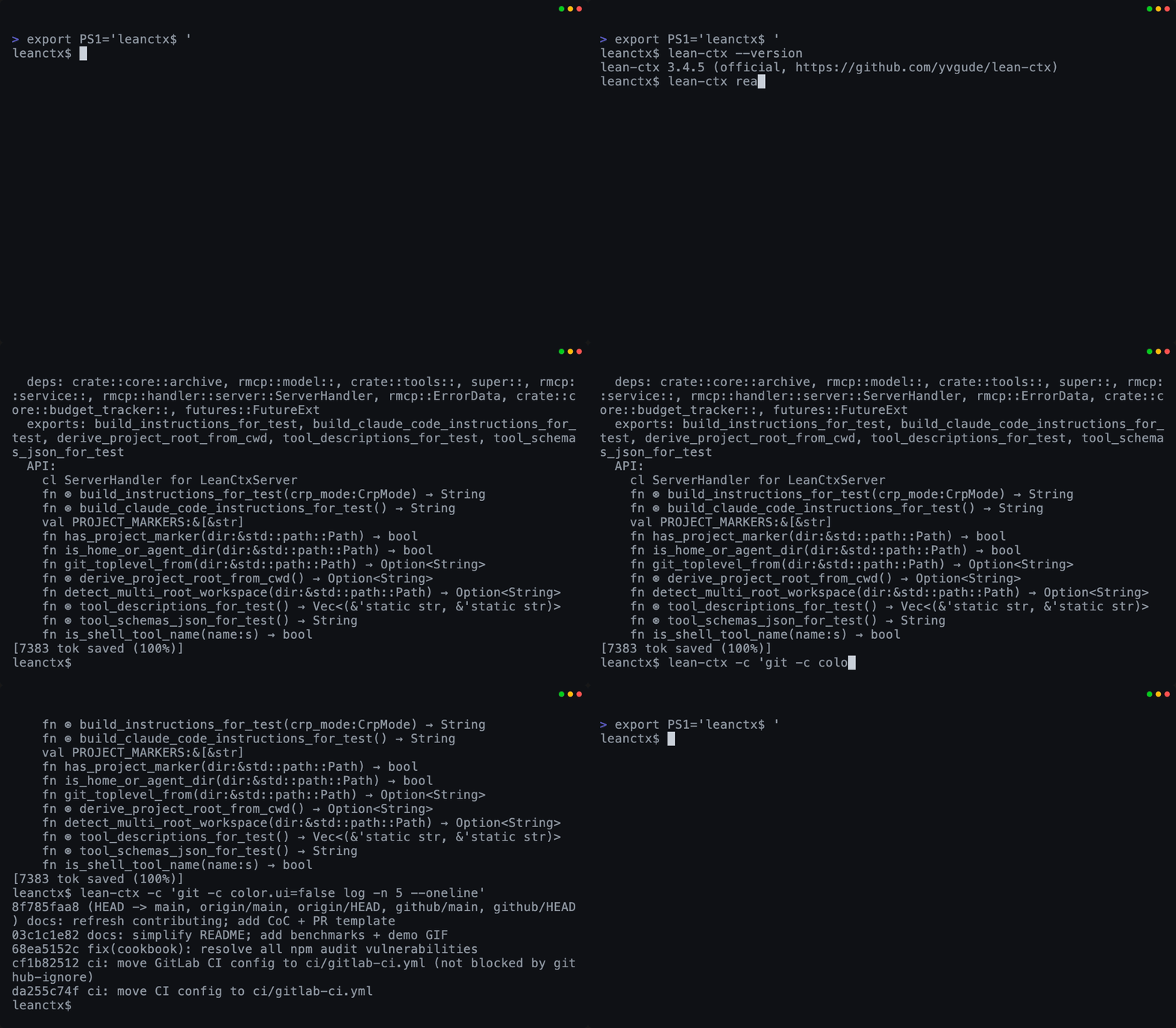
lean-ctx
3.9Kyvgude/lean-ctx · RustLeanCTX is a 'Context Gateway' that runs locally alongside your AI coding agent, deciding what context the model actually sees, compressing it, and tracking the cost and outcome of that work.
- 62
SimpleMem
3.8Kaiming-lab/SimpleMem · PythonSimpleMem is a lifelong memory stack for LLM agents that stores, compresses, and retrieves long-term memories across text, image, audio, and video, so agents keep context without reprocessing redundant history.
- 63

arscontexta
3.5Kagenticnotetaking/arscontexta · ShellArs Contexta is a Claude Code plugin that generates a personalized knowledge system (a 'second brain') from a conversation about how you think and work, producing markdown files, folder structure, skills, and automation tailored to your domain.
- 64

redamon
3.1Ksamugit83/redamon · PythonRedAmon is an open-source, self-hosted AI framework that chains reconnaissance, exploitation and post-exploitation into one pipeline, maps the attack surface into a Neo4j graph, and then triages findings and opens GitHub pull requests that fix what it discovers.
- 65
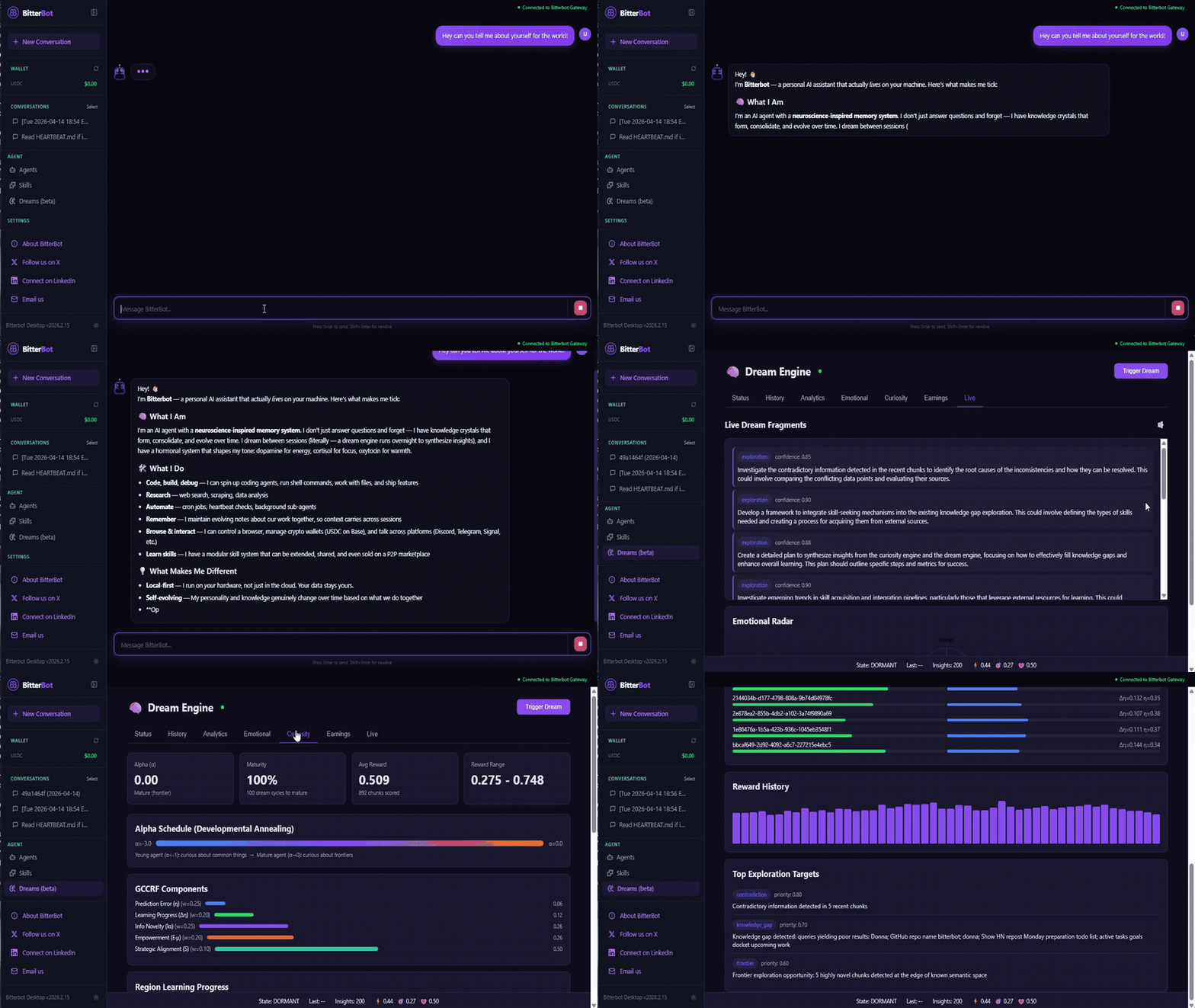
bitterbot-desktop
2.5KBitterbot-AI/bitterbot-desktop · TypeScriptA local-first personal AI that lives on your devices: it remembers your life, browses the web, runs code, and talks to you on WhatsApp — consolidating memory and distilling skills over time instead of starting from zero.
- 66

open-glean
1.6Khydra-db/open-glean · TypeScriptOpen Glean is an open-source AI workspace built on Hydra DB: a 'second brain' you ask questions across your memories, files, and connected apps, with answers written from retrieved context and cited sources.
- 67
vibe-coding-toolkit
1.3Ksoumatheusgomes/vibe-coding-toolkit · JavaScriptA curated, battle-tested AI-coding workflow for Claude Code (and partly Codex): ready-to-copy plugins, subagent orchestration patterns, quality-gate configs, and prompt templates extracted from a real production fintech codebase.
- 68

omnigraph
1.3KModernRelay/omnigraph · RustOmnigraph is a lakehouse-native graph database that acts as the operational state and coordination layer for fleets of AI agents, combining graph traversal, vector search, and full-text search with Git-style branching so many agents can enrich a shared knowledge graph safely.
- 69
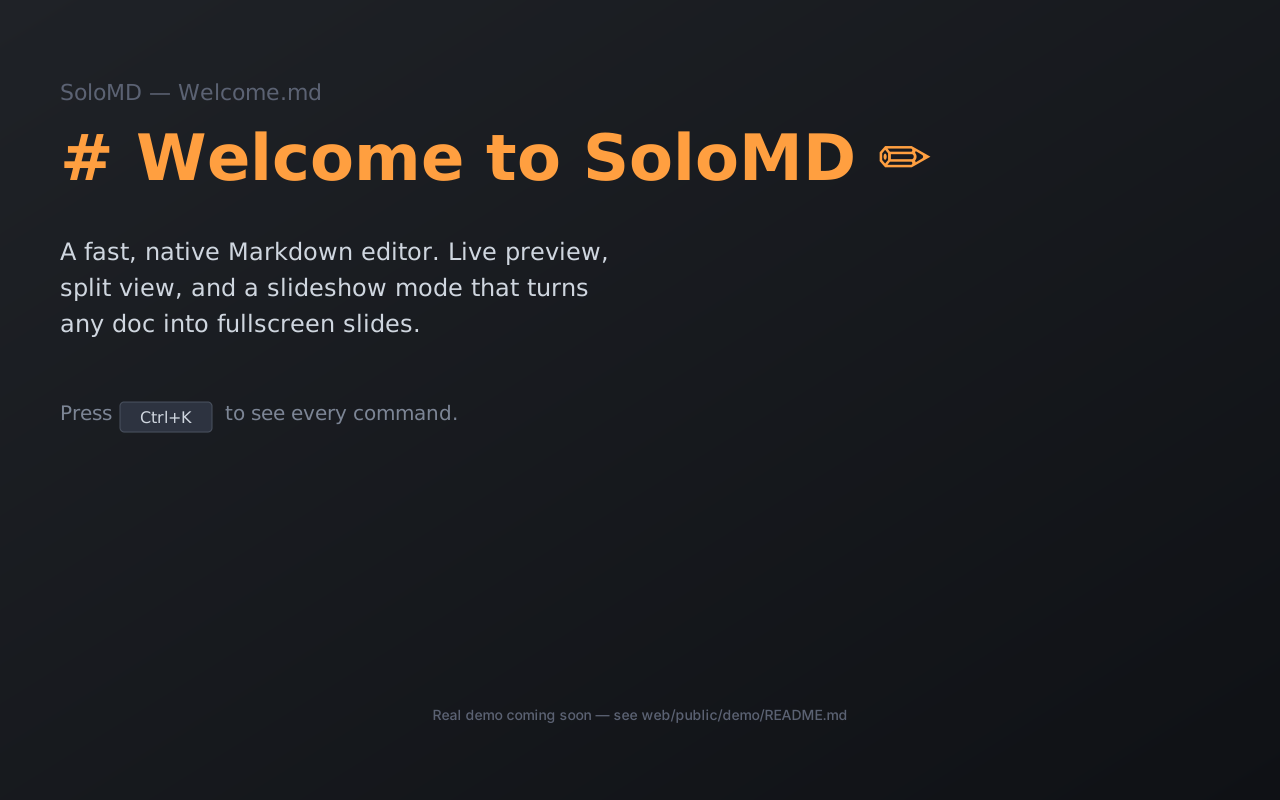
solomd
1.3Kzhitongblog/solomd · TypeScriptSoloMD is a local-first markdown editor for your notes that also acts as a bridge to LLMs: a bundled MCP server lets agents like Claude Code, Codex, or Cursor read and edit your vault directly from outside the editor.
- 70
get-it
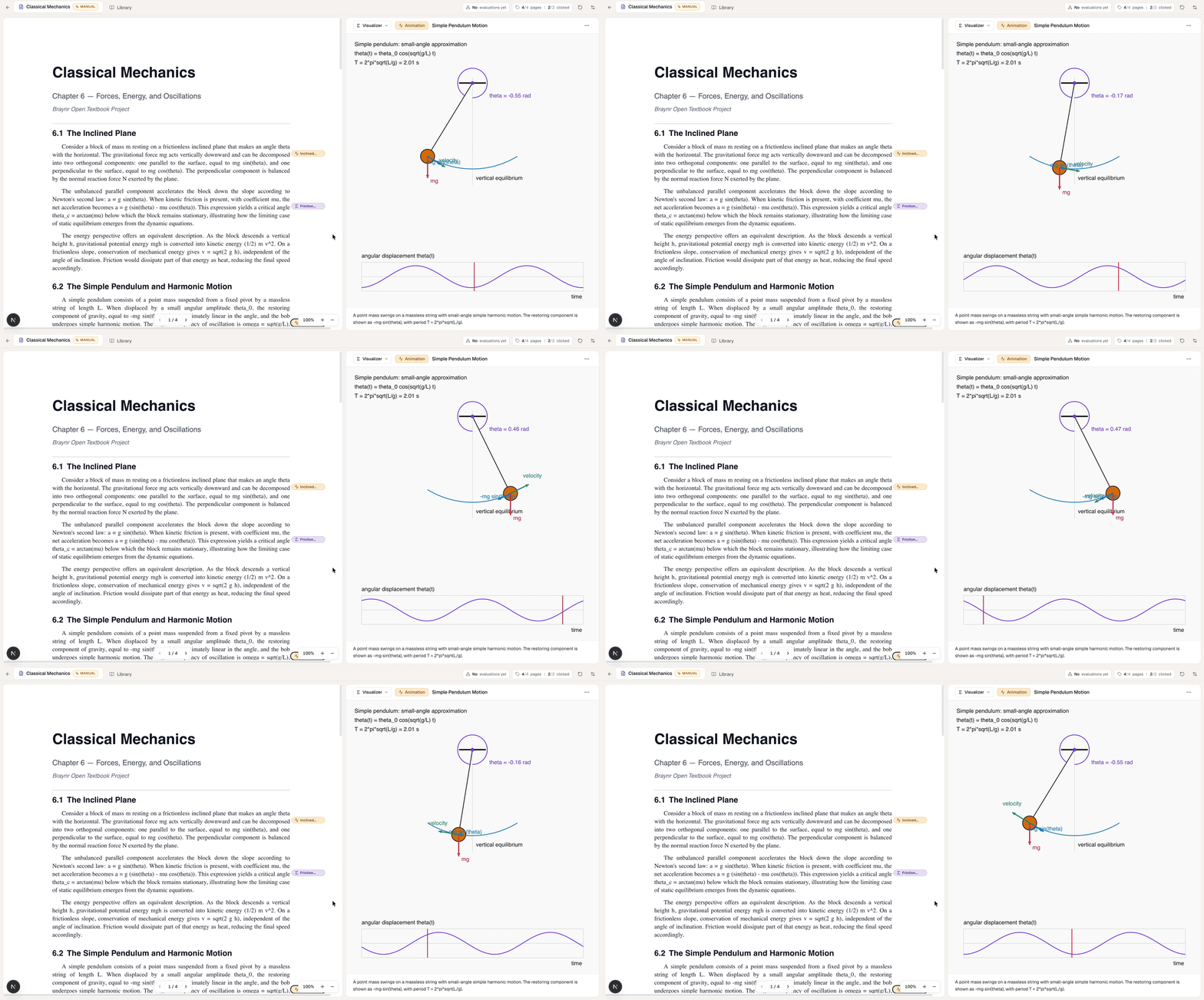
1.1Kbeltromatti/get-it · JavaScriptGet It. is a desktop study app that turns a PDF into a measurable mastery map: it tags key concepts in the document, renders interactive visualizations for them (3D scenes, animations, formulas, graphs), builds a knowledge graph, and tracks your real understanding through chat, flashcards, quizzes, and the Feynman technique.
- 71

second-brain-os
1.1Kundefined-ui/second-brain-os · HTMLA knowledge base an AI agent builds and maintains for you, in plain markdown files you own: what you read, watch and save becomes linked wiki pages you can query. The repo holds the full guide, a starter vault, agent skills and scripts.
- 72
open-ontologies
1.1Kfabio-rovai/open-ontologies · RustOpen Ontologies lets you plan, apply and roll back changes to a production ontology: it shows every consequence as a blast-radius report before you apply a change, then hands the reviewer a proof they can re-check without trusting you or the engine.
- 73
Deepgraph
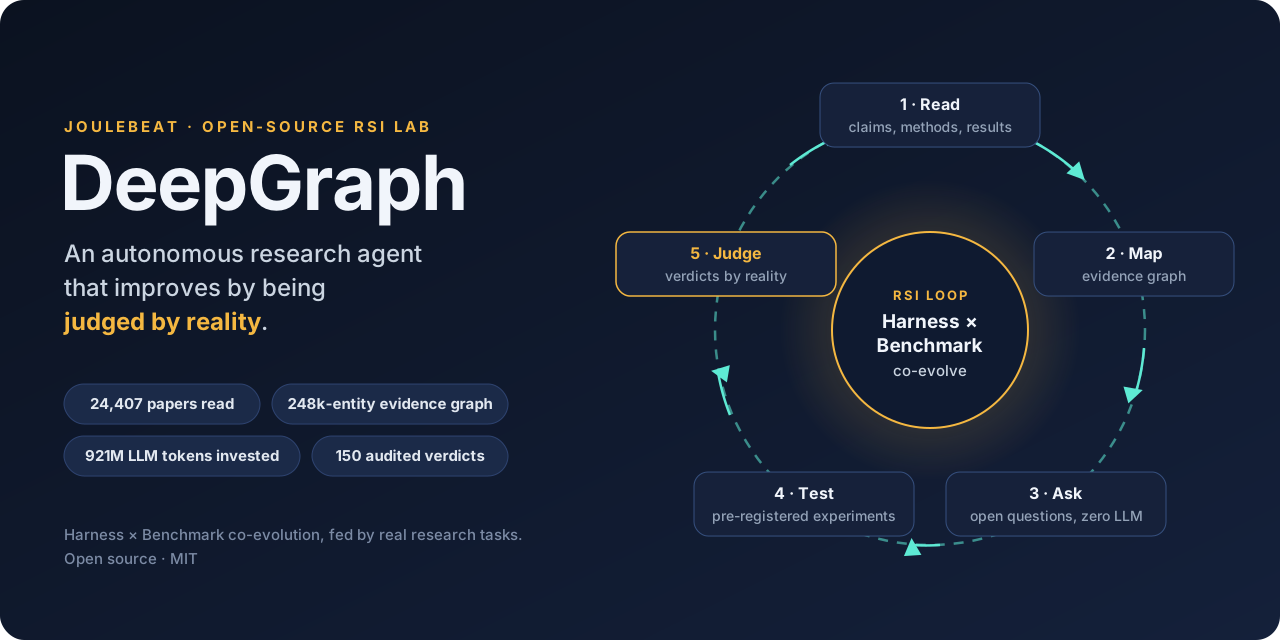
1Kbillion-token-one-task/Deepgraph · PythonDeepGraph is the autonomous research agent of JouleBeat, an open-source AI self-improvement (RSI) lab. It reads scientific literature, finds open questions, runs real experiments, and lets the results decide what is true.
- 74
open-knowledge-format
990GoogleCloudPlatform/open-knowledge-format · HTMLOKF (Open Knowledge Format) is a vendor-neutral spec from Google Cloud for representing catalog knowledge as plain markdown files with YAML frontmatter, not tied to any specific agent, framework, or model provider. This repo also ships a reference agent that produces OKF bundles and a visualizer that renders them.
- 75

clearai-dsh
941Clearailhc/clearai-dsh · JavaScriptClearAI is an ontology-first agent preset for DSH that turns a research session into a continuously growing, evidence-checked domain ontology, built through what it calls the 'Epistemic Loop' — question, falsifiable judgement, test, evidence, then a bounded conclusion.
- 76

okf-agent-memory
814okf-memory/okf-agent-memory · GoOKF Agent Memory is a Git-native persistent memory layer for AI coding agents: it stores architectural decisions and project knowledge as plain Markdown files with YAML frontmatter directly in your repository, following the Open Knowledge Format (OKF) v0.2 spec, so context survives across sessions instead of vanishing when the context window closes.
- 77

agentmemoryrepo
797AgentMemoryRepo/agentmemoryrepoAgent Memory Repo is an open spec that lets a coding agent save what it learns about you or your project in a plain git repo of Markdown files, so that knowledge survives into the agent's next session.
- 78

anythingmcp
753HelpCode-ai/anythingmcp · TypeScriptAnythingMCP is a self-hosted MCP gateway that turns REST/OpenAPI, SOAP, GraphQL, OData or SQL APIs into MCP tools usable by Claude, ChatGPT and Copilot, shipping with hundreds of ready-made connectors for systems like SAP, ERPs and e-commerce platforms.
- 79

Athena-Public
615winstonkoh87/Athena-Public · PythonAthena is a local-first memory layer for AI coding agents: it stores your working context as plain Markdown files on your own disk so any model or IDE can pick up where the last one left off.
- 80

dsh-memory
402FuRongJun-1999/dsh-memory · Pythondsh-memory is a memory plugin for DeepSeek Harness (DSH) that gives AI agents persistent, cross-session memory built on a mostly non-LLM 'white-box' reasoning pipeline, a spatiotemporal knowledge graph, and auditable guardrails. It targets AGI research into self-cognition, continual learning, world models and self-improvement rather than everyday chat memory.
- 81
Awesome-Graph-Engineering
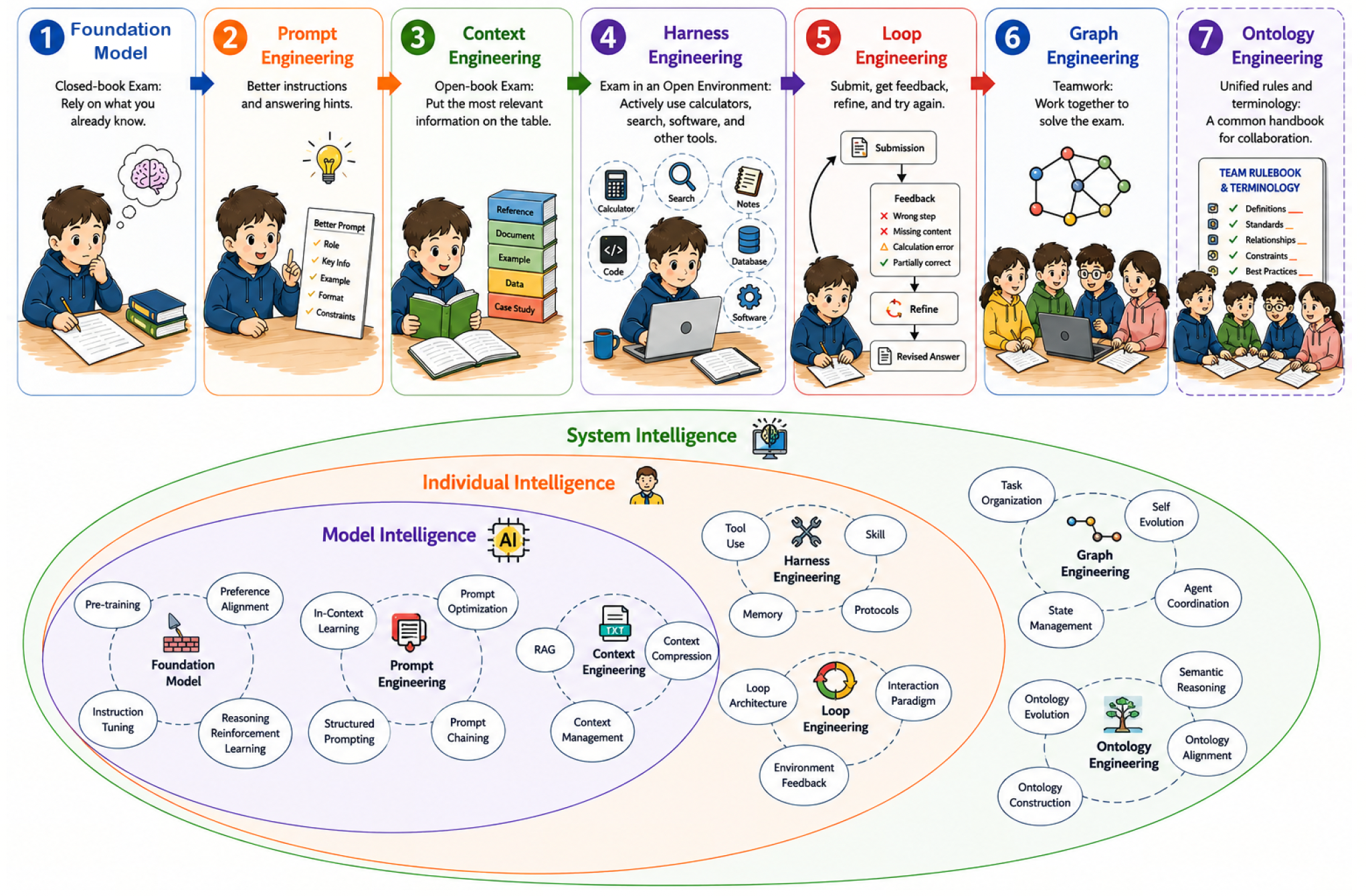
382DEEP-JLU/Awesome-Graph-EngineeringA curated collection of research papers, benchmarks, and open-source projects accompanying a survey on Graph Engineering for LLM agents, covering the progression from Model Intelligence to Individual Intelligence to System Intelligence.
- 82

lemmalog
340JordyZomer/lemmalog · RustA Datalog engine for LLM agent memory: instead of 'remembering better' than a vector store, memory becomes a deductive database — provenance-tracked facts, stratified rules, incremental derivation. Ships as a Rust crate, MCP server, REPL and agent skill.
- 83

arsumbris
265arsumbris/arsumbris · Pythonarsumbris is a malleable, agent-native IDE for typed knowledge: a macOS workspace built on a type engine and an extensible agent framework, where you and your AI agent work on the same knowledge together.
- 84
autumn-recruitment
263Akun-python/autumn-recruitment · Jupyter NotebookIt is a community-built, Chinese-language collection of Jupyter notebooks covering math foundations, data structures, machine learning, deep learning, LLMs, agents, AI infrastructure, speech, and data science, aimed at job-hunting ('autumn recruitment') interview prep in the LLM era.
- 85

graph-memory-starter
245Glitch-Cat-Club/graph-memory-starter · PythonA knowledge-graph memory layer for AI assistants built from three SQLite tables and one recursive query, so your assistant can answer multi-hop questions about your notes before it even starts searching.
- 86

graphicle
195Graphicle-AI/graphicle · RustGraphicle is a Rust program that builds a code graph of your repository and keeps project memory (docs, decisions, past agent sessions) so your coding agent gets cited, relevant excerpts instead of re-reading the whole codebase.
- 87
jarviscore-framework
189Prescott-Data/jarviscore-framework · PythonJarvisCore is a Python framework for building AI agent systems that can plan, reason, execute code, browse the web, search the internet, and connect to 150 external services out of the box.
- 88

openhikmah-web
181OpenHikmah/openhikmah-web · TypeScriptOpen Hikmah is an AI-grounded Quran knowledge graph: you search for a verse, drop it on an infinite canvas, and expand it to surface thematic, linguistic (shared Arabic root), and theological connections to other verses.
- 89

axiomcodegraph
177AxiomCodeAI/axiomcodegraph · TypeScriptAxiomCode Graph turns a codebase into a knowledge graph built with formal methods (compiler-style type resolution) rather than syntax guessing, so AI coding agents can look up exact callers, callees, call paths and affected tests instead of grepping through code.
- 90

CodeMason
176mufengyuan6/CodeMason · PythonCodeMason (编舟) is an autonomous coding agent in the same class as Claude Code or Cline: it understands a requirement, plans, edits code, verifies the result and delivers it, running the whole loop on its own. It is built around the idea that state is never saved — everything is derived from an append-only event log, so every change can be replayed, rolled back or audited.
- 91

md2hd
136evan-steinhilb/md2hd · JavaScriptmd2hd is a CLI that turns your markdown notes into an interactive visual map: frontmatter becomes nodes, wikilinks become edges, and the result opens in your browser so you can see how everything connects.
- 92
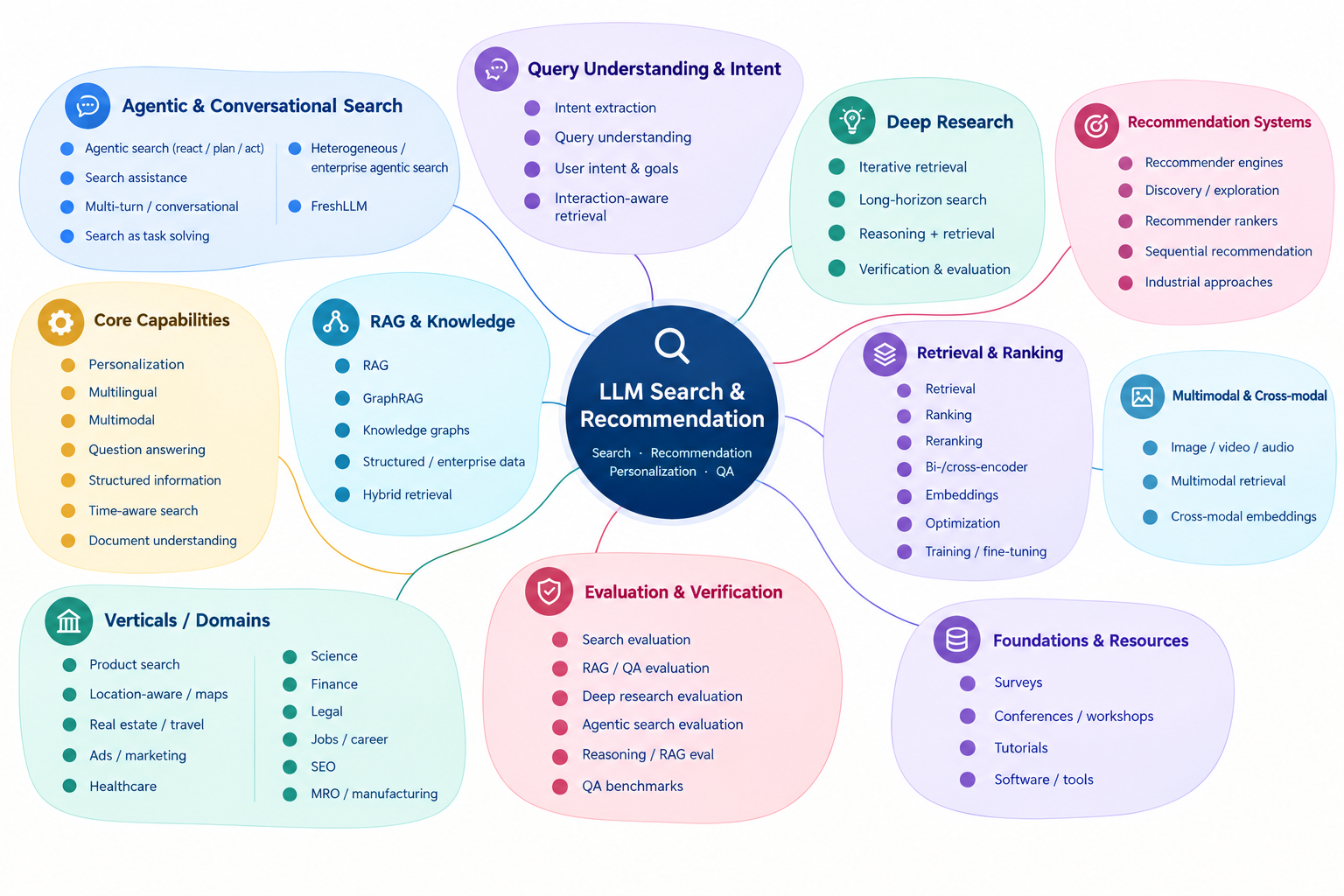
LLMSearchRecommender
124alopatenko/LLMSearchRecommenderA curated compendium of research papers, surveys, and industry engineering practices on using Generative AI and LLMs to build search engines, recommender systems, personalization engines, and question-answering systems.
- 93
personal-assistant
109r-ayin/personal-assistant · C++A memory system for an AI companion that stores conversations as structured, narrative memory and carefully decides when to bring a memory back and when to stay silent, instead of just doing retrieval. It pairs a configurable backend (ASR/LLM/embeddings) with an ESP32-S3 recording device.
Related topics
Often tagged together