Topics / #security-automation
Security-automation projects on GitHub
Automating security testing and operations with AI-driven pipelines.
As of , the most-starred Security-automation projects on GitHub are strix (69.1K stars), shannon (49K stars) and Anthropic-Cybersecurity-Skills (34.6K stars). GitHub.Locker tracks 11 Security-automation repositories with 222.4K stars combined. The fastest-growing on October 16 was pentagi, with +219 stars in a day.
Hot right now
Most stars gained in a day · Oct 16
pentagi
vxcontrol/pentagi · ★ 30.8KPentAGI (Penetration testing Artificial General Intelligence) is a fully autonomous AI agent system that performs complex penetration testing tasks for you.
 +214
+214strix
usestrix/strix · ★ 69.1KStrix is an open-source tool that uses autonomous AI agents to pentest your application like real hackers: it runs your code dynamically, finds vulnerabilities, and proves them with working exploits instead of just flagging suspicious patterns.
 +81
+81shannon
KeygraphHQ/shannon · ★ 49KShannon is an autonomous AI pentester that analyzes your web application's source code, maps attack vectors, and then executes real exploits against the running app to prove vulnerabilities before they reach production — 'no exploit, no report'.
 +71
+71Anthropic-Cybersecurity-Skills
mukul975/Anthropic-Cybersecurity-Skills · ★ 34.6KAn open-source library of 818 production-grade cybersecurity skills for AI agents, covering 34 security domains and mapped to six frameworks including MITRE ATT&CK and NIST CSF 2.0.
The all-time top
11 projects · by stars
- 69.1K#1 · usestrix/strix
strix
Strix is an open-source tool that uses autonomous AI agents to pentest your application like real hackers: it runs your code dynamically, finds vulnerabilities, and proves them with working exploits instead of just flagging suspicious patterns.
- 49K#2 · KeygraphHQ/shannon
shannon
Shannon is an autonomous AI pentester that analyzes your web application's source code, maps attack vectors, and then executes real exploits against the running app to prove vulnerabilities before they reach production — 'no exploit, no report'.
- 34.6K#3 · mukul975/Anthropic-Cybersecurity-Skills
Anthropic-Cybersecurity-Skills
An open-source library of 818 production-grade cybersecurity skills for AI agents, covering 34 security domains and mapped to six frameworks including MITRE ATT&CK and NIST CSF 2.0.
- 4
pentagi
30.8Kvxcontrol/pentagi · GoPentAGI (Penetration testing Artificial General Intelligence) is a fully autonomous AI agent system that performs complex penetration testing tasks for you.
- 5
wazuh
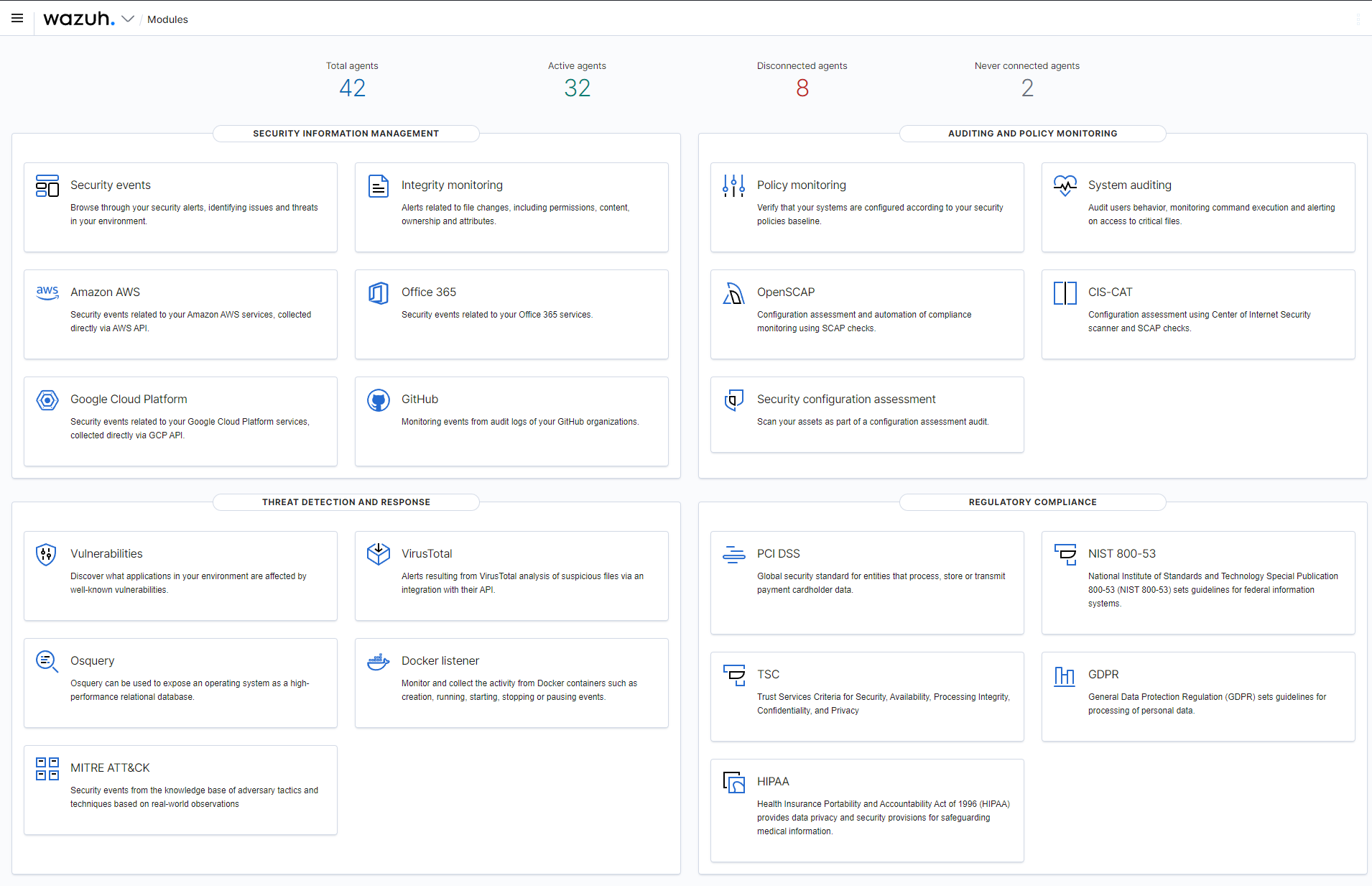
17.3Kwazuh/wazuh · C++Wazuh is a free, open source security platform (XDR and SIEM) for threat prevention, detection and response across on-premises, virtualized, containerized and cloud workloads.
- 6

vuls
12.3Kfuture-architect/vuls · GoVuls is an open-source, agent-less vulnerability scanner written in Go. It automatically detects vulnerabilities affecting your servers and can generate reports on a regular basis, for example via CRON.
- 7

defending-code-reference-harness
7.6Kanthropics/defending-code-reference-harness · PythonA reference implementation from Anthropic for finding and fixing vulnerabilities with Claude: a set of Claude Code skills (quickstart, threat-model, vuln-scan, triage, patch, customize) plus an autonomous scanning harness that runs a recon-find-verify-report-patch loop, built from learnings partnering with security teams.
- 8
BEAR-C2
703S3N4T0R-0X0/BEAR-C2 · PythonBEAR-C2 is an adversary simulation and emulation framework for red team operations, built around real-world TTPs inspired by Russian, Chinese, North Korean, and Iranian APT groups.
- 9
gh-secure
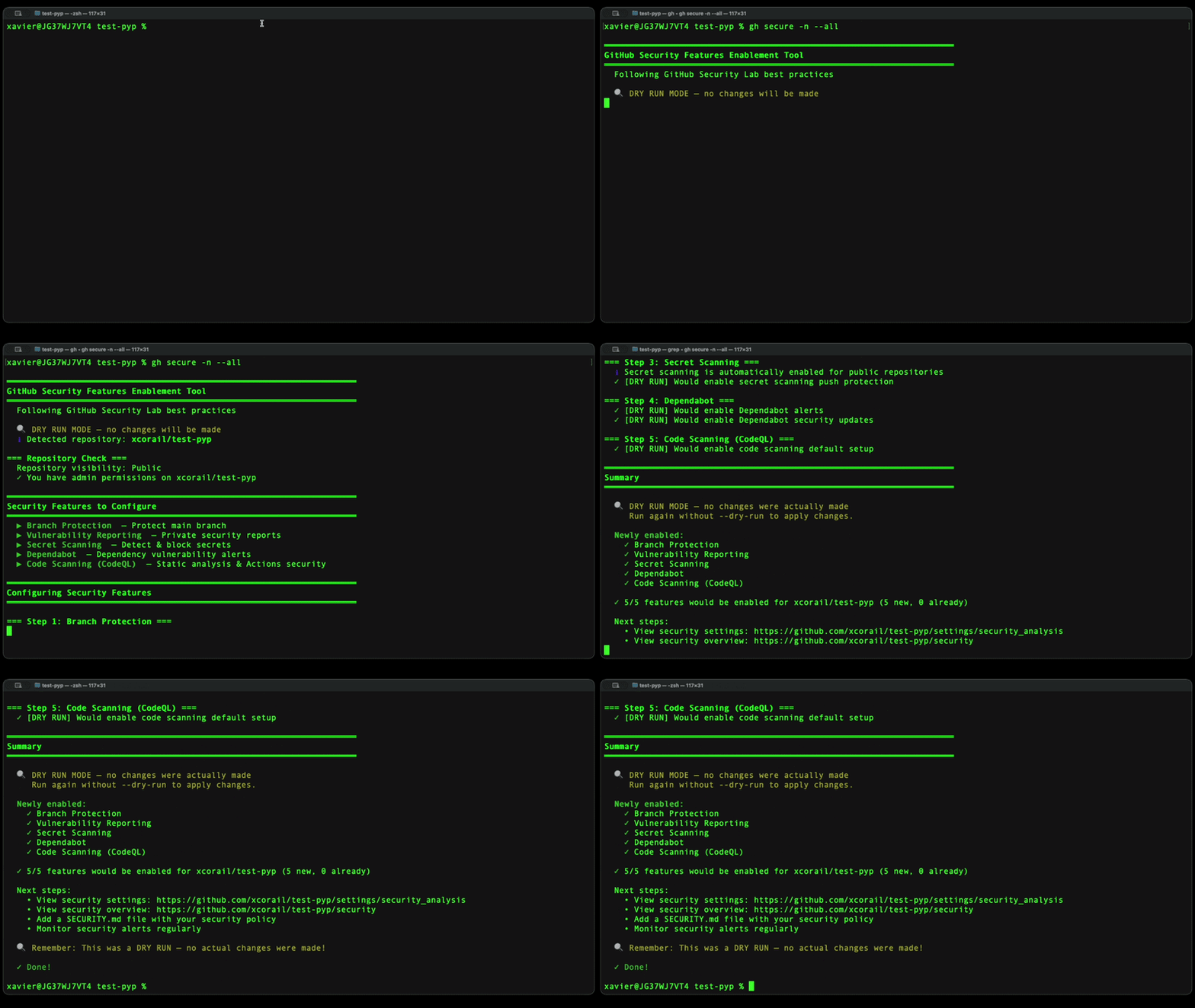
653GitHubSecurityLab/gh-secure · Shellgh-secure is a GitHub CLI extension that turns on five recommended security features on a repository — branch protection, private vulnerability reporting, secret scanning, Dependabot, and code scanning — in about 2 minutes.
- 10

cynative
223cynative/cynative · GoCynative is an open-source AI agent framework that gives LLMs live, read-only access to your AWS, Azure, GCP, Kubernetes, GitHub and GitLab infrastructure so you can ask security questions and run cloud security posture and detection checks.
- 11

docker
165decionis/docker · GoDecionis for Docker is an execution-authority layer for AI agents: before an agent performs a sensitive action like deploying infrastructure or calling a privileged MCP tool, it checks a deterministic policy and returns PROCEED, HOLD, or BLOCK.
Related topics
Often tagged together
- linux4,184
- security976
- macos3,544
- open-source5,666
- windows3,403
- cybersecurity245
- security-tools282
- docker1,660
- ai-agents1,289
- cross-platform2,623
- penetration-testing126
- self-hosted1,929
- ai-security44
- devsecops38
- ai-agent556
- cli2,227
- go681
- llm1,483
- offensive-security77
- python2,383
- server1,459
- terminal1,101
- vulnerability-scanner43
- ai1,955