Topics / #genai
Genai projects on GitHub
Short form of generative AI: models creating text, images, and code.
As of , the most-starred Genai projects on GitHub are dify (158.7K stars), mem0 (67.3K stars) and LightRAG (40.2K stars). GitHub.Locker tracks 21 Genai repositories with 628.9K stars combined. The fastest-growing on October 16 was dify, with +84 stars in a day.
Hot right now
Most stars gained in a day · Oct 16
 +84
+84dify
langgenius/dify · ★ 158.7KDify is an open-source platform for building LLM applications: AI workflows, RAG pipelines, and agents, with model management and observability in one collaborative workspace.
 +61
+61mem0
mem0ai/mem0 · ★ 67.3KMem0 is a memory layer for AI agents and apps: it stores user preferences and conversation history so your AI assistant remembers people across sessions instead of starting from zero every time.
 +42
+42agentmemory
rohitg00/agentmemory · ★ 29.6KPersistent memory for AI coding agents: it captures what your agent does, compresses it into searchable memory, and injects the right context when the next session starts, so you stop re-explaining your project to Claude Code, Cursor or Codex.
 +29
+29500-AI-Agents-Projects
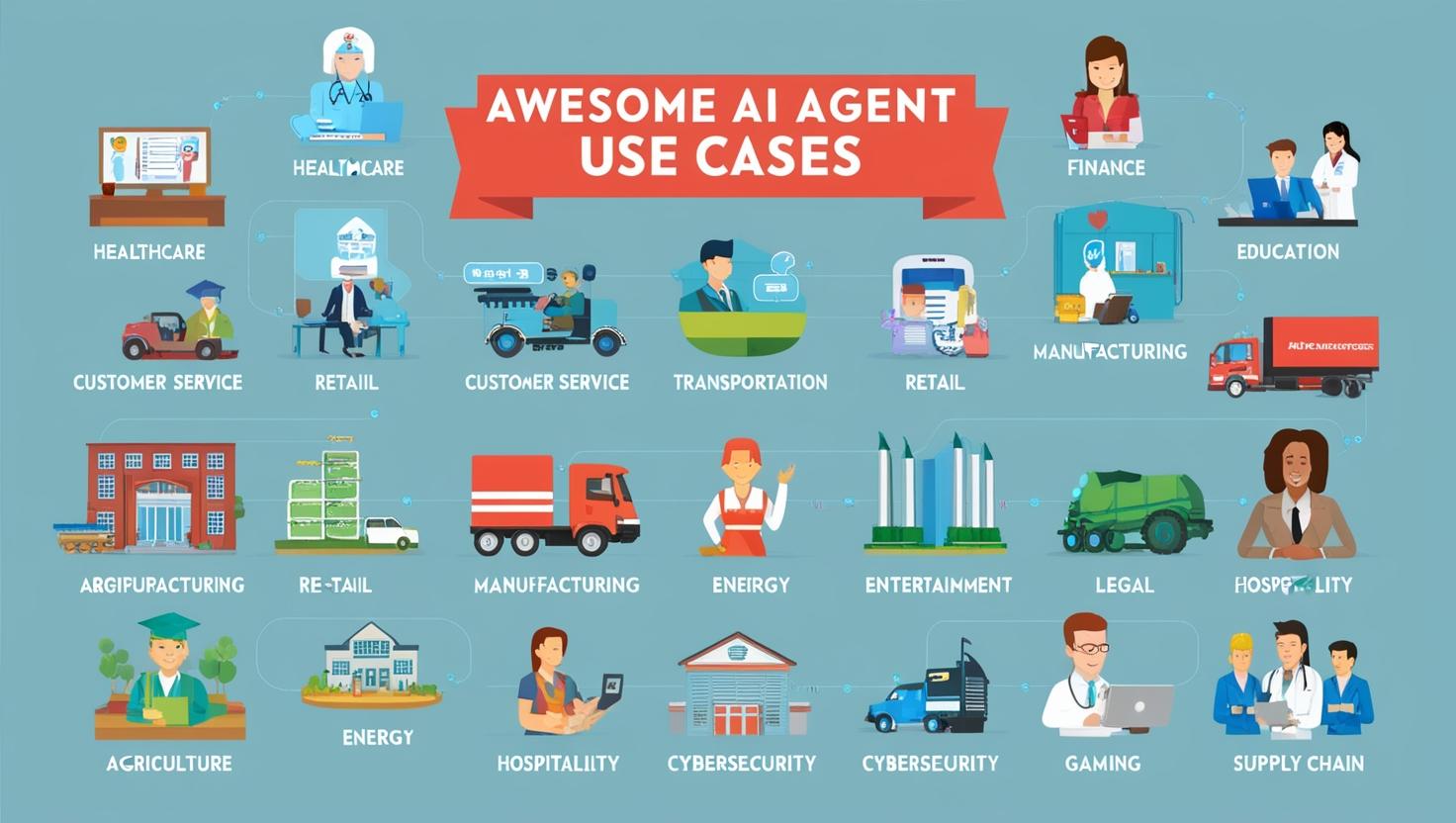
ashishpatel26/500-AI-Agents-Projects · ★ 38.7KA curated collection of 500+ AI agent projects spanning every major framework (LangGraph, CrewAI, AutoGen, Agno) and industries like healthcare, finance, education, and cybersecurity, with links to working implementations.
The all-time top
21 projects · by stars
- 158.7K#1 · langgenius/dify
dify
Dify is an open-source platform for building LLM applications: AI workflows, RAG pipelines, and agents, with model management and observability in one collaborative workspace.
- 67.3K#2 · mem0ai/mem0
mem0
Mem0 is a memory layer for AI agents and apps: it stores user preferences and conversation history so your AI assistant remembers people across sessions instead of starting from zero every time.
- 40.2K
 #3 · HKUDS/LightRAG
LightRAG
LightRAG is an open-source, graph-based RAG framework (EMNLP 2025) by HKUDS. It indexes your documents into a knowledge graph plus vector embeddings so you can query them — a lighter, faster alternative to Microsoft GraphRAG.
- 4
500-AI-Agents-Projects
38.7Kashishpatel26/500-AI-Agents-Projects · PythonA curated collection of 500+ AI agent projects spanning every major framework (LangGraph, CrewAI, AutoGen, Agno) and industries like healthcare, finance, education, and cybersecurity, with links to working implementations.
- 5

tabby
33.9KTabbyML/tabby · RustTabby is a self-hosted AI coding assistant that gives you an open-source, on-premises alternative to GitHub Copilot, with code completion and chat features.
- 6
agentmemory
29.6Krohitg00/agentmemory · TypeScriptPersistent memory for AI coding agents: it captures what your agent does, compresses it into searchable memory, and injects the right context when the next session starts, so you stop re-explaining your project to Claude Code, Cursor or Codex.
- 7

repomix
28.9Kyamadashy/repomix · TypeScriptRepomix packs an entire repository into a single AI-friendly file you can feed to LLMs like Claude, ChatGPT, DeepSeek or Gemini — for code review, refactoring, docs or tests.
- 8

haystack
26.8Kdeepset-ai/haystack · PythonAn open-source AI orchestration framework for building production-ready LLM applications in Python: modular pipelines and agent workflows with explicit control over retrieval, routing, memory, and generation.
- 9

GenAI_Agents
24.6KNirDiamant/GenAI_Agents · Jupyter NotebookA collection of 50+ tutorials and implementations of Generative AI agent techniques, from basic conversational bots to complex multi-agent systems, packaged as hands-on Python notebooks.
- 10

adk-python
21.9Kgoogle/adk-python · PythonAgent Development Kit (ADK) is Google's open-source, code-first Python framework for building, evaluating, and deploying sophisticated AI agents — from simple tasks to complex multi-agent systems.
- 11

agents-towards-production
21.7KNirDiamant/agents-towards-production · Jupyter NotebookIt's an open-source collection of 28+ code-first, hands-on tutorials for taking GenAI agents from a prototype to a production-ready product, covering orchestration, memory, observability, deployment, and security.
- 12

pydantic-ai
20.7Kpydantic/pydantic-ai · PythonPydantic AI is the Python AI SDK for building agents: a typed, extensible agent loop where every model is a string swap away. The same agent runs behind a web frontend, in the terminal, on a voice call, or as a plain object you call run() on.
- 13

easy-vibe
19.8Kdatawhalechina/easy-vibe · JavaScriptEasy-Vibe is a beginner-friendly course from Datawhale ('vibe coding 101') that teaches AI-native product building: learning to code by shipping real products, from a first idea to a working app.
- 14
iii
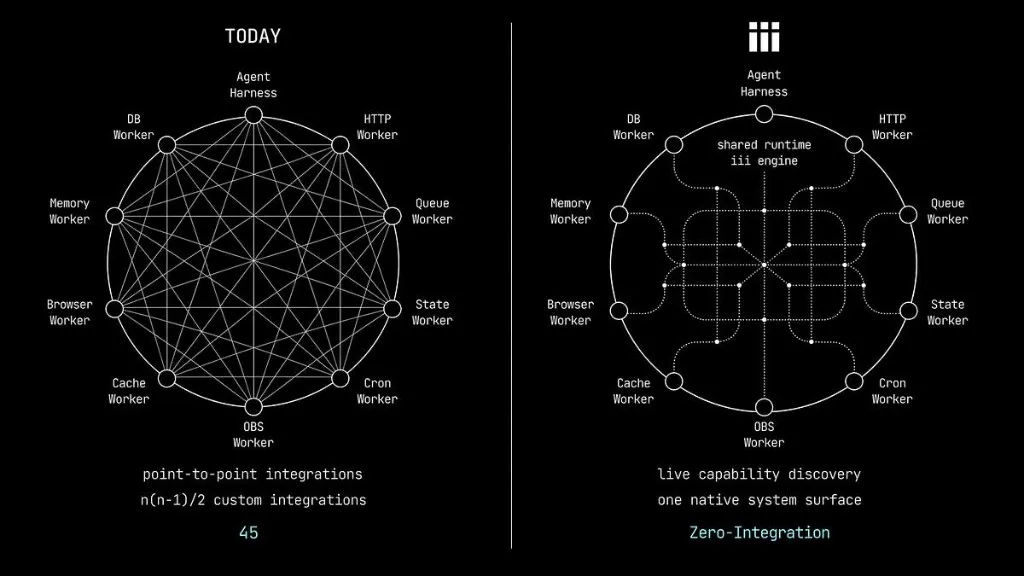
18.8Kiii-hq/iii · Rustiii is a real-time engine for your backend stack: queues, cron, HTTP, state, observability, agents, and sandboxes are collapsed into one live system surface where every service is composable and observable.
- 15

parlant
18.3Kemcie-co/parlant · PythonAn open-source interaction control harness for building customer-facing AI agents that behave consistently, compliantly, and traceably — support, sales, onboarding — positioned as an open-source alternative to Ada, Decagon, or Sierra.
- 16

mcp-toolbox
16.7Kgoogleapis/mcp-toolbox · GoMCP Toolbox for Databases is an open source MCP server that connects AI agents, IDEs, and apps directly to enterprise databases like PostgreSQL, MySQL, BigQuery, MongoDB, and more.
- 17

kubeflow
15.9Kkubeflow/kubeflowKubeflow is the foundation of tools for building AI platforms on Kubernetes, covering every stage of the AI lifecycle through a set of composable, Kubernetes-native subprojects.
- 18
bisheng
12.1Kdataelement/bisheng · PythonBISHENG is an open-source LLM application devops platform built for enterprise AI, covering GenAI workflow building, RAG, agents, model management, evaluation, SFT, dataset management and observability.
- 19
tensorzero
11.7Ktensorzero/tensorzero · RustTensorZero is an open-source LLMOps platform that combines an LLM gateway, observability, evaluation, optimization, and experimentation tooling into one self-hosted stack.
- 20

VoiceMem
2.6Kxzf-thu/VoiceMem · PythonVoiceMem is an open-source memory infrastructure for real-time voice agents, giving them long-term memory through a dual-brain architecture: a 'left brain' that stores factual information and a 'right brain' that tracks emotions and personality, built on a fully streaming pipeline to keep latency low.
- 21
memoket-kite
144memoket/memoket-kite · PythonKITE is an open-source, vector-free long-term memory engine for AI agents: it turns conversations into structured, topic-indexed facts and answers questions with inspectable retrieval plans instead of embedding similarity search, topping the LoCoMo and LongMemEval benchmarks.
Related topics
Often tagged together