Topics / #text-classification
Text-classification projects on GitHub
Categorizing text into labels with NLP models.
As of , the most-starred Text-classification projects on GitHub are funNLP (83K stars), HanLP (36.5K stars) and spaCy (34K stars). GitHub.Locker tracks 12 Text-classification repositories with 288.7K stars combined. The fastest-growing on October 17 was laya, with +100 stars in a day.
Hot right now
Most stars gained in a day · Oct 17
 +100
+100laya
NandhaKishorM/laya · ★ 33.2KLaya is a non-autoregressive decision engine: instead of generating text, it answers typed questions — multiple choice, a numeric score, or yes/no — about any text in a single forward pass, across 100+ languages. A built-in router detects the language and picks the right checkpoint per request.
 +33
+33Hands-On-Large-Language-Models
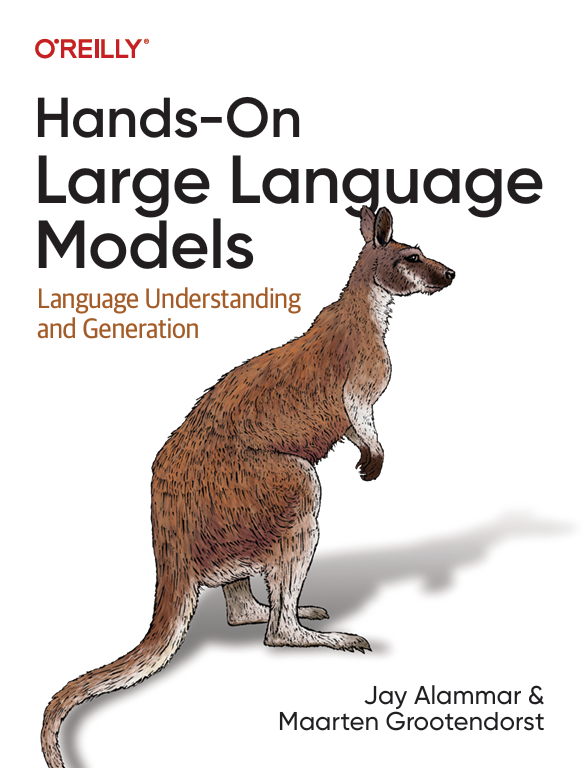
HandsOnLLM/Hands-On-Large-Language-Models · ★ 29.7KThe official code repo for the O'Reilly book 'Hands-On Large Language Models', known as the Illustrated LLM Book. It contains a Jupyter notebook for each of the book's 12 chapters.
 +22
+22funNLP
fighting41love/funNLP · ★ 83KA huge curated collection of Chinese NLP resources: corpora, lexicons, tools, datasets and courses. The README calls it 'The Most Powerful NLP-Weapon Arsenal' — nearly the most complete Chinese NLP resource library.
 +9
+9jev
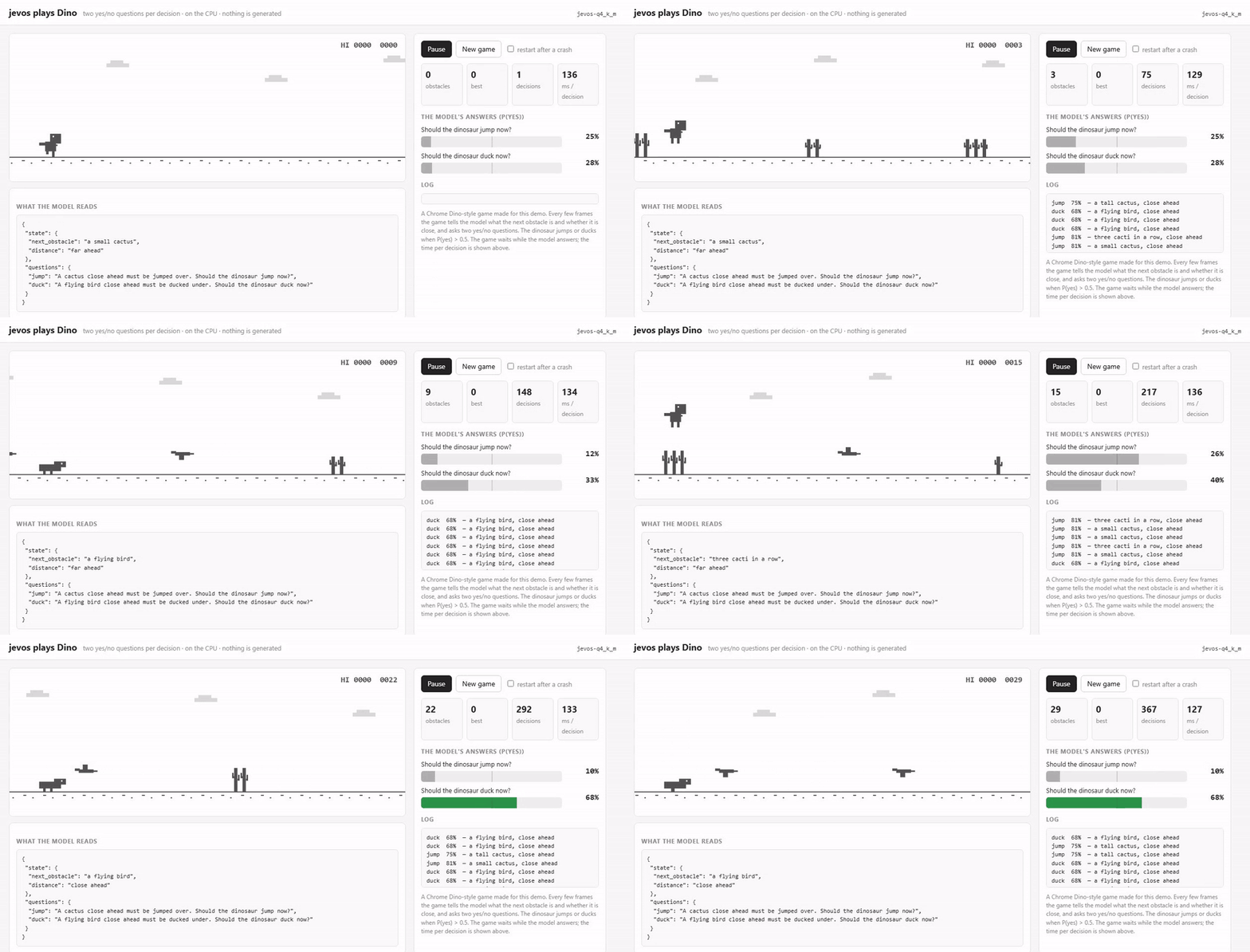
feder-cr/jev · ★ 1.4Kjevos-1b is a free, open-source yes/no decision engine that runs locally on your laptop's CPU, returning the probability that the answer is 'yes' for a given text plus question in about 50-220 ms, as a self-hosted alternative to the cloud-based Jev service.
The all-time top
12 projects · by stars
- 83K#1 · fighting41love/funNLP
funNLP
A huge curated collection of Chinese NLP resources: corpora, lexicons, tools, datasets and courses. The README calls it 'The Most Powerful NLP-Weapon Arsenal' — nearly the most complete Chinese NLP resource library.
- 36.5K
 #2 · hankcs/HanLP
HanLP
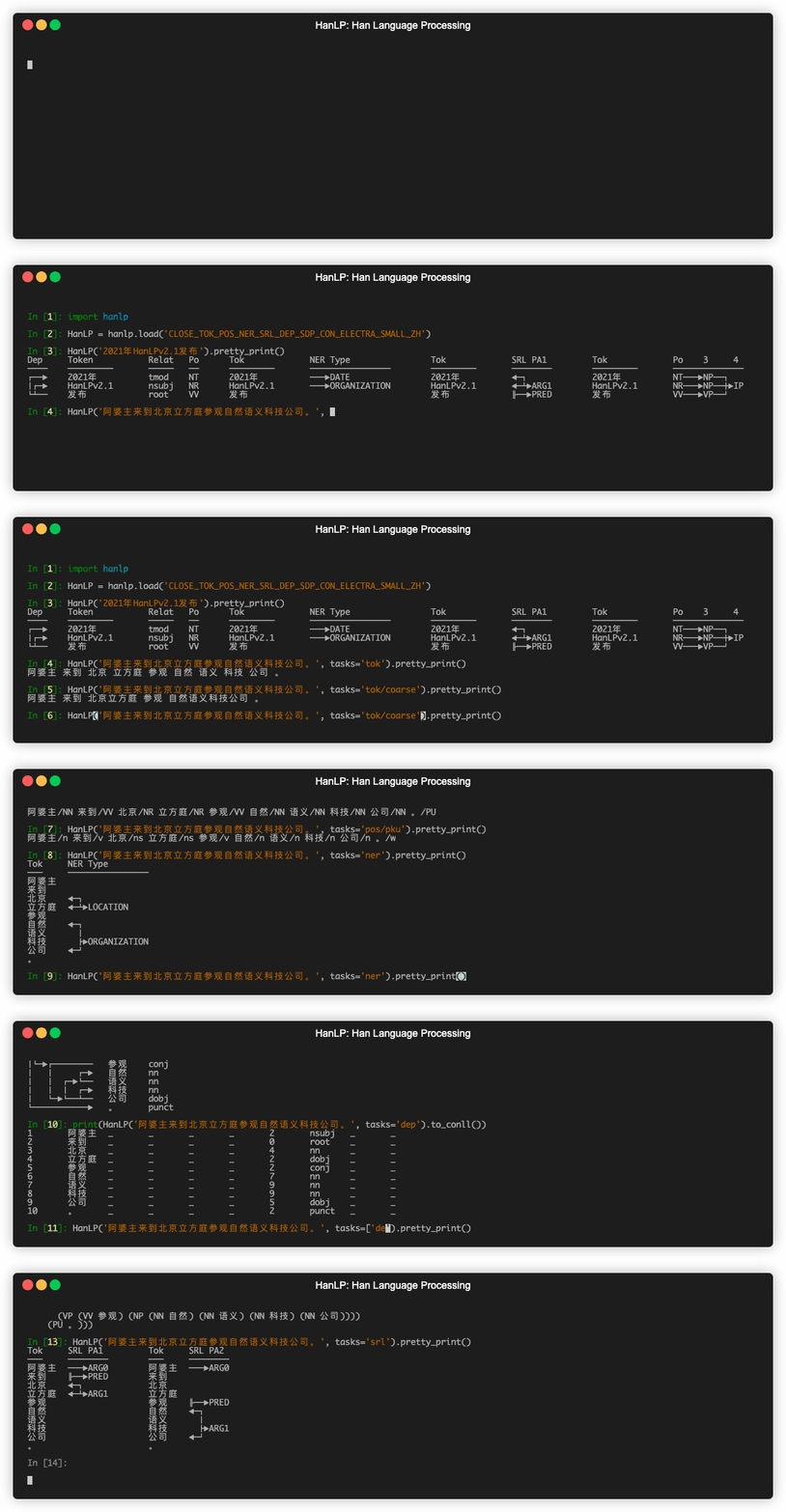
HanLP is a production-oriented, multilingual NLP toolkit built on dual PyTorch/TensorFlow 2.x engines, supporting 130 languages with ten joint tasks such as tokenization, POS tagging, NER, dependency and constituency parsing, semantic role labeling, and text classification.
- 34K
 #3 · explosion/spaCy
spaCy
spaCy is a library for advanced Natural Language Processing in Python and Cython, designed from day one for real products. It ships pretrained pipelines and supports tokenization and training for 70+ languages.
- 4
laya
33.2KNandhaKishorM/laya · PythonLaya is a non-autoregressive decision engine: instead of generating text, it answers typed questions — multiple choice, a numeric score, or yes/no — about any text in a single forward pass, across 100+ languages. A built-in router detects the language and picks the right checkpoint per request.
- 5
Hands-On-Large-Language-Models
29.7KHandsOnLLM/Hands-On-Large-Language-Models · Jupyter NotebookThe official code repo for the O'Reilly book 'Hands-On Large Language Models', known as the Illustrated LLM Book. It contains a Jupyter notebook for each of the book's 12 chapters.
- 6

fastText
26.5Kfacebookresearch/fastText · HTMLfastText is a library from Facebook Research for efficiently learning word vector representations and training text classifiers, such as for sentiment analysis.
- 7

lectures
15.9Koxford-cs-deepnlp-2017/lecturesThe lecture slides and course description for the Deep Natural Language Processing course offered in Hilary Term 2017 at the University of Oxford: an advanced, applied NLP course organised by Phil Blunsom and delivered in partnership with the DeepMind Natural Language Research Group.
- 8

flair
14.4KflairNLP/flair · PythonFlair is a very simple framework for state-of-the-art natural language processing: a Python library for applying pre-trained NLP models to your text, developed by Humboldt University of Berlin and friends. The current release is version 0.15.1.
- 9
lime
12.2Kmarcotcr/lime · JavaScriptLIME (Local Interpretable Model-agnostic Explanations) is a Python package that explains individual predictions of any machine learning classifier, whether it works on text, tabular data, or images.
- 10
jev
1.4Kfeder-cr/jev · C++jevos-1b is a free, open-source yes/no decision engine that runs locally on your laptop's CPU, returning the probability that the answer is 'yes' for a given text plus question in about 50-220 ms, as a self-hosted alternative to the cloud-based Jev service.
- 11
jevlike
1.4Kvinnylarouge/jevlike · PythonA small research model that reads a piece of text plus a list of options and returns a probability for each option in one pass, instead of writing an answer token by token.
- 12

GLiClass
563Knowledgator/GLiClass · PythonGLiClass is an efficient zero-shot model for sequence classification, inspired by GLiNER: give it a text and a list of candidate labels, and it classifies the text with accuracy comparable to cross-encoders.
Related topics
Often tagged together
- machine-learning915
- nlp214
- python2,396
- deep-learning736
- classification45
- ai1,954
- gpu788
- linux4,181
- macos3,544
- natural-language-processing96
- pytorch419
- data-science231
- embeddings135
- library1,587
- mit3,311
- open-source5,666
- research764
- windows3,401
- huggingface361
- llm1,483
- multilingual214
- named-entity-recognition12
- word-embeddings7
- apache-2.01,434