523 ·GitHub
Что это?
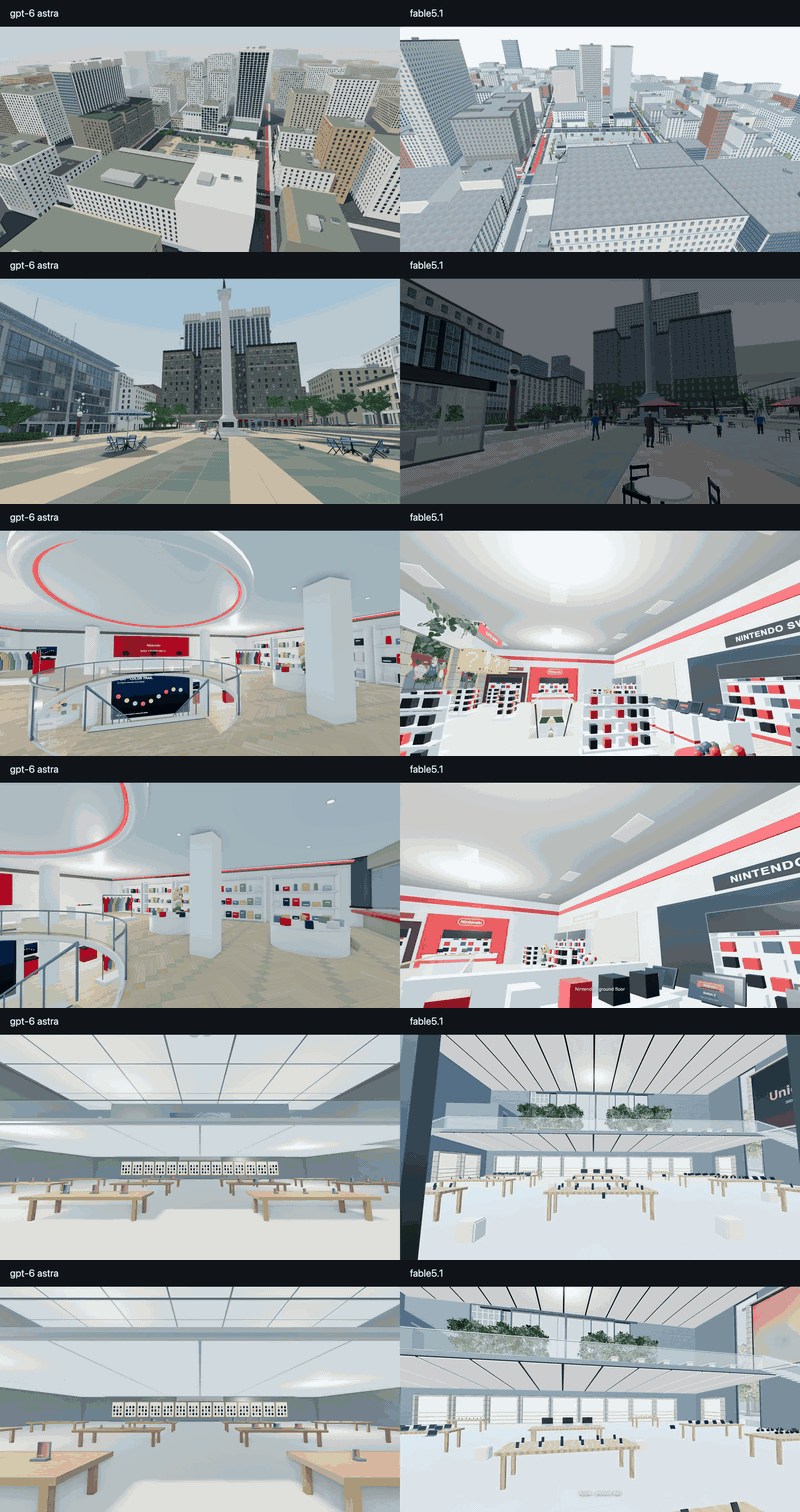
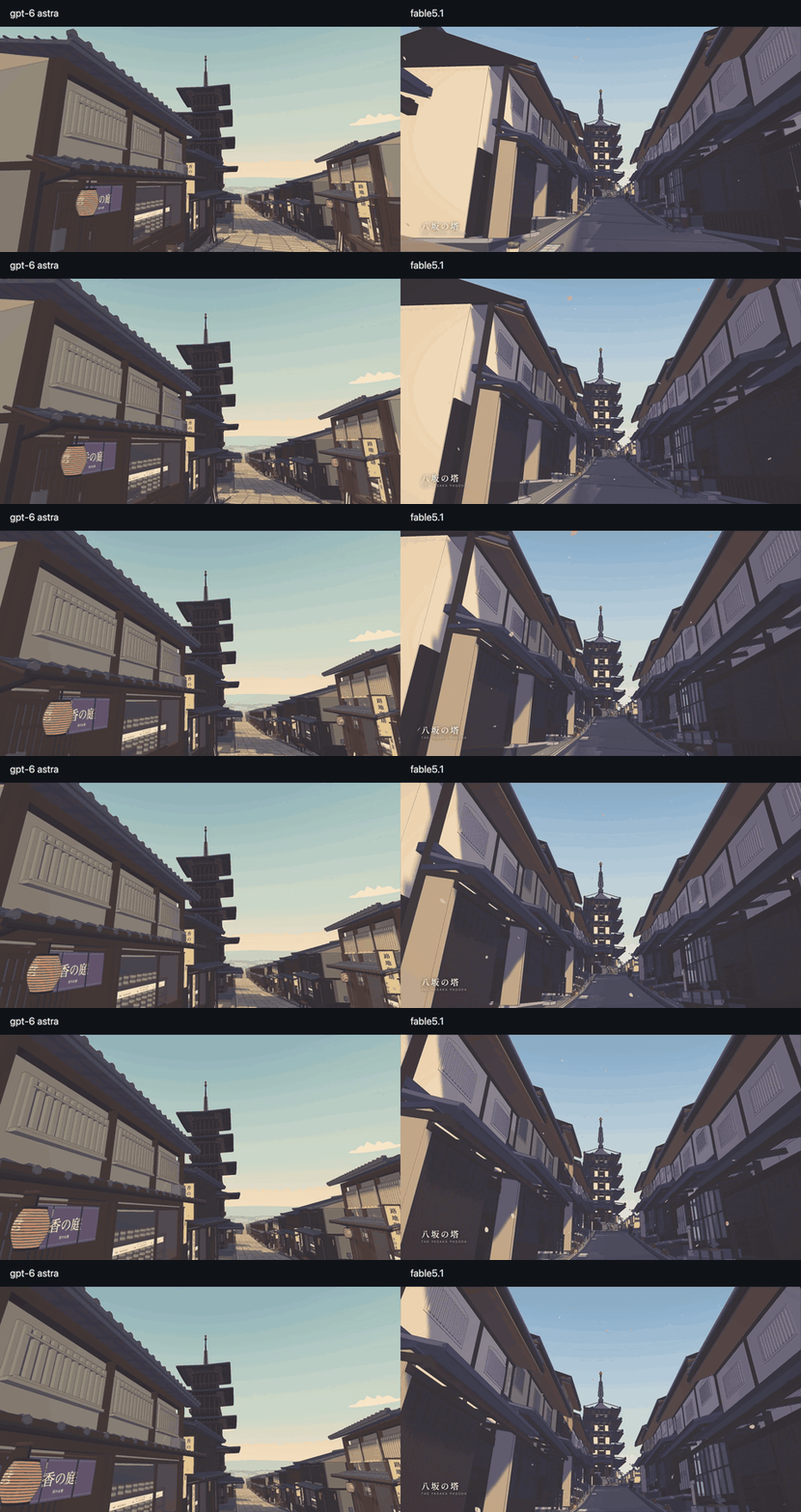
 Этот проект превращает одно короткое задание — предложение, фотографию или видеоклип — в проходимый 3D-мир, который генерируют рои агентов на базе Claude под названием 'Fable 5.1': они изучают реальное место, моделируют его, рендерят и проверяют.
Этот проект превращает одно короткое задание — предложение, фотографию или видеоклип — в проходимый 3D-мир, который генерируют рои агентов на базе Claude под названием 'Fable 5.1': они изучают реальное место, моделируют его, рендерят и проверяют.Это игровой движок или что-то другое?Это не игровой движок: каждый мир поставляется как обычное веб-приложение на Three.js, без проприетарных 3D-тайлов и скачанных мешей, ведь каждое здание, вывеска и дерево генерируются кодом из репозитория.
Это не игровой движок: каждый мир поставляется как обычное веб-приложение на Three.js, без проприетарных 3D-тайлов и скачанных мешей, ведь каждое здание, вывеска и дерево генерируются кодом из репозитория.Как именно строятся и перезапускаются эти миры?Каждый этап можно перезапустить из репозитория: агенты разведки подтягивают картографические данные и высоты, скрипты генерации ассетов создают фасады и реквизит, рантайм на Three.js собирает сцену из JSON-спецификаций, а проверка на базе Playwright сравнивает скриншоты с реальными фотографиями.
Каждый этап можно перезапустить из репозитория: агенты разведки подтягивают картографические данные и высоты, скрипты генерации ассетов создают фасады и реквизит, рантайм на Three.js собирает сцену из JSON-спецификаций, а проверка на базе Playwright сравнивает скриншоты с реальными фотографиями.На чём работает пайплайн — Claude, Three.js или что-то ещё?Пайплайн построен на роях агентов Claude для исследований и генерации, чистом рантайме Three.js для рендеринга, Playwright для автоматизированной проверки и геометрии реального мира, взятой из OpenStreetMap, USGS 3DEP и сервиса высот GSI.
Пайплайн построен на роях агентов Claude для исследований и генерации, чистом рантайме Three.js для рендеринга, Playwright для автоматизированной проверки и геометрии реального мира, взятой из OpenStreetMap, USGS 3DEP и сервиса высот GSI.Весь ли роадмап уже работает, или только часть?Сейчас работает только этап интерактивных сцен; анимация/видео, среды для обучения агентов, симуляция 4D/телесности/робототехники и бенчмарки test-time scaling значатся пунктами будущего роадмапа, а не готовыми возможностями.
Сейчас работает только этап интерактивных сцен; анимация/видео, среды для обучения агентов, симуляция 4D/телесности/робототехники и бенчмарки test-time scaling значатся пунктами будущего роадмапа, а не готовыми возможностями.Нужен ли игровой движок или особое железо, чтобы посмотреть мир?Нет — сгенерированные миры открываются прямо в обычном браузере через WebGL и Three.js; проприетарный движок, установщик или скачанные ассеты не нужны.
Нет — сгенерированные миры открываются прямо в обычном браузере через WebGL и Three.js; проприетарный движок, установщик или скачанные ассеты не нужны.Какие лицензии у кода и сгенерированных миров?Код и сгенерированные ассеты распространяются по MIT, но исходная геометрия произведена от OpenStreetMap (ODbL), USGS 3DEP (public domain) и сервиса высот GSI, а справочные фотографии не распространяются.
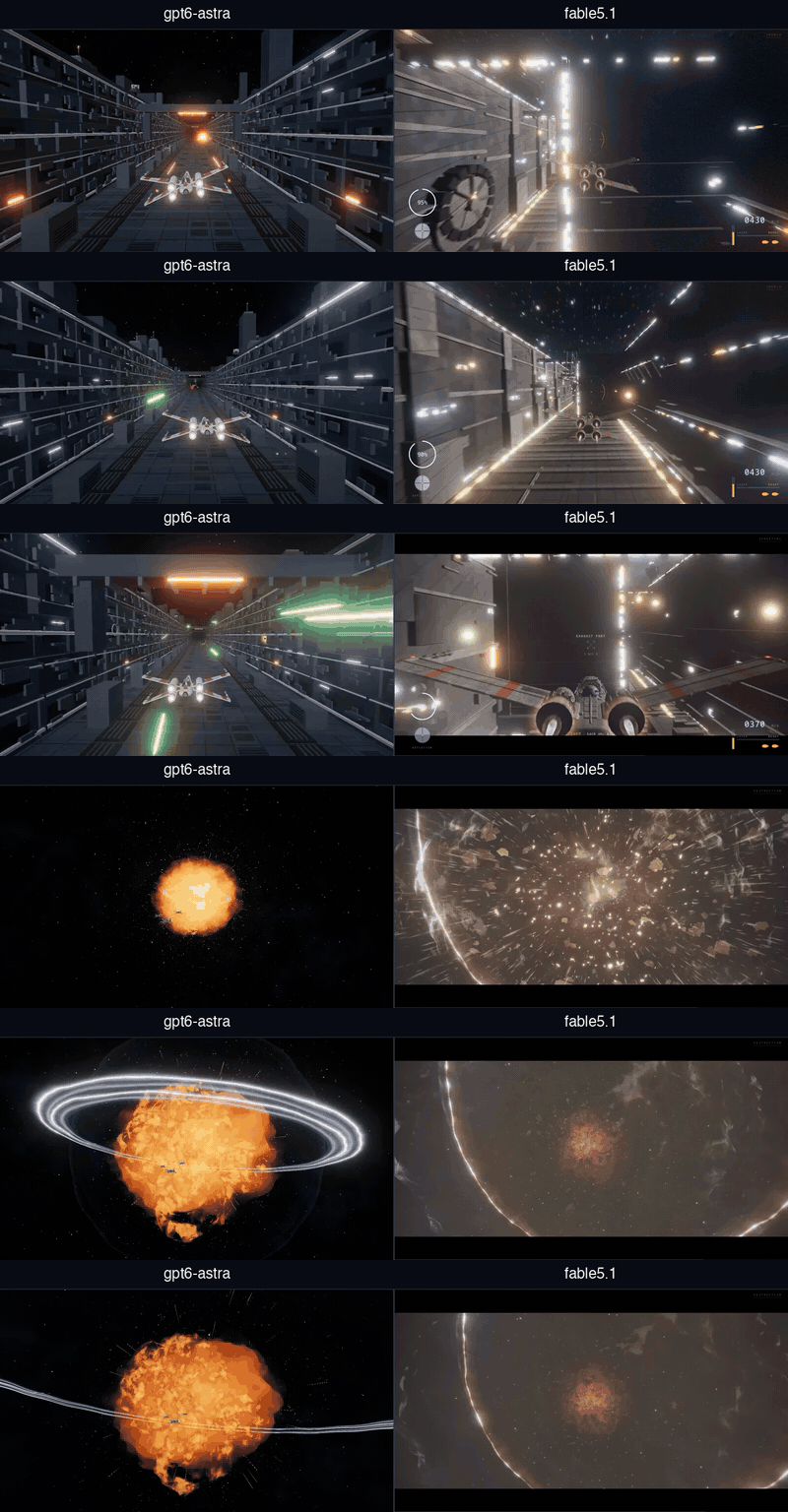
Код и сгенерированные ассеты распространяются по MIT, но исходная геометрия произведена от OpenStreetMap (ODbL), USGS 3DEP (public domain) и сервиса высот GSI, а справочные фотографии не распространяются.Что именно такое Fable 5.1?Это название системы роя агентов на базе Claude, которая исследует, моделирует, рендерит и проверяет каждый сгенерированный мир; её напрямую сравнивают один на один с GPT-6 Astra на одинаковых заданиях.
Это название системы роя агентов на базе Claude, которая исследует, моделирует, рендерит и проверяет каждый сгенерированный мир; её напрямую сравнивают один на один с GPT-6 Astra на одинаковых заданиях.Как этап проверки реально проверяет мир?Playwright управляет запущенным приложением, снимает скриншоты с фиксированных точек и сравнивает их с реальными фотографиями, сделанными с того же места; независимые агенты-рецензенты (архитектор, географ, технический художник, специалист по взаимодействию) готовят QA-отчёты, которые питают следующий цикл исправлений.
Playwright управляет запущенным приложением, снимает скриншоты с фиксированных точек и сравнивает их с реальными фотографиями, сделанными с того же места; независимые агенты-рецензенты (архитектор, географ, технический художник, специалист по взаимодействию) готовят QA-отчёты, которые питают следующий цикл исправлений.Можно скормить ему видеоклип вместо текста?Да — входом может быть текст, одна фотография или видеоклип, как показывает пример Death Star Trench Run, который воссоздал всю декорацию за кадром из фильма по одному референсному клипу.
Да — входом может быть текст, одна фотография или видеоклип, как показывает пример Death Star Trench Run, который воссоздал всю декорацию за кадром из фильма по одному референсному клипу.Зачем строить миры как код, а не генерировать пиксели или видео?Код можно проверять (запустить и сверить с реальностью), компоновать из частей (переиспользуемые модули вроде генераторов фасадов и крыш) и править (запрос «витринные ниши глубже» превращается в точный дифф, а не полную перегенерацию).
Код можно проверять (запустить и сверить с реальностью), компоновать из частей (переиспользуемые модули вроде генераторов фасадов и крыш) и править (запрос «витринные ниши глубже» превращается в точный дифф, а не полную перегенерацию).What are similar projects?natural-disasters, threejs-architecture-effects, LinearAbilityExtThreeJS, dream-loop, genart-skill, image-to-3d-pipeline, anyCreature, Hermes3D
natural-disasters, threejs-architecture-effects, LinearAbilityExtThreeJS, dream-loop, genart-skill, image-to-3d-pipeline, anyCreature, Hermes3DWhich topics is it in?openstreetmap, 3d-graphics, procedural-generation, 3d-reconstruction, world-models, threejs, simulation, webgl, playwright, game-development, 3d, agentic-ai
openstreetmap, 3d-graphics, procedural-generation, 3d-reconstruction, world-models, threejs, simulation, webgl, playwright, game-development, 3d, agentic-ai