
Что это такое?
 GLM-5 — семейство больших языковых моделей с открытыми весами от Z.ai, созданных для агентной разработки и сложных долгих задач кодинга, масштабирующихся до 744 млрд параметров с разреженным вниманием для эффективного обслуживания длинного контекста.
GLM-5 — семейство больших языковых моделей с открытыми весами от Z.ai, созданных для агентной разработки и сложных долгих задач кодинга, масштабирующихся до 744 млрд параметров с разреженным вниманием для эффективного обслуживания длинного контекста.Это готовое приложение или сырая модель, которую нужно развернуть самому?Это не приложение — оно поставляется в виде загружаемых чекпоинтов с открытыми весами (через Hugging Face или ModelScope), которые вы сами разворачиваете с движком инференса, либо доступ происходит через хостинговый API.
Это не приложение — оно поставляется в виде загружаемых чекпоинтов с открытыми весами (через Hugging Face или ModelScope), которые вы сами разворачиваете с движком инференса, либо доступ происходит через хостинговый API.Как запустить GLM-5 на своём железе?Скачайте веса с Hugging Face или ModelScope, затем разверните их с помощью одного из перечисленных движков — SGLang, vLLM, Transformers, KTransformers или Unsloth, — каждый из которых снабжён ссылкой на свой cookbook или руководство в README.
Скачайте веса с Hugging Face или ModelScope, затем разверните их с помощью одного из перечисленных движков — SGLang, vLLM, Transformers, KTransformers или Unsloth, — каждый из которых снабжён ссылкой на свой cookbook или руководство в README.Какое железо нужно GLM-5 для работы?Флагманские модели огромны — до 744 млрд параметров всего, из них 40 млрд активных, — поэтому для самостоятельного хостинга нужна серьёзная мульти-GPU-инфраструктура (или Ascend NPU); меньшая GLM-5.3-Flash (320B-A18B) — более лёгкая альтернатива.
Флагманские модели огромны — до 744 млрд параметров всего, из них 40 млрд активных, — поэтому для самостоятельного хостинга нужна серьёзная мульти-GPU-инфраструктура (или Ascend NPU); меньшая GLM-5.3-Flash (320B-A18B) — более лёгкая альтернатива.В чём подвох с настройками уровня рассуждений?Управление уровнем рассуждений различается между версиями: GLM-5.2 принимает только high или max, а GLM-5.3 и GLM-5.3-Flash добавляют вариант low и молча используют max по умолчанию, если вы явно не передали low или high, — это может искажать сравнения бенчмарков, если быть невнимательным.
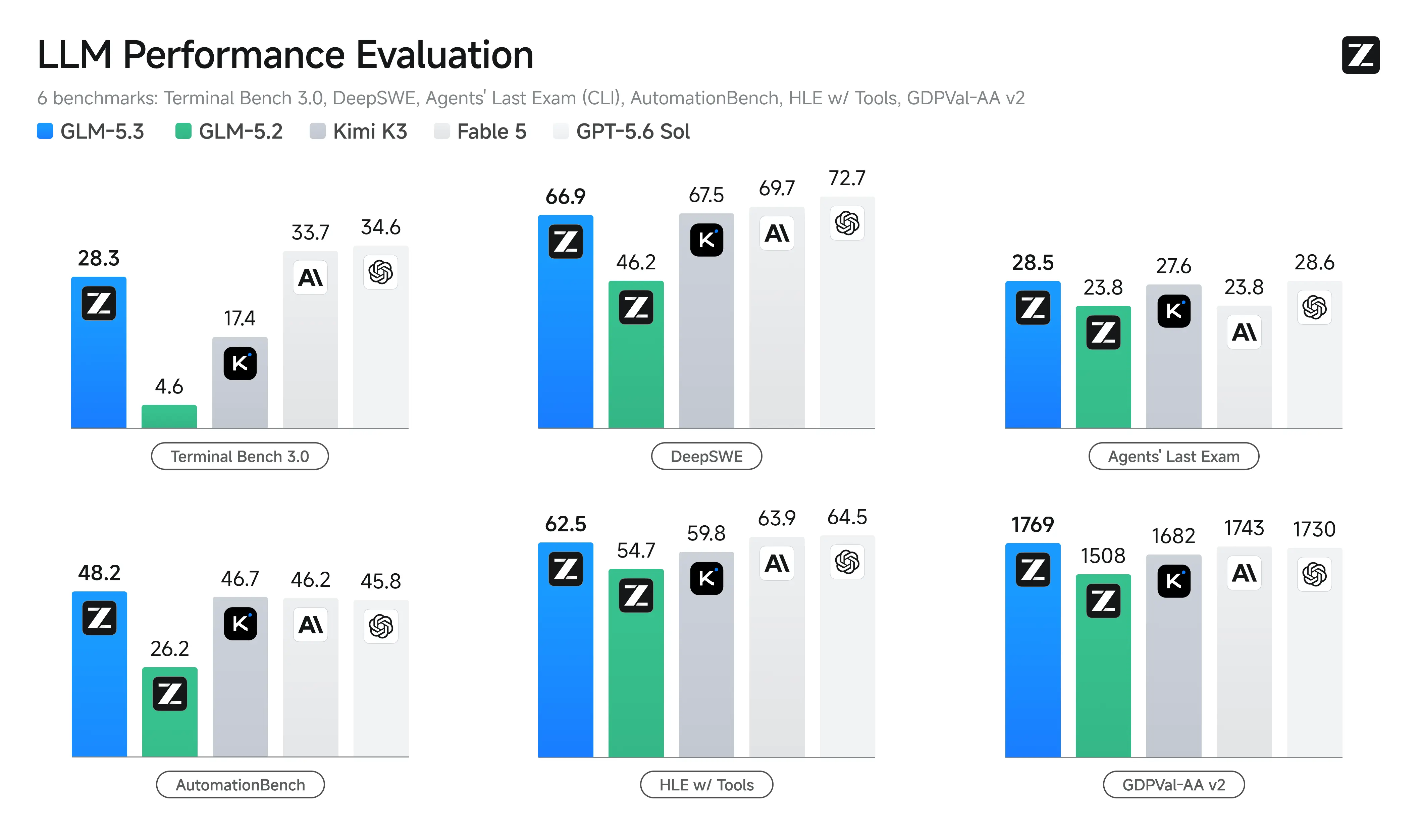
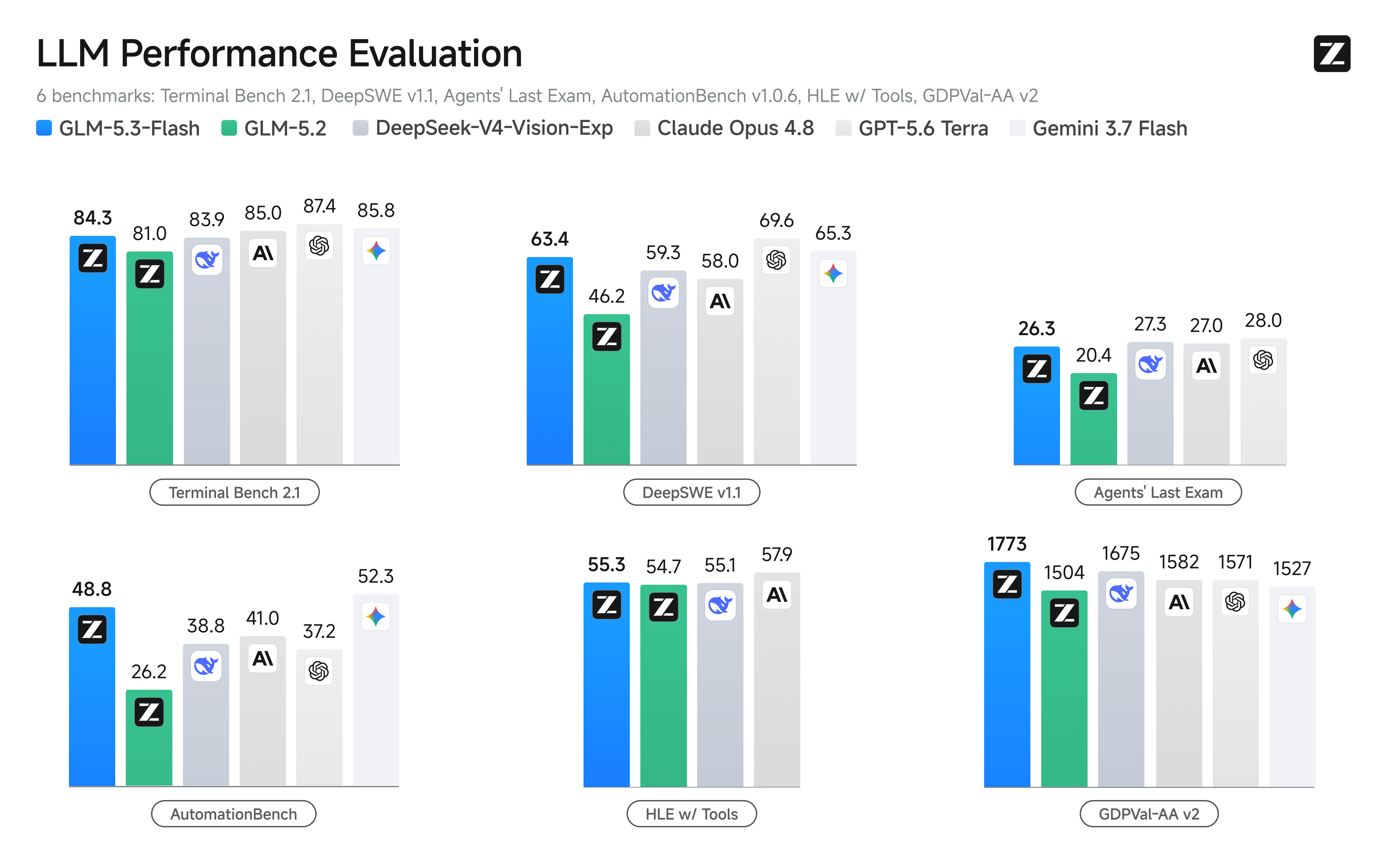
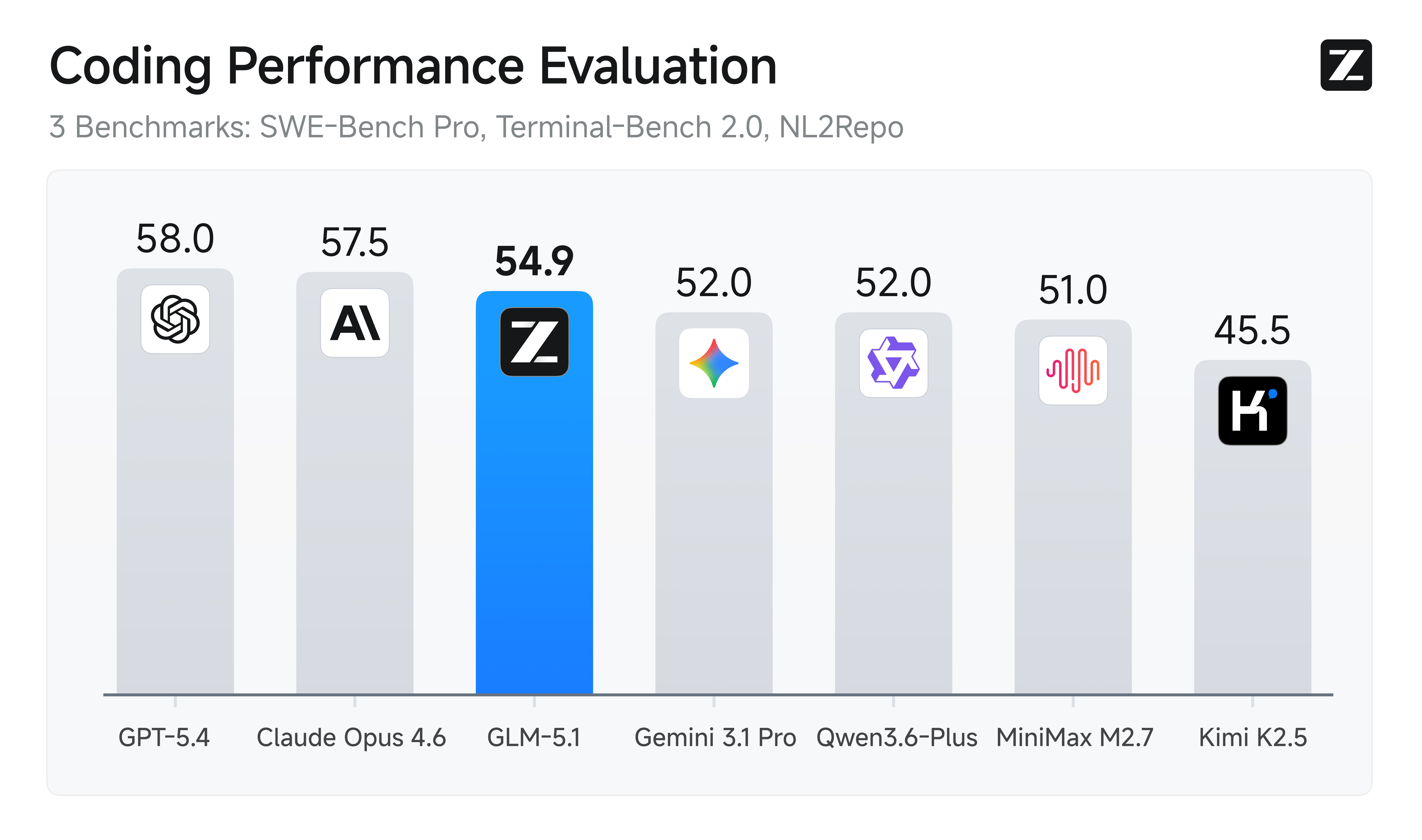
Управление уровнем рассуждений различается между версиями: GLM-5.2 принимает только high или max, а GLM-5.3 и GLM-5.3-Flash добавляют вариант low и молча используют max по умолчанию, если вы явно не передали low или high, — это может искажать сравнения бенчмарков, если быть невнимательным.Чем различаются GLM-5, GLM-5.1, GLM-5.2, GLM-5.3 и GLM-5.3-Flash?Каждый выпуск нацелен на более длинные горизонты и лучший кодинг: GLM-5 представил базовую модель на 744 млрд параметров с разреженным вниманием, GLM-5.1 улучшил настойчивость на длинных горизонтах, GLM-5.2 добавил стабильный контекст на 1 млн токенов и внимание IndexShare, а GLM-5.3 (плюс меньшая GLM-5.3-Flash с гибридным вниманием) ещё поднял результаты бенчмарков кодинга и кибербезопасности за счёт пост-обучения.
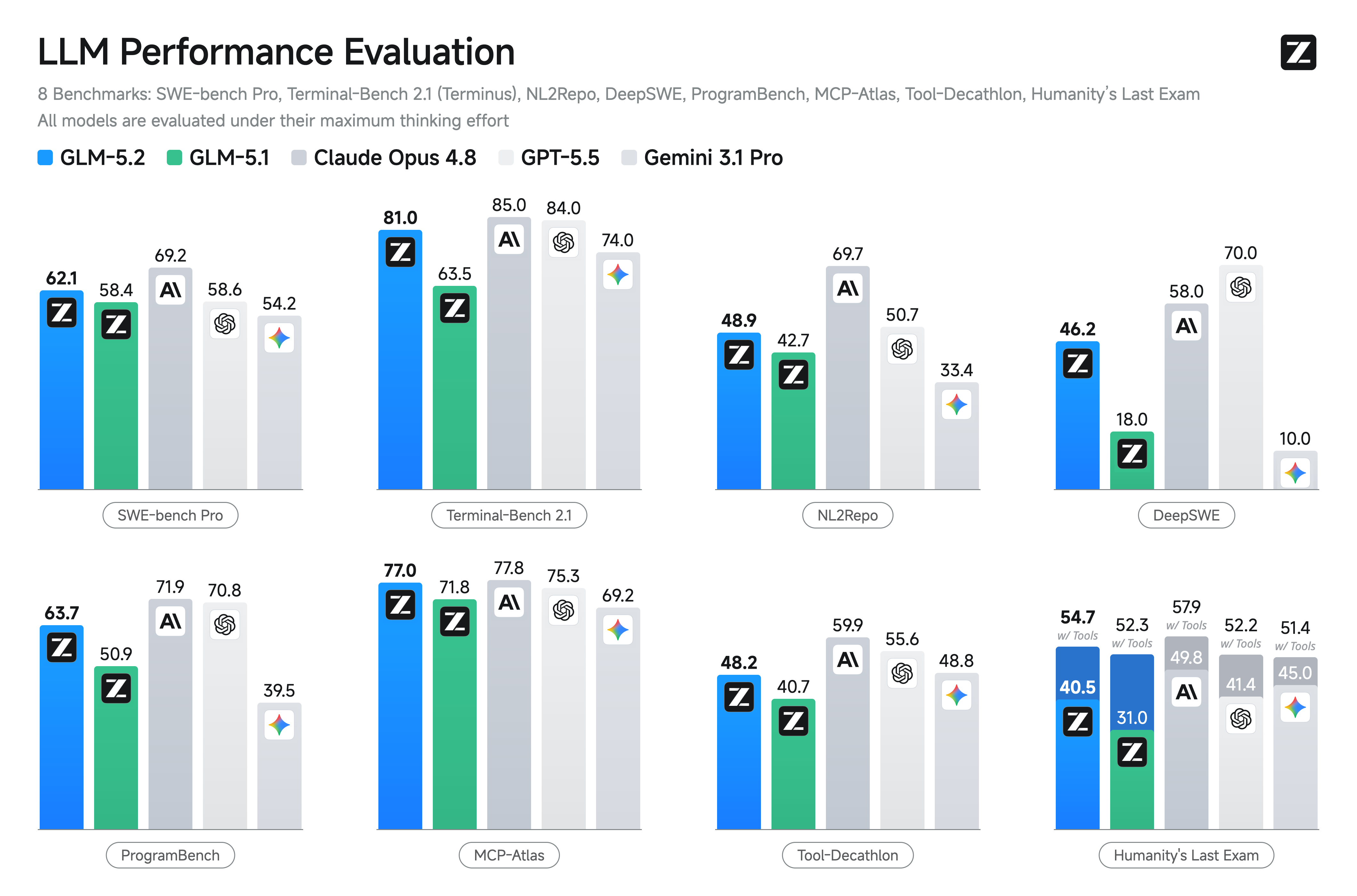
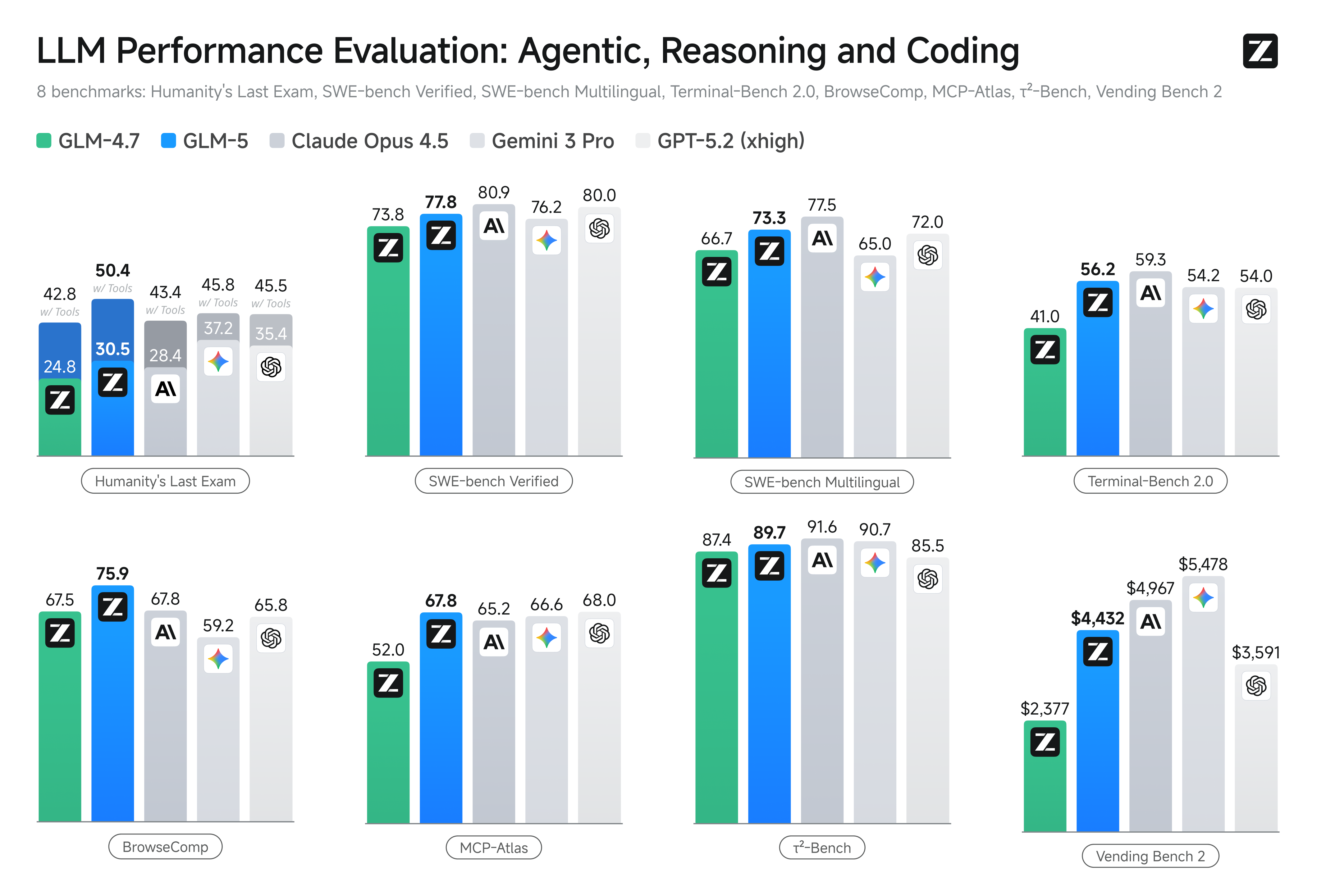
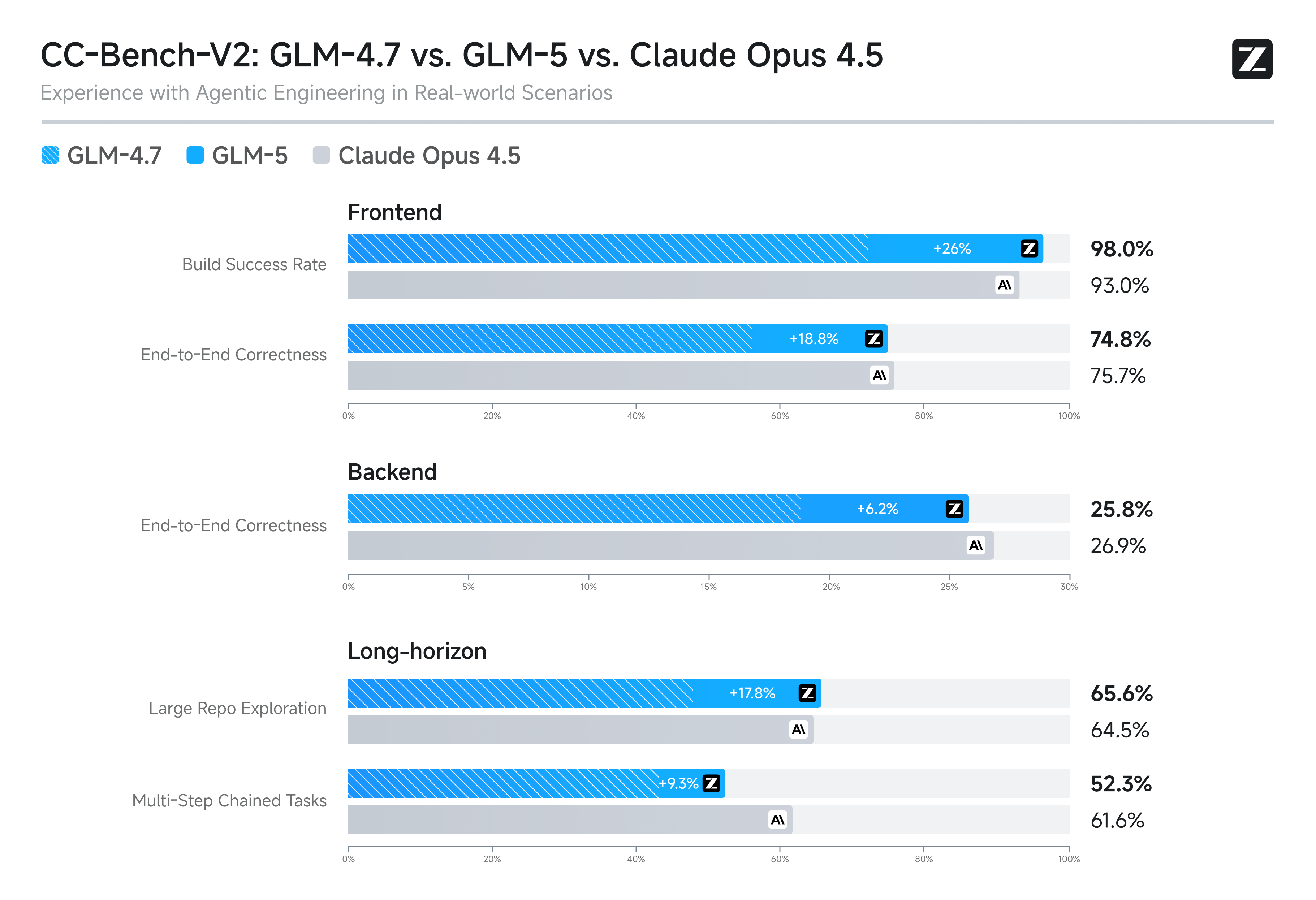
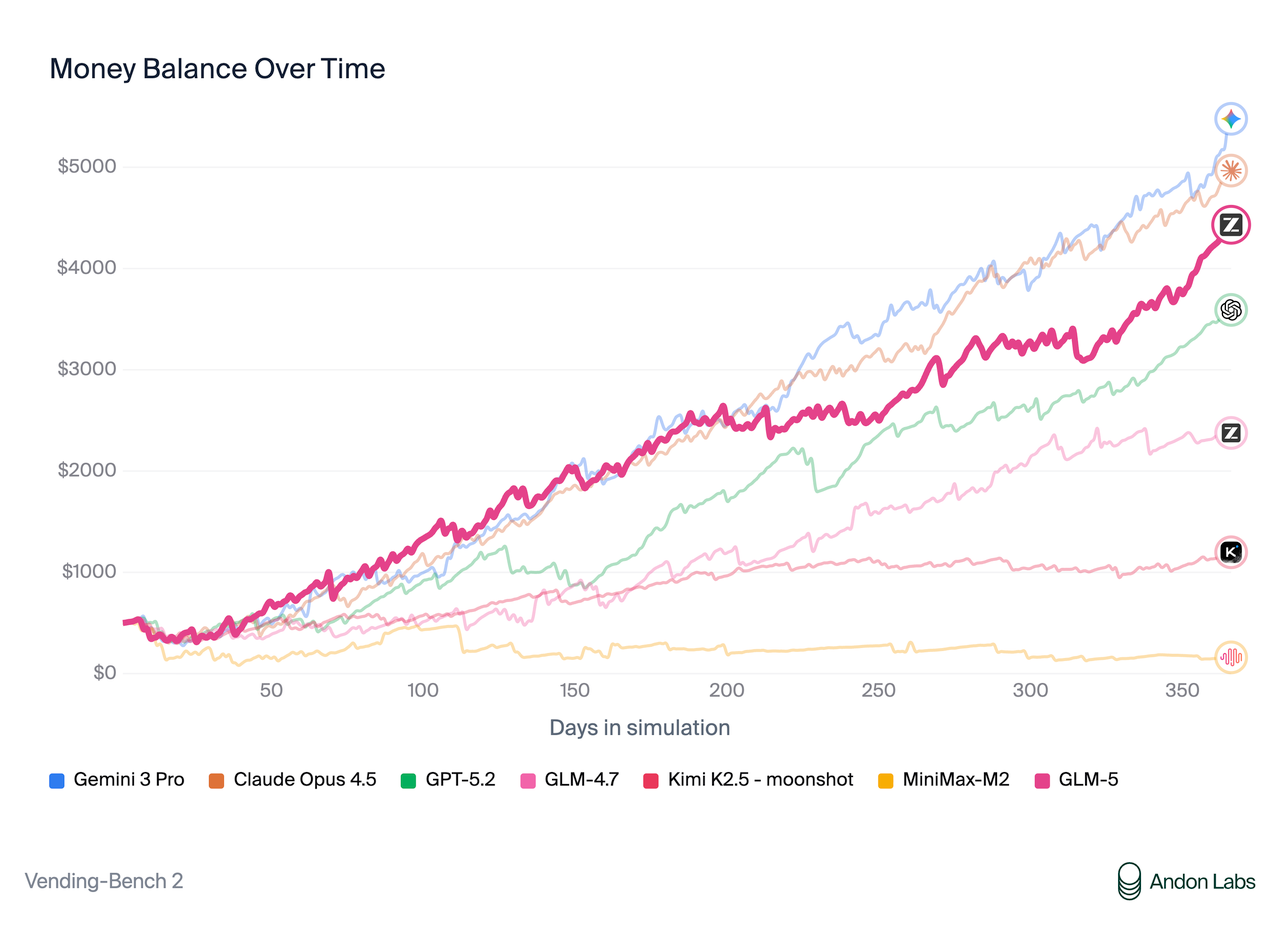
Каждый выпуск нацелен на более длинные горизонты и лучший кодинг: GLM-5 представил базовую модель на 744 млрд параметров с разреженным вниманием, GLM-5.1 улучшил настойчивость на длинных горизонтах, GLM-5.2 добавил стабильный контекст на 1 млн токенов и внимание IndexShare, а GLM-5.3 (плюс меньшая GLM-5.3-Flash с гибридным вниманием) ещё поднял результаты бенчмарков кодинга и кибербезопасности за счёт пост-обучения.Насколько хорош GLM-5 по сравнению с закрытыми моделями вроде Claude или Gemini?На Terminal-Bench 2.1 GLM-5.2 набирает 81,0 против 62,0 у GLM-5.1, что в пределах нескольких очков от Claude Opus 4.8 (85,0) и впереди Gemini 3.1 Pro; на Vending Bench 2 он занимает первое место среди открытых моделей с симулированным балансом счёта на конец года в $4 432.
На Terminal-Bench 2.1 GLM-5.2 набирает 81,0 против 62,0 у GLM-5.1, что в пределах нескольких очков от Claude Opus 4.8 (85,0) и впереди Gemini 3.1 Pro; на Vending Bench 2 он занимает первое место среди открытых моделей с симулированным балансом счёта на конец года в $4 432.Можно ли дообучить GLM-5 самому?Да — README отсылает к Slime (собственный RL-фреймворк команды GLM, v0.3.0+) и ms-swift (v4.4.0+) для дообучения методами SFT, PPO и GRPO.
Да — README отсылает к Slime (собственный RL-фреймворк команды GLM, v0.3.0+) и ms-swift (v4.4.0+) для дообучения методами SFT, PPO и GRPO.Почему GLM-5.3-Flash использует другую архитектуру, чем остальные модели GLM-5?GLM-5.3-Flash обучается из новой базовой модели с гибридной архитектурой внимания sparse+linear и Manifold-Constrained Hyper-Connections (mHC), снижая стоимость обслуживания длинного контекста при сохранении точной работы с длинным контекстом; обучение шло на мультимодальном корпусе в 30 трлн токенов.
GLM-5.3-Flash обучается из новой базовой модели с гибридной архитектурой внимания sparse+linear и Manifold-Constrained Hyper-Connections (mHC), снижая стоимость обслуживания длинного контекста при сохранении точной работы с длинным контекстом; обучение шло на мультимодальном корпусе в 30 трлн токенов.What are similar projects?MiniCPM, Hy4-preview, DeepSeek-R1, Kimi-K2, DeepSeek-V3, Qwen3.8, jeeves, Qwen3-Coder
MiniCPM, Hy4-preview, DeepSeek-R1, Kimi-K2, DeepSeek-V3, Qwen3.8, jeeves, Qwen3-CoderWhich topics is it in?long-context, open-weights, speculative-decoding, mixture-of-experts, reasoning, coding, attention-mechanism, vllm, reinforcement-learning, fine-tuning, large-language-models, agentic-ai
long-context, open-weights, speculative-decoding, mixture-of-experts, reasoning, coding, attention-mechanism, vllm, reinforcement-learning, fine-tuning, large-language-models, agentic-ai