这是什么?
 一个配套研究仓库,包含 Google TPU 上两个模型的融合 megakernel 解码实现:使用 DSpark 投机解码的 Kimi K3,以及使用 DFlash2 投机解码的 Qwen3.8-27B,为配合博客文章《在 Kimi K3 上达到 700 TPS:论 TPU Megakernel 的价值》而写。
一个配套研究仓库,包含 Google TPU 上两个模型的融合 megakernel 解码实现:使用 DSpark 投机解码的 Kimi K3,以及使用 DFlash2 投机解码的 Qwen3.8-27B,为配合博客文章《在 Kimi K3 上达到 700 TPS:论 TPU Megakernel 的价值》而写。这是通用推理库,还是针对这两个模型的基准演示?它是专门围绕两条模型流水线构建的配套演示代码,而非通用服务库:每个模型都有各自的融合 TPU 内核,外加交互式终端模式和 OpenAI 兼容的 HTTP 服务器。
它是专门围绕两条模型流水线构建的配套演示代码,而非通用服务库:每个模型都有各自的融合 TPU 内核,外加交互式终端模式和 OpenAI 兼容的 HTTP 服务器。怎么让它跑起来?从仓库根目录配置好 Python/JAX 环境,确保 Hugging Face 模型快照已缓存(启动器以离线模式运行 HF),然后交互式运行 demokimidspark.py 或 demoqwendflash.py,或加 --serve 启动 HTTP API。
从仓库根目录配置好 Python/JAX 环境,确保 Hugging Face 模型快照已缓存(启动器以离线模式运行 HF),然后交互式运行 demokimidspark.py 或 demoqwendflash.py,或加 --serve 启动 HTTP API。运行它需要真实的 TPU 硬件(以及 Slurm 集群)吗?需要——Kimi K3 需要四节点的 Slurm 分配、每台主机 8 个 TPU 设备(共 32 个),Qwen3.8-27B 需要一台配备 8 个 TPU 设备的主机;CPU 正确性测试虽然存在,但不会真正运行 TPU 执行。
需要——Kimi K3 需要四节点的 Slurm 分配、每台主机 8 个 TPU 设备(共 32 个),Qwen3.8-27B 需要一台配备 8 个 TPU 设备的主机;CPU 正确性测试虽然存在,但不会真正运行 TPU 执行。CPU 测试能证明 TPU 内核在硬件上真正正确工作吗?不能——CPU/解释器测试套件只检查数值正确性;它不会验证 TPU 特有的 Mosaic lowering、内存布局、VMEM 容量、DMA 调度、集合通信或真实性能。
不能——CPU/解释器测试套件只检查数值正确性;它不会验证 TPU 特有的 Mosaic lowering、内存布局、VMEM 容量、DMA 调度、集合通信或真实性能。它能在 GPU 上运行,还是只能在 Google TPU 上运行?它只能在 Google TPU 设备上运行;GB200 GPU 仅作为 megakernel 基准对比的性能基线出现,并不是受支持的执行目标。
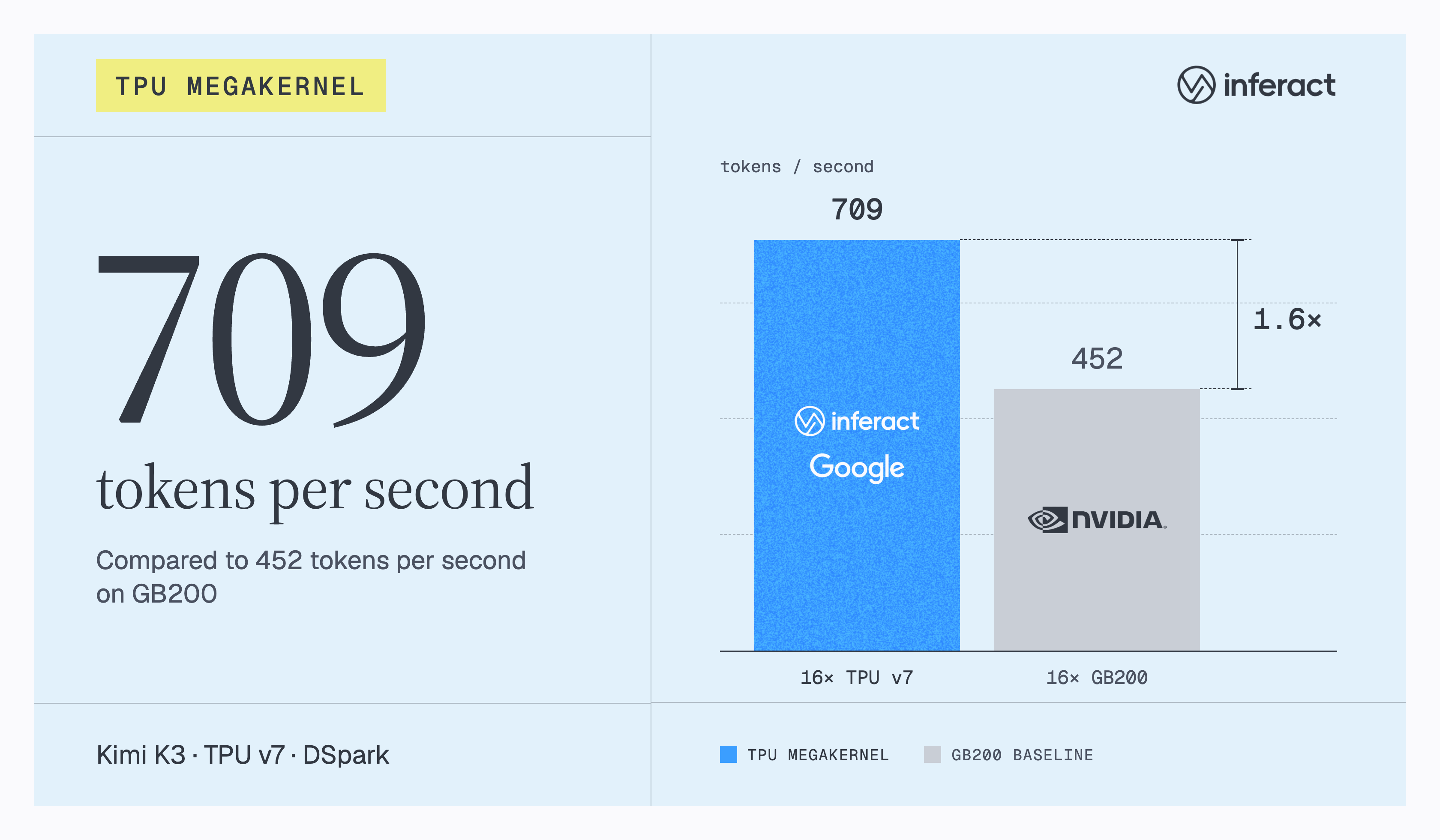
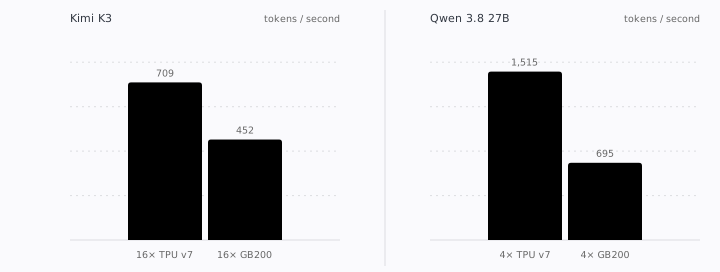
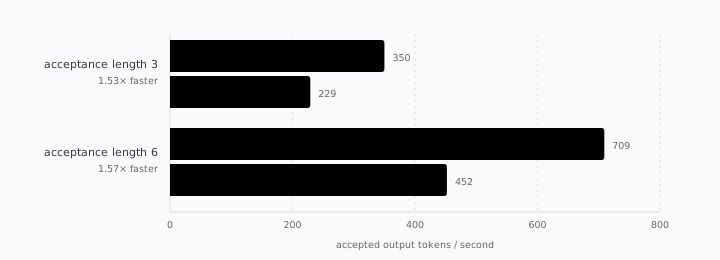
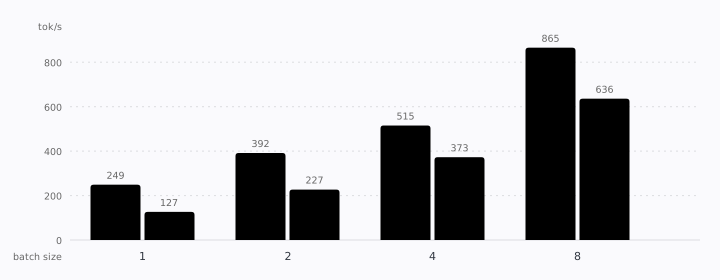
它只能在 Google TPU 设备上运行;GB200 GPU 仅作为 megakernel 基准对比的性能基线出现,并不是受支持的执行目标。这些 megakernel 比 GPU 快多少?在投机解码下,Kimi K3 在 16x TPU v7 上达到每秒 709 个已接受 token,对比 16x GB200 基线(1.57 倍);Qwen3.8-27B 在 4x TPU v7 上达到每秒 1,515 个 token,对比 4x GB200(2.18 倍)。不使用投机时,TPU 内核在批量大小 1-8 下仍能提供约 1.4-2 倍于 GB200 的解码吞吐。
在投机解码下,Kimi K3 在 16x TPU v7 上达到每秒 709 个已接受 token,对比 16x GB200 基线(1.57 倍);Qwen3.8-27B 在 4x TPU v7 上达到每秒 1,515 个 token,对比 4x GB200(2.18 倍)。不使用投机时,TPU 内核在批量大小 1-8 下仍能提供约 1.4-2 倍于 GB200 的解码吞吐。DSpark 和 DFlash2 是什么?它们是随各模型捆绑的融合投机解码方案:DSpark 为 Kimi K3 配备一个锚点行和七个草稿行,而 DFlash2 为 Qwen3.8-27B 的稠密 BF16 解码器提供可选的融合草稿/投机循环。
它们是随各模型捆绑的融合投机解码方案:DSpark 为 Kimi K3 配备一个锚点行和七个草稿行,而 DFlash2 为 Qwen3.8-27B 的稠密 BF16 解码器提供可选的融合草稿/投机循环。OpenAI 兼容服务器提供哪些接口?每个服务器都提供 GET /health、GET /v1/models、POST /tokenize、POST /detokenize、POST /v1/completions 和 POST /v1/chat/completions,因此可以像标准 OpenAI API 端点一样查询。
每个服务器都提供 GET /health、GET /v1/models、POST /tokenize、POST /detokenize、POST /v1/completions 和 POST /v1/chat/completions,因此可以像标准 OpenAI API 端点一样查询。为什么要构建自定义 TPU megakernel,而不是使用标准推理框架?把整个解码步骤——注意力、MoE、归一化、残差和集合通信——融合进单个 TPU 内核,可以削减逐算子分发开销,让 TPU v7 芯片在解码吞吐上追平甚至超过 GB200 GPU,详见配套博客文章。
把整个解码步骤——注意力、MoE、归一化、残差和集合通信——融合进单个 TPU 内核,可以削减逐算子分发开销,让 TPU v7 芯片在解码吞吐上追平甚至超过 GB200 GPU,详见配套博客文章。What are similar projects?vllm, deltafin, DMI, jeeves, v100-skinny, kaggle-tpu-lab, TensorFold, sglang
vllm, deltafin, DMI, jeeves, v100-skinny, kaggle-tpu-lab, TensorFold, sglangWhich topics is it in?qwen3, jax, http-server, llm-serving, kimi, speculative-decoding, inference-engine, attention-mechanism, moe, llm-inference, high-performance, google
qwen3, jax, http-server, llm-serving, kimi, speculative-decoding, inference-engine, attention-mechanism, moe, llm-inference, high-performance, google