


Что это такое?
 APSD — это крупный датасет для изучения того, как визуально незаметные состязательные возмущения воспринимаются человеком. Он содержит 10 586 пар «чистое изображение — состязательное изображение» с субъективными оценками от людей.
APSD — это крупный датасет для изучения того, как визуально незаметные состязательные возмущения воспринимаются человеком. Он содержит 10 586 пар «чистое изображение — состязательное изображение» с субъективными оценками от людей.Это только датасет или здесь есть и код модели A2SM?Здесь прежде всего сам датасет APSD (изображения и оценки MOS от людей). В статье также описана модель оценки A2SM, но этот репозиторий — именно релиз датасета, а не код для обучения.
Здесь прежде всего сам датасет APSD (изображения и оценки MOS от людей). В статье также описана модель оценки A2SM, но этот репозиторий — именно релиз датасета, а не код для обучения.Как мне скачать датасет?Скачайте APSD по ссылке на репозиторий проекта, которая указана в README. В релизе должны быть чистые изображения, соответствующие состязательные изображения и их субъективные оценки от людей.
Скачайте APSD по ссылке на репозиторий проекта, которая указана в README. В релизе должны быть чистые изображения, соответствующие состязательные изображения и их субъективные оценки от людей.Структура выложенного датасета окончательная?В самом README сказано, что показанная структура папок — лишь заглушка, и в реальном релизе файлы могут быть организованы иначе.
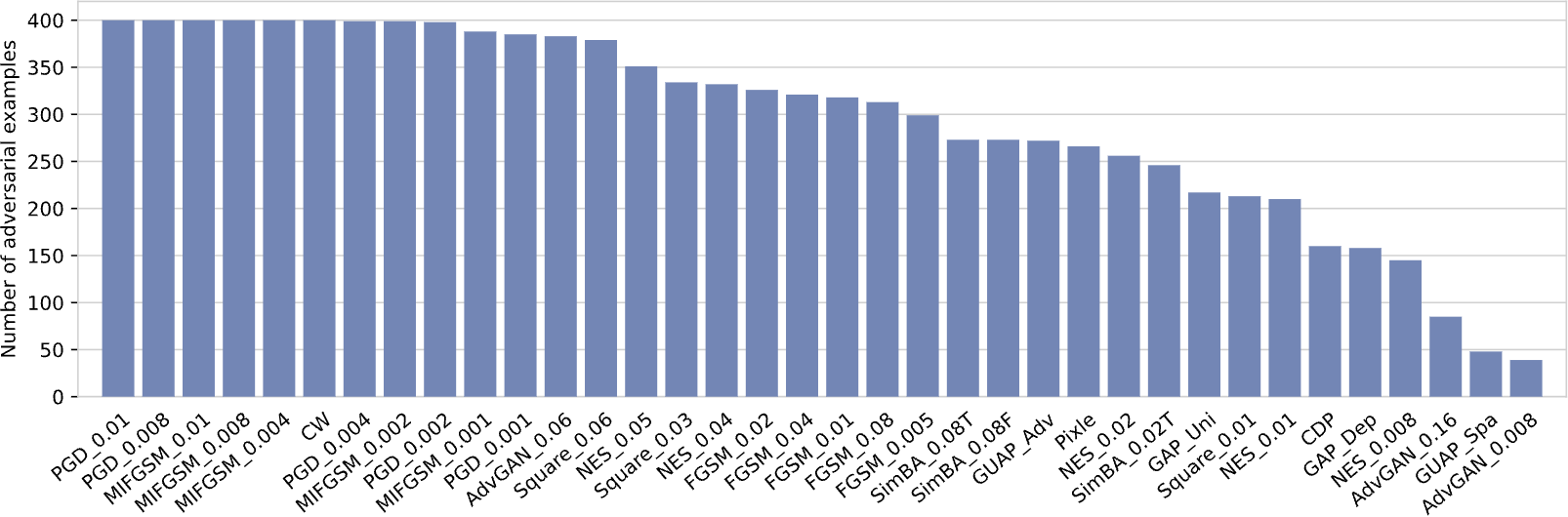
В самом README сказано, что показанная структура папок — лишь заглушка, и в реальном релизе файлы могут быть организованы иначе.Какие атаки покрывает APSD?APSD охватывает 12 методов атак из 5 семейств: градиентные (FGSM, MIFGSM, PGD, NES), оптимизационные (CW), на основе генеративных моделей (CDP, AdvGAN, GAP, GUAP), попиксельные (SimBA, Pixel) и блочные (Square).
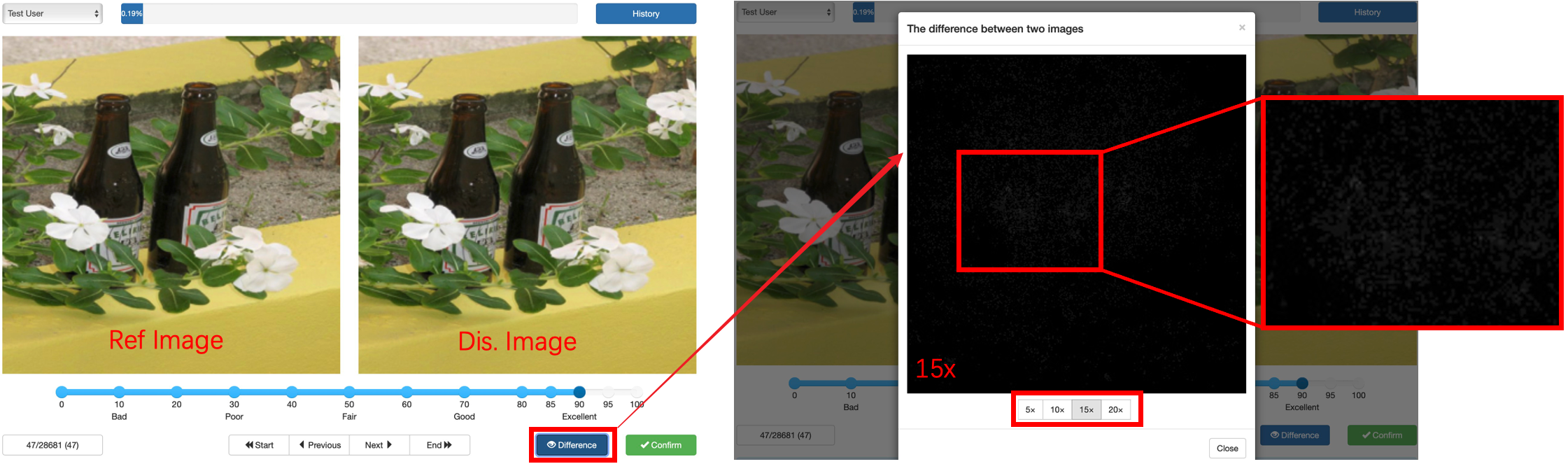
APSD охватывает 12 методов атак из 5 семейств: градиентные (FGSM, MIFGSM, PGD, NES), оптимизационные (CW), на основе генеративных моделей (CDP, AdvGAN, GAP, GUAP), попиксельные (SimBA, Pixel) и блочные (Square).Как собирали оценки незаметности от людей?60 наблюдателей оценили каждый из 10 586 состязательных примеров по двухэтапной процедуре: сначала грубо отнесли изображение к «почти незаметным» или «хорошо заметным», затем поставили точную оценку по усиленным картам различий. Для каждого примера 15 оценок усредняются в Mean Opinion Score (MOS) от 0 до 1.
60 наблюдателей оценили каждый из 10 586 состязательных примеров по двухэтапной процедуре: сначала грубо отнесли изображение к «почти незаметным» или «хорошо заметным», затем поставили точную оценку по усиленным картам различий. Для каждого примера 15 оценок усредняются в Mean Opinion Score (MOS) от 0 до 1.Насколько хорошо модель A2SM предсказывает человеческое восприятие?A2SM, сочетающая глобальные и локальные признаки с self-, cross- и spatial-attention, достигает 0.984 PLCC и 0.978 SROCC против оценок MOS людей на датасете APSD.
A2SM, сочетающая глобальные и локальные признаки с self-, cross- и spatial-attention, достигает 0.984 PLCC и 0.978 SROCC против оценок MOS людей на датасете APSD.Где опубликовано это исследование?Это официальный датасет к статье «Stealthiness Assessment of Adversarial Perturbation: From a Visual Perspective», опубликованной в IEEE Transactions on Information Forensics and Security (TIFS) в 2024 году.
Это официальный датасет к статье «Stealthiness Assessment of Adversarial Perturbation: From a Visual Perspective», опубликованной в IEEE Transactions on Information Forensics and Security (TIFS) в 2024 году.What are similar projects?reverse-SynthID, Engram, math, arc-task-gen, pointdit, transferlearning, Mira-Scene, High-Angle_Robust_Fast_FaceAlignment
reverse-SynthID, Engram, math, arc-task-gen, pointdit, transferlearning, Mira-Scene, High-Angle_Robust_Fast_FaceAlignmentWhich topics is it in?adversarial-attacks, vision, security-research, ai-security, attention-mechanism, papers, paper, dataset, evaluation, neural-network, academic-research, image-processing
adversarial-attacks, vision, security-research, ai-security, attention-mechanism, papers, paper, dataset, evaluation, neural-network, academic-research, image-processing