Что это такое?
 Нано-версия Jev: модель параллельного принятия решений с 0,6 млрд параметров, которая принимает на вход состояния и вопросы и возвращает полные распределения вероятностей — токены ответа при этом вообще не генерируются.
Нано-версия Jev: модель параллельного принятия решений с 0,6 млрд параметров, которая принимает на вход состояния и вопросы и возвращает полные распределения вероятностей — токены ответа при этом вообще не генерируются.Чем 'модель параллельного принятия решений' отличается от обычной LLM?Это не чат-модель: бэкбон Qwen3-0.6B с добавленными головами для принятия решений. В каждом запросе передаются состояние, вопрос и кандидаты; общие головы возвращают вероятности вместо генерации текста ответа.
Это не чат-модель: бэкбон Qwen3-0.6B с добавленными головами для принятия решений. В каждом запросе передаются состояние, вопрос и кандидаты; общие головы возвращают вероятности вместо генерации текста ответа.Как его запустить?Скачайте модель и датасет с Hugging Face, версия (revision) 'unified-games-v1', затем запустите сервис инференса в окружении с CUDA — он один раз загружает модель и принимает пакеты состояние/вопрос через POST. Записанные партии можно также воспроизвести локально.
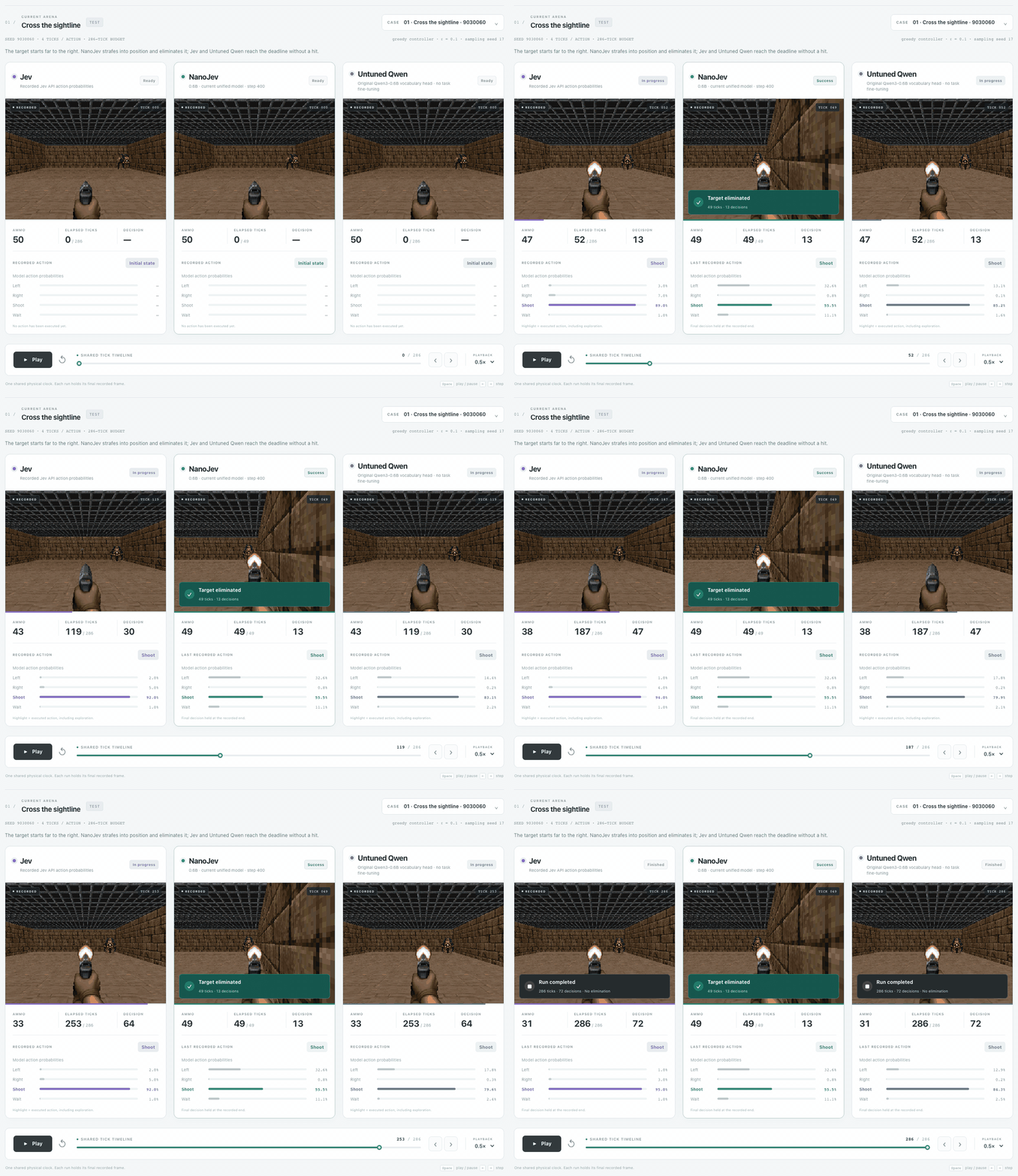
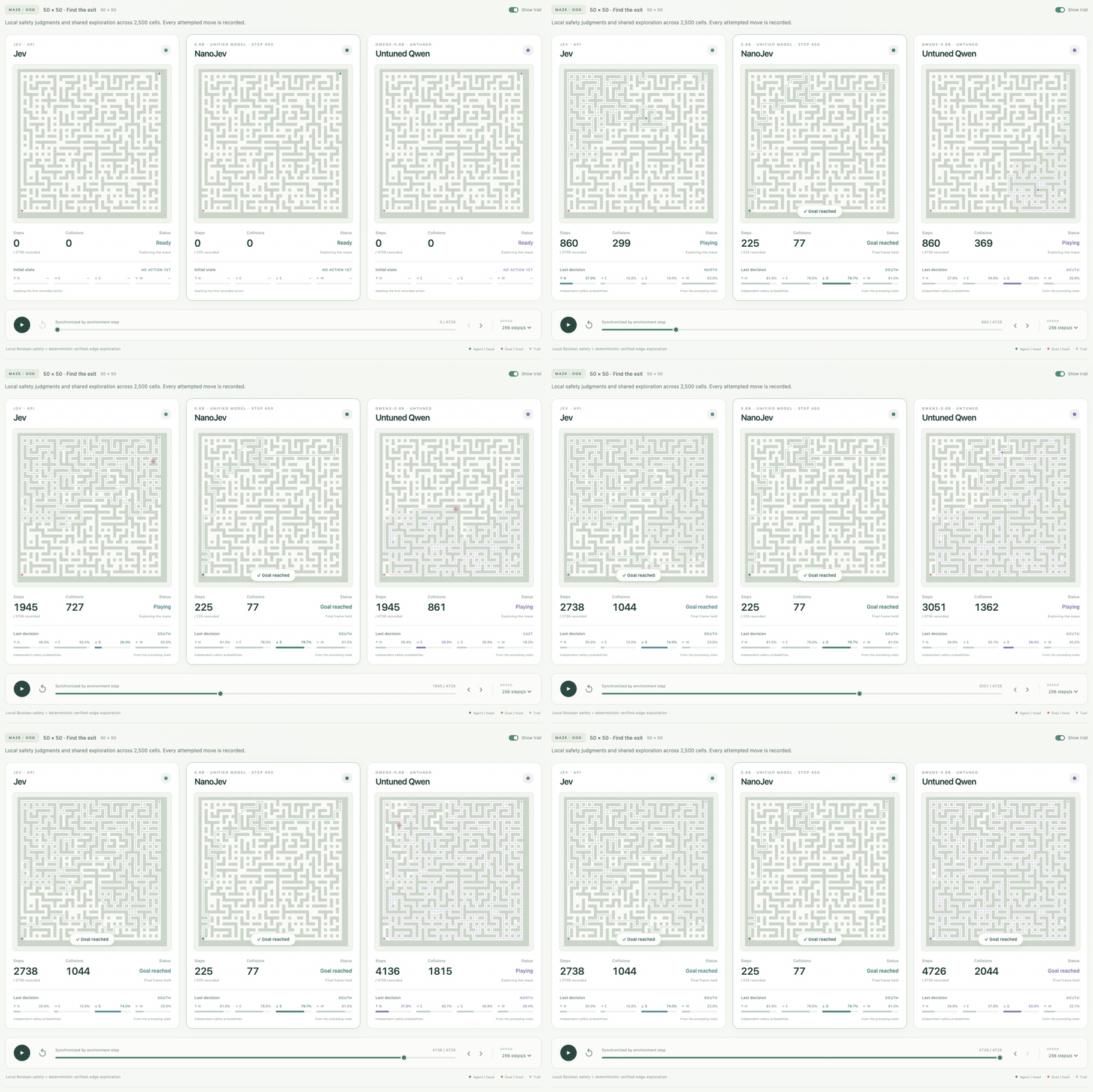
Скачайте модель и датасет с Hugging Face, версия (revision) 'unified-games-v1', затем запустите сервис инференса в окружении с CUDA — он один раз загружает модель и принимает пакеты состояние/вопрос через POST. Записанные партии можно также воспроизвести локально.Насколько хорошо он на самом деле играет в эти игры?По-разному: 8/8 в Snake и 128/128 в ViZDoom Basic, где у Jev 56/128, но только 27/128 в Predict Position и 4/10 в Maze, где Jev достигает 7/10.
По-разному: 8/8 в Snake и 128/128 в ViZDoom Basic, где у Jev 56/128, но только 27/128 в Predict Position и 4/10 в Maze, где Jev достигает 7/10.Как выглядят обучающие данные?18 760 вопросов на принятие решений на каждый целевой вариант по четырём задачам, из них 16 333 — ViZDoom; всё разбито на train, dev, calibration, test и OOD в парных вариантах с жёсткими (hard) и мягкими (soft) целями. Также в комплекте 896 эпизодов эксперта по Predict Position с 17 498 записанными решениями.
18 760 вопросов на принятие решений на каждый целевой вариант по четырём задачам, из них 16 333 — ViZDoom; всё разбито на train, dev, calibration, test и OOD в парных вариантах с жёсткими (hard) и мягкими (soft) целями. Также в комплекте 896 эпизодов эксперта по Predict Position с 17 498 записанными решениями.Почему nano и как он сравнивается с оригинальным Jev?Это намеренно уменьшенная копия модели принятия решений Jev, и в текущем раунде она обходит и Jev, и нетюненную Qwen3-0.6B: 128/128 против 56/128 в ViZDoom Basic и выход из лабиринта за 225 попыток против 2 738.
Это намеренно уменьшенная копия модели принятия решений Jev, и в текущем раунде она обходит и Jev, и нетюненную Qwen3-0.6B: 128/128 против 56/128 в ViZDoom Basic и выход из лабиринта за 225 попыток против 2 738.Что ещё осталось в планах?Пост-обучение RLCD для более широкого класса задач с длинным горизонтом, инференс с общим префиксом и более крупными пакетами кандидатов, а также больше сценариев стрельбы со структурированными входами. Веха «один чекпоинт — четыре игры» уже достигнута.
Пост-обучение RLCD для более широкого класса задач с длинным горизонтом, инференс с общим префиксом и более крупными пакетами кандидатов, а также больше сценариев стрельбы со структурированными входами. Веха «один чекпоинт — четыре игры» уже достигнута.What are similar projects?jeeves, ms-swift, Intern-Decision, Valen, strands-decider, CLM, jeff, DeepSpec
jeeves, ms-swift, Intern-Decision, Valen, strands-decider, CLM, jeff, DeepSpecWhich topics is it in?game-ai, imitation-learning, sft, qwen3, decision-model, training, llm-inference, dataset, reinforcement-learning, qwen, evaluation, fine-tuning
game-ai, imitation-learning, sft, qwen3, decision-model, training, llm-inference, dataset, reinforcement-learning, qwen, evaluation, fine-tuning