What is this?
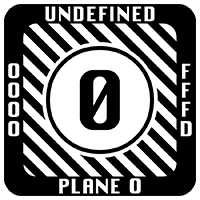
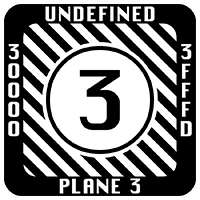
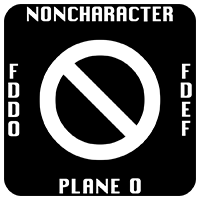
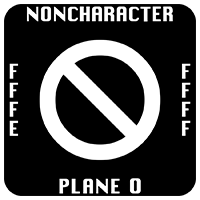
 Last Resort is a special-purpose font that provides glyphs representing types of Unicode characters. It is used as a backup: when no other font can display a character, the Last Resort glyph is shown instead, hinting at the character's Unicode block, PUA status, unassigned status, or noncharacter status.
Is this a font you install on your system?Yes. It is a pair of TrueType font files that you install like any other font. The repository ships two versions, and you usually pick just one.
Yes. It is a pair of TrueType font files that you install like any other font. The repository ships two versions, and you usually pick just one.How do I get it running?Download the pre-built .ttf binaries from the repository's Latest Release page and install the one you need. The current release corresponds to Unicode 18.0.0.
Download the pre-built .ttf binaries from the repository's Latest Release page and install the one you need. The current release corresponds to Unicode 18.0.0.Do I need Python or AFDKO to use it?No, not to use the prebuilt fonts. Python 3 and AFDKO are only needed if you want to build the fonts from source by running build.sh.
No, not to use the prebuilt fonts. Python 3 and AFDKO are only needed if you want to build the fonts from source by running build.sh.Which version should I pick: Last Resort or High-Efficiency?Pick the regular LastResort-Regular.ttf unless you know your environment supports it. The High-Efficiency version (LastResortHE-Regular.ttf) is much smaller but uses a cmap Format 13 subtable that many Windows and Adobe apps do not support.
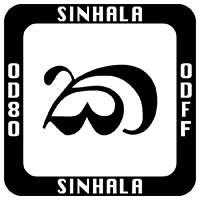
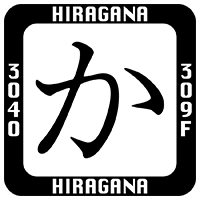
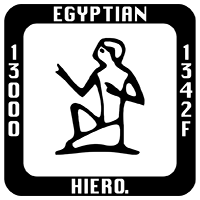
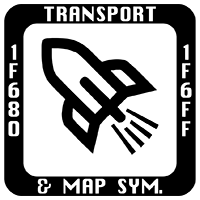
Pick the regular LastResort-Regular.ttf unless you know your environment supports it. The High-Efficiency version (LastResortHE-Regular.ttf) is much smaller but uses a cmap Format 13 subtable that many Windows and Adobe apps do not support.What does each glyph actually show?Glyphs mark the Unicode block a character belongs to, using a representative symbol and small block name and code point range visible at large sizes. Unassigned code points and the 66 noncharacters each have their own special glyph type.
Glyphs mark the Unicode block a character belongs to, using a representative symbol and small block name and code point range visible at large sizes. Unassigned code points and the 66 noncharacters each have their own special glyph type.Why is the fallback glyph useful?Instead of an empty box, users see a symbol that hints at the script or character type, and people familiar with the script can tell which font they need to install to display the text properly.
Instead of an empty box, users see a symbol that hints at the script or character type, and people familiar with the script can tell which font they need to install to display the text properly.What are similar projects?source-han-sans, allo, hanji, c64-keyboard-font, awesome-falsehood, pretext, inter, Monocraft
source-han-sans, allo, hanji, c64-keyboard-font, awesome-falsehood, pretext, inter, MonocraftWhich topics is it in?unicode, internationalization, fonts, data, font, typography, localization, rendering, i18n, reference, design, python
unicode, internationalization, fonts, data, font, typography, localization, rendering, i18n, reference, design, python