
Что это такое?
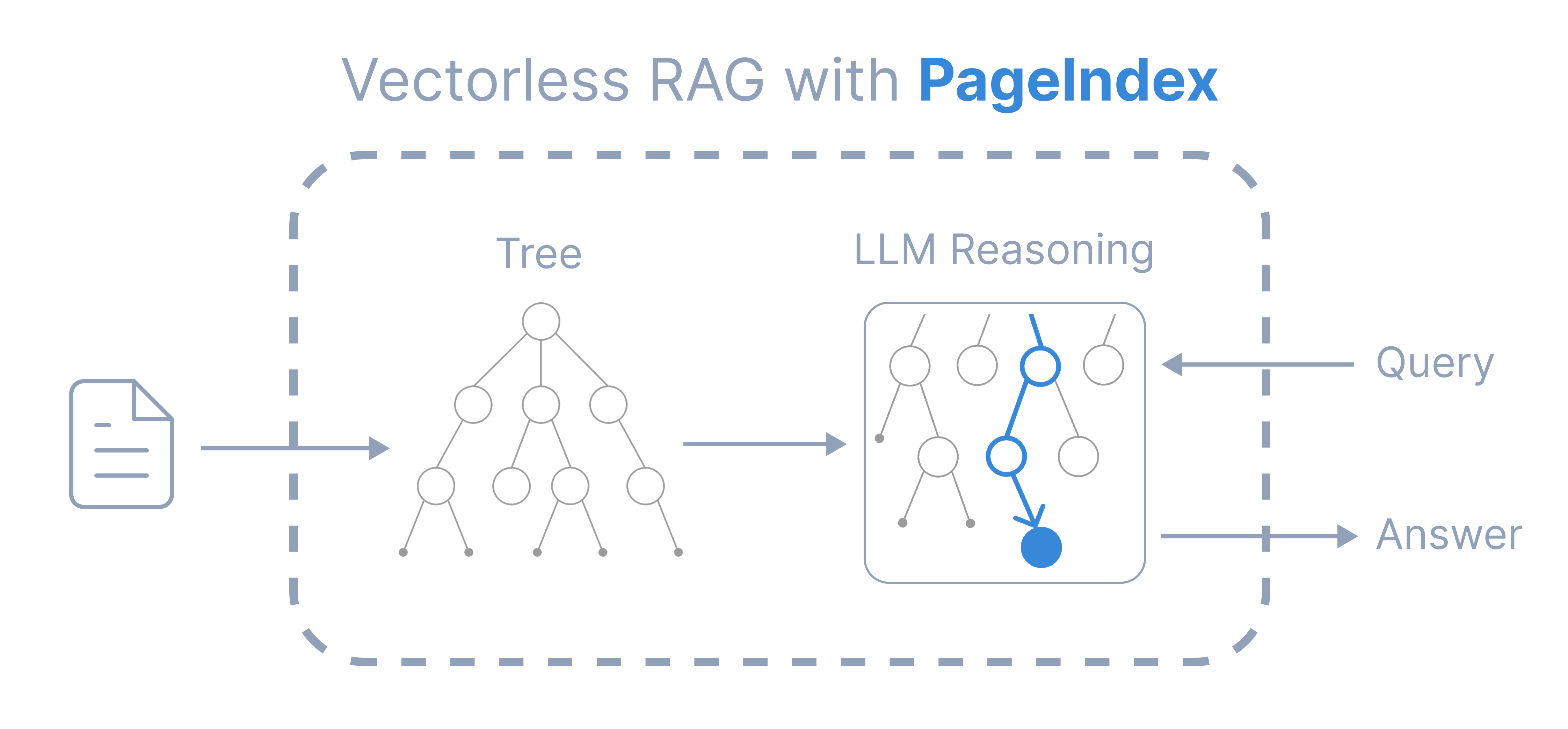
 PageIndex — это движок RAG (Retrieval-Augmented Generation) без векторов, который работает на основе рассуждений. Вместо векторной базы данных и разбиения на фрагменты он строит иерархический древовидный индекс, повторяющий структуру документа, и позволяет LLM пройтись по этому дереву и найти нужные разделы — так же, как эксперт листает отчёт до нужной части.
PageIndex — это движок RAG (Retrieval-Augmented Generation) без векторов, который работает на основе рассуждений. Вместо векторной базы данных и разбиения на фрагменты он строит иерархический древовидный индекс, повторяющий структуру документа, и позволяет LLM пройтись по этому дереву и найти нужные разделы — так же, как эксперт листает отчёт до нужной части.Это самостоятельное приложение или то, что я встраиваю в свой код?Это библиотека-SDK на Python, которую устанавливают через pip и вызывают из своего агента или приложения; она включает инструменты, которые подключаются к фреймворкам вроде OpenAI Agents SDK или Claude Agent SDK, а не работает как отдельное чат-приложение.
Это библиотека-SDK на Python, которую устанавливают через pip и вызывают из своего агента или приложения; она включает инструменты, которые подключаются к фреймворкам вроде OpenAI Agents SDK или Claude Agent SDK, а не работает как отдельное чат-приложение.Как это запустить?Установите командой 'pip install -U pageindex', затем с помощью клиента SDK проиндексируйте документ (построить дерево) и выполните retrieve/chat по нему — либо полностью локально со своим ключом LLM, либо через PageIndex Cloud с API-ключом.
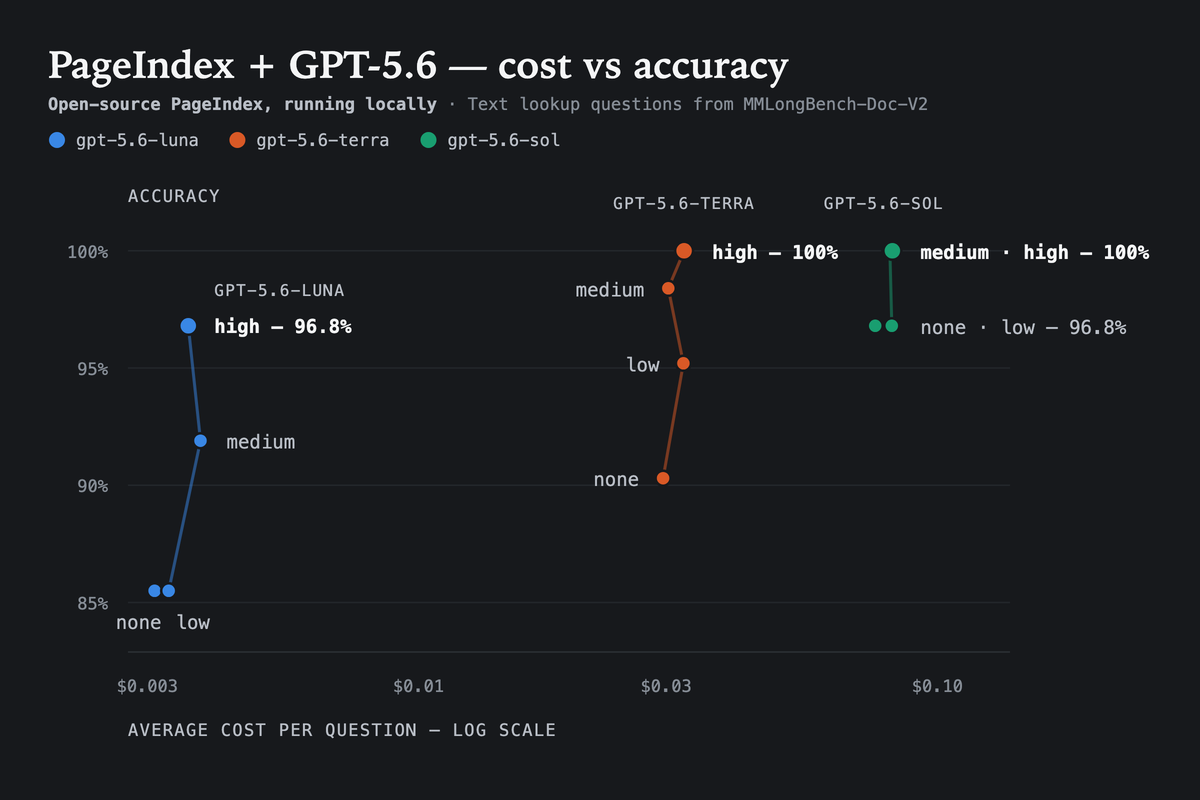
Установите командой 'pip install -U pageindex', затем с помощью клиента SDK проиндексируйте документ (построить дерево) и выполните retrieve/chat по нему — либо полностью локально со своим ключом LLM, либо через PageIndex Cloud с API-ключом.Нужен ли мне ключ API для LLM, чтобы это использовать?Да: для индексации и чата вы подставляете свой ключ LLM. Для построения древовидного индекса подойдёт базовая модель, но в README рекомендуется использовать лучшую модель, которую вы можете себе позволить, для этапа чата/поиска, так как именно она и рассуждает по дереву.
Да: для индексации и чата вы подставляете свой ключ LLM. Для построения древовидного индекса подойдёт базовая модель, но в README рекомендуется использовать лучшую модель, которую вы можете себе позволить, для этапа чата/поиска, так как именно она и рассуждает по дереву.Работает ли это со сканированными PDF или с PDF, где много изображений?Нет, не в открытом локальном режиме: он создан для PDF с преимущественно текстовым содержимым. Сканы, OCR и распознавание изображений требуют платного тарифа PageIndex Cloud.
Нет, не в открытом локальном режиме: он создан для PDF с преимущественно текстовым содержимым. Сканы, OCR и распознавание изображений требуют платного тарифа PageIndex Cloud.Для каких документов это предназначено?Для длинных и сложных профессиональных документов, где важнее контекст и многошаговые рассуждения, а не совпадение ключевых слов.
Для длинных и сложных профессиональных документов, где важнее контекст и многошаговые рассуждения, а не совпадение ключевых слов.Насколько точен PageIndex по сравнению с RAG на основе векторов?На FinanceBench, бенчмарке для ответов на вопросы по финансовым документам, PageIndex достиг точности 98,7%, значительно превзойдя подходы RAG на основе векторов.
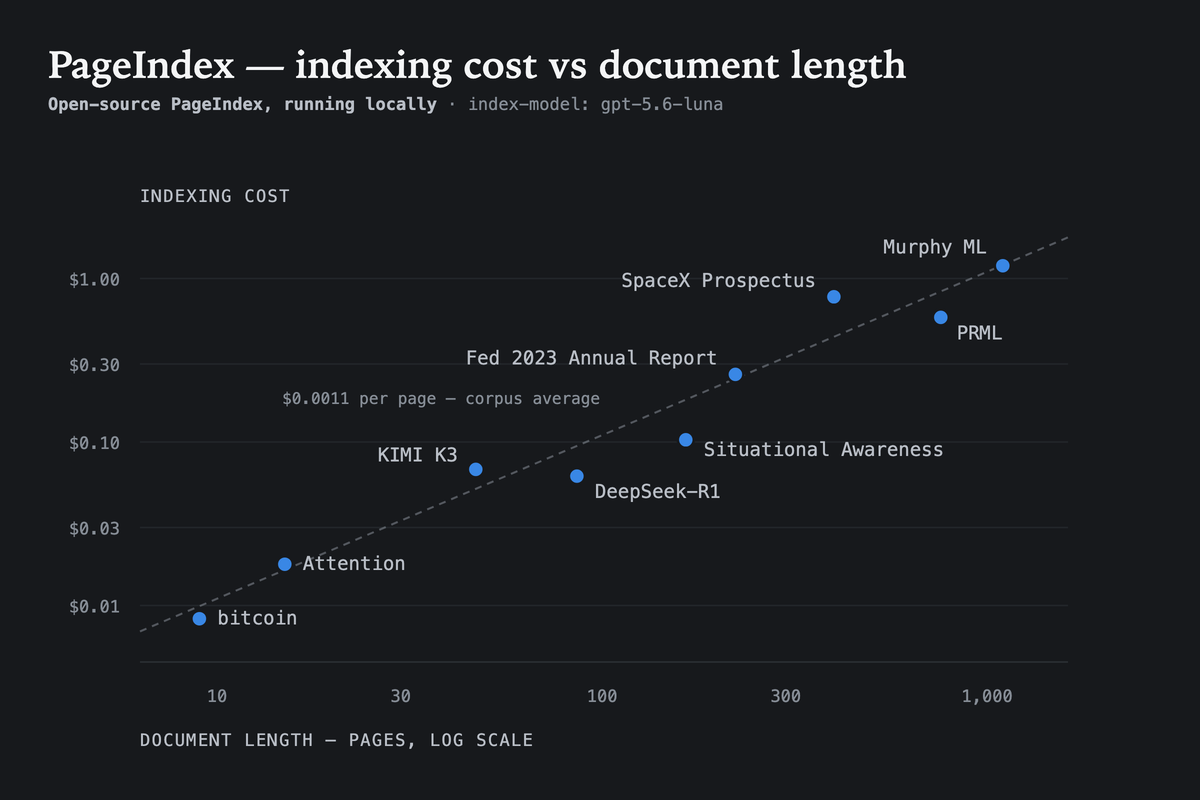
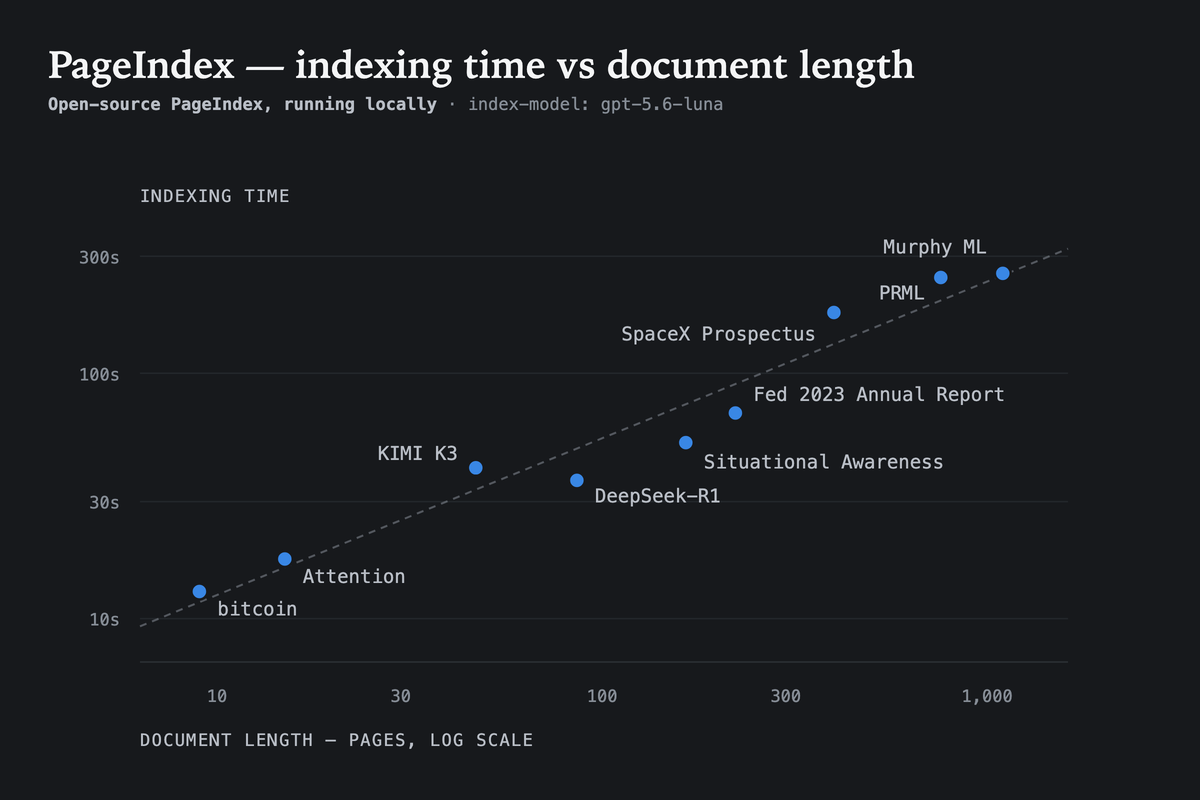
На FinanceBench, бенчмарке для ответов на вопросы по финансовым документам, PageIndex достиг точности 98,7%, значительно превзойдя подходы RAG на основе векторов.Сколько стоит индексация документа?Построение древовидного индекса локально стоит около 0,001 доллара за страницу при использовании базовой модели, так что тысячестраничный учебник обойдётся чуть больше чем в доллар и займёт несколько минут, а готовый индекс затем переиспользуется для каждого последующего вопроса.
Построение древовидного индекса локально стоит около 0,001 доллара за страницу при использовании базовой модели, так что тысячестраничный учебник обойдётся чуть больше чем в доллар и займёт несколько минут, а готовый индекс затем переиспользуется для каждого последующего вопроса.Можно ли подключить PageIndex к существующему агентному фреймворку?Да, он предоставляет инструменты, которые можно сразу подключить к OpenAI Agents SDK, Claude Agent SDK или к любому другому агентному фреймворку, который вы уже используете.
Да, он предоставляет инструменты, которые можно сразу подключить к OpenAI Agents SDK, Claude Agent SDK или к любому другому агентному фреймворку, который вы уже используете.Что PageIndex Cloud добавляет к версии с открытым исходным кодом?PageIndex Cloud берёт на себя индексацию и хранение: он добавляет промышленный OCR, распознавание изображений, цитирование на уровне строк, MCP-сервер и PageIndex File System для масштабирования поиска на миллионы документов.
PageIndex Cloud берёт на себя индексацию и хранение: он добавляет промышленный OCR, распознавание изображений, цитирование на уровне строк, MCP-сервер и PageIndex File System для масштабирования поиска на миллионы документов.What are similar projects?ragflow, semantica, LightRAG, llama_index, txtai, production-agentic-rag-course, memvid, haystack
ragflow, semantica, LightRAG, llama_index, txtai, production-agentic-rag-course, memvid, haystackWhich topics is it in?retrieval, information-retrieval, reasoning, retrieval-augmented-generation, vector-search, context-engineering, vector-database, semantic-search, document-processing, knowledge-base, pdf, rag
retrieval, information-retrieval, reasoning, retrieval-augmented-generation, vector-search, context-engineering, vector-database, semantic-search, document-processing, knowledge-base, pdf, rag