
23K ·GitHub
这是什么?
 这是一份由社区维护、经过整理的文档,用来跟踪自然语言处理(NLP)的进展。它列出了大多数常见 NLP 任务在多种语言上的标准数据集,以及当前最先进(SOTA)的结果。
这是一份由社区维护、经过整理的文档,用来跟踪自然语言处理(NLP)的进展。它列出了大多数常见 NLP 任务在多种语言上的标准数据集,以及当前最先进(SOTA)的结果。这是代码库,还是只是一份参考文档?这是参考文档,不是代码。它是一组 Markdown 文件,每个 NLP 任务一个文件,列出数据集、SOTA 表格(模型、分数、论文、代码链接)以及示例标注。
这是参考文档,不是代码。它是一组 Markdown 文件,每个 NLP 任务一个文件,列出数据集、SOTA 表格(模型、分数、论文、代码链接)以及示例标注。内容是怎么组织的?我应该从哪里开始?内容先按语言划分(英语、中文、法语、西班牙语等),每种语言下再按任务划分(例如机器翻译、命名实体识别、问答),这些都列在 README 顶部的目录中。选择你感兴趣的任务,然后打开对应的 Markdown 文件即可。
内容先按语言划分(英语、中文、法语、西班牙语等),每种语言下再按任务划分(例如机器翻译、命名实体识别、问答),这些都列在 README 顶部的目录中。选择你感兴趣的任务,然后打开对应的 Markdown 文件即可。阅读或使用这份列表需要安装什么吗?不需要。它只是可以在 GitHub 或 nlpprogress.com 上阅读的 Markdown 文件;如果要在本地构建网站,需要 Jekyll;将数据导出为 JSON 则要用 structured/README.md 中介绍的另一个脚本。
不需要。它只是可以在 GitHub 或 nlpprogress.com 上阅读的 Markdown 文件;如果要在本地构建网站,需要 Jekyll;将数据导出为 JSON 则要用 structured/README.md 中介绍的另一个脚本。所有条目都经过审核吗?它还在更新吗?条目依据贡献指南进行审核(结果必须来自已发表的论文,数据集必须至少在另一篇已发表的论文中使用过)。但作为一份社区维护的列表,项目自 2018 年启动,部分任务可能落后于最新研究。
条目依据贡献指南进行审核(结果必须来自已发表的论文,数据集必须至少在另一篇已发表的论文中使用过)。但作为一份社区维护的列表,项目自 2018 年启动,部分任务可能落后于最新研究。这份资料对谁有用?对于研究人员和从业者来说,在开展自己的工作之前,它能让人快速了解某个特定 NLP 任务的基准数据集和当前的 SOTA 水平。
对于研究人员和从业者来说,在开展自己的工作之前,它能让人快速了解某个特定 NLP 任务的基准数据集和当前的 SOTA 水平。我能否获得机器可读格式的数据,而不是阅读 Markdown?可以。该仓库支持将所有任务、描述和 SOTA 表格导出为结构化的 JSON 格式,具体步骤见 structured/README.md。
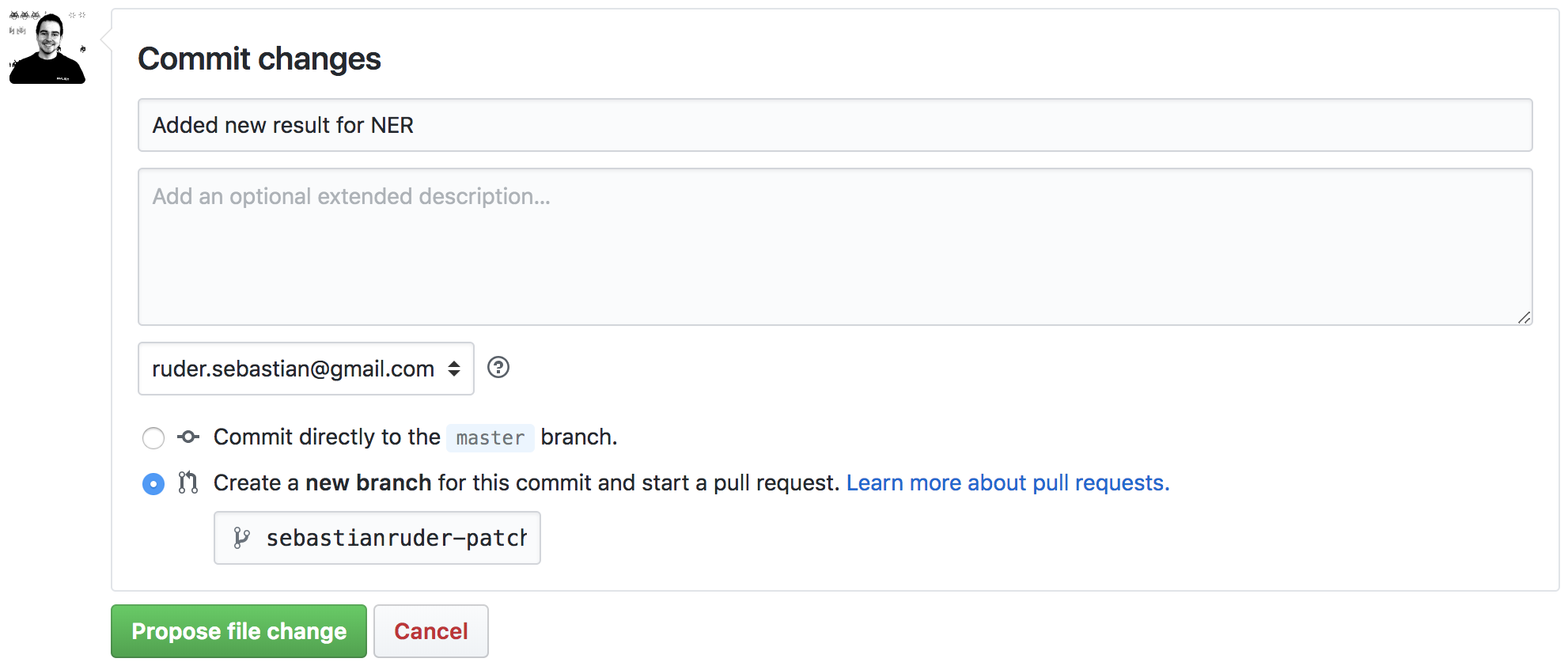
可以。该仓库支持将所有任务、描述和 SOTA 表格导出为结构化的 JSON 格式,具体步骤见 structured/README.md。如何向列表中添加新的结果或数据集?直接在 GitHub 上编辑相应任务的 Markdown 文件(或先 fork 仓库),按照贡献指南在 SOTA 表格中添加一行,或描述新的数据集或任务,然后提交 pull request。
直接在 GitHub 上编辑相应任务的 Markdown 文件(或先 fork 仓库),按照贡献指南在 SOTA 表格中添加一行,或描述新的数据集或任务,然后提交 pull request。除英语外,还涵盖哪些语言?越南语、印地语、中文、法语、俄语、西班牙语、葡萄牙语、韩语、尼泊尔语、孟加拉语、波斯语、土耳其语、德语和阿拉伯语都有各自独立的任务章节。
越南语、印地语、中文、法语、俄语、西班牙语、葡萄牙语、韩语、尼泊尔语、孟加拉语、波斯语、土耳其语、德语和阿拉伯语都有各自独立的任务章节。这份列表是否明确承认有哪些内容缺失?是的。“Wish list”(愿望清单)一节列出了一些空白,例如双语词典归纳、篇章分析、关键短语抽取、知识库填充和半监督学习任务。
是的。“Wish list”(愿望清单)一节列出了一些空白,例如双语词典归纳、篇章分析、关键短语抽取、知识库填充和半监督学习任务。What are similar projects?funNLP, awesome-nlp, transferlearning, LLMSearchRecommender, LLMsPracticalGuide, Awesome-LLM, Deep-Learning-Papers-Reading-Roadmap, ParlAI
funNLP, awesome-nlp, transferlearning, LLMSearchRecommender, LLMsPracticalGuide, Awesome-LLM, Deep-Learning-Papers-Reading-Roadmap, ParlAIWhich topics is it in?named-entity-recognition, machine-translation, question-answering, sentiment-analysis, papers, natural-language-processing, dataset, academic-research, nlp, benchmark, awesome-list, list
named-entity-recognition, machine-translation, question-answering, sentiment-analysis, papers, natural-language-processing, dataset, academic-research, nlp, benchmark, awesome-list, list