
23K ·GitHub
Что это такое?
 Это курируемый документ, который поддерживается сообществом и отслеживает прогресс в обработке естественного языка (NLP): в нём перечислены стандартные датасеты и текущие лучшие результаты (SOTA) для большинства распространённых задач NLP на многих языках.
Это библиотека с кодом или просто справочный документ?Это справочный документ, а не код: набор Markdown-файлов, по одному на каждую задачу NLP. В каждом перечислены датасеты, таблицы SOTA (модель, оценка, статья, ссылка на код) и примеры разметки.
Это справочный документ, а не код: набор Markdown-файлов, по одному на каждую задачу NLP. В каждом перечислены датасеты, таблицы SOTA (модель, оценка, статья, ссылка на код) и примеры разметки.Как устроено содержимое и с чего начать?Содержимое разделено по языкам (английский, китайский, французский, испанский и др.), а внутри каждого языка — по задачам (например, машинный перевод, распознавание именованных сущностей, ответы на вопросы). Всё это указано в оглавлении в начале README. Выберите интересующую задачу и откройте её Markdown-файл.
Содержимое разделено по языкам (английский, китайский, французский, испанский и др.), а внутри каждого языка — по задачам (например, машинный перевод, распознавание именованных сущностей, ответы на вопросы). Всё это указано в оглавлении в начале README. Выберите интересующую задачу и откройте её Markdown-файл.Нужно ли что-то устанавливать, чтобы читать или использовать этот список?Нет, это просто Markdown-файлы, которые можно читать на GitHub или на nlpprogress.com. Для локальной сборки сайта нужен Jekyll, а экспорт данных в JSON делается отдельным скриптом, который описан в structured/README.md.
Нет, это просто Markdown-файлы, которые можно читать на GitHub или на nlpprogress.com. Для локальной сборки сайта нужен Jekyll, а экспорт данных в JSON делается отдельным скриптом, который описан в structured/README.md.Все ли записи проверены и обновляется ли список?Записи проверяются по правилам внесения вклада: результаты должны быть из опубликованных статей, а датасеты должны использоваться хотя бы в одной другой опубликованной статье. Но это список, который поддерживает сообщество, поэтому некоторые задачи могут отставать от последних исследований — проект начат в 2018 году.
Записи проверяются по правилам внесения вклада: результаты должны быть из опубликованных статей, а датасеты должны использоваться хотя бы в одной другой опубликованной статье. Но это список, который поддерживает сообщество, поэтому некоторые задачи могут отставать от последних исследований — проект начат в 2018 году.Кому это полезно?Исследователям и практикам, которые хотят быстро получить обзор эталонных датасетов и текущих SOTA-результатов для конкретной задачи NLP перед началом собственной работы.
Исследователям и практикам, которые хотят быстро получить обзор эталонных датасетов и текущих SOTA-результатов для конкретной задачи NLP перед началом собственной работы.Можно ли получить данные в машиночитаемом формате, а не в Markdown?Да, репозиторий поддерживает экспорт всех задач, описаний и таблиц SOTA в структурированный формат JSON; инструкции — в structured/README.md.
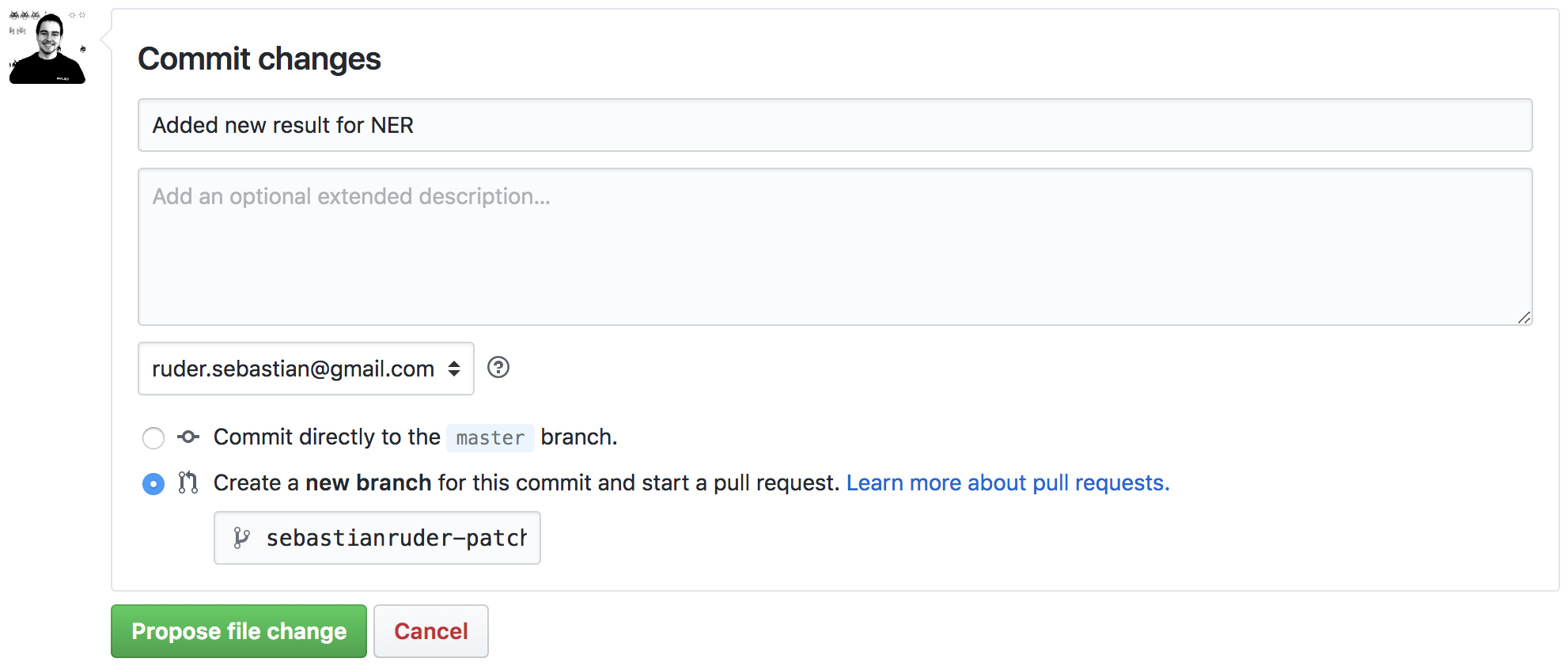
Да, репозиторий поддерживает экспорт всех задач, описаний и таблиц SOTA в структурированный формат JSON; инструкции — в structured/README.md.Как добавить новый результат или датасет в список?Отредактируйте Markdown-файл нужной задачи прямо на GitHub (или сделайте форк репозитория), добавьте строку в таблицу SOTA или опишите новый датасет или задачу по правилам внесения вклада, а затем откройте pull request.
Отредактируйте Markdown-файл нужной задачи прямо на GitHub (или сделайте форк репозитория), добавьте строку в таблицу SOTA или опишите новый датасет или задачу по правилам внесения вклада, а затем откройте pull request.Какие языки, кроме английского, здесь представлены?Вьетнамский, хинди, китайский, французский, русский, испанский, португальский, корейский, непальский, бенгальский, персидский, турецкий, немецкий и арабский — для каждого языка есть отдельные разделы с задачами.
Вьетнамский, хинди, китайский, французский, русский, испанский, португальский, корейский, непальский, бенгальский, персидский, турецкий, немецкий и арабский — для каждого языка есть отдельные разделы с задачами.Признаёт ли список, что в нём чего-то не хватает?Да, в разделе «Список пожеланий» перечислены пробелы, например индукция двуязычных словарей, парсинг дискурса, извлечение ключевых фраз, наполнение баз знаний и задачи полуконтролируемого обучения.
Да, в разделе «Список пожеланий» перечислены пробелы, например индукция двуязычных словарей, парсинг дискурса, извлечение ключевых фраз, наполнение баз знаний и задачи полуконтролируемого обучения.What are similar projects?funNLP, awesome-nlp, transferlearning, LLMSearchRecommender, LLMsPracticalGuide, Awesome-LLM, Deep-Learning-Papers-Reading-Roadmap, ParlAI
funNLP, awesome-nlp, transferlearning, LLMSearchRecommender, LLMsPracticalGuide, Awesome-LLM, Deep-Learning-Papers-Reading-Roadmap, ParlAIWhich topics is it in?named-entity-recognition, machine-translation, question-answering, sentiment-analysis, papers, natural-language-processing, dataset, nlp, academic-research, benchmark, awesome-list, list
named-entity-recognition, machine-translation, question-answering, sentiment-analysis, papers, natural-language-processing, dataset, nlp, academic-research, benchmark, awesome-list, list