

Что это такое?
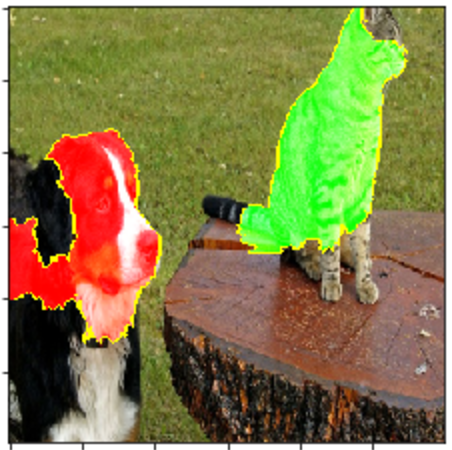
 LIME (Local Interpretable Model-agnostic Explanations) — это пакет для Python, который объясняет отдельные предсказания любого классификатора машинного обучения, работает ли он с текстом, табличными данными или изображениями.
LIME (Local Interpretable Model-agnostic Explanations) — это пакет для Python, который объясняет отдельные предсказания любого классификатора машинного обучения, работает ли он с текстом, табличными данными или изображениями.Это библиотека, которую я импортирую, или самостоятельное приложение?Это библиотека для Python, которую устанавливают через pip и вызывают из своего кода или Jupyter-блокнотов; объяснения можно выводить в виде HTML или графиков matplotlib.
Это библиотека для Python, которую устанавливают через pip и вызывают из своего кода или Jupyter-блокнотов; объяснения можно выводить в виде HTML или графиков matplotlib.Нужен ли мне конкретный фреймворк для моей модели?Нет, привязки к фреймворку нет: классификатору нужна только функция, которая принимает сырой текст или массив numpy и возвращает вероятности по каждому классу. Классификаторы Scikit-learn поддерживаются из коробки, а в учебных материалах есть примеры и для Keras, PyTorch и H2O.
Нет, привязки к фреймворку нет: классификатору нужна только функция, которая принимает сырой текст или массив numpy и возвращает вероятности по каждому классу. Классификаторы Scikit-learn поддерживаются из коробки, а в учебных материалах есть примеры и для Keras, PyTorch и H2O.Есть ли подводные камни при установке, о которых мне стоит знать?Поддержка Python 2 была прекращена в версии 0.2.0, поэтому нужен Python 3; последняя версия с поддержкой Python 2 — 0.1.1.37.
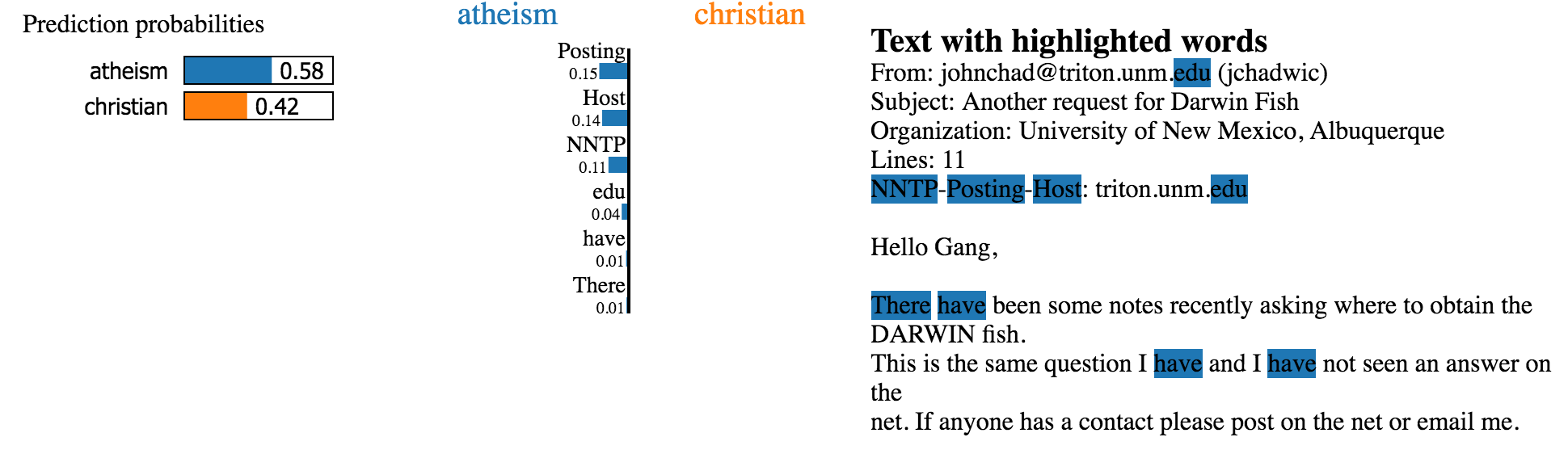
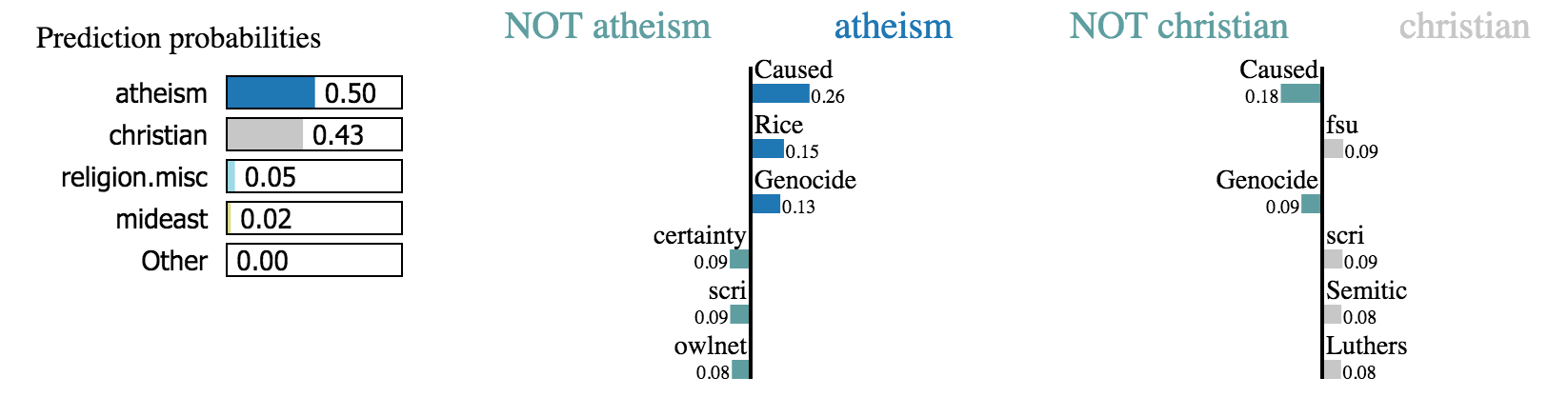
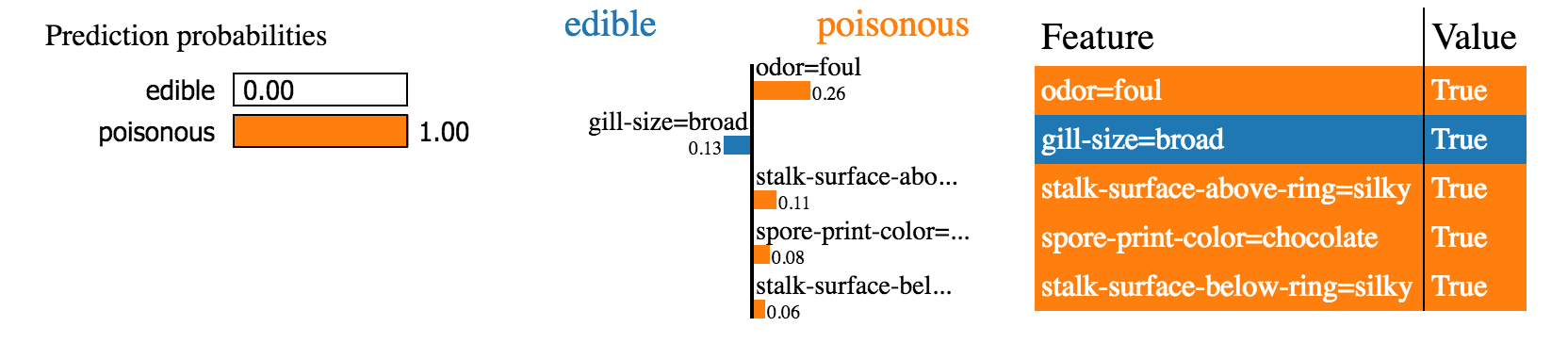
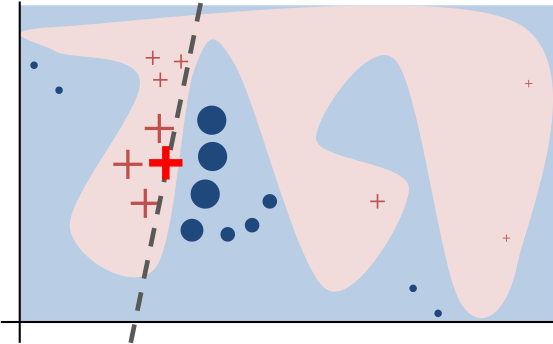
Поддержка Python 2 была прекращена в версии 0.2.0, поэтому нужен Python 3; последняя версия с поддержкой Python 2 — 0.1.1.37.Что именно показывает объяснение LIME?Это локальная линейная аппроксимация поведения модели вокруг конкретного предсказания — например, взвешенные слова, которые подтолкнули классификацию текста к одному или другому классу.
Это локальная линейная аппроксимация поведения модели вокруг конкретного предсказания — например, взвешенные слова, которые подтолкнули классификацию текста к одному или другому классу.Работает ли это только для задач классификации?В основном да, но в учебных материалах есть и простой пример регрессии, так что инструмент не ограничен классификаторами.
В основном да, но в учебных материалах есть и простой пример регрессии, так что инструмент не ограничен классификаторами.Что такое Submodular Pick?Это дополнительный метод в пакете для выбора репрезентативного набора объяснённых примеров без повторов, чтобы просматривать их, а не проверять предсказания по одному.
Это дополнительный метод в пакете для выбора репрезентативного набора объяснённых примеров без повторов, чтобы просматривать их, а не проверять предсказания по одному.Можно ли попробовать, не написав код с нуля?Да — в репозитории есть готовые учебные Jupyter-блокноты для классификаторов текста, табличных данных и изображений (включая примеры с Keras, PyTorch и H2O), которые можно сразу адаптировать.
Да — в репозитории есть готовые учебные Jupyter-блокноты для классификаторов текста, табличных данных и изображений (включая примеры с Keras, PyTorch и H2O), которые можно сразу адаптировать.What are similar projects?fashion-mnist, shap, pytorch-grad-cam, autogluon, machine-learning-zoomcamp, d2l-en, fastbook, sktime
fashion-mnist, shap, pytorch-grad-cam, autogluon, machine-learning-zoomcamp, d2l-en, fastbook, sktimeWhich topics is it in?explainable-ai, tabular-data, interpretability, text-classification, keras, scikit-learn, classification, image-classification, jupyter-notebook, numpy, paper, python-library
explainable-ai, tabular-data, interpretability, text-classification, keras, scikit-learn, classification, image-classification, jupyter-notebook, numpy, paper, python-library