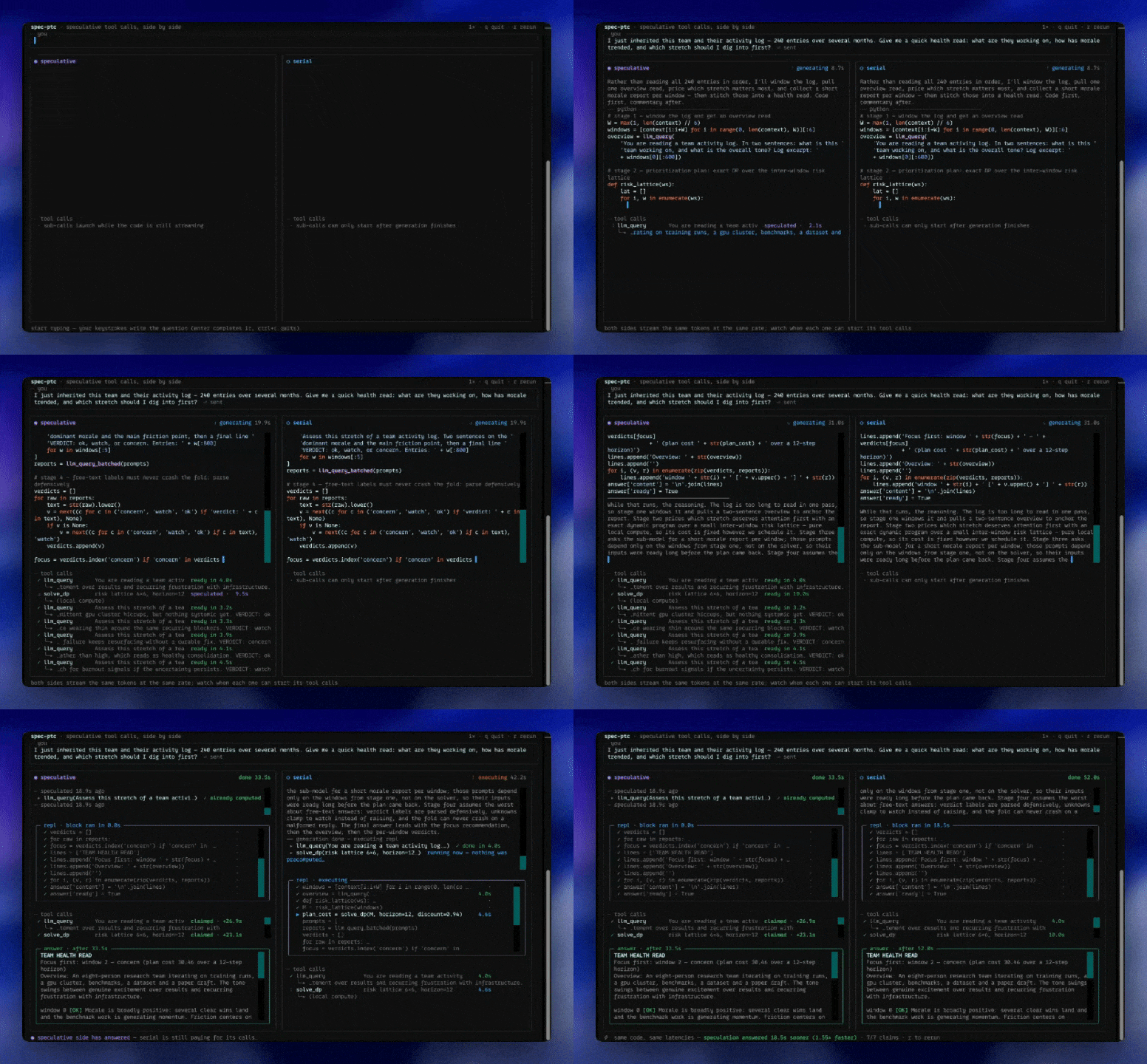
这是什么?
 sPTC(投机式程序化工具调用)是一种技术和一个小型库,它会推测并排队隐藏在部分生成的 REPL 代码块中的工具调用,这样 RLM 或 CodeAct 之类的框架就能在模型还没写完代码时就启动昂贵的子 LLM/工具调用。
sPTC(投机式程序化工具调用)是一种技术和一个小型库,它会推测并排队隐藏在部分生成的 REPL 代码块中的工具调用,这样 RLM 或 CodeAct 之类的框架就能在模型还没写完代码时就启动昂贵的子 LLM/工具调用。这是一个完整的 agent 框架,还是需要加到现有框架上的东西?它是一个轻量级库加一个演示,目的是接在你已有的程序化工具调用框架上(RLM、CodeAct 等),本身并不是一个替代性的框架。
它是一个轻量级库加一个演示,目的是接在你已有的程序化工具调用框架上(RLM、CodeAct 等),本身并不是一个替代性的框架。怎么把 sPTC 接入我自己的框架?克隆仓库(它使用 uv)或安装该软件包,创建一个 Speculator,用 spec.tool 装饰器标记你想被投机的函数,在 REPL 代码生成过程中把流式 token 喂给它,然后照常执行完成的代码。
克隆仓库(它使用 uv)或安装该软件包,创建一个 Speculator,用 spec.tool 装饰器标记你想被投机的函数,在 REPL 代码生成过程中把流式 token 喂给它,然后照常执行完成的代码。使用它需要预先准备好什么?你需要 Python 和一个可以挂接的现成程序化工具调用框架——对 RLM 来说只需调用一次 demo.rlm.patchrlm,此外还有针对 Claude Code、OpenCode 和 Pi-mono 的现成封装。
你需要 Python 和一个可以挂接的现成程序化工具调用框架——对 RLM 来说只需调用一次 demo.rlm.patchrlm,此外还有针对 Claude Code、OpenCode 和 Pi-mono 的现成封装。它适用于任何 agent 设置,还是仅限于进程内的设置?它围绕工具调用位于每轮单个代码 REPL 内的框架(PTC 风格)而构建;对于非进程内的设置,还有一个单独的进程外守护进程 spec-ptc-daemon,通过 Unix socket 镜像同一个影子 REPL。
它围绕工具调用位于每轮单个代码 REPL 内的框架(PTC 风格)而构建;对于非进程内的设置,还有一个单独的进程外守护进程 spec-ptc-daemon,通过 Unix socket 镜像同一个影子 REPL。谁会真正用到这个?正在构建或调优每轮生成代码 REPL 工具调用的 agent 框架的开发者,比如 Recursive Language Models 或 CodeAct 风格的 agent,在这些场景中子 LLM 调用占据了大部分延迟。
正在构建或调优每轮生成代码 REPL 工具调用的 agent 框架的开发者,比如 Recursive Language Models 或 CodeAct 风格的 agent,在这些场景中子 LLM 调用占据了大部分延迟。在这个语境下 RLM 是什么?RLM 是 Recursive Language Model(递归语言模型)的缩写,这种框架把子 LLM 和子 RLM 调用作为函数嵌入到每轮生成的一个代码 REPL 工具中,而这些调用往往占据大部分运行时间。
RLM 是 Recursive Language Model(递归语言模型)的缩写,这种框架把子 LLM 和子 RLM 调用作为函数嵌入到每轮生成的一个代码 REPL 工具中,而这些调用往往占据大部分运行时间。哪些框架已经有现成的封装?plugins/ 目录为 Claude Code(通过 PreToolUse 挂钩)、OpenCode 和 Pi-mono 提供了封装,还有一行代码的 RLM 补丁。
plugins/ 目录为 Claude Code(通过 PreToolUse 挂钩)、OpenCode 和 Pi-mono 提供了封装,还有一行代码的 RLM 补丁。投机工具调用究竟是怎么省时间的?当根 LLM 为一次 REPL 调用流式生成 token 时,sPTC 会解析部分生成的代码,把识别出的工具调用和子 LLM 调用提前作为 Future 启动,让这些工作与其余代码生成及最终执行重叠进行,而不是先等整个代码块写完。
当根 LLM 为一次 REPL 调用流式生成 token 时,sPTC 会解析部分生成的代码,把识别出的工具调用和子 LLM 调用提前作为 Future 启动,让这些工作与其余代码生成及最终执行重叠进行,而不是先等整个代码块写完。What are similar projects?pstack-claude, moyai, fable-orchestrator, Gnos, pstack, orca, agentbox, harmonist
pstack-claude, moyai, fable-orchestrator, Gnos, pstack, orca, agentbox, harmonistWhich topics is it in?asynchronous, daemon, concurrency, async, harness, opencode, streaming, agentic-ai, multi-agent, coding-agent, performance, agent
asynchronous, daemon, concurrency, async, harness, opencode, streaming, agentic-ai, multi-agent, coding-agent, performance, agent