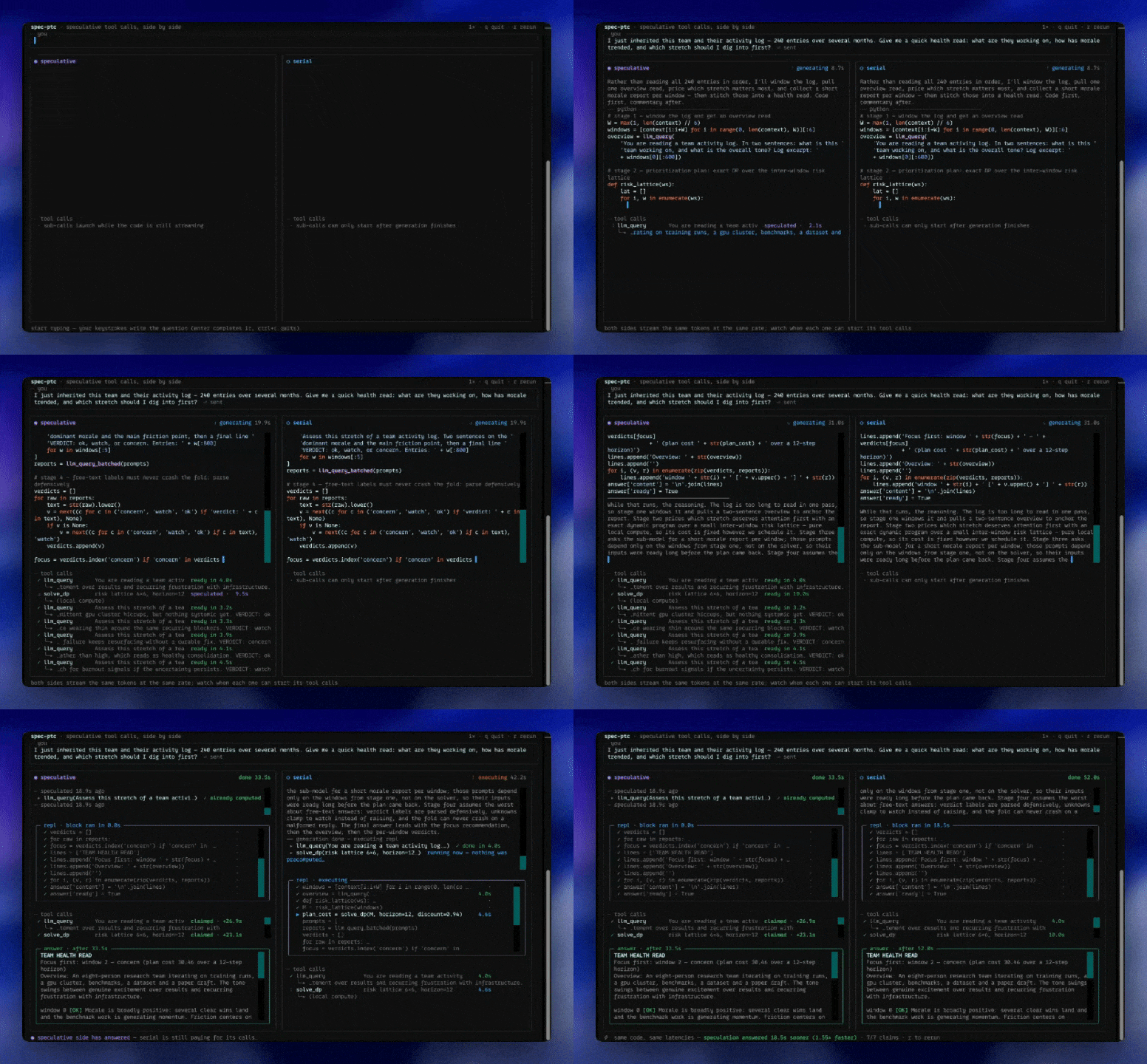
Что это?
 sPTC (speculative programmatic tool-calling) — это техника и небольшая библиотека, которые предугадывают и ставят в очередь вызовы инструментов, спрятанные внутри частично сгенерированного блока REPL-кода, чтобы обвязки вроде RLM или CodeAct могли запускать дорогие вызовы суб-LLM и инструментов ещё до того, как модель допишет код.
sPTC (speculative programmatic tool-calling) — это техника и небольшая библиотека, которые предугадывают и ставят в очередь вызовы инструментов, спрятанные внутри частично сгенерированного блока REPL-кода, чтобы обвязки вроде RLM или CodeAct могли запускать дорогие вызовы суб-LLM и инструментов ещё до того, как модель допишет код.Это полноценная агентская обвязка или то, что я добавляю к уже существующей?Это лёгкая библиотека плюс демо, созданная, чтобы пристраиваться к обвязкам программных вызовов инструментов, которые у вас уже есть (RLM, CodeAct и т.д.), а не заменять саму обвязку.
Это лёгкая библиотека плюс демо, созданная, чтобы пристраиваться к обвязкам программных вызовов инструментов, которые у вас уже есть (RLM, CodeAct и т.д.), а не заменять саму обвязку.Как встроить sPTC в свою обвязку?Склонируйте репозиторий (он использует uv) или установите пакет, создайте Speculator, пометьте декоратором spec.tool функции, которые хотите предугадывать, передавайте в него стримящиеся токены по мере генерации REPL-кода, а затем выполняйте готовый код как обычно.
Склонируйте репозиторий (он использует uv) или установите пакет, создайте Speculator, пометьте декоратором spec.tool функции, которые хотите предугадывать, передавайте в него стримящиеся токены по мере генерации REPL-кода, а затем выполняйте готовый код как обычно.Что уже должно быть настроено, чтобы этим пользоваться?Нужны Python и существующая обвязка программных вызовов инструментов, к которой можно подключиться — для RLM это один вызов demo.rlm.patchrlm, а готовые обёртки есть для Claude Code, OpenCode и Pi-mono.
Нужны Python и существующая обвязка программных вызовов инструментов, к которой можно подключиться — для RLM это один вызов demo.rlm.patchrlm, а готовые обёртки есть для Claude Code, OpenCode и Pi-mono.Это работает с любой агентской конфигурацией или только с внутрипроцессными?Она построена вокруг обвязок, у которых вызовы инструментов живут внутри одного REPL-кода на каждый ход (в стиле PTC); для конфигураций не в одном процессе есть отдельный внешний демон spec-ptc-daemon, зеркалирующий тот же теневой REPL через Unix-сокет.
Она построена вокруг обвязок, у которых вызовы инструментов живут внутри одного REPL-кода на каждый ход (в стиле PTC); для конфигураций не в одном процессе есть отдельный внешний демон spec-ptc-daemon, зеркалирующий тот же теневой REPL через Unix-сокет.Кто реально будет этим пользоваться?Разработчики, которые строят или настраивают агентские обвязки, генерирующие вызовы инструментов через код-REPL на каждом ходу, — вроде Recursive Language Models или агентов в стиле CodeAct, где вызовы суб-LLM доминируют в задержке.
Разработчики, которые строят или настраивают агентские обвязки, генерирующие вызовы инструментов через код-REPL на каждом ходу, — вроде Recursive Language Models или агентов в стиле CodeAct, где вызовы суб-LLM доминируют в задержке.Что такое RLM в этом контексте?RLM расшифровывается как Recursive Language Model — обвязка, где вызовы суб-LLM и суб-RLM встроены как функции внутрь одного инструмента код-REPL, генерируемого на каждый ход, и такие вызовы часто занимают большую часть времени выполнения.
RLM расшифровывается как Recursive Language Model — обвязка, где вызовы суб-LLM и суб-RLM встроены как функции внутрь одного инструмента код-REPL, генерируемого на каждый ход, и такие вызовы часто занимают большую часть времени выполнения.Для каких обвязок уже есть готовые обёртки?В каталоге plugins/ лежат обёртки для Claude Code (подключается через PreToolUse), OpenCode и Pi-mono — не считая однострочного патча для RLM.
В каталоге plugins/ лежат обёртки для Claude Code (подключается через PreToolUse), OpenCode и Pi-mono — не считая однострочного патча для RLM.Как предугадывание вызовов инструментов реально экономит время?Пока корневая LLM стримит токены REPL-вызова, sPTC разбирает частично сгенерированный код, заранее запускает распознанные вызовы инструментов и суб-LLM как Futures и совмещает эту работу с оставшейся генерацией кода и последующим выполнением, вместо того чтобы сначала ждать завершения всего блока.
Пока корневая LLM стримит токены REPL-вызова, sPTC разбирает частично сгенерированный код, заранее запускает распознанные вызовы инструментов и суб-LLM как Futures и совмещает эту работу с оставшейся генерацией кода и последующим выполнением, вместо того чтобы сначала ждать завершения всего блока.What are similar projects?pstack-claude, moyai, fable-orchestrator, Gnos, pstack, orca, agentbox, harmonist
pstack-claude, moyai, fable-orchestrator, Gnos, pstack, orca, agentbox, harmonistWhich topics is it in?asynchronous, daemon, concurrency, async, harness, opencode, streaming, agentic-ai, multi-agent, coding-agent, performance, agent
asynchronous, daemon, concurrency, async, harness, opencode, streaming, agentic-ai, multi-agent, coding-agent, performance, agent