




4.9K ·GitHub
Что это за проект?
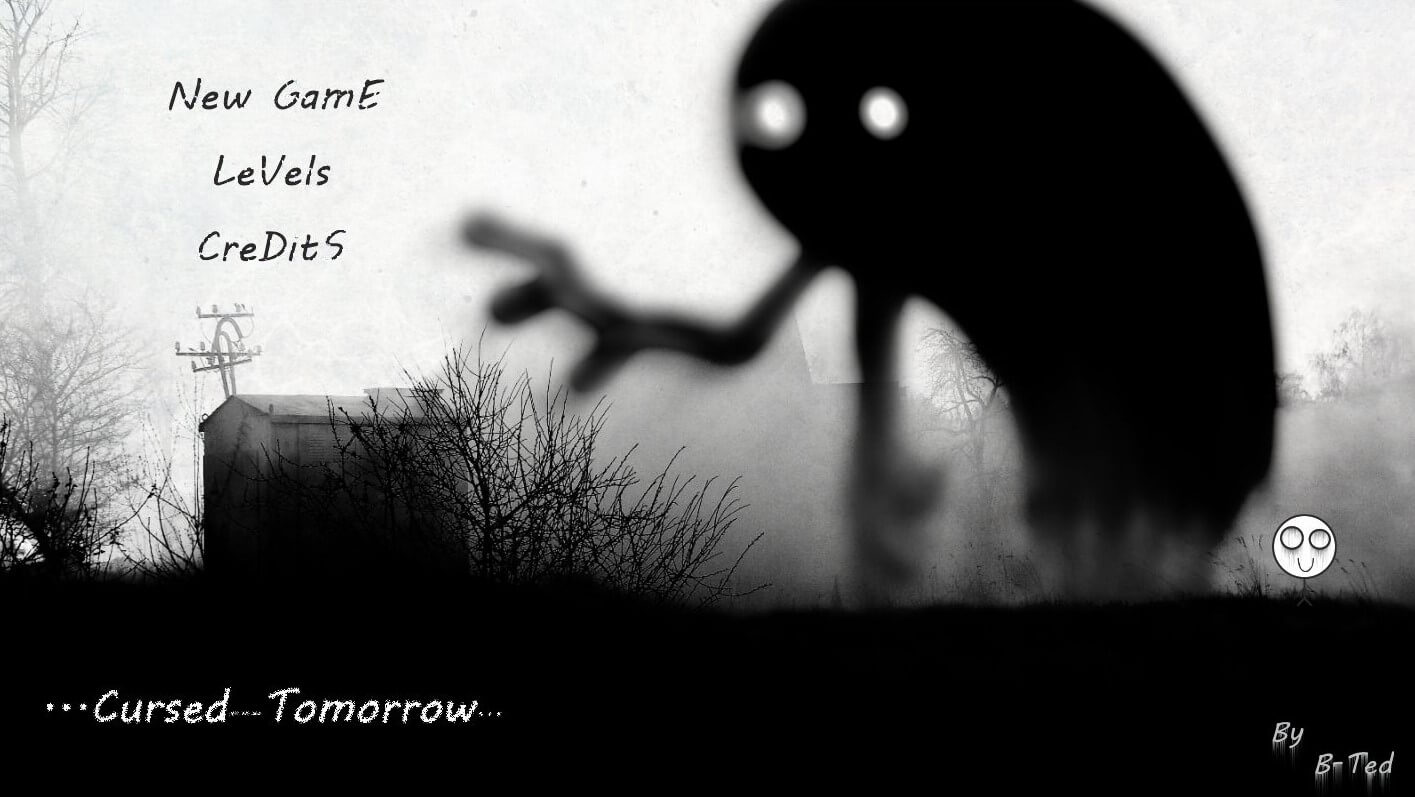
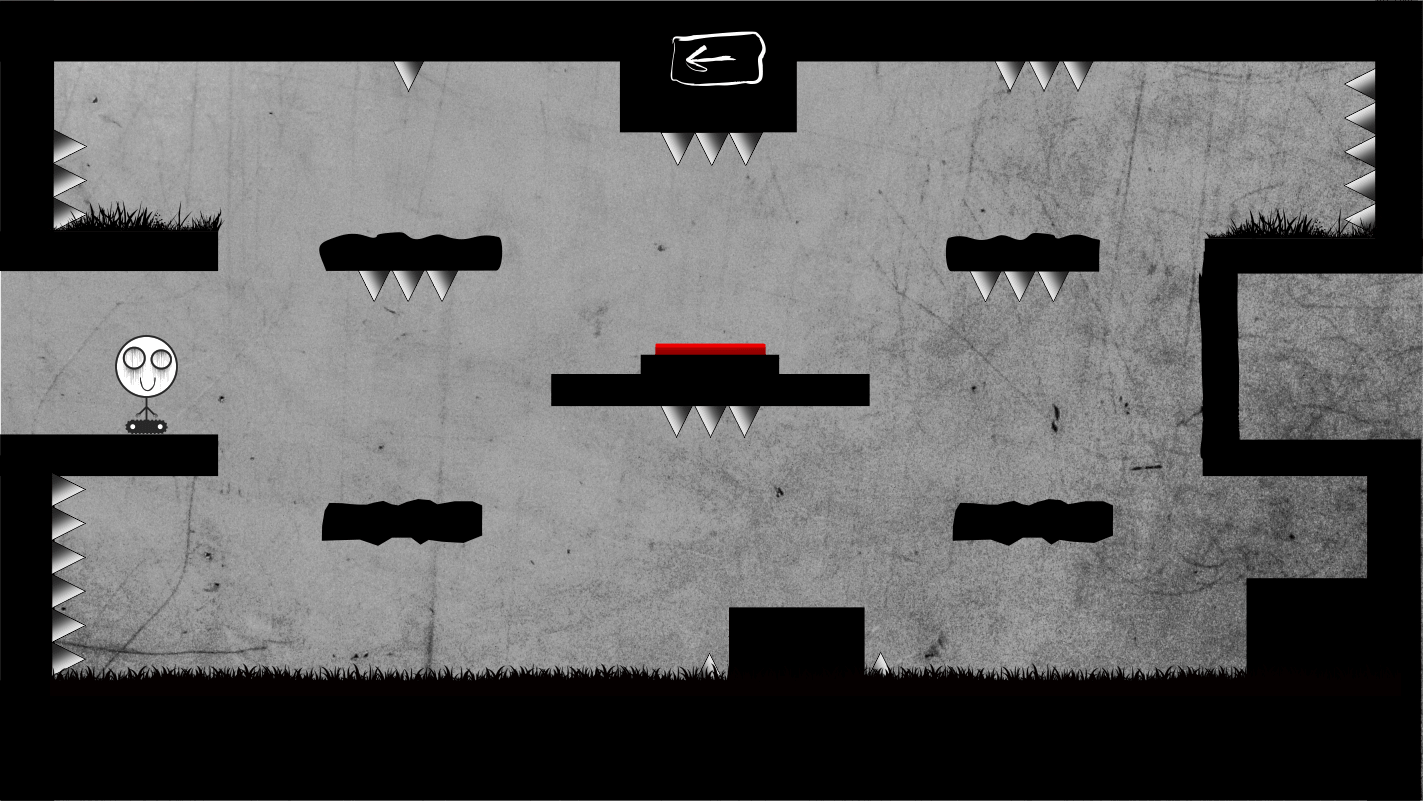
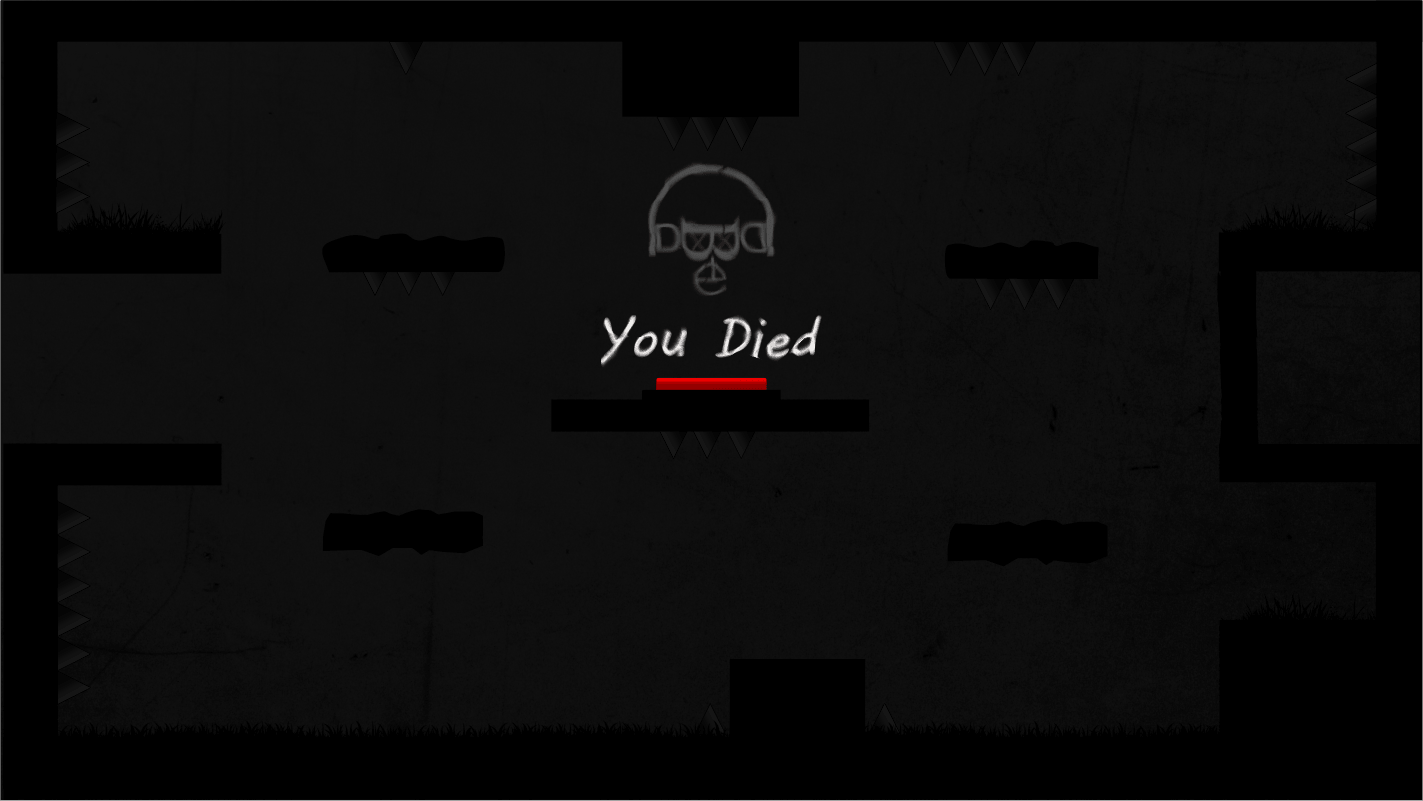
 Cursed Tomorrow — это 2D-платформер в жанре хоррор-выживания и побега, написанный с нуля на C++. Он создан как самостоятельная техническая демонстрация собственного модульного игрового движка и атмосферного сюжета.
Это игра или переиспользуемый движок/библиотека?Это самостоятельная игра со своим игровым ядром на C++ (модули Core, Entities, Resources, Config). Это не универсальный движок, который предназначен для подключения в другие проекты.
Это самостоятельная игра со своим игровым ядром на C++ (модули Core, Entities, Resources, Config). Это не универсальный движок, который предназначен для подключения в другие проекты.Как собрать и запустить игру?Установите компилятор C++17 и CMake 3.15+, затем запустите процесс сборки. Raylib загружается автоматически в ходе сборки.
Установите компилятор C++17 и CMake 3.15+, затем запустите процесс сборки. Raylib загружается автоматически в ходе сборки.Нужно ли сначала самому установить Raylib?Нет, Raylib — основная зависимость для отрисовки, но она загружается автоматически в рамках сборки через CMake, так что устанавливать её вручную не нужно.
Нет, Raylib — основная зависимость для отрисовки, но она загружается автоматически в рамках сборки через CMake, так что устанавливать её вручную не нужно.Есть ли вариант с Docker, если я не хочу настраивать инструменты C++ локально?В списке тем проекта указан Docker, что говорит о возможности сборки и запуска в контейнере наряду с обычной сборкой через CMake. Однако в README не описаны точные команды для Docker.
В списке тем проекта указан Docker, что говорит о возможности сборки и запуска в контейнере наряду с обычной сборкой через CMake. Однако в README не описаны точные команды для Docker.Для кого, кроме игроков, это предназначено?Проект рассчитан и на игроков, которые ищут атмосферный хоррор-платформер, и на разработчиков и студентов, которых интересует изучение задокументированной модульной архитектуры игры на C++.
Проект рассчитан и на игроков, которые ищут атмосферный хоррор-платформер, и на разработчиков и студентов, которых интересует изучение задокументированной модульной архитектуры игры на C++.Какая архитектура используется в игре внутри?Игра разделена на независимые модули в пространстве имён CursedTomorrow: Core (окно, конечный автомат состояний и управление главным циклом), Entities (объекты и физика, независимы), Resources (централизованное кэширование ресурсов, без связей с другими модулями) и Config (статические глобальные константы).
Игра разделена на независимые модули в пространстве имён CursedTomorrow: Core (окно, конечный автомат состояний и управление главным циклом), Entities (объекты и физика, независимы), Resources (централизованное кэширование ресурсов, без связей с другими модулями) и Config (статические глобальные константы).Есть ли дополнительные учебные материалы помимо кода?Да, в проекте есть документ SRS (спецификация требований к ПО), в котором рассматриваются структуры данных и концепции DSA, а также презентация по DSA, где пошагово разбираются реализованные концепции.
Да, в проекте есть документ SRS (спецификация требований к ПО), в котором рассматриваются структуры данных и концепции DSA, а также презентация по DSA, где пошагово разбираются реализованные концепции.Какие есть похожие проекты?OpenRCT2, openage, luanti, bgfx, TheSimpsonsGameRecomp, GDevelop, re4, WoWee
OpenRCT2, openage, luanti, bgfx, TheSimpsonsGameRecomp, GDevelop, re4, WoWeeВ каких он темах?oop, software-engineering, cmake, game-engine, game-development, game, gaming, developers, cpp, c++, education, desktop-app
oop, software-engineering, cmake, game-engine, game-development, game, gaming, developers, cpp, c++, education, desktop-app