






Что это такое?
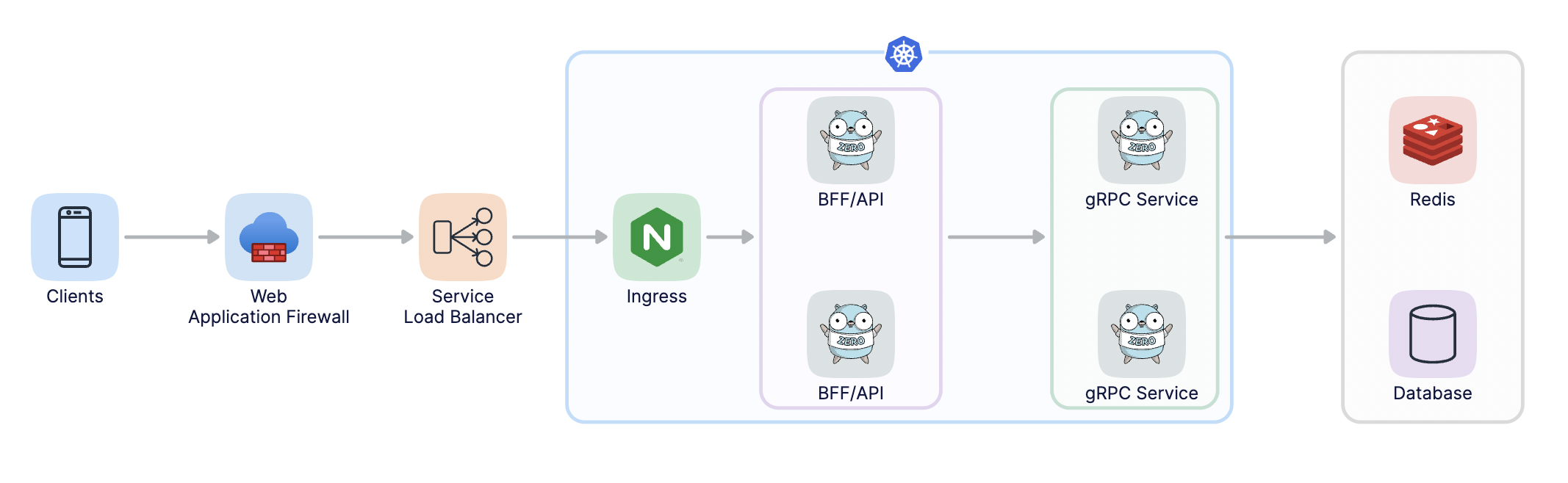
 go-zero — это cloud-native фреймворк для Go, предназначенный для создания веб- и RPC-микросервисов, со встроенными инженерными практиками. Он уже несколько лет обслуживает сайты с десятками миллионов пользователей и входит в CNCF Landscape.
Это фреймворк или отдельный инструмент для командной строки?И то и другое: ядро — это веб- и RPC-фреймворк для Go, а в комплекте идёт goctl — утилита командной строки, которая превращает простые .api-файлы с описанием в сгенерированный код.
И то и другое: ядро — это веб- и RPC-фреймворк для Go, а в комплекте идёт goctl — утилита командной строки, которая превращает простые .api-файлы с описанием в сгенерированный код.Как запустить сервис?Опишите свой сервис на простом синтаксисе .api, который использует go-zero, и запустите goctl — одна команда генерирует код сервиса, а свою логику вы пишете поверх фреймворка.
Опишите свой сервис на простом синтаксисе .api, который использует go-zero, и запустите goctl — одна команда генерирует код сервиса, а свою логику вы пишете поверх фреймворка.Меня заставят отказаться от стандартного HTTP-стека Go?Нет — его простой API сохраняет полную совместимость интерфейсов с net/http, а встроенные middlewares можно встроить и в ваши собственные фреймворки.
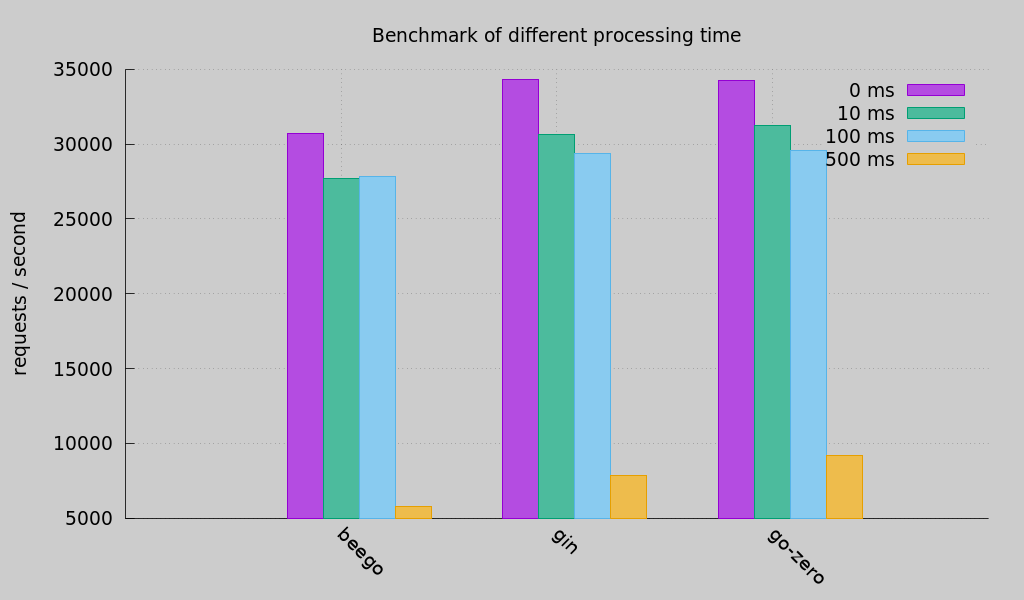
Нет — его простой API сохраняет полную совместимость интерфейсов с net/http, а встроенные middlewares можно встроить и в ваши собственные фреймворки.Это для больших продакшен-систем или для любительских проектов?Он рассчитан на нагруженные продакшен-сервисы: go-zero спроектирован для стабильной работы при высоких нагрузках и в качестве примеров называет сервисы с десятками миллионов активных пользователей в день.
Он рассчитан на нагруженные продакшен-сервисы: go-zero спроектирован для стабильной работы при высоких нагрузках и в качестве примеров называет сервисы с десятками миллионов активных пользователей в день.Какие языки, кроме Go, умеет генерировать goctl?Из тех же .api-файлов он может генерировать Go, iOS, Android, Kotlin, Dart, TypeScript и JavaScript, так что веб- и мобильные клиенты получают SDK прямо из описания сервиса.
Из тех же .api-файлов он может генерировать Go, iOS, Android, Kotlin, Dart, TypeScript и JavaScript, так что веб- и мобильные клиенты получают SDK прямо из описания сервиса.Почему команда написала свой фреймворк, а не взяла готовый?В начале 2018 года они переносили монолит на Java+MongoDB в микросервисы: для производительности и низкого потребления ресурсов выбрали Go, а собственный фреймворк — ради лучшей изоляции проблем и более быстрого решения неполадок.
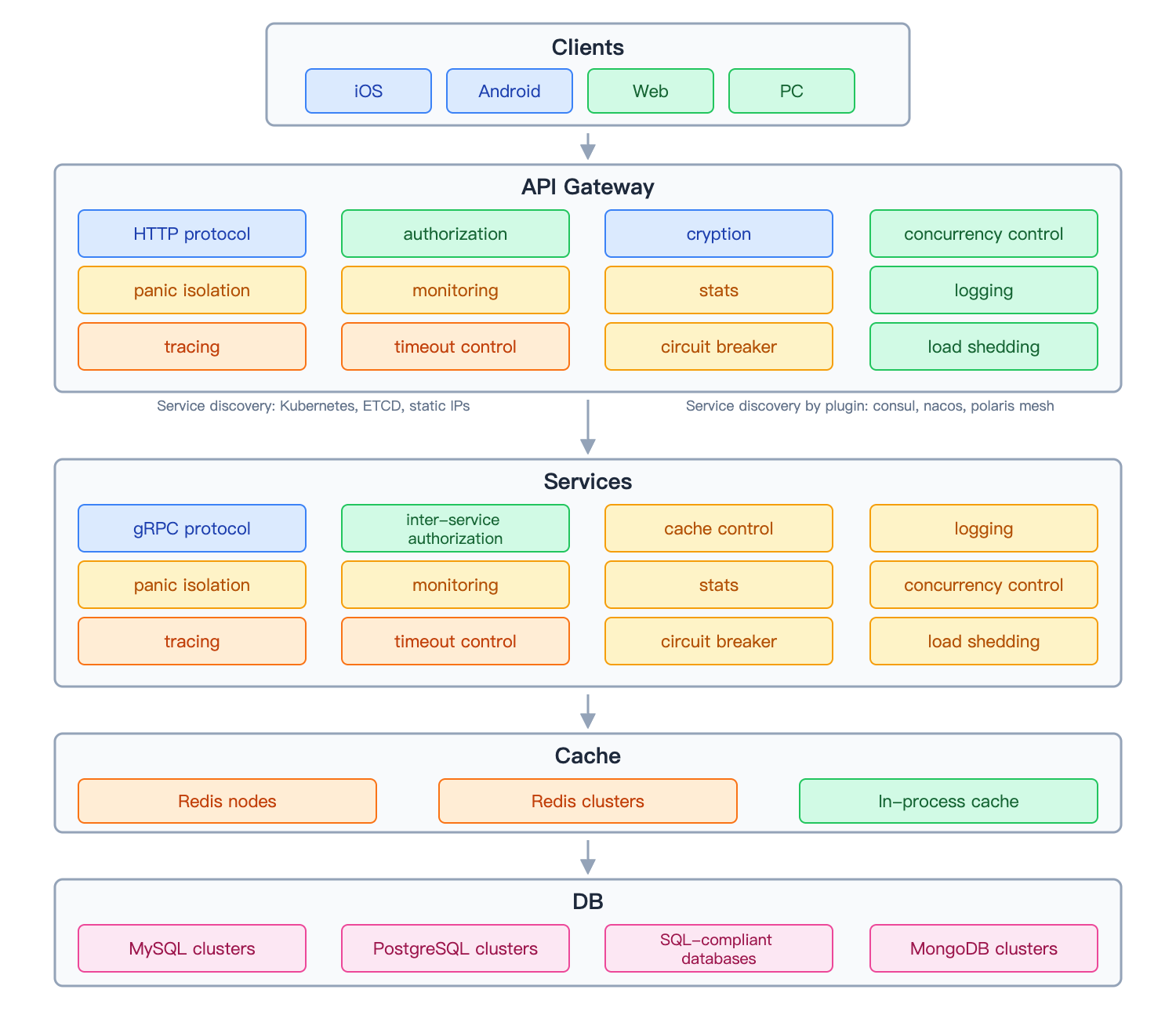
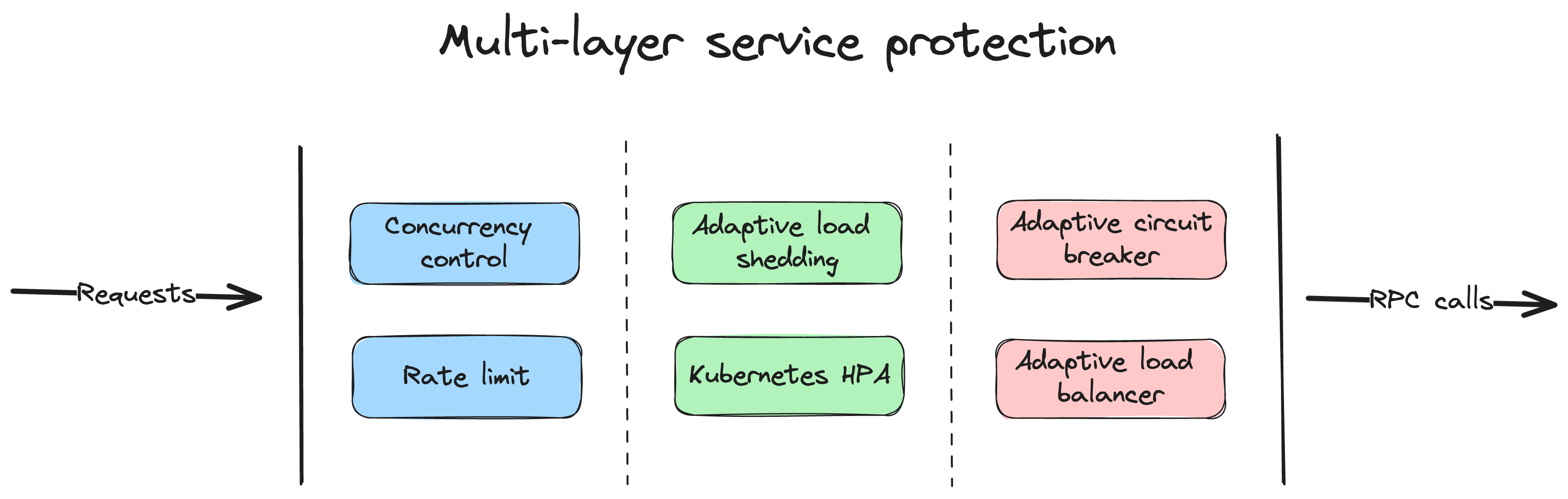
В начале 2018 года они переносили монолит на Java+MongoDB в микросервисы: для производительности и низкого потребления ресурсов выбрали Go, а собственный фреймворк — ради лучшей изоляции проблем и более быстрого решения неполадок.Что я получу из коробки, не написав код отказоустойчивости самому?Встроены последовательный контроль таймаутов, контроль конкурентности, ограничение частоты запросов, адаптивный circuit breaker и адаптивный сброс нагрузки — обычно без всякой настройки; туда же входят обнаружение сервисов, балансировка нагрузки и трассировка вызовов.
Встроены последовательный контроль таймаутов, контроль конкурентности, ограничение частоты запросов, адаптивный circuit breaker и адаптивный сброс нагрузки — обычно без всякой настройки; туда же входят обнаружение сервисов, балансировка нагрузки и трассировка вызовов.Он сам проверяет входящие запросы?Да — параметры клиентских запросов проверяются автоматически, это одна из встроенных инструментов для разработчиков наряду с управлением кешем, метриками и мониторингом.
Да — параметры клиентских запросов проверяются автоматически, это одна из встроенных инструментов для разработчиков наряду с управлением кешем, метриками и мониторингом.What are similar projects?kratos, gofr, spring-cloud-alibaba, fiber, grpc-gateway, echo, resty, chi
kratos, gofr, spring-cloud-alibaba, fiber, grpc-gateway, echo, resty, chiWhich topics is it in?ai-native, restful-api, restful, circuit-breaker, microservices-architecture, service-discovery, spec-driven-development, microservice, rate-limiting, tracing, gateway, load-balancer
ai-native, restful-api, restful, circuit-breaker, microservices-architecture, service-discovery, spec-driven-development, microservice, rate-limiting, tracing, gateway, load-balancer