 A goroutine pool for Go


































What is this?
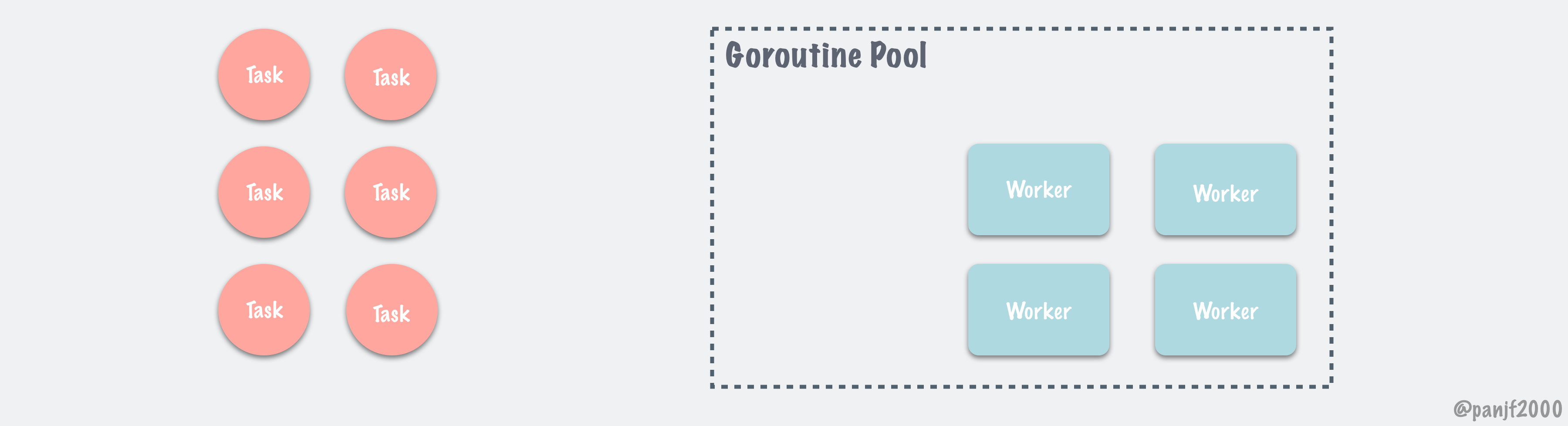
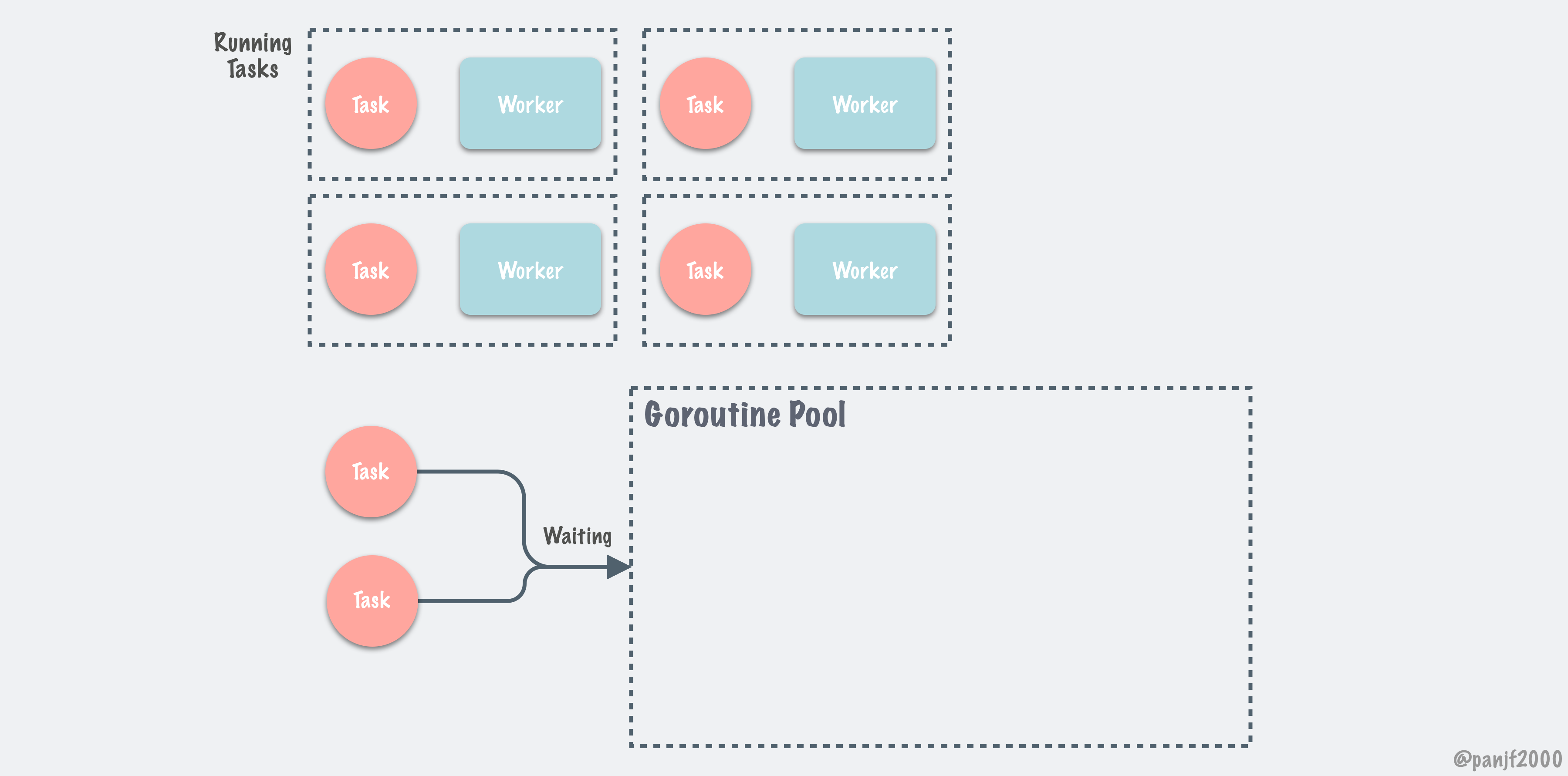
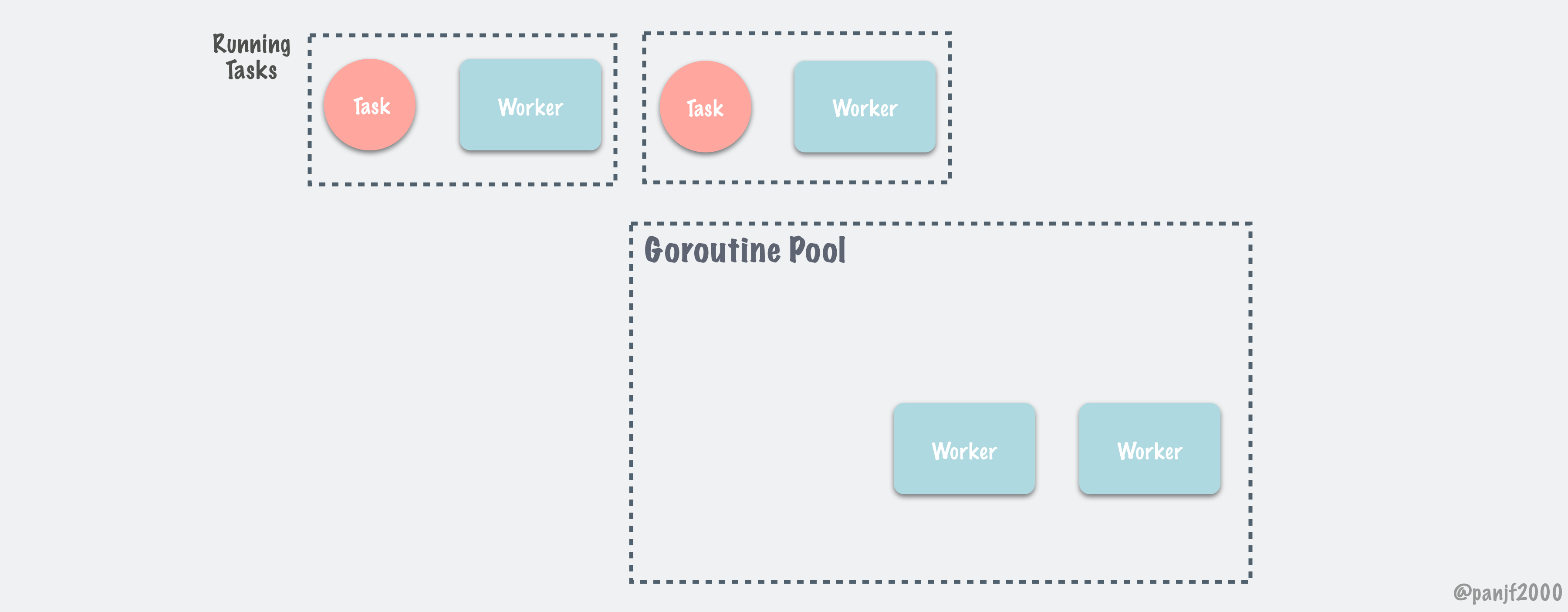
 ants is a goroutine pool library for Go: it manages and recycles a massive number of goroutines with a fixed capacity, letting you limit how many run concurrently in your program.
ants is a goroutine pool library for Go: it manages and recycles a massive number of goroutines with a fixed capacity, letting you limit how many run concurrently in your program.Is this a library I import into my Go code, or a tool I run on its own?It's a library, not a standalone tool — you import it into your own Go program and create and manage pools inside your code.
It's a library, not a standalone tool — you import it into your own Go program and create and manage pools inside your code.How do I add it to my project?Install the v2 module with GO111MODULE=on, then create a pool with ants.NewPool(size) and submit work to it via ants.Submit.
Install the v2 module with GO111MODULE=on, then create a pool with ants.NewPool(size) and submit work to it via ants.Submit.Do I need anything besides Go to use it?Just the Go toolchain — it's a single module with no third-party dependencies or services to configure.
Just the Go toolchain — it's a single module with no third-party dependencies or services to configure.Will my tasks run in the order I submit them?No — tasks are scattered across a series of concurrent workers, so ants does not guarantee execution in submission order.
No — tasks are scattered across a series of concurrent workers, so ants does not guarantee execution in submission order.Why use a goroutine pool instead of just launching unlimited goroutines?Spawning a goroutine per task can balloon memory usage; ants recycles workers instead, which keeps memory in check and can even outperform unlimited goroutines in Go.
Spawning a goroutine per task can balloon memory usage; ants recycles workers instead, which keeps memory in check and can even outperform unlimited goroutines in Go.What happens if one of my tasks panics?ants handles panics gracefully, so a crashing task won't take down your whole program.
ants handles panics gracefully, so a crashing task won't take down your whole program.Can I resize the pool while my program is running?Yes — call ants.Tune to change the capacity at runtime; the method is goroutine-safe, and you can also release the pool and reboot it later.
Yes — call ants.Tune to change the capacity at runtime; the method is goroutine-safe, and you can also release the pool and reboot it later.What else does the pool offer out of the box?You get APIs for checking the number of running goroutines, periodic purging of overdue goroutines, nonblocking submission, and an optional preallocated ring buffer for ultra-large pools.
You get APIs for checking the number of running goroutines, periodic purging of overdue goroutines, nonblocking submission, and an optional preallocated ring buffer for ultra-large pools.Who uses ants in production?Open-source users include gnet, Milvus, TDengine, SiYuan, AdGuard DNS and tRPC-Go, and the README also lists corporations and organizations running it in production.
Open-source users include gnet, Milvus, TDengine, SiYuan, AdGuard DNS and tRPC-Go, and the README also lists corporations and organizations running it in production.Which topics is it in?parallel-programming, performance-optimization, memory-management, scalability, optimization, concurrency, high-performance, backend, performance, go, server, library
parallel-programming, performance-optimization, memory-management, scalability, optimization, concurrency, high-performance, backend, performance, go, server, library