
6.1K ·GitHub
Что это такое?
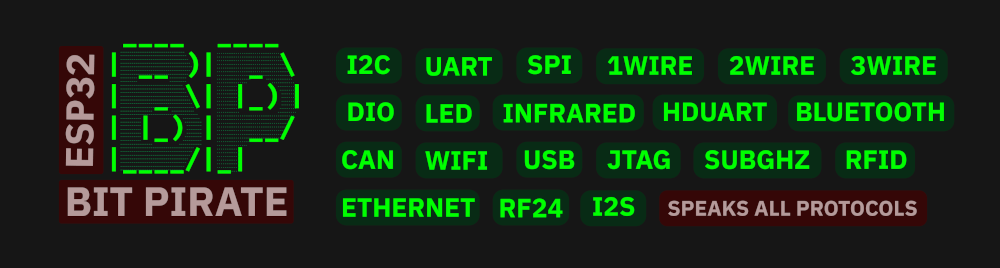
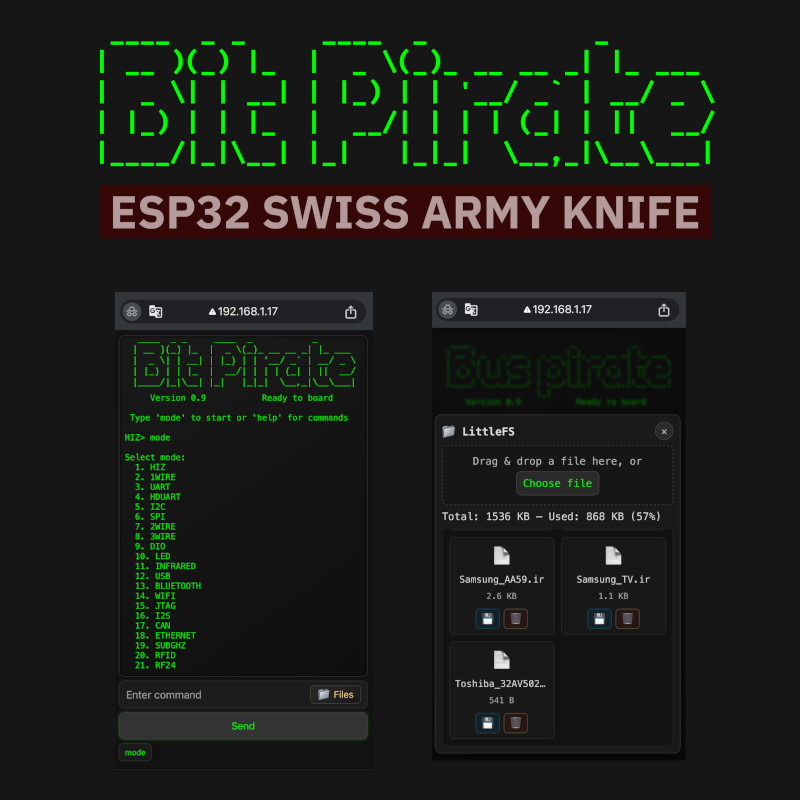
 ESP32 Bit Pirate — это прошивка с открытым исходным кодом, которая превращает плату ESP32-S3 в многофункциональный инструмент для аппаратного взлома и разработки с поддержкой разных протоколов. Идея навеяна Bus Pirate: вы можете прослушивать, отправлять и писать скрипты для цифровых и радиопротоколов.
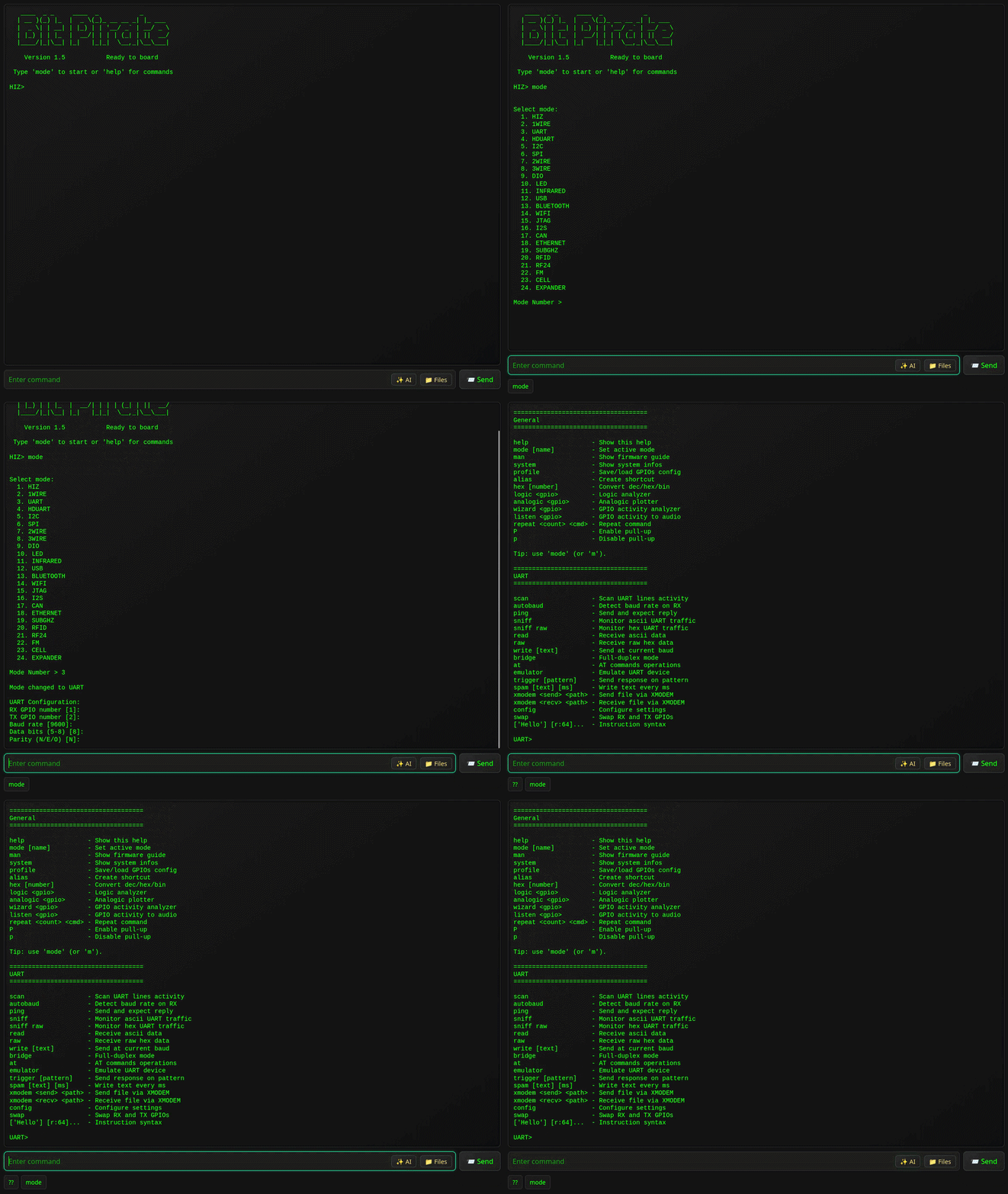
ESP32 Bit Pirate — это прошивка с открытым исходным кодом, которая превращает плату ESP32-S3 в многофункциональный инструмент для аппаратного взлома и разработки с поддержкой разных протоколов. Идея навеяна Bus Pirate: вы можете прослушивать, отправлять и писать скрипты для цифровых и радиопротоколов.Это приложение, которое я устанавливаю, или прошивка, которую я записываю на устройство?Это прошивка, которую вы записываете на поддерживаемую плату ESP32-S3, а затем управляете ею через серийный терминал или веб-CLI. Это не приложение для компьютера.
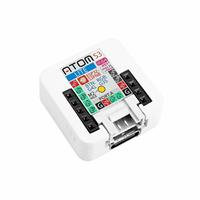
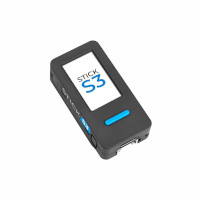
Это прошивка, которую вы записываете на поддерживаемую плату ESP32-S3, а затем управляете ею через серийный терминал или веб-CLI. Это не приложение для компьютера.Как мне записать прошивку на плату?С помощью ESP32 Bit Pirate Web Flasher прошивку можно записать прямо из браузера, а для категорий StickS3, AtomS3, StampS3 или Cardputer — через M5Burner. Затем подключитесь по USB-serial или настройте Wi-Fi, чтобы попасть в веб-CLI.
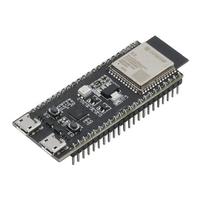
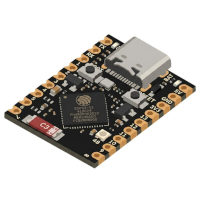
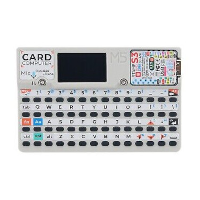
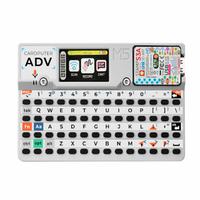
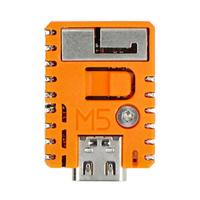
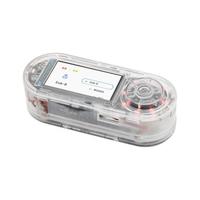
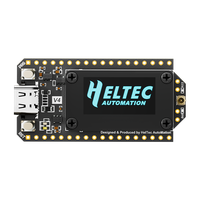
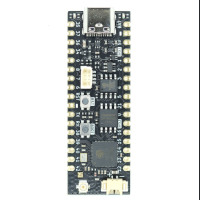
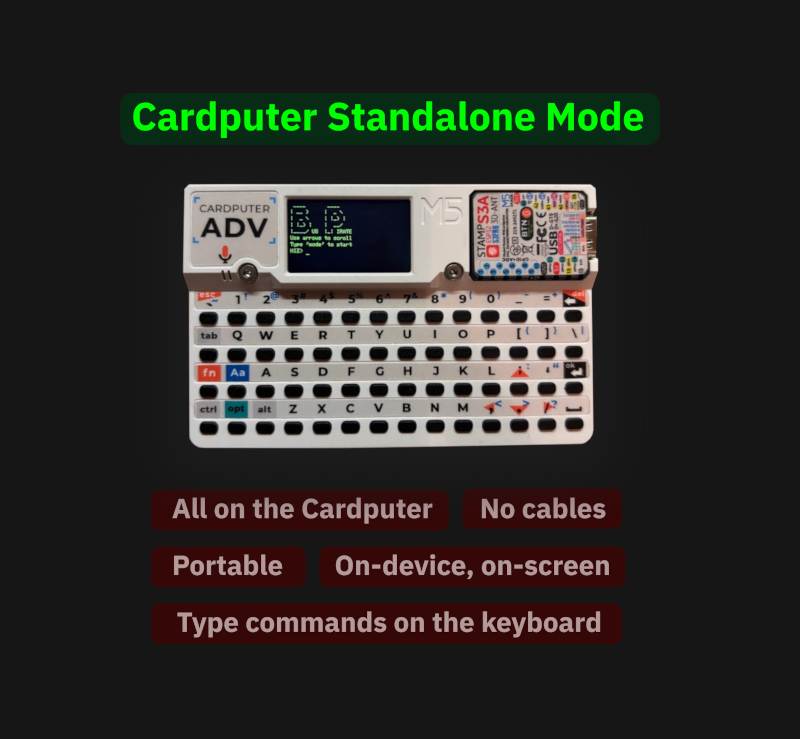
С помощью ESP32 Bit Pirate Web Flasher прошивку можно записать прямо из браузера, а для категорий StickS3, AtomS3, StampS3 или Cardputer — через M5Burner. Затем подключитесь по USB-serial или настройте Wi-Fi, чтобы попасть в веб-CLI.Какое железо мне нужно, чтобы это запустить?Подойдёт любая плата на ESP32-S3 с флеш-памятью минимум 4 МБ, например ESP32 S3 Dev Kit, M5 Cardputer, LILYGO T-Embed, платы Heltec LoRa и несколько других, перечисленных в README.
Подойдёт любая плата на ESP32-S3 с флеш-памятью минимум 4 МБ, например ESP32 S3 Dev Kit, M5 Cardputer, LILYGO T-Embed, платы Heltec LoRa и несколько других, перечисленных в README.Есть ли подводные камни, прежде чем я начну проверять устройства?Распиновка GPIO по умолчанию может не совпадать с вашей конкретной платой, у некоторых плат (например, Heltec WiFi LoRa 32) нет поддержки экрана, а сама прошивка предназначена строго для обучения и авторизованного тестирования — не для несанкционированной радиопередачи или вмешательства в работу устройств.
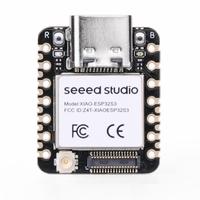
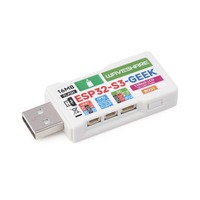
Распиновка GPIO по умолчанию может не совпадать с вашей конкретной платой, у некоторых плат (например, Heltec WiFi LoRa 32) нет поддержки экрана, а сама прошивка предназначена строго для обучения и авторизованного тестирования — не для несанкционированной радиопередачи или вмешательства в работу устройств.На каких платах доступны все функции?Все перечисленные платы (ESP32 S3 Dev Kit, M5 AtomS3/Cardputer/StampS3/StickS3, LILYGO T-Display/T-Embed, платы Heltec, Xiao S3, Waveshare GEEK, ProS3) имеют одинаковый набор функций; лишь дополнительное железо — экраны, LoRa-модули или слоты для SD-карт — добавляет удобства.
Все перечисленные платы (ESP32 S3 Dev Kit, M5 AtomS3/Cardputer/StampS3/StickS3, LILYGO T-Display/T-Embed, платы Heltec, Xiao S3, Waveshare GEEK, ProS3) имеют одинаковый набор функций; лишь дополнительное железо — экраны, LoRa-модули или слоты для SD-карт — добавляет удобства.Что за Bus Pirate, на который он похож?Bus Pirate — известный инструмент с открытым исходным кодом для отладки железа: он позволяет общаться с микросхемами по протоколам вроде I2C и SPI. ESP32 Bit Pirate реализует ту же идею мультипротокольного CLI на дешёвом железе ESP32-S3.
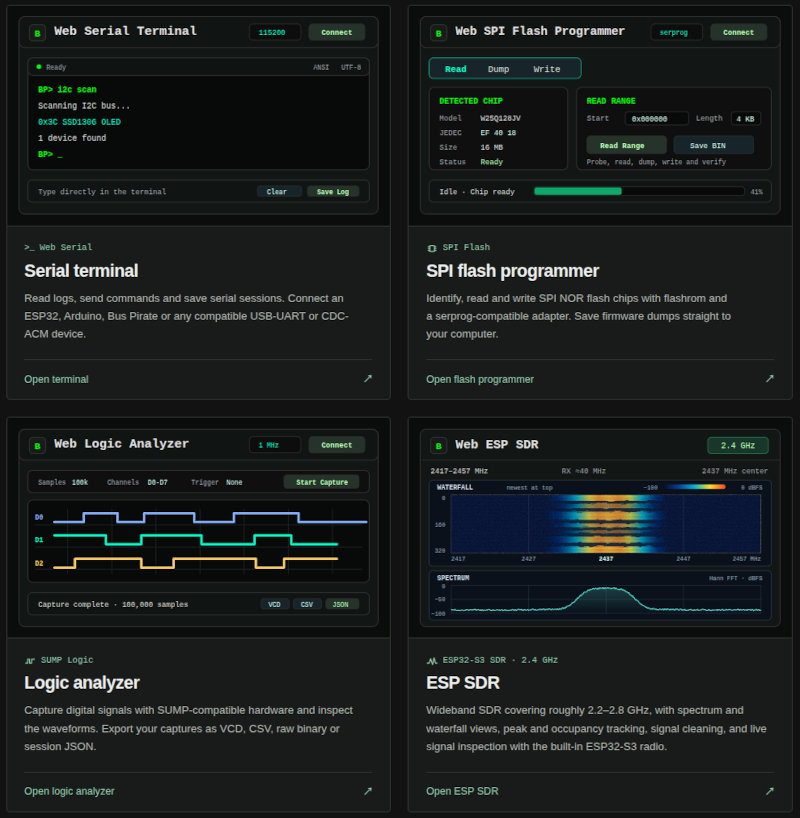
Bus Pirate — известный инструмент с открытым исходным кодом для отладки железа: он позволяет общаться с микросхемами по протоколам вроде I2C и SPI. ESP32 Bit Pirate реализует ту же идею мультипротокольного CLI на дешёвом железе ESP32-S3.Можно ли автоматизировать задачи, а не вводить команды вручную?Да, вы можете писать скрипты на Python, которые работают с устройством по серийному порту, и проверять их прямо в браузере через ESP32 Bit Pirate Python Lab — например, для дампа EEPROM/флеш-памяти или управления анимациями светодиодов.
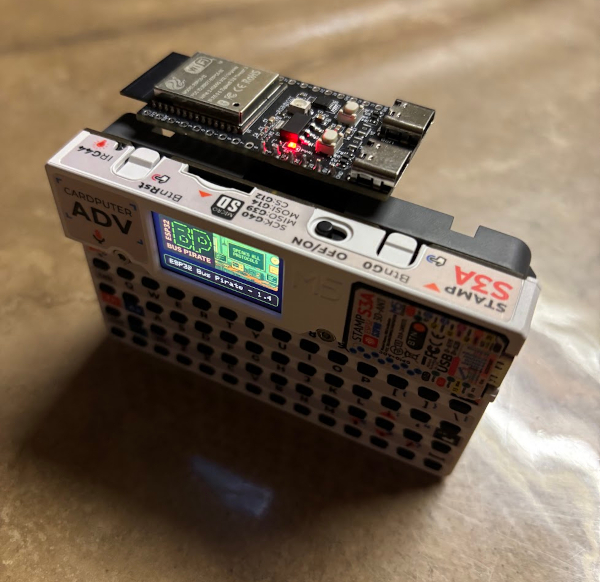
Да, вы можете писать скрипты на Python, которые работают с устройством по серийному порту, и проверять их прямо в браузере через ESP32 Bit Pirate Python Lab — например, для дампа EEPROM/флеш-памяти или управления анимациями светодиодов.Что делает модуль Expander?Expander — это аппаратный модуль-дополнение, который добавляет поддержку радио-возможностей вроде 5 ГГц Wi-Fi и Zigbee, с которыми базовые платы ESP32-S3 сами по себе справиться не могут.
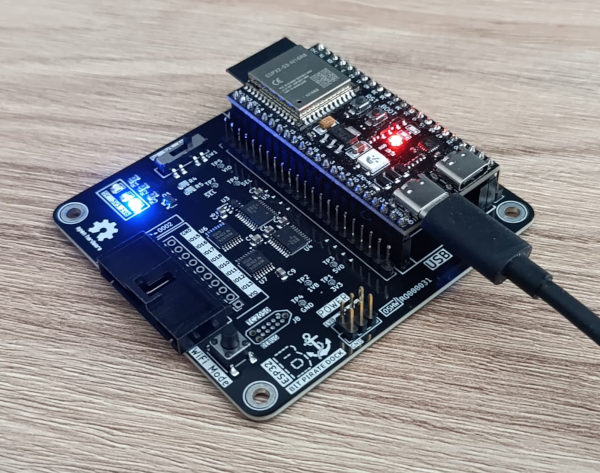
Expander — это аппаратный модуль-дополнение, который добавляет поддержку радио-возможностей вроде 5 ГГц Wi-Fi и Zigbee, с которыми базовые платы ESP32-S3 сами по себе справиться не могут.Для чего нужен аксессуар Dock?Dock — это док-станция для ESP32 S3 DevKit, которая позволяет подключать и использовать экосистему переходников и аксессуаров оригинального Bus Pirate.
Dock — это док-станция для ESP32 S3 DevKit, которая позволяет подключать и использовать экосистему переходников и аксессуаров оригинального Bus Pirate.What are similar projects?johnny-five, ESP32Marauder, tinygo, esp-sdr, w1700k-sdr, unleashed-firmware, flipperzero-firmware, PwnPad
johnny-five, ESP32Marauder, tinygo, esp-sdr, w1700k-sdr, unleashed-firmware, flipperzero-firmware, PwnPad