

11.2K ·GitHub
Что это такое?
 Cytoscape.js — это библиотека по теории графов (сетей) для моделирования, визуализации и анализа связанных данных, например биологических или социальных сетей. Её можно использовать в браузере или в Node.js.
Это приложение с интерфейсом или то, что я встраиваю в свой код?Это JavaScript-библиотека: модель теории графов и необязательный рендерер, который вы встраиваете в своё приложение. Её можно использовать для анализа на сервере в Node.js или для богатого интерактивного интерфейса в браузере.
Это JavaScript-библиотека: модель теории графов и необязательный рендерер, который вы встраиваете в своё приложение. Её можно использовать для анализа на сервере в Node.js или для богатого интерактивного интерфейса в браузере.Как добавить это в мой проект?Cytoscape.js можно начать использовать в одну строку кода после установки через npm. Чтобы собрать библиотеку из исходного кода, установите Node и npm, затем выполните npm install, а после этого npm run build.
Cytoscape.js можно начать использовать в одну строку кода после установки через npm. Чтобы собрать библиотеку из исходного кода, установите Node и npm, затем выполните npm install, а после этого npm run build.Нужны ли мне Node и npm, чтобы собрать или использовать это?Node и npm нужны только если вы собираете или тестируете библиотеку из исходного кода; у самого опубликованного пакета не указано никаких зависимостей для работы.
Node и npm нужны только если вы собираете или тестируете библиотеку из исходного кода; у самого опубликованного пакета не указано никаких зависимостей для работы.Могу ли я использовать это для анализа без визуального вывода?Да, рендерер необязателен, так что можно использовать только модель теории графов для анализа на сервере в приложении на Node.js без какого-либо визуального вывода.
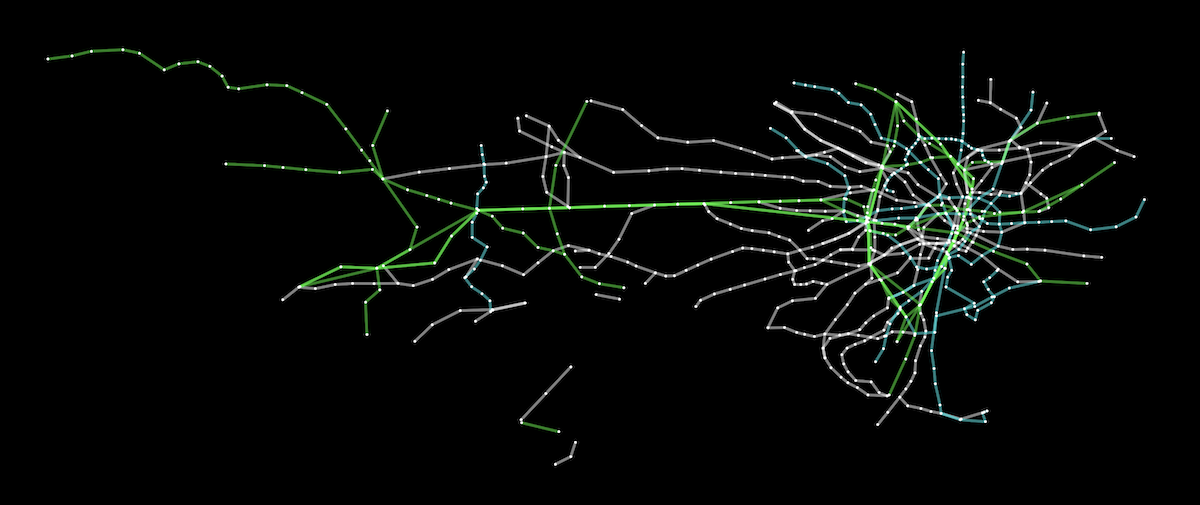
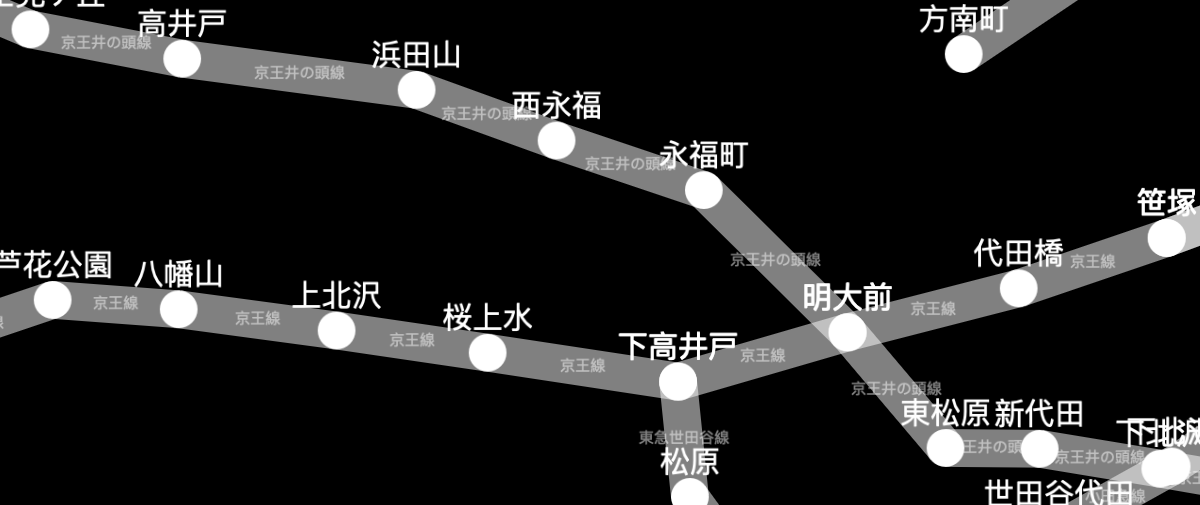
Да, рендерер необязателен, так что можно использовать только модель теории графов для анализа на сервере в приложении на Node.js без какого-либо визуального вывода.О чём демо с токийской железной дорогой?Это живое демо, которое идёт вместе с документацией: оно визуализирует станции токийского метро как интерактивный граф сети с помощью Cytoscape.js. Исходный код доступен.
Это живое демо, которое идёт вместе с документацией: оно визуализирует станции токийского метро как интерактивный граф сети с помощью Cytoscape.js. Исходный код доступен.Связана ли это с настольным приложением Cytoscape, которое используют в биоинформатике?Cytoscape.js имеет академические корни общие с исследовательским проектом Cytoscape (создан в Университете Торонто, опубликован в Oxford Bioinformatics), но это отдельная самостоятельная JavaScript-библиотека для веба и Node.js.
Cytoscape.js имеет академические корни общие с исследовательским проектом Cytoscape (создан в Университете Торонто, опубликован в Oxford Bioinformatics), но это отдельная самостоятельная JavaScript-библиотека для веба и Node.js.Как часто обновляется библиотека?Новые функции выходят ежемесячно, а исправления — еженедельно, поэтому исправления ошибок и вклад в проект попадают в библиотеку быстро.
Новые функции выходят ежемесячно, а исправления — еженедельно, поэтому исправления ошибок и вклад в проект попадают в библиотеку быстро.Which topics is it in?graph-visualization, bioinformatics, network-analysis, renderer, analysis, esm, network, graph, interactive, visualization, data-visualization, javascript-library
graph-visualization, bioinformatics, network-analysis, renderer, analysis, esm, network, graph, interactive, visualization, data-visualization, javascript-library