





604 ·GitHub
Что это?
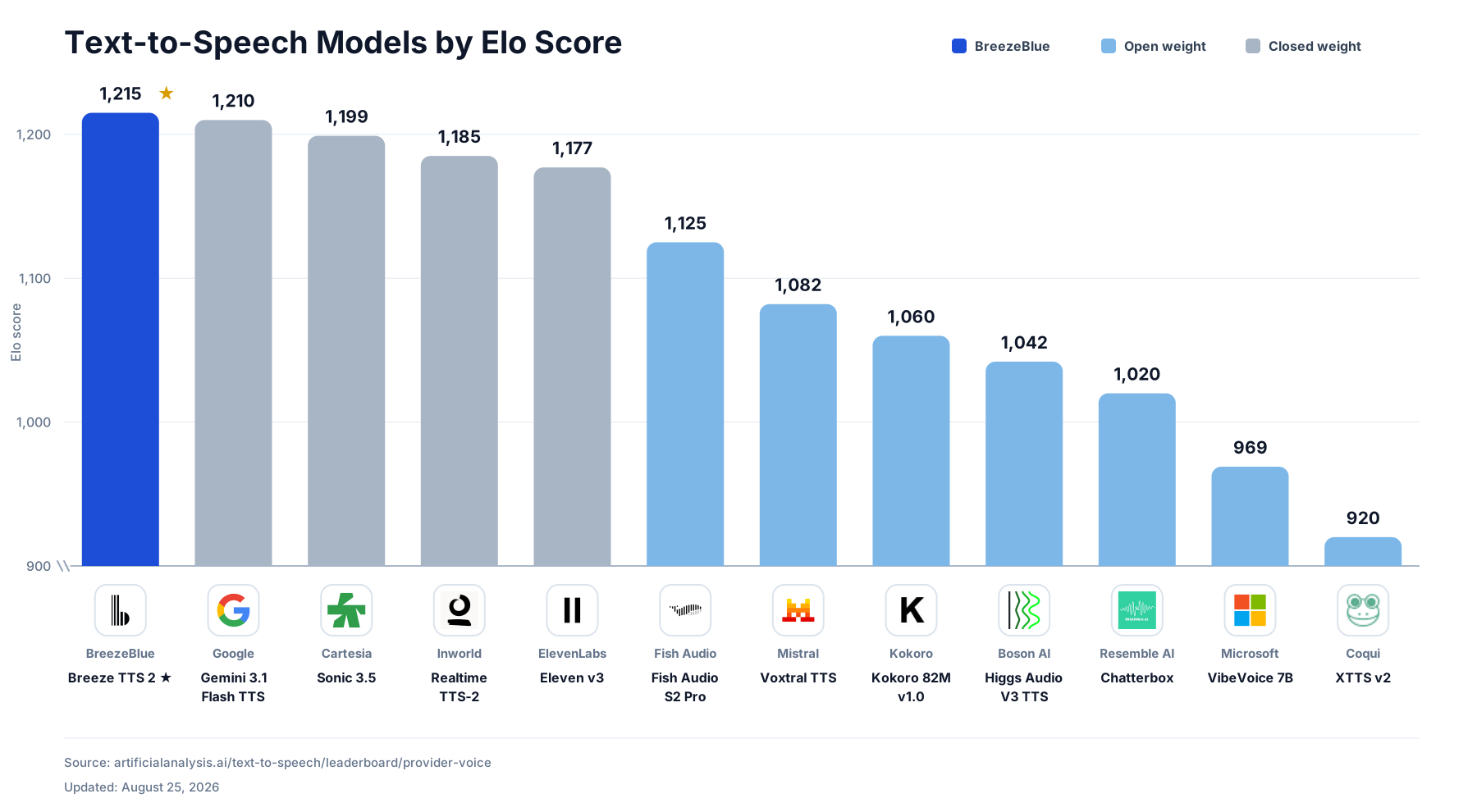
 Breeze TTS 2 — модель синтеза речи с открытыми весами, созданная для взаимодействия в реальном времени, а этот репозиторий — официальный PyTorch-код инференса для неё. Она занимает первое место среди моделей с открытыми весами в TTS-лидерборде Artificial Analysis и обходит некоторые проприетарные системы.
Breeze TTS 2 — модель синтеза речи с открытыми весами, созданная для взаимодействия в реальном времени, а этот репозиторий — официальный PyTorch-код инференса для неё. Она занимает первое место среди моделей с открытыми весами в TTS-лидерборде Artificial Analysis и обходит некоторые проприетарные системы.Это библиотека для импорта или самостоятельный CLI/сервер?И то, и другое: инструмент командной строки для Voice Clone, Voice Design и Voice Direction, плюс стриминговый API-сервер инференса на том же PyTorch-рантайме.
И то, и другое: инструмент командной строки для Voice Clone, Voice Design и Voice Direction, плюс стриминговый API-сервер инференса на том же PyTorch-рантайме.Как его запустить?Скачайте код инференса, установите зависимости, затем загрузите чекпоинт Breeze TTS 2 (он содержит все нужные компоненты модели). Также предоставляется Docker-образ для протестированной CUDA-среды, с отдельными сборками под H100/Hopper или A100.
Скачайте код инференса, установите зависимости, затем загрузите чекпоинт Breeze TTS 2 (он содержит все нужные компоненты модели). Также предоставляется Docker-образ для протестированной CUDA-среды, с отдельными сборками под H100/Hopper или A100.Какое железо и ПО мне нужны?Linux с Python 3.10+ и NVIDIA GPU с поддержкой CUDA. Обычный (eager) инференс требует около 7.7 GiB видеопамяти (минимум GPU на 12 GB), быстрый путь — около 14.4 GiB (рекомендуется GPU на 24 GB).
Linux с Python 3.10+ и NVIDIA GPU с поддержкой CUDA. Обычный (eager) инференс требует около 7.7 GiB видеопамяти (минимум GPU на 12 GB), быстрый путь — около 14.4 GiB (рекомендуется GPU на 24 GB).Могу ли я использовать сгенерированные голоса в коммерческом продукте?Нет, не по умолчанию: код под Apache 2.0, но веса модели и любые результаты на самохостинге подпадают под отдельную исследовательскую некоммерческую лицензию. Коммерческое использование результатов возможно только по платной подписке на хостинг-платформе BreezeBlue.
Нет, не по умолчанию: код под Apache 2.0, но веса модели и любые результаты на самохостинге подпадают под отдельную исследовательскую некоммерческую лицензию. Коммерческое использование результатов возможно только по платной подписке на хостинг-платформе BreezeBlue.Работает ли он также на Windows или macOS?Нет, в README требованием указаны Linux и Python 3.10+, о поддержке Windows/macOS ничего не говорится.
Нет, в README требованием указаны Linux и Python 3.10+, о поддержке Windows/macOS ничего не говорится.Нужна ли конкретная GPU для запуска?Да, нужна NVIDIA GPU с CUDA; режиму eager нужно примерно 7.7 GiB VRAM (карта минимум на 12 GB), а быстрому пути с CUDA-graph — около 14.4 GiB (рекомендуется карта на 24 GB).
Да, нужна NVIDIA GPU с CUDA; режиму eager нужно примерно 7.7 GiB VRAM (карта минимум на 12 GB), а быстрому пути с CUDA-graph — около 14.4 GiB (рекомендуется карта на 24 GB).В чём разница между Voice Clone, Voice Design и Voice Direction?Voice Clone воспроизводит точный тембр и манеру референсного диктора по аудио и его транскрипту. Voice Design создаёт совершенно новый голос только по описанию на естественном языке, референсное аудио не нужно. Voice Direction клонирует референсный голос, но позволяет управлять тоном, эмоцией, темпом и подачей с помощью инструкции.
Voice Clone воспроизводит точный тембр и манеру референсного диктора по аудио и его транскрипту. Voice Design создаёт совершенно новый голос только по описанию на естественном языке, референсное аудио не нужно. Voice Direction клонирует референсный голос, но позволяет управлять тоном, эмоцией, темпом и подачей с помощью инструкции.Насколько быстрая генерация речи?На разогретой NVIDIA H100 с быстрым путём достигается менее 40 мс до первого звука и коэффициент реального времени 0.32, то есть звук генерируется примерно в 3.1 раза быстрее реального времени.
На разогретой NVIDIA H100 с быстрым путём достигается менее 40 мс до первого звука и коэффициент реального времени 0.32, то есть звук генерируется примерно в 3.1 раза быстрее реального времени.Можно ли добавить в речь смех или вздохи?Да, функция Vocal Events позволяет вставлять выразительные пометки прямо в текст: круглые скобки для английского (например '(laugh)', '(cough)') и квадратные для китайского (например '[笑]', '[叹气]').
Да, функция Vocal Events позволяет вставлять выразительные пометки прямо в текст: круглые скобки для английского (например '(laugh)', '(cough)') и квадратные для китайского (например '[笑]', '[叹气]').Какие языки он поддерживает?Breeze TTS 2 двуязычна: одна модель генерирует естественную английскую и китайскую речь.
Breeze TTS 2 двуязычна: одна модель генерирует естественную английскую и китайскую речь.What are similar projects?fish-speech, dia, VoxCPM, MOSS-TTS, Speech, Spark-TTS, OmniVoice, MockingBird
fish-speech, dia, VoxCPM, MOSS-TTS, Speech, Spark-TTS, OmniVoice, MockingBirdWhich topics is it in?voice-ai, bilingual, voice-cloning, speech-synthesis, tts, multilingual, real-time, audio, streaming, inference, nvidia, cuda
voice-ai, bilingual, voice-cloning, speech-synthesis, tts, multilingual, real-time, audio, streaming, inference, nvidia, cuda