

25K ·GitHub
这是干什么的?
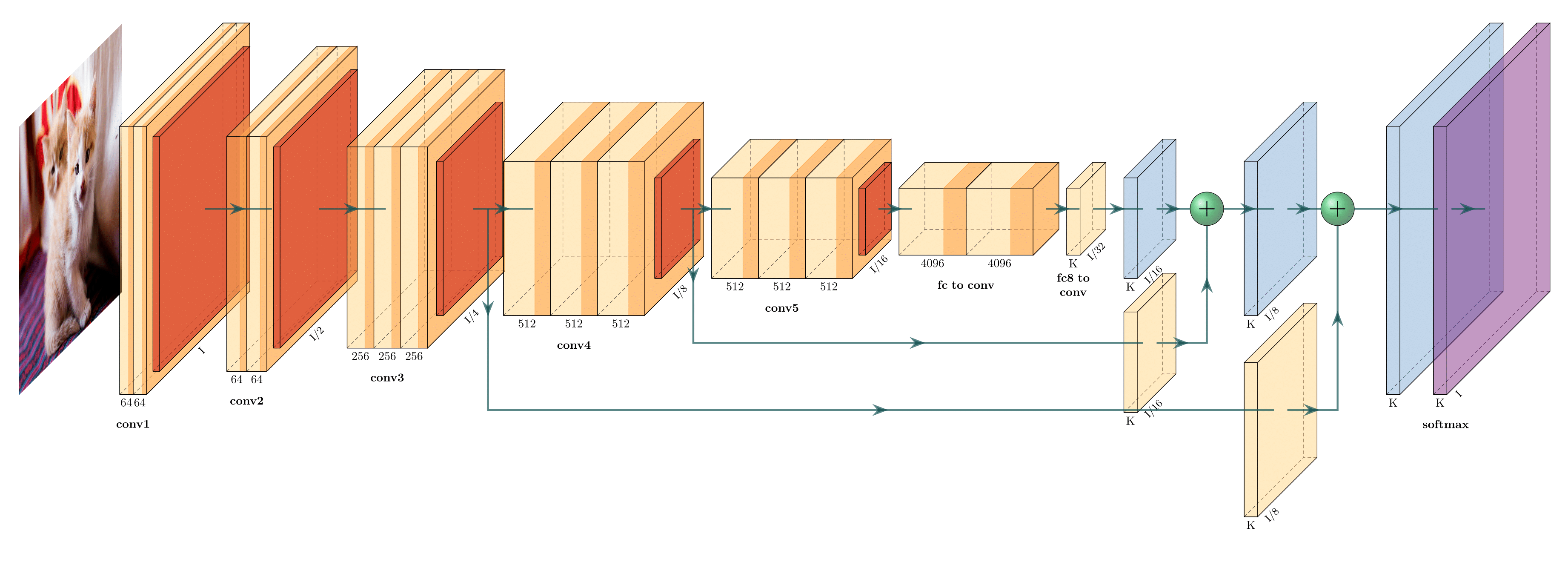
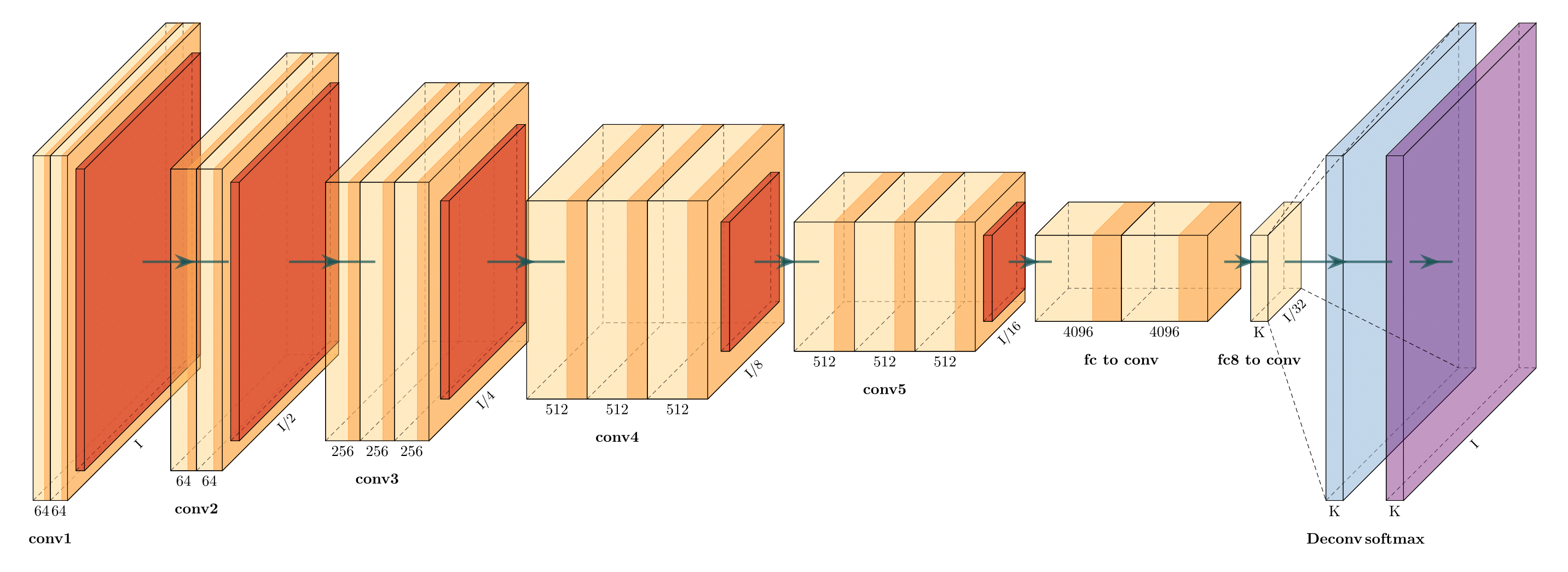
 PlotNeuralNet 是一套用来画神经网络示意图的 LaTeX 代码,适合写报告和做演示,里面还带了 FCN-8、FCN-32 这样现成的例子。
也就是说我不用在编辑器里手动画图——那它具体是怎么工作的?你用代码描述你的网络,TikZ 会把它渲染成矢量图:可以直接写 LaTeX(examples 目录里有示范),也可以用它自带的 Python 接口。
你用代码描述你的网络,TikZ 会把它渲染成矢量图:可以直接写 LaTeX(examples 目录里有示范),也可以用它自带的 Python 接口。怎么把它跑起来?先装好 TeX 工具链:Ubuntu 16.04/18.04 按它列出的软件包安装,Windows 上装 MikTeX,再配一个 bash 运行环境,比如 Git bash 或 Cygwin。然后用 bash ../tikzmake.sh myarch 跑一个例子。
先装好 TeX 工具链:Ubuntu 16.04/18.04 按它列出的软件包安装,Windows 上装 MikTeX,再配一个 bash 运行环境,比如 Git bash 或 Cygwin。然后用 bash ../tikzmake.sh myarch 跑一个例子。我得是 LaTeX 高手才能用吗?不用。除了 examples 目录里演示的直接用 LaTeX 的方式,还有 Python 接口:写一个像 myarch.py 这样的脚本描述你的各个层,然后运行 bash ../tikzmake.sh myarch。
不用。除了 examples 目录里演示的直接用 LaTeX 的方式,还有 Python 接口:写一个像 myarch.py 这样的脚本描述你的各个层,然后运行 bash ../tikzmake.sh myarch。有什么它还画不了的吗?TODO 列表里还有:方便的图例功能、更多层的形状(比如 TruncatedPyramid 和 2DSheet),以及 RNN 这类网络的示例;Python 接口本身已经做完了。
TODO 列表里还有:方便的图例功能、更多层的形状(比如 TruncatedPyramid 和 2DSheet),以及 RNN 这类网络的示例;Python 接口本身已经做完了。在我的 Mac 上能用吗,还是只支持 Linux 和 Windows?README 只给了 Ubuntu 16.04/18.04 的安装步骤,以及 Windows 上通过 MikTeX 加 Git bash 或 Cygwin 的做法;没有提到 macOS。
README 只给了 Ubuntu 16.04/18.04 的安装步骤,以及 Windows 上通过 MikTeX 加 Git bash 或 Cygwin 的做法;没有提到 macOS。现成的例子展示了哪些网络?README 列出了 FCN-8、FCN-32 和 Holistically-Nested Edge Detection 作为示例网络,并让你去 examples 目录查看每个网络具体是怎么搭建的。
README 列出了 FCN-8、FCN-32 和 Holistically-Nested Edge Detection 作为示例网络,并让你去 examples 目录查看每个网络具体是怎么搭建的。作者为什么把这个项目公开出来?为了让大家共享改进:README 希望用户把自己的改进和 bug 修复整合回这个项目,让这些代码帮到更多人。
为了让大家共享改进:README 希望用户把自己的改进和 bug 修复整合回这个项目,让这些代码帮到更多人。What are similar projects?conv_arithmetic, deeplearningbook-chinese, External-Attention-pytorch, openface, awesome-deep-learning-papers, Deep-Learning-Papers-Reading-Roadmap, pix2code, Attention-Residuals
conv_arithmetic, deeplearningbook-chinese, External-Attention-pytorch, openface, awesome-deep-learning-papers, Deep-Learning-Papers-Reading-Roadmap, pix2code, Attention-ResidualsWhich topics is it in?plotting, diagrams-as-code, tex, diagrams, deep-neural-networks, presentation, latex, paper, academic, visualization, neural-network, deep-learning
plotting, diagrams-as-code, tex, diagrams, deep-neural-networks, presentation, latex, paper, academic, visualization, neural-network, deep-learning