




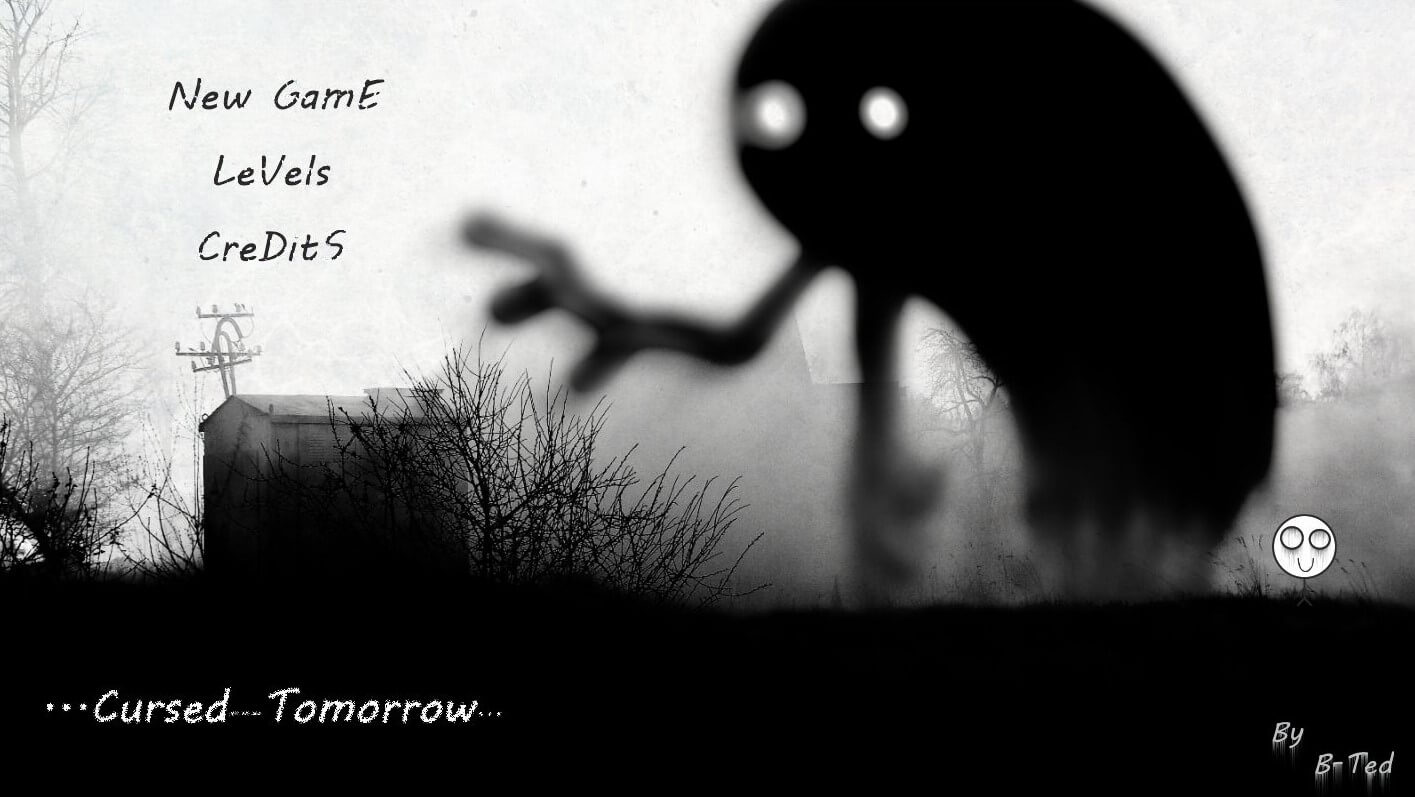
 The gateway into the descent.
1.2K ·GitHub
What is this?
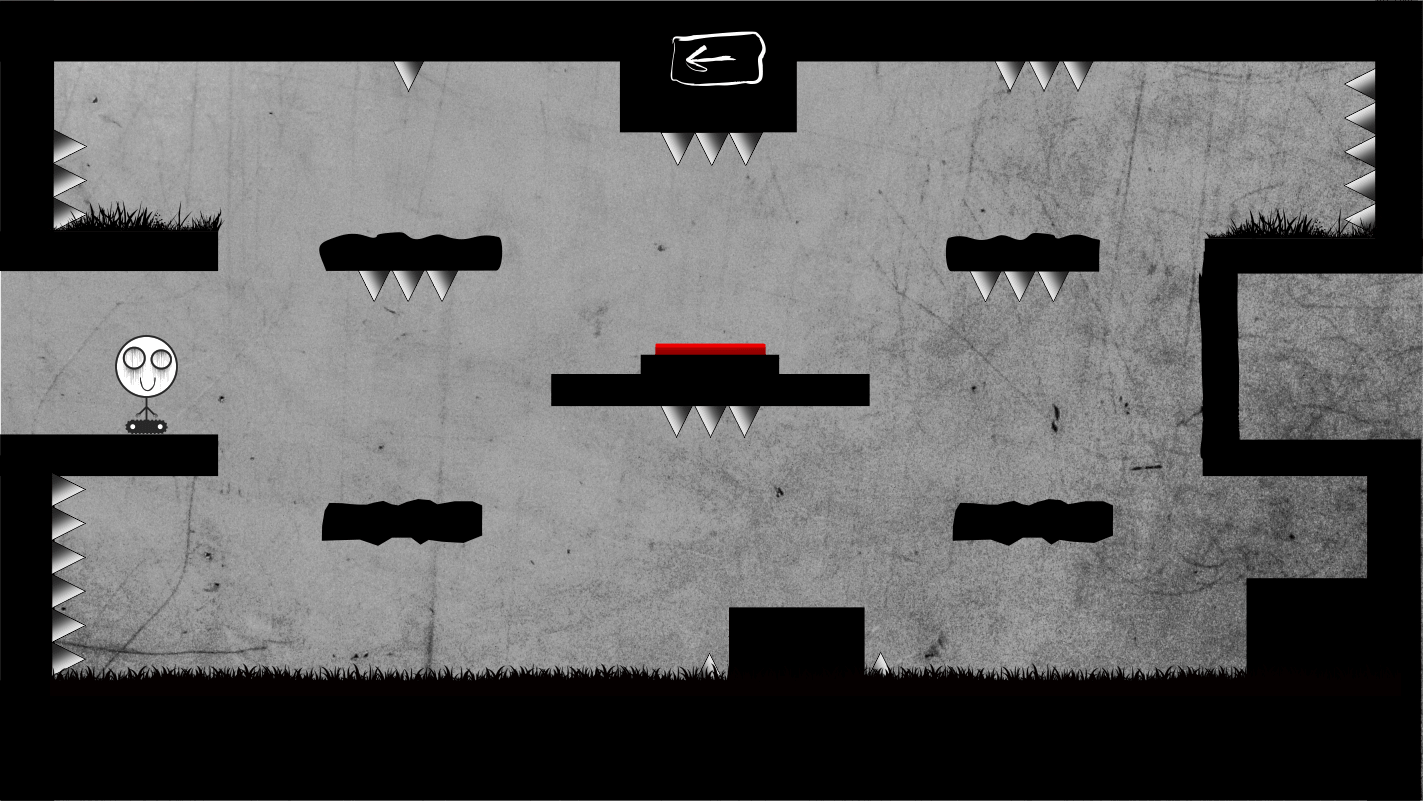
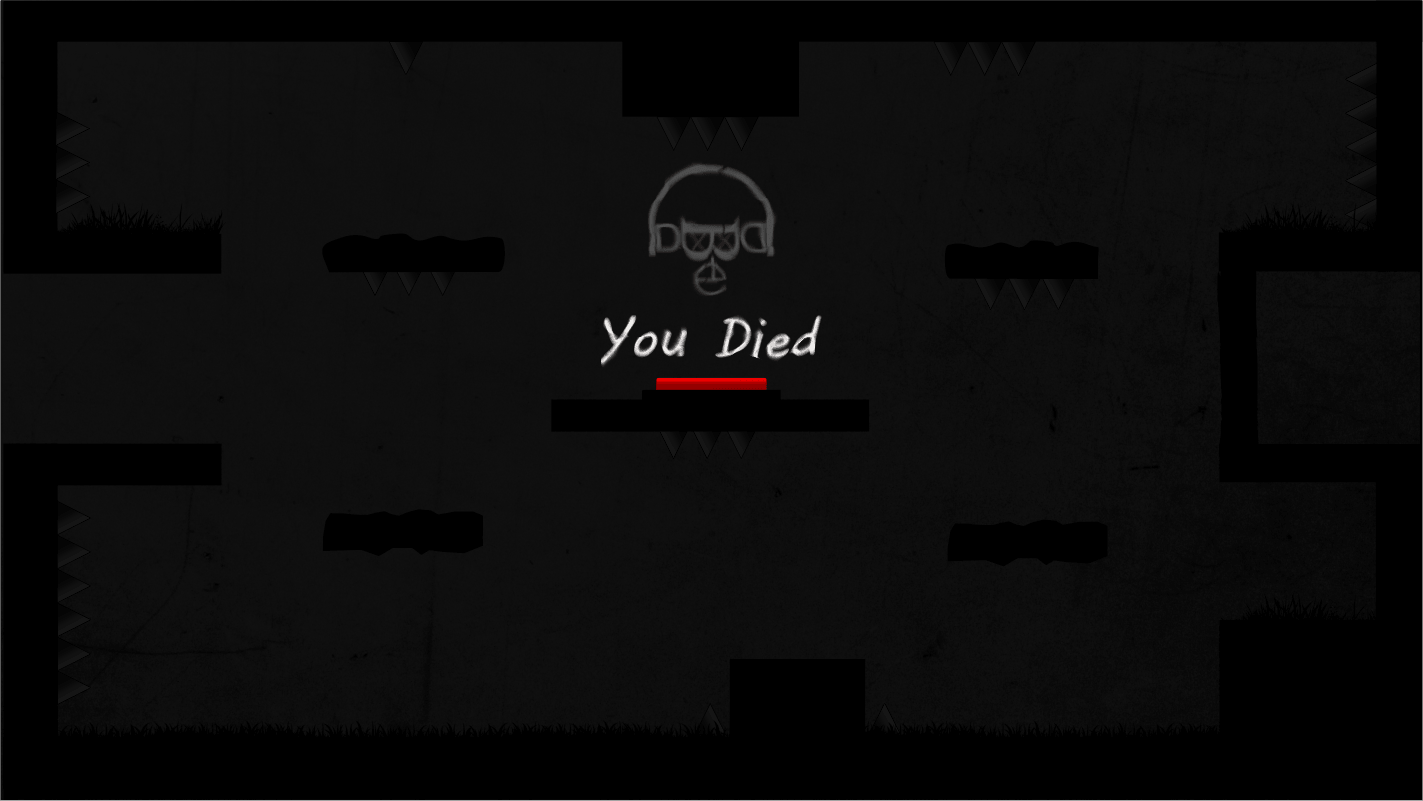
 Cursed Tomorrow is a 2D horror-survival and escape platformer built from scratch in C++, created as a solo technical showcase of a custom modular game engine and atmospheric storytelling.
Is this a game or a reusable engine/library?It is a standalone game with its own custom C++ game core (Core, Entities, Resources, Config modules), not a general-purpose engine meant to be imported into other projects.
It is a standalone game with its own custom C++ game core (Core, Entities, Resources, Config modules), not a general-purpose engine meant to be imported into other projects.How do I build and run it?Install a C++17 compiler and CMake 3.15+, then run the build pipeline; Raylib is fetched automatically during the build process.
Install a C++17 compiler and CMake 3.15+, then run the build pipeline; Raylib is fetched automatically during the build process.Do I need to install Raylib myself first?No, Raylib is the primary rendering dependency but it is fetched automatically as part of the CMake build process, so manual installation isn't required.
No, Raylib is the primary rendering dependency but it is fetched automatically as part of the CMake build process, so manual installation isn't required.Is there a Docker option if I don't want to set up a C++ toolchain locally?The project lists Docker among its topics, suggesting a containerized build/run path exists alongside the native CMake build, though the README doesn't detail the exact Docker commands.
The project lists Docker among its topics, suggesting a containerized build/run path exists alongside the native CMake build, though the README doesn't detail the exact Docker commands.Who is this aimed at besides players?It targets both players wanting an atmospheric horror platformer and developers/students interested in studying a documented, modular C++ game architecture.
It targets both players wanting an atmospheric horror platformer and developers/students interested in studying a documented, modular C++ game architecture.What architecture does the game use internally?The game is organized into decoupled modules under a CursedTomorrow namespace: Core (window/state machine/main loop orchestration), Entities (actors and physics, independent), Resources (centralized asset caching, zero coupling), and Config (static global constants).
The game is organized into decoupled modules under a CursedTomorrow namespace: Core (window/state machine/main loop orchestration), Entities (actors and physics, independent), Resources (centralized asset caching, zero coupling), and Config (static global constants).Are there extra learning materials beyond the code?Yes, the project includes an SRS (Software Requirements Specification) document covering data structures/DSA concepts and a DSA presentation walking through the implemented concepts.
Yes, the project includes an SRS (Software Requirements Specification) document covering data structures/DSA concepts and a DSA presentation walking through the implemented concepts.What are similar projects?OpenRCT2, openage, luanti, bgfx, TheSimpsonsGameRecomp, cocos2d-x, WoWee, GDevelop
OpenRCT2, openage, luanti, bgfx, TheSimpsonsGameRecomp, cocos2d-x, WoWee, GDevelopWhich topics is it in?2d-game, oop, software-engineering, game-engine, cmake, game-development, game, gaming, cpp, c++, developers, education
2d-game, oop, software-engineering, game-engine, cmake, game-development, game, gaming, cpp, c++, developers, education