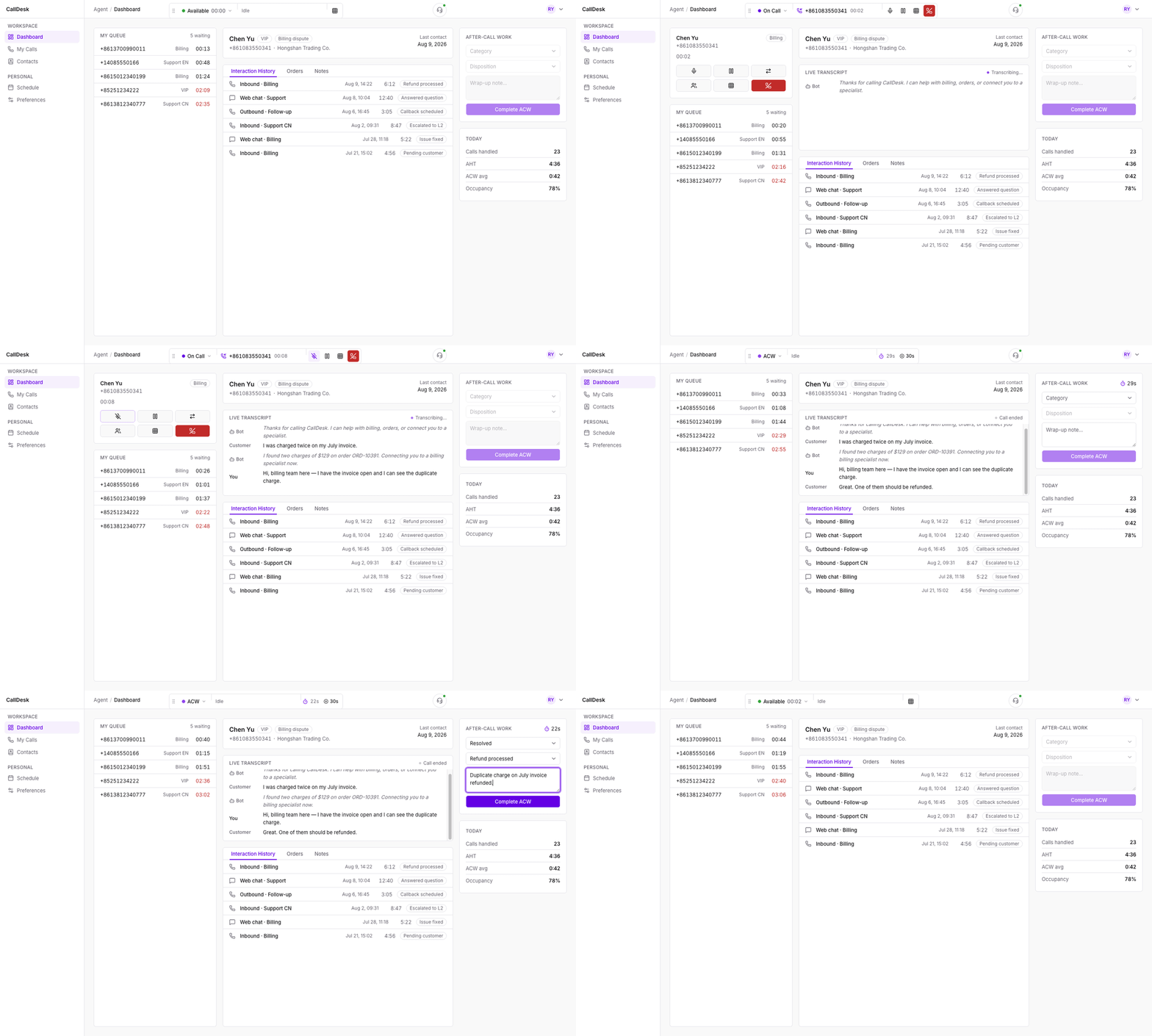
Что это такое?
 Опенсорсный самоместный ИИ-колл-центр: звонки приходят на FreeSWITCH и по умолчанию отвечаются речевой моделью speech-to-speech, а сценарий решает, когда передать звонящего живому оператору в очередь. Поставляется одним Go-бинарником с REST+SSE API и OpenAPI-спецификацией, а под ними PostgreSQL и FreeSWITCH.
Опенсорсный самоместный ИИ-колл-центр: звонки приходят на FreeSWITCH и по умолчанию отвечаются речевой моделью speech-to-speech, а сценарий решает, когда передать звонящего живому оператору в очередь. Поставляется одним Go-бинарником с REST+SSE API и OpenAPI-спецификацией, а под ними PostgreSQL и FreeSWITCH.Это библиотека для встраивания или отдельный сервер для развёртывания?Это отдельный самоместный сервис: один Go-бинарник, включающий REST API, поток событий SSE и весь веб-интерфейс, работающий рядом с PostgreSQL и FreeSWITCH.
Это отдельный самоместный сервис: один Go-бинарник, включающий REST API, поток событий SSE и весь веб-интерфейс, работающий рядом с PostgreSQL и FreeSWITCH.Как это запустить?Есть однострочный установщик для Linux и macOS, описанный в deploy/one-line-installer.md.
Есть однострочный установщик для Linux и macOS, описанный в deploy/one-line-installer.md.Что нужно, кроме самого установщика?FreeSWITCH и PostgreSQL — часть стека, плюс один провайдер голоса, выбираемый при старте развёртывания: Qwen или Doubao (для материкового Китая), OpenAI Realtime или Gemini в остальных случаях, либо ваш собственный шлюз, совместимый с Realtime.
FreeSWITCH и PostgreSQL — часть стека, плюс один провайдер голоса, выбираемый при старте развёртывания: Qwen или Doubao (для материкового Китая), OpenAI Realtime или Gemini в остальных случаях, либо ваш собственный шлюз, совместимый с Realtime.Проходил ли он реальное нагрузочное тестирование под производственные объёмы звонков?Человеческий путь, ИИ-путь и упаковка проверены на живом FreeSWITCH и живых провайдерах, но кампании бенчмарков ещё не было, так что заявленный бюджет ёмкости/задержек — это намерение, а не измеренная гарантия.
Человеческий путь, ИИ-путь и упаковка проверены на живом FreeSWITCH и живых провайдерах, но кампании бенчмарков ещё не было, так что заявленный бюджет ёмкости/задержек — это намерение, а не измеренная гарантия.Работает ли установщик и на Windows?Предоставлены только однострочные установщики для Linux и macOS; пути установки для Windows не упоминается.
Предоставлены только однострочные установщики для Linux и macOS; пути установки для Windows не упоминается.Как операторы на деле работают со звуком звонка?Операторы работают в браузере — присутствие, управление звонками и обратные вызовы, — но сам звук несёт сопутствующее расширение Chrome web-sip-phone, которое держит SIP-регистрацию оператора и управляется через REST-вызовы.
Операторы работают в браузере — присутствие, управление звонками и обратные вызовы, — но сам звук несёт сопутствующее расширение Chrome web-sip-phone, которое держит SIP-регистрацию оператора и управляется через REST-вызовы.На каких языках говорит бот?Английский и китайский — и в интерфейсе, и у бота, причём ИИ-провайдер для конкретного развёртывания выбирается независимо от языка звонящего.
Английский и китайский — и в интерфейсе, и у бота, причём ИИ-провайдер для конкретного развёртывания выбирается независимо от языка звонящего.Можно ли приладить классический конвейер ASR+LLM+TTS?Нет, это сознательно исключено из основного процесса; любая каскадная композиция ASR/LLM/TTS должна жить в отдельном сервисе, говорящем на том же протоколе.
Нет, это сознательно исключено из основного процесса; любая каскадная композиция ASR/LLM/TTS должна жить в отдельном сервисе, говорящем на том же протоколе.Если бот начал звонок, а человек завершил, я получу одну запись или несколько?Только одну: звонок, отвеченный ботом, переведённый в очередь и завершённый оператором, даёт единственный CDR с одной расшифровкой и одной записью, а не фрагментированные куски.
Только одну: звонок, отвеченный ботом, переведённый в очередь и завершённый оператором, даёт единственный CDR с одной расшифровкой и одной записью, а не фрагментированные куски.What are similar projects?telnyx-code-examples, livekit, gin-vue-admin, electric, agents, webrtc, jargo, bisibility
telnyx-code-examples, livekit, gin-vue-admin, electric, agents, webrtc, jargo, bisibility