
22.2K ·GitHub
Что это такое?
 OSSU Data Science — это бесплатная программа для самостоятельного обучения, которая повторяет по содержанию степень бакалавра по data science. Она собрана из MOOC-курсов, которые предлагают ведущие университеты, и охватывает всё — от введения в программирование до машинного обучения и итогового проекта.
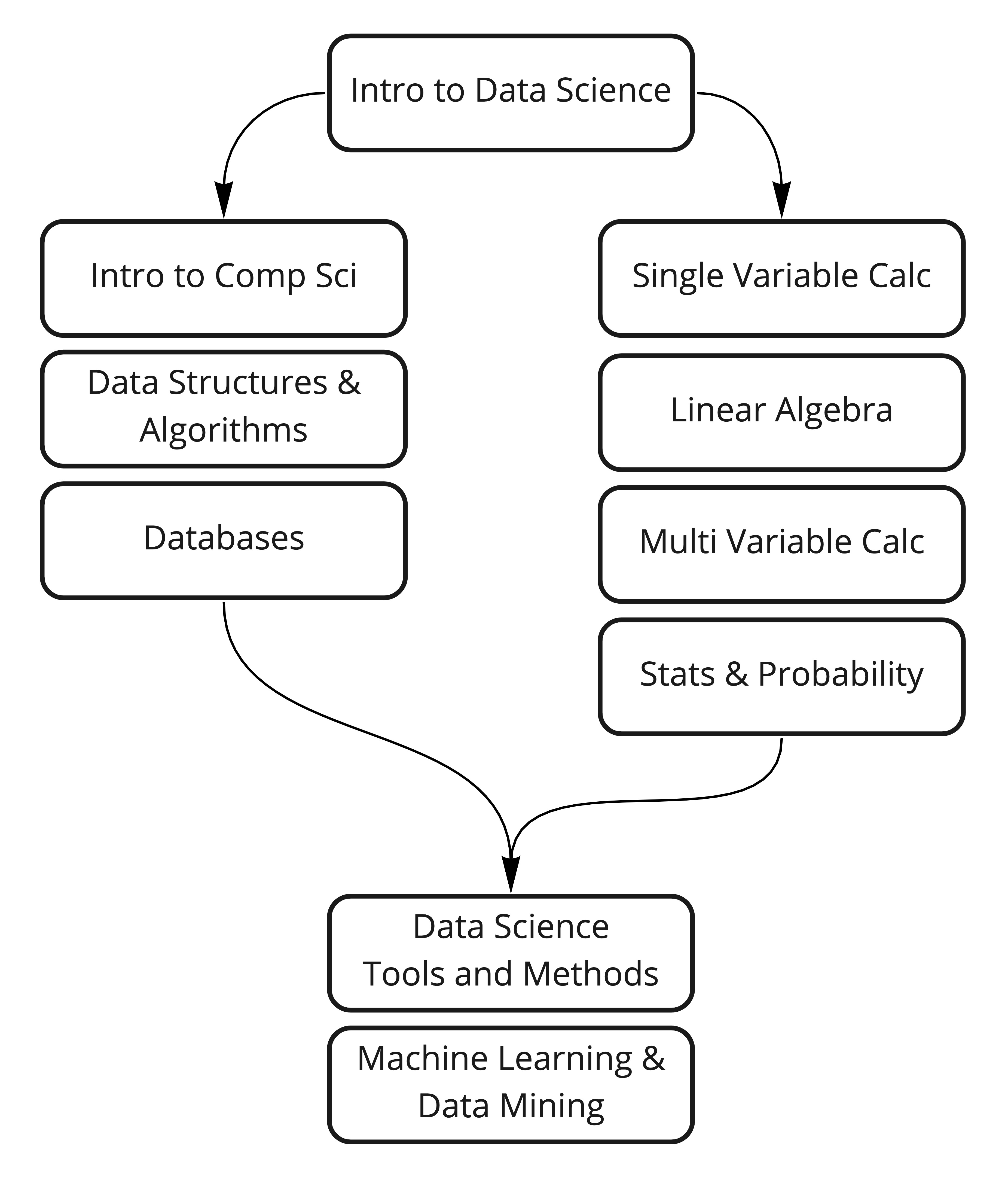
OSSU Data Science — это бесплатная программа для самостоятельного обучения, которая повторяет по содержанию степень бакалавра по data science. Она собрана из MOOC-курсов, которые предлагают ведущие университеты, и охватывает всё — от введения в программирование до машинного обучения и итогового проекта.Это один курс или список курсов?Это подобранная последовательность MOOC-курсов, сгруппированных по темам (введение в информатику, структуры данных, базы данных, математический анализ, линейная алгебра, статистика, машинное обучение и итоговый проект). Их проходят примерно по порядку, а некоторые темы можно изучать параллельно.
Это подобранная последовательность MOOC-курсов, сгруппированных по темам (введение в информатику, структуры данных, базы данных, математический анализ, линейная алгебра, статистика, машинное обучение и итоговый проект). Их проходят примерно по порядку, а некоторые темы можно изучать параллельно.Как мне действительно следовать этому руководству?Сделайте форк репозитория на GitHub и отмечайте галочкой темы по мере их завершения, чтобы отслеживать прогресс. Также есть необязательная таблица, в которую вы вносите дату начала и количество часов занятий в неделю, чтобы примерно рассчитать дату окончания.
Сделайте форк репозитория на GitHub и отмечайте галочкой темы по мере их завершения, чтобы отслеживать прогресс. Также есть необязательная таблица, в которую вы вносите дату начала и количество часов занятий в неделю, чтобы примерно рассчитать дату окончания.Нужны ли мне предварительные знания программирования или математики, чтобы начать?Ожидается, что у вас есть знания математики и статистики на уровне средней школы. Если вы уже умеете программировать на базовом уровне, можно пропустить вводный курс по информатике и сразу перейти к структурам данных и алгоритмам.
Ожидается, что у вас есть знания математики и статистики на уровне средней школы. Если вы уже умеете программировать на базовом уровне, можно пропустить вводный курс по информатике и сразу перейти к структурам данных и алгоритмам.Я получу настоящий диплом по окончании?Нет, программа не аккредитована, но по содержанию прохождение всей программы описано как эквивалент степени бакалавра по Data Science.
Нет, программа не аккредитована, но по содержанию прохождение всей программы описано как эквивалент степени бакалавра по Data Science.Сколько времени на самом деле занимает полное прохождение?Программа рассчитана примерно на 2 года, если вы сможете уделять учёбе около 20 часов в неделю.
Программа рассчитана примерно на 2 года, если вы сможете уделять учёбе около 20 часов в неделю.Есть ли сообщество для студентов OSSU Data Science?Да, есть сервер Discord, где студенты представляются и обсуждают свой прогресс, а также GitHub Issues, где можно задавать вопросы.
Да, есть сервер Discord, где студенты представляются и обсуждают свой прогресс, а также GitHub Issues, где можно задавать вопросы.Что делать после прохождения всей программы?В руководстве предлагается искать работу в сфере data science, читать классические книги по теме, посещать местные встречи (митапы) специалистов по data science и следить за новыми технологиями в этой области.
В руководстве предлагается искать работу в сфере data science, читать классические книги по теме, посещать местные встречи (митапы) специалистов по data science и следить за новыми технологиями в этой области.Программа обновляется?Единственный поддерживаемый источник — репозиторий на GitHub. Проект предупреждает, что существуют устаревшие сторонние доски Trello и шаблоны Notion, и их не стоит использовать.
Единственный поддерживаемый источник — репозиторий на GitHub. Проект предупреждает, что существуют устаревшие сторонние доски Trello и шаблоны Notion, и их не стоит использовать.Есть ли инструмент, чтобы оценить дату окончания?Да, общая таблица позволяет указать дату начала и количество часов занятий в неделю, а затем отмечать фактически пройденные курсы, чтобы получить обновлённую оценку даты окончания.
Да, общая таблица позволяет указать дату начала и количество часов занятий в неделю, а затем отмечать фактически пройденные курсы, чтобы получить обновлённую оценку даты окончания.What are similar projects?open-source-cs, awesome-datascience, AI-Expert-Roadmap, game-programmer, mlcourse.ai, machine-learning-for-software-engineers, go, stanford-cs-229-machine-learning
open-source-cs, awesome-datascience, AI-Expert-Roadmap, game-programmer, mlcourse.ai, machine-learning-for-software-engineers, go, stanford-cs-229-machine-learningWhich topics is it in?study-plan, online-learning, university, roadmap, mathematics, statistics, data-analysis, curriculum, course, career, computer-science, data-science
study-plan, online-learning, university, roadmap, mathematics, statistics, data-analysis, curriculum, course, career, computer-science, data-science