

191 ·GitHub
What is this?
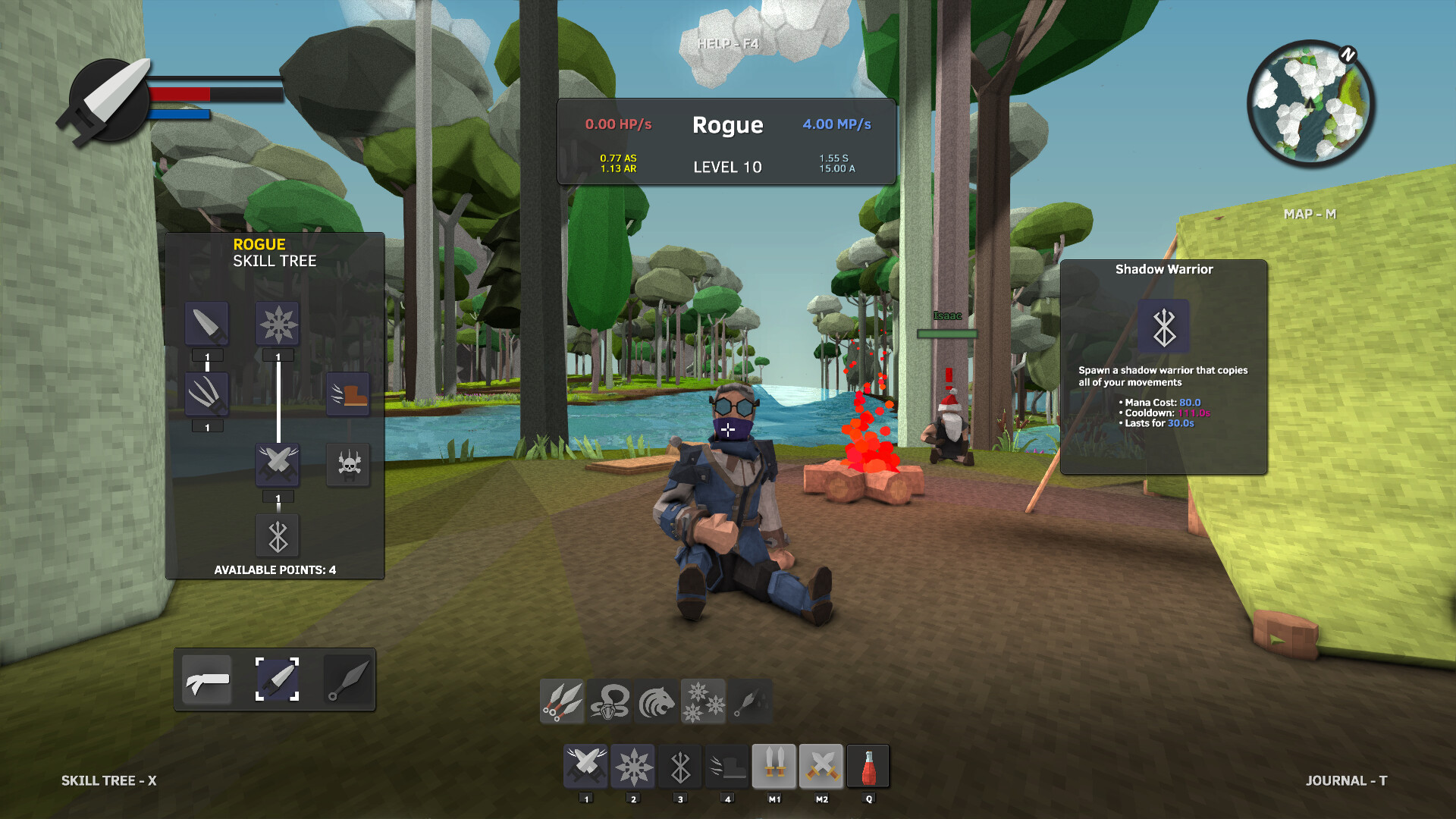
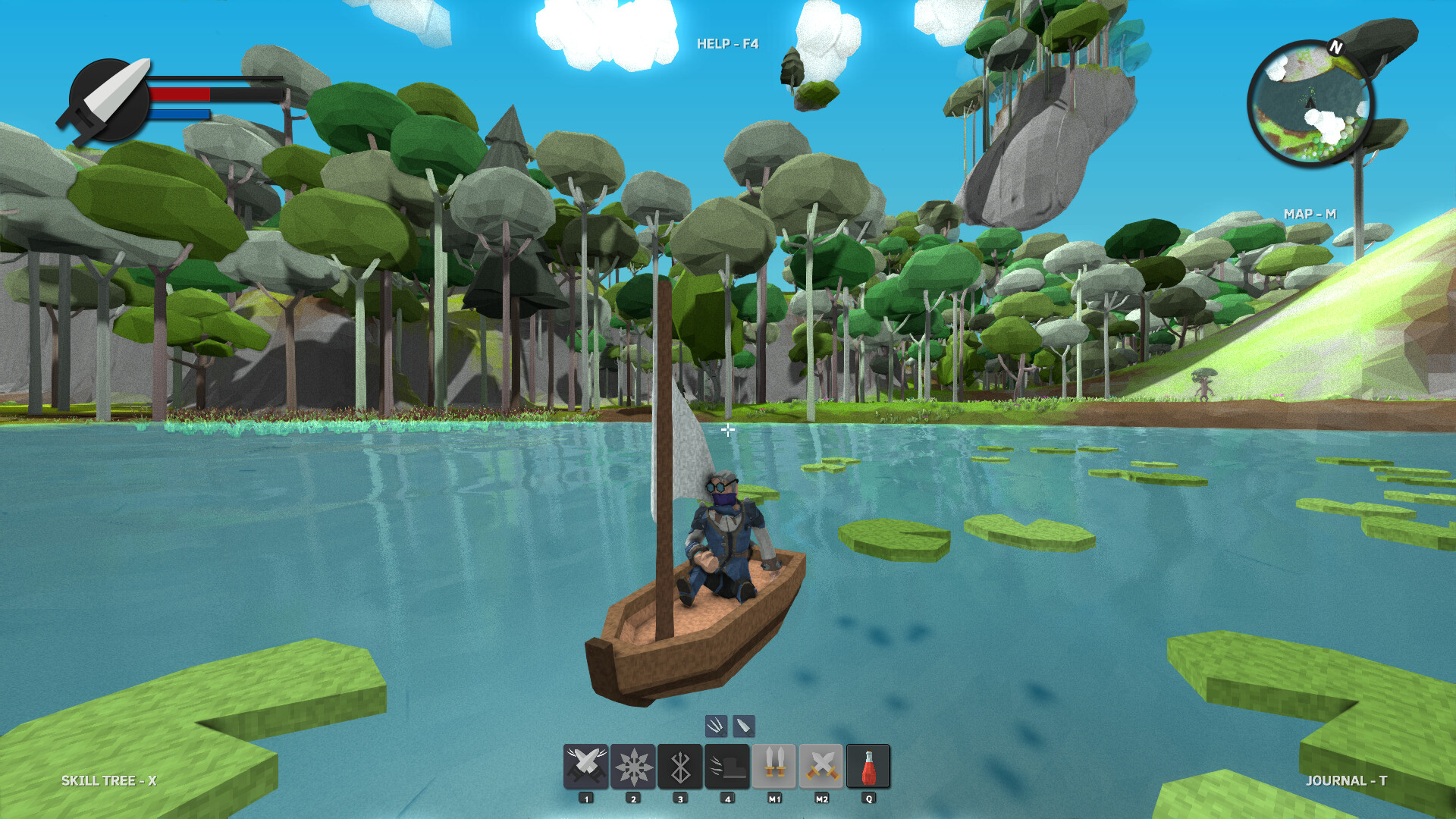
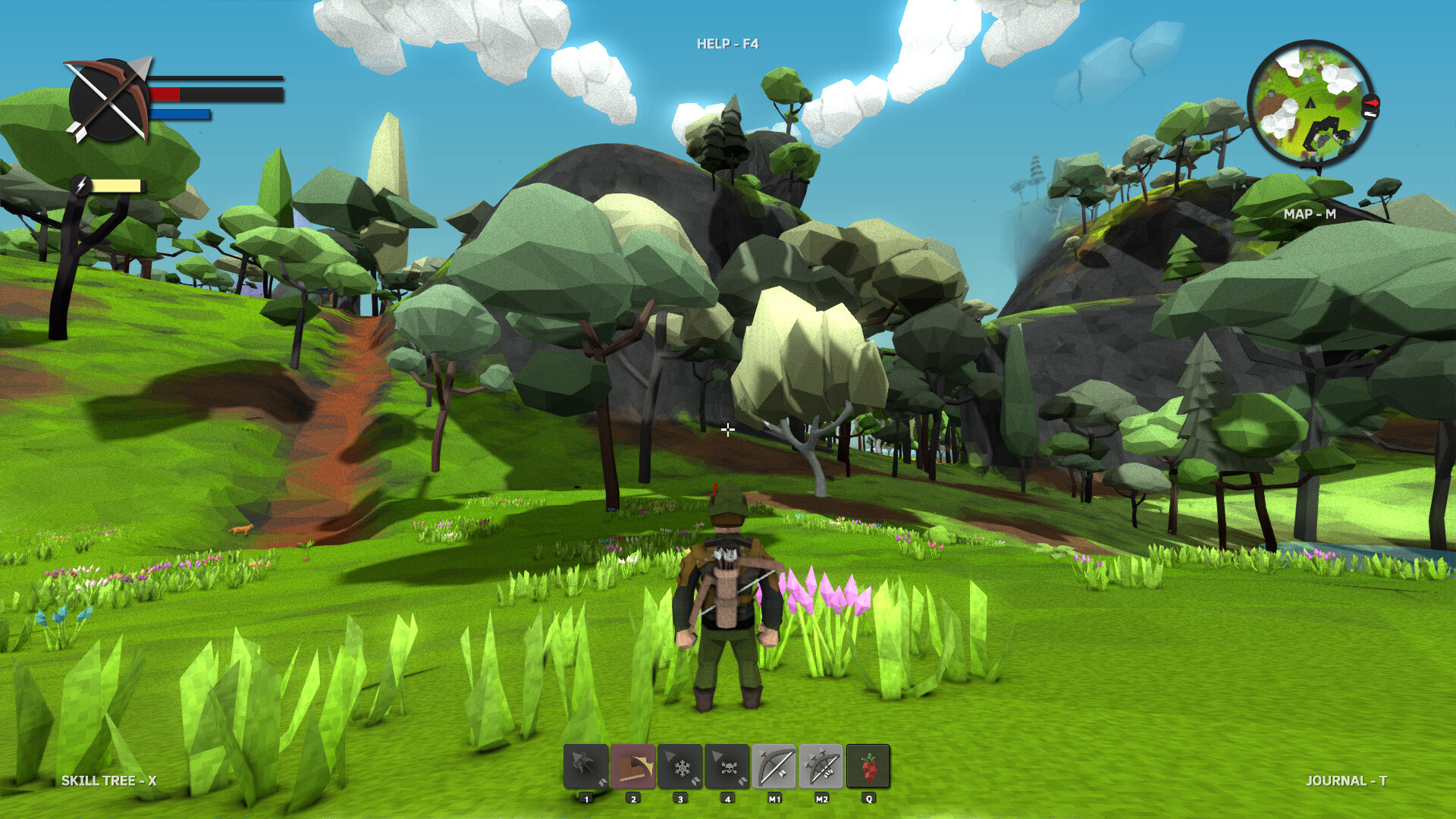
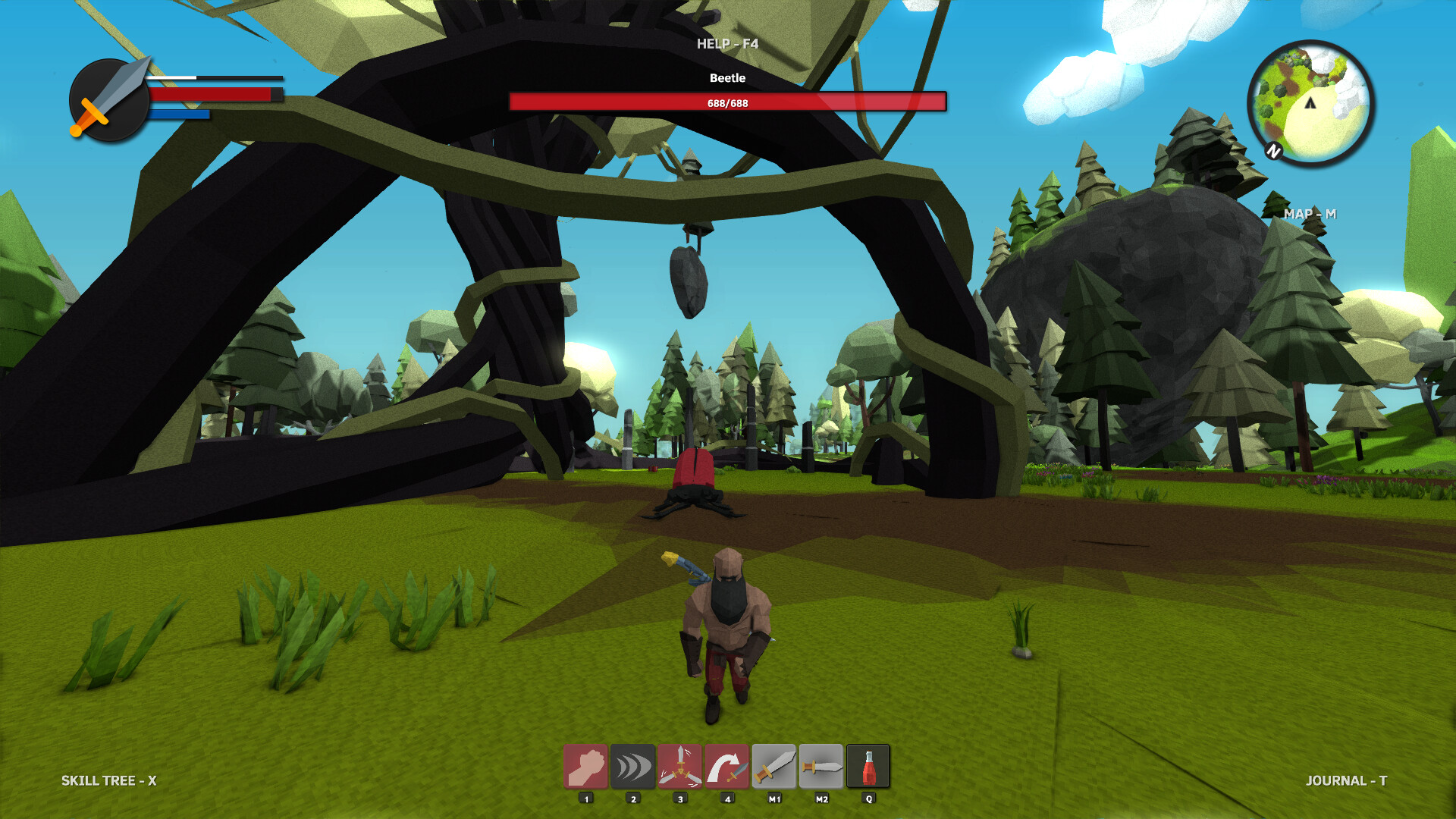
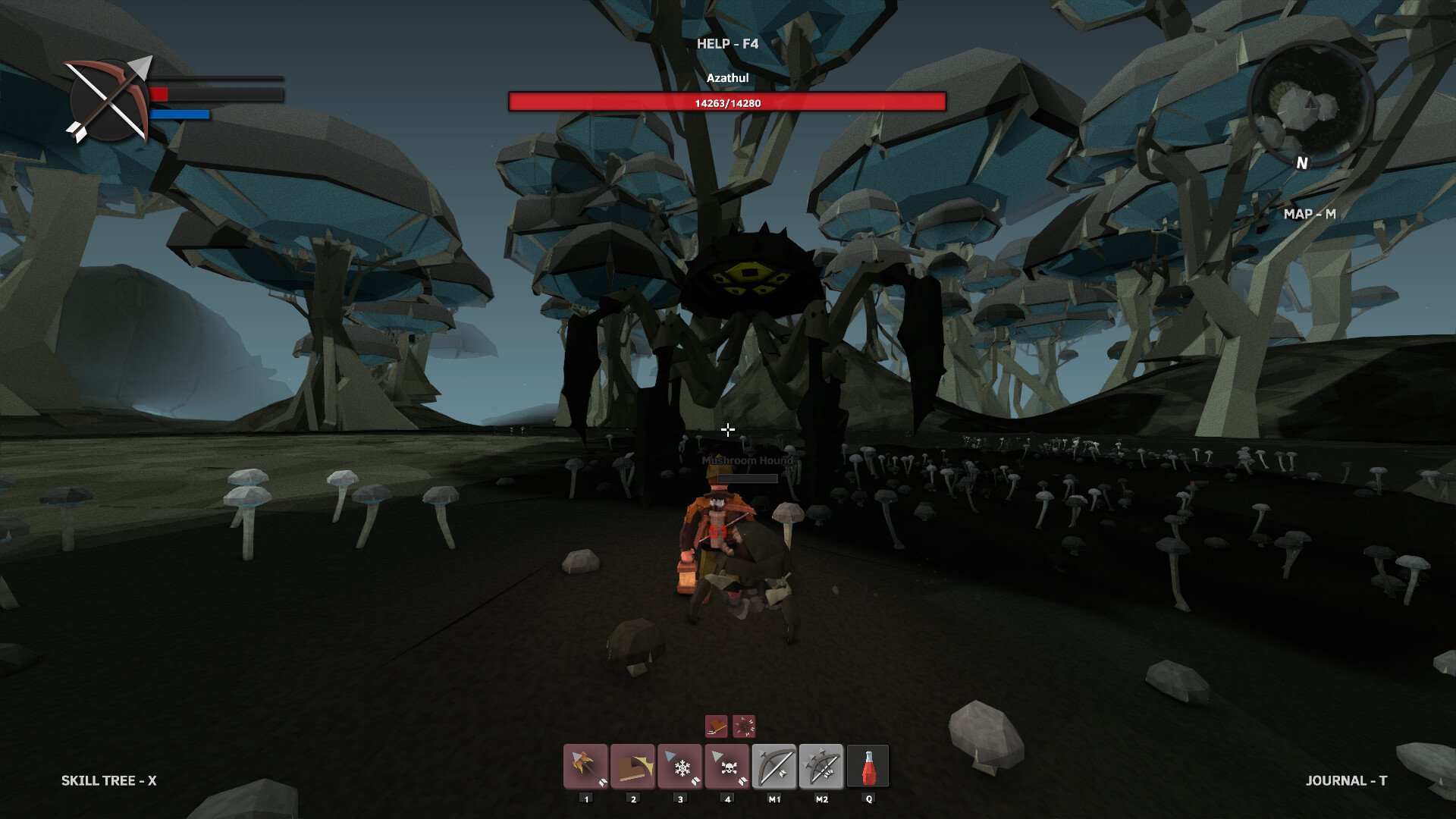
 Project Hedra is a 3D open-world, low-poly action RPG (and the custom game engine behind it) that the author wrote from scratch starting in high school, with procedurally generated worlds, quests, classes, skills and a full voxel renderer. The whole codebase is around 100k lines of C#.
Is this just a playable game or also a reusable game engine?It is architected as a game that is literally a mod on top of a separate base engine ('Hedra.Engine'), so engine code (rendering, sound, windowing) is split from game-specific code (AI, world generation, items), but the engine was purpose-built for this game rather than published as a standalone SDK.
It is architected as a game that is literally a mod on top of a separate base engine ('Hedra.Engine'), so engine code (rendering, sound, windowing) is split from game-specific code (AI, world generation, items), but the engine was purpose-built for this game rather than published as a standalone SDK.How do I build and run it?There is no installer or binary release; you build from source by checking out all git submodules, running the build dependency scripts, and then compiling the C# solution. The GitHub Actions workflows show working build steps for both Linux and Windows.
There is no installer or binary release; you build from source by checking out all git submodules, running the build dependency scripts, and then compiling the C# solution. The GitHub Actions workflows show working build steps for both Linux and Windows.What do I need installed to compile it?You need the .NET/C# toolchain to compile the solution, plus the project's git submodules (which include its Bullet Physics integration) and whatever third-party libraries the build dependency scripts pull in.
You need the .NET/C# toolchain to compile the solution, plus the project's git submodules (which include its Bullet Physics integration) and whatever third-party libraries the build dependency scripts pull in.Any catches before I try this?There's no ready-made release, so you must build it yourself through submodules and scripts. Multiplayer support (UDP hole-punching P2P) existed at one point but appears to have been dropped, with only networking remnants left in the engine, and the screenshots section is marked as a TODO.
There's no ready-made release, so you must build it yourself through submodules and scripts. Multiplayer support (UDP hole-punching P2P) existed at one point but appears to have been dropped, with only networking remnants left in the engine, and the screenshots section is marked as a TODO.Does it run on Windows and Linux?Yes, the game has first-class support for both Linux and Windows; macOS is not mentioned.
Yes, the game has first-class support for both Linux and Windows; macOS is not mentioned.Why is the project called 'Hedra'?The name comes from 'tetrahedra', the shape used in the original isosurface extraction algorithm the author implemented (Marching Tetrahedra) before switching to Marching Cubes.
The name comes from 'tetrahedra', the shape used in the original isosurface extraction algorithm the author implemented (Marching Tetrahedra) before switching to Marching Cubes.If there's no world save file, how does the game remember the world?The world is fully procedurally generated at runtime from a seed; only the player's data and that seed are saved, not the terrain itself, so the whole map is rebuilt deterministically each time.
The world is fully procedurally generated at runtime from a seed; only the player's data and that seed are saved, not the terrain itself, so the whole map is rebuilt deterministically each time.What's the coolest technical detail in the code?WorldRenderer.cs renders the entire voxel world in roughly 3 draw calls (water, terrain, instanced objects) using glMultiDrawElements, and voxel chunks are converted into smooth surfaces at runtime with the Marching Cubes algorithm.
WorldRenderer.cs renders the entire voxel world in roughly 3 draw calls (water, terrain, instanced objects) using glMultiDrawElements, and voxel chunks are converted into smooth surfaces at runtime with the Marching Cubes algorithm.Can I write mods for the game?Yes, the engine has a module system and modding support, and mods can be scripted in Python via IronPython that calls directly into the C# API, as seen in the bundled Fishing.py script.
Yes, the engine has a module system and modding support, and mods can be scripted in Python via IronPython that calls directly into the C# API, as seen in the bundled Fishing.py script.What are similar projects?Craft, 2010-rust-rewrite-mashup, sbox-public, raylib, Terrain3D, flutter_scene, BRUTAL, bgfx
Craft, 2010-rust-rewrite-mashup, sbox-public, raylib, Terrain3D, flutter_scene, BRUTAL, bgfxWhich topics is it in?entity-component-system, voxel, physics-engine, glsl, dotnet-core, steam, procedural-generation, shaders, opengl, modding, localization, game-engine
entity-component-system, voxel, physics-engine, glsl, dotnet-core, steam, procedural-generation, shaders, opengl, modding, localization, game-engine