


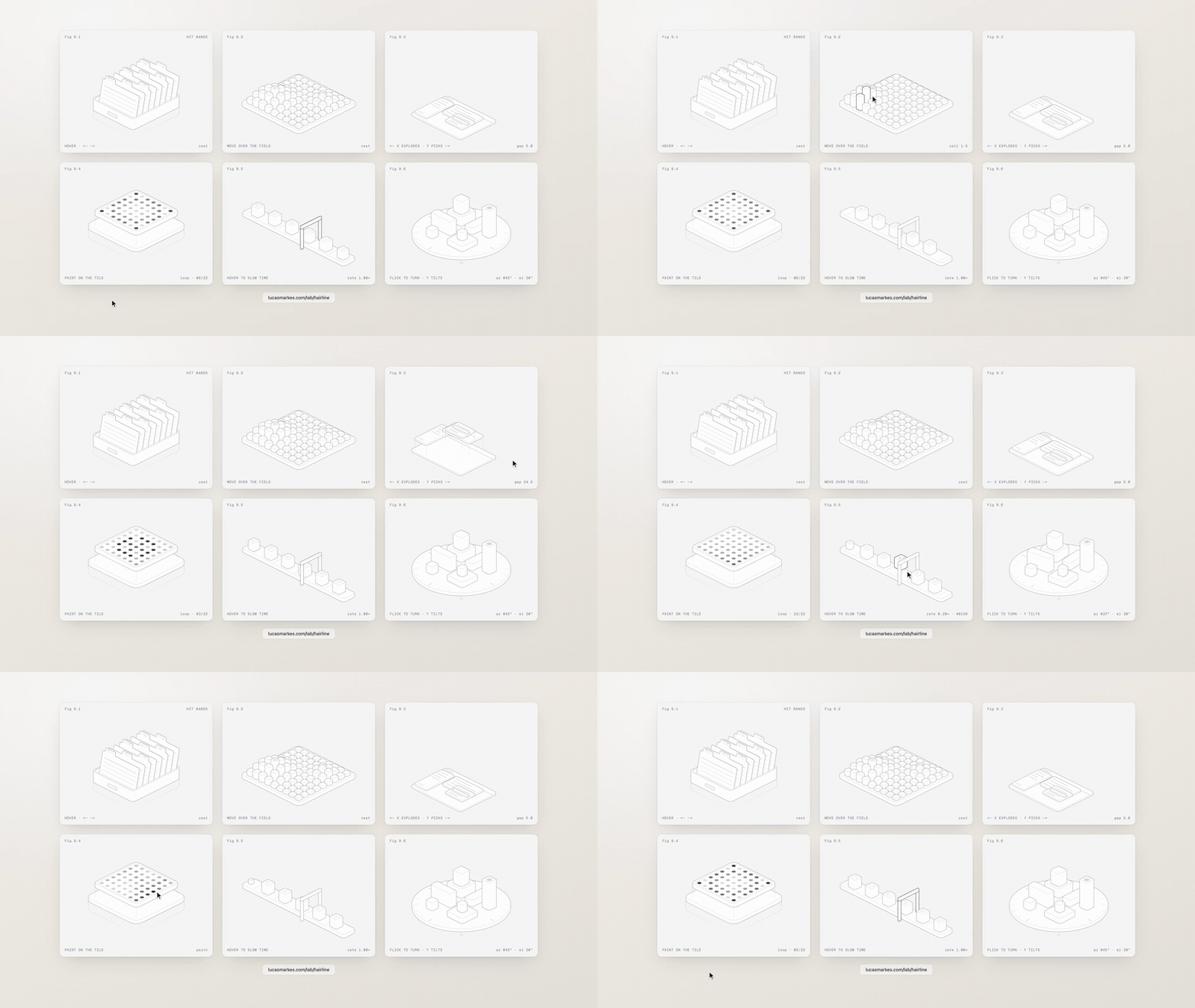
Что это?
 Hairline — коллекция из девятнадцати маленьких изометрических линейных фигур — вроде клавиатуры, сейфа, ноутбука или роутера, — которые оживают, когда ведёшь по ним указателем. Поставляется как крошечная библиотека: годится для React или для любого обычного DOM-проекта.
Hairline — коллекция из девятнадцати маленьких изометрических линейных фигур — вроде клавиатуры, сейфа, ноутбука или роутера, — которые оживают, когда ведёшь по ним указателем. Поставляется как крошечная библиотека: годится для React или для любого обычного DOM-проекта.Это библиотека только для React или работает и с чистым JavaScript?В ядре она не зависит от фреймворков: каждая фигура — обычная функция, рисующая в любой DOM-элемент и дающая update/destroy, а React — лишь опциональный peer, нужный для отдельной точки входа @lucasmarkes/hairline/react с готовыми компонентами.
В ядре она не зависит от фреймворков: каждая фигура — обычная функция, рисующая в любой DOM-элемент и дающая update/destroy, а React — лишь опциональный peer, нужный для отдельной точки входа @lucasmarkes/hairline/react с готовыми компонентами.Как добавить его в проект?Установите пакет (ноль зависимостей, только ESM), затем либо отрендерьте React-компонент вроде Riffle, либо вызовите функцию фигуры на DOM-элементе и используйте её методы update/destroy; команда shadcn может также добавить пакет вместе с тематизированной обёрткой, читающей ваши дизайн-токены.
Установите пакет (ноль зависимостей, только ESM), затем либо отрендерьте React-компонент вроде Riffle, либо вызовите функцию фигуры на DOM-элементе и используйте её методы update/destroy; команда shadcn может также добавить пакет вместе с тематизированной обёрткой, читающей ваши дизайн-токены.Работает ли он с серверным рендерингом?Да: на сервере компонент рендерится просто пустым блоком, резервирующим пропорции 5:4 фигуры, чтобы ничего не прыгало, но сам код рисования требует настоящего DOM, поэтому запускать его нужно внутри effect, onMount или скрипта, исполняющегося после появления элемента.
Да: на сервере компонент рендерится просто пустым блоком, резервирующим пропорции 5:4 фигуры, чтобы ничего не прыгало, но сам код рисования требует настоящего DOM, поэтому запускать его нужно внутри effect, onMount или скрипта, исполняющегося после появления элемента.Отключает ли prefers-reduced-motion фигуры полностью?Нет: фигуры, анимирующиеся сами по себе (Phosphor и Slow), при prefers-reduced-motion замирают, но каждая фигура по-прежнему отвечает, когда ведёшь по ней указателем.
Нет: фигуры, анимирующиеся сами по себе (Phosphor и Slow), при prefers-reduced-motion замирают, но каждая фигура по-прежнему отвечает, когда ведёшь по ней указателем.Можно ли перекрасить фигуры под цвета моего сайта?Да, каждая фигура открывает шесть CSS-переменных, задаваемых на элементе или предке; ключевая — --hairline-plate, ведь подложки являются залитыми фигурами и должны совпадать с реальным фоном.
Да, каждая фигура открывает шесть CSS-переменных, задаваемых на элементе или предке; ключевая — --hairline-plate, ведь подложки являются залитыми фигурами и должны совпадать с реальным фоном.Навредит ли производительности много фигур на одной странице?Все фигуры делят один цикл requestAnimationFrame, а фигура вне экрана или в покое не делает никакой работы, так что цикл крутится, только пока что-то реально анимируется.
Все фигуры делят один цикл requestAnimationFrame, а фигура вне экрана или в покое не делает никакой работы, так что цикл крутится, только пока что-то реально анимируется.Можно ли использовать Hairline со Svelte, хотя отдельного пакета для Svelte нет?Да: функции update/destroy, возвращаемые фигурой, в точности совпадают с тем, что Svelte ждёт от action, поэтому фигуру можно привязать прямо как Svelte action безо всяких обёрток.
Да: функции update/destroy, возвращаемые фигурой, в точности совпадают с тем, что Svelte ждёт от action, поэтому фигуру можно привязать прямо как Svelte action безо всяких обёрток.What are similar projects?canvas-ui, arc-library, bolt-slides, loadersz-core, lottie, Libraries.dev, drawably, heroui
canvas-ui, arc-library, bolt-slides, loadersz-core, lottie, Libraries.dev, drawably, herouiWhich topics is it in?svg-animation, shadcn, dom, svelte, interactive, svg, accessibility, component-library, skill, cursor, ui-components, animation
svg-animation, shadcn, dom, svelte, interactive, svg, accessibility, component-library, skill, cursor, ui-components, animation