


16.5K ·GitHub
What is this?
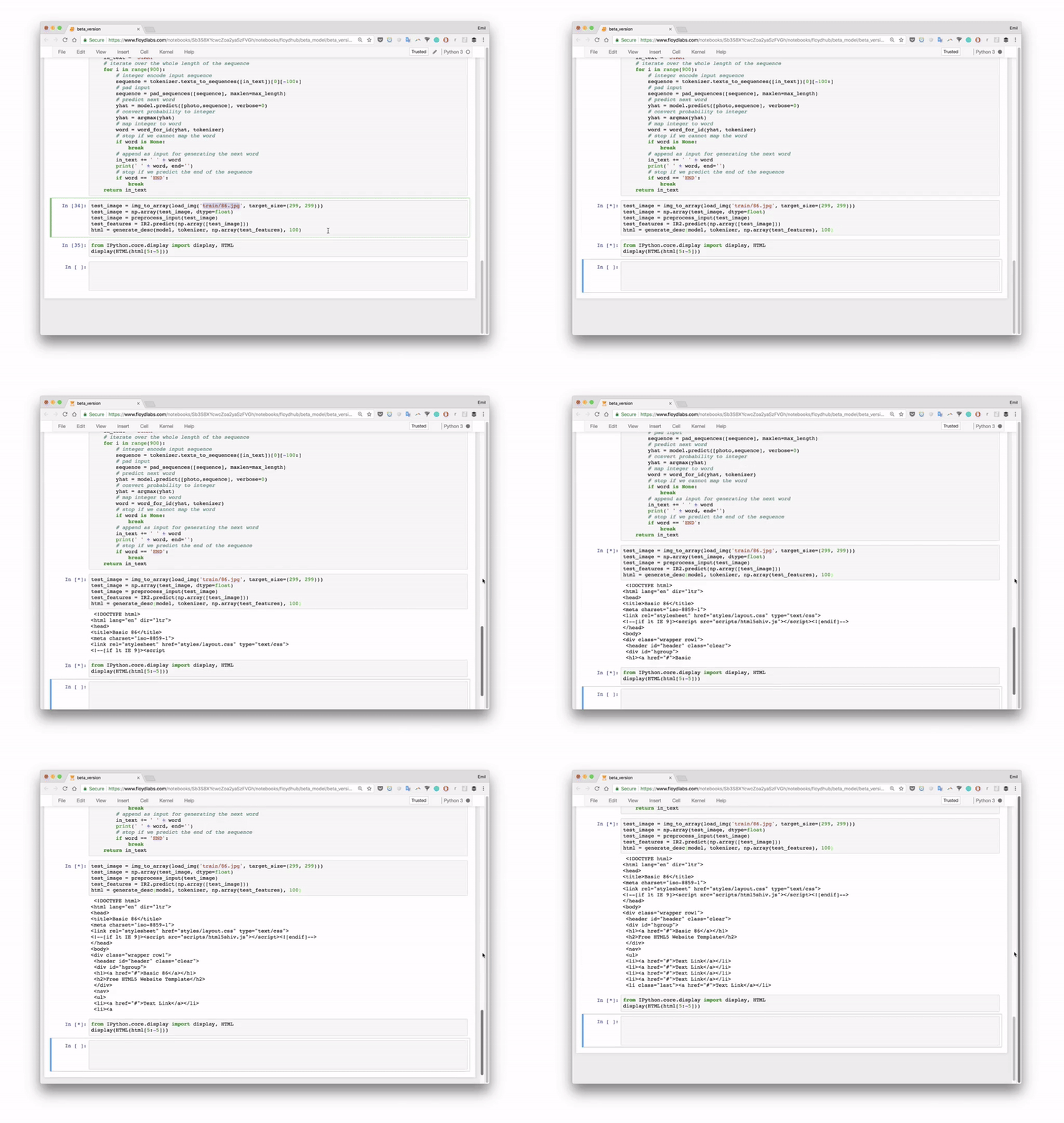
 A neural network that turns a design mock-up image into the HTML markup of a static website — render that markup and you get the original design back.
A neural network that turns a design mock-up image into the HTML markup of a static website — render that markup and you get the original design back.Is this an app I can plug into my workflow, or more of a learning project?It's a learning project, not a production tool: Keras models in Jupyter notebooks, with a companion tutorial explaining how the code works.
It's a learning project, not a production tool: Keras models in Jupyter notebooks, with a companion tutorial explaining how the code works.How do I get it running?Two options: click the FloydHub button for a ready workspace with the environment, dataset and trained models, or open a local .ipynb notebook in Jupyter and run Cell > Run all.
Two options: click the FloydHub button for a ready workspace with the environment, dataset and trained models, or open a local .ipynb notebook in Jupyter and run Cell > Run all.What do I need on my machine to run it locally?A Jupyter setup is enough — the models are Keras notebooks. The Bootstrap version ships with a small test set; for the full data you have to download the dataset separately.
A Jupyter setup is enough — the models are Keras notebooks. The Bootstrap version ships with a small test set; for the full data you have to download the dataset separately.Can I feed it my own design mock-ups?Only the Bootstrap version generalizes to new design mock-ups, and it was trained on a small, homogeneous dataset — the README warns it's hard to say how it behaves on more complex layouts.
Only the Bootstrap version generalizes to new design mock-ups, and it was trained on a small, homogeneous dataset — the README warns it's hard to say how it behaves on more complex layouts.Where does the approach come from?The models are based on Tony Beltramelli's pix2code, and inspired by Airbnb's sketching interfaces and Harvard's im2markup. IBM donated the computing power through its PowerAI platform.
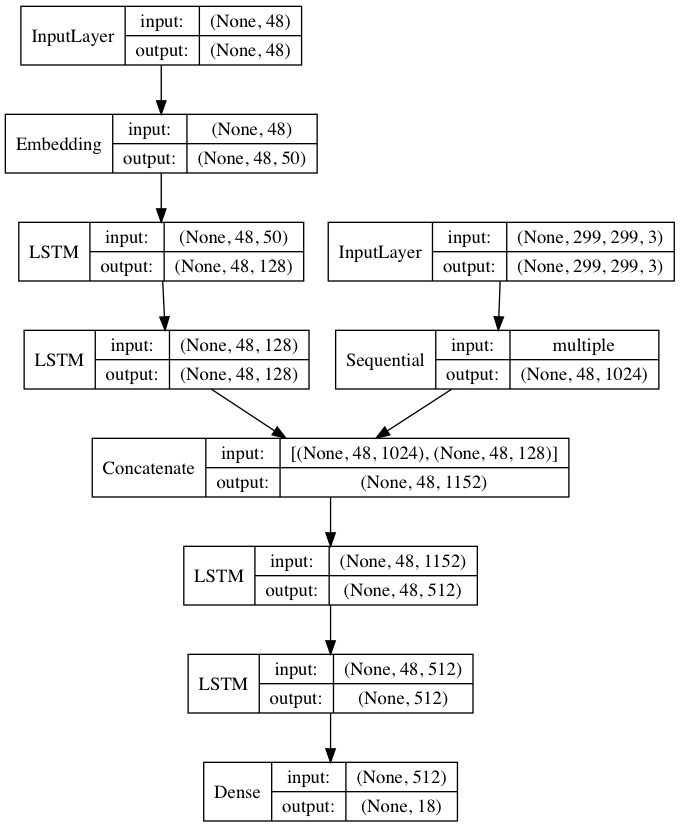
The models are based on Tony Beltramelli's pix2code, and inspired by Airbnb's sketching interfaces and Harvard's im2markup. IBM donated the computing power through its PowerAI platform.Which model architecture performs best?A GRU instead of an LSTM — the best model uses GRUs, and the pre-trained Bootstrap weights shipped in the repo are GRU-based.
A GRU instead of an LSTM — the best model uses GRUs, and the pre-trained Bootstrap weights shipped in the repo are GRU-based.Is there a walkthrough if I want to understand the code?Yes — the author wrote a detailed tutorial, 'Turning design mockups into code with deep learning', covering the code in this repository.
Yes — the author wrote a detailed tutorial, 'Turning design mockups into code with deep learning', covering the code in this repository.What are similar projects?TensorFlow-Examples, DeepLearning, EasyOCR, Mask_RCNN, machine-learning-zoomcamp, 100-Days-Of-ML-Code, High-Angle_Robust_Fast_FaceAlignment, homemade-machine-learning
TensorFlow-Examples, DeepLearning, EasyOCR, Mask_RCNN, machine-learning-zoomcamp, 100-Days-Of-ML-Code, High-Angle_Robust_Fast_FaceAlignment, homemade-machine-learningWhich topics is it in?lstm, keras, cnn, jupyter, jupyter-notebook, code-generation, dataset, neural-network, computer-vision, html, tutorial, deep-learning
lstm, keras, cnn, jupyter, jupyter-notebook, code-generation, dataset, neural-network, computer-vision, html, tutorial, deep-learning