271 ·GitHub
这是什么?
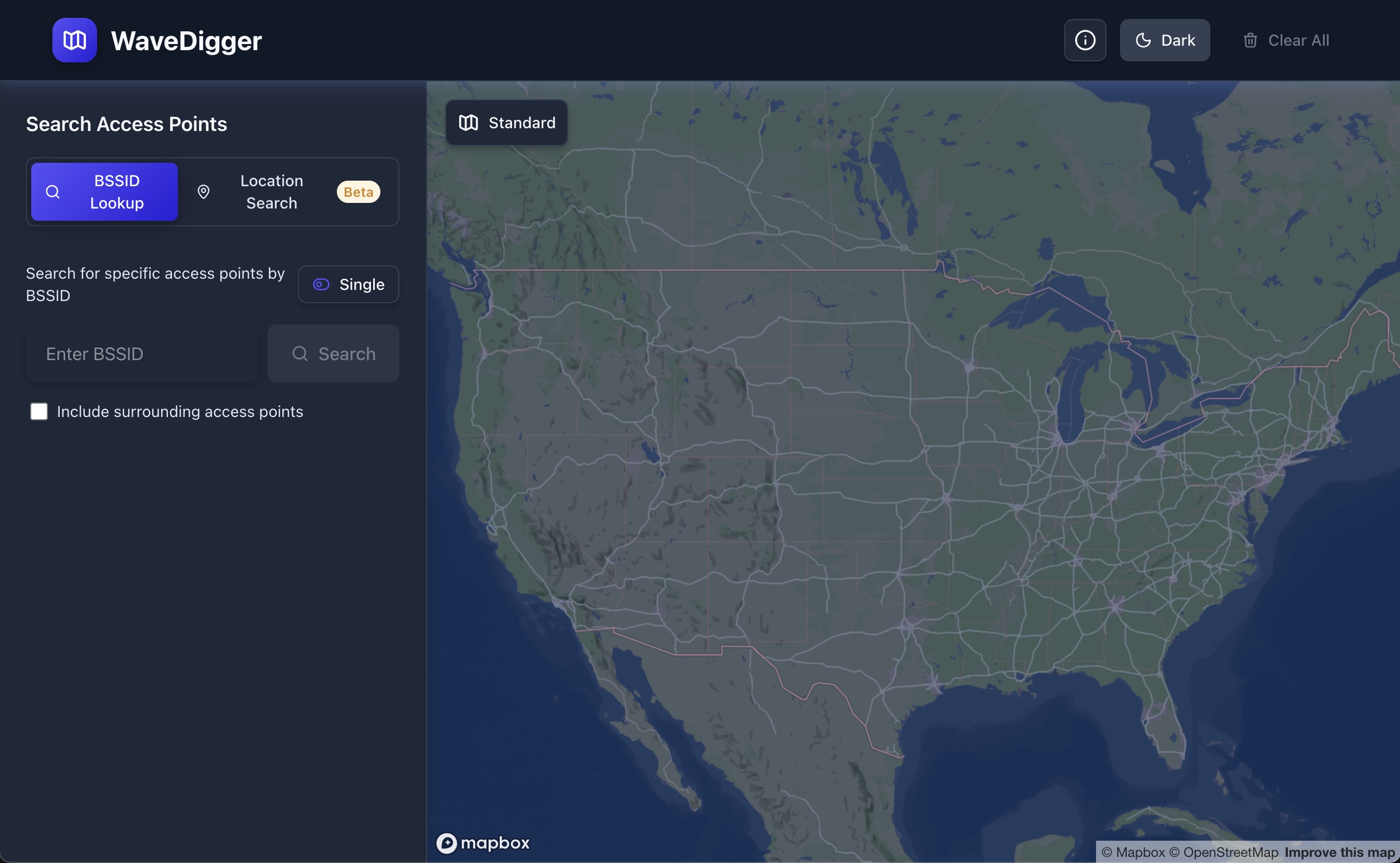
 WaveDigger 是一个网页工具,利用 Apple 的定位服务 API,按 BSSID(MAC 地址)查询 Wi-Fi 接入点的物理位置,按网络参数查询 LTE/5G NR 基站的位置。
这是独立应用,还是接入了 Apple 自己的数据库?它是一个自托管的 Next.js 网页应用,在幕后查询 Apple 真实的 WLOC API,复用逆向工程得到的 protobuf 定义来发送有效请求并解码响应。
它是一个自托管的 Next.js 网页应用,在幕后查询 Apple 真实的 WLOC API,复用逆向工程得到的 protobuf 定义来发送有效请求并解码响应。怎么让它跑起来?用 npm 安装 Node.js 依赖,可选地在 .env.local 里添加 Mapbox 令牌以获得更好的地图瓦片,然后启动 Next.js 开发服务器。
用 npm 安装 Node.js 依赖,可选地在 .env.local 里添加 Mapbox 令牌以获得更好的地图瓦片,然后启动 Next.js 开发服务器。需要先准备 Node.js 和 Mapbox 账户吗?你需要 Node.js 24+ 和 npm;Mapbox 令牌是可选的,只会改善地图瓦片的渲染效果。
你需要 Node.js 24+ 和 npm;Mapbox 令牌是可选的,只会改善地图瓦片的渲染效果。我输入的每个 BSSID 都真能查到位置吗?不能——Apple 的数据库并不覆盖每个接入点,新部署的或私有的路由器经常查无结果。
不能——Apple 的数据库并不覆盖每个接入点,新部署的或私有的路由器经常查无结果。有没有不用自己部署就能用的托管版本?有,README 提到存在托管版本,不过配有完整搭建步骤、形成文档的路径是自行托管。
有,README 提到存在托管版本,不过配有完整搭建步骤、形成文档的路径是自行托管。如果我部署自己修改过的副本,AGPL 许可证有什么讲究?有——AGPL-3.0 要求:如果你把修改版作为网络服务运行,就必须向它的用户公开你修改后的源代码。
有——AGPL-3.0 要求:如果你把修改版作为网络服务运行,就必须向它的用户公开你修改后的源代码。除 BSSID 之外它还支持哪些查询?它还支持通过 MCC/MNC/TAC/Cell ID 查询 LTE 基站,通过 MCC/MNC/TAC/NCI 查询 5G NR 基站,NR 搜索还会返回同一集群里的邻近小区。
它还支持通过 MCC/MNC/TAC/Cell ID 查询 LTE 基站,通过 MCC/MNC/TAC/NCI 查询 5G NR 基站,NR 搜索还会返回同一集群里的邻近小区。结果是怎么展示的?结果标绘在由 deck.gl 驱动的交互式地图上,应用还保留搜索历史,方便快速重新访问最近的查询。
结果标绘在由 deck.gl 驱动的交互式地图上,应用还保留搜索历史,方便快速重新访问最近的查询。它建立在谁的研究之上?它建立在 apple-corelocation-experiments 项目的逆向工程工作之上,该项目记录了 Apple 未公开的 WLOC API、protobuf 格式和坐标编码。
它建立在 apple-corelocation-experiments 项目的逆向工程工作之上,该项目记录了 Apple 未公开的 WLOC API、protobuf 格式和坐标编码。BSSID 可以用哪些格式输入?输入接受 AA:BB:CC:DD:EE:FF、AA-BB-CC-DD-EE-FF 或 AABBCCDDEEFF,并带自动格式化和校验。
输入接受 AA:BB:CC:DD:EE:FF、AA-BB-CC-DD-EE-FF 或 AABBCCDDEEFF,并带自动格式化和校验。What are similar projects?kepler.gl, osiris, cesium, city-roads, dawarich, Shadowbroker, Leaflet, gods-eye-view
kepler.gl, osiris, cesium, city-roads, dawarich, Shadowbroker, Leaflet, gods-eye-viewWhich topics is it in?protobuf, gis, geospatial, wifi, maps, osint, agplv3, tailwindcss, data-visualization, reverse-engineering, nextjs, web-app
protobuf, gis, geospatial, wifi, maps, osint, agplv3, tailwindcss, data-visualization, reverse-engineering, nextjs, web-app