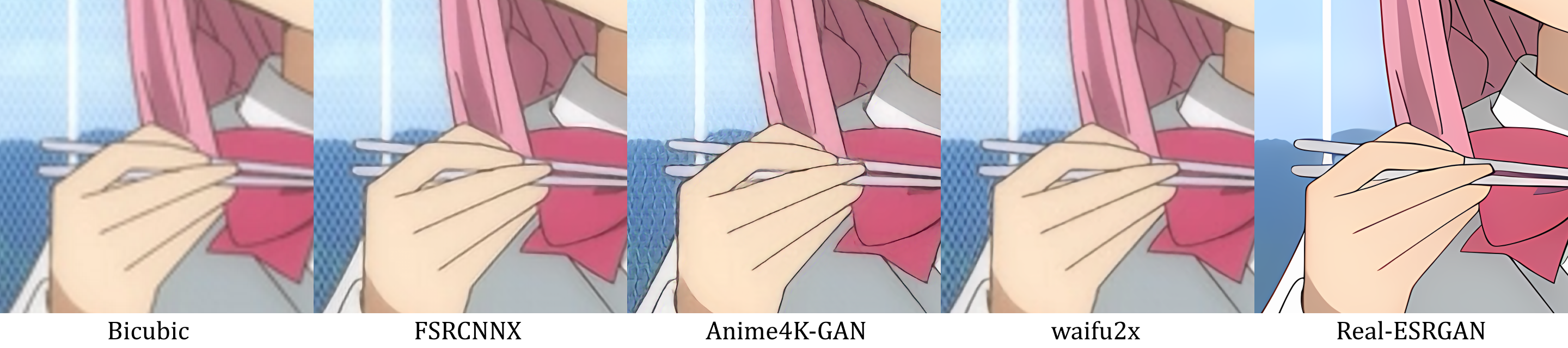
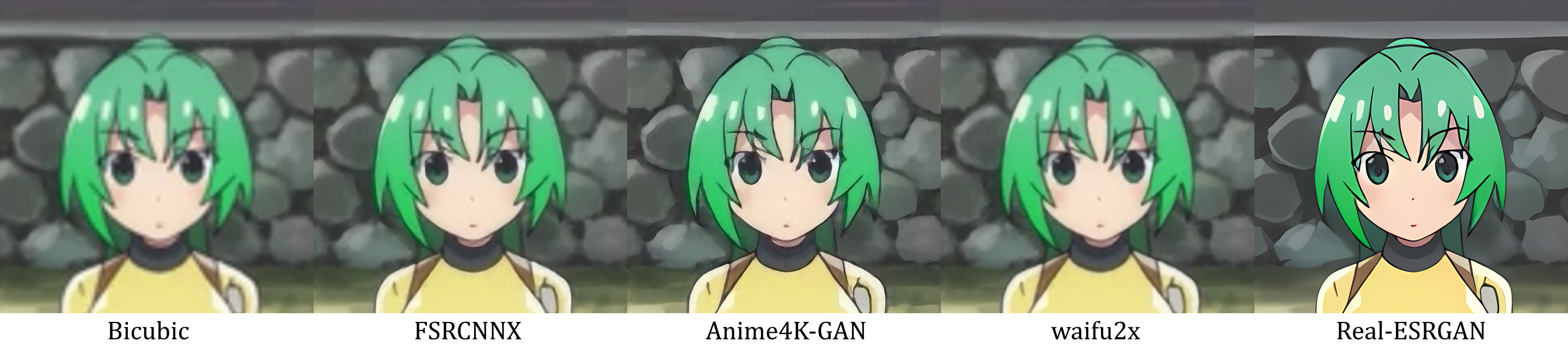
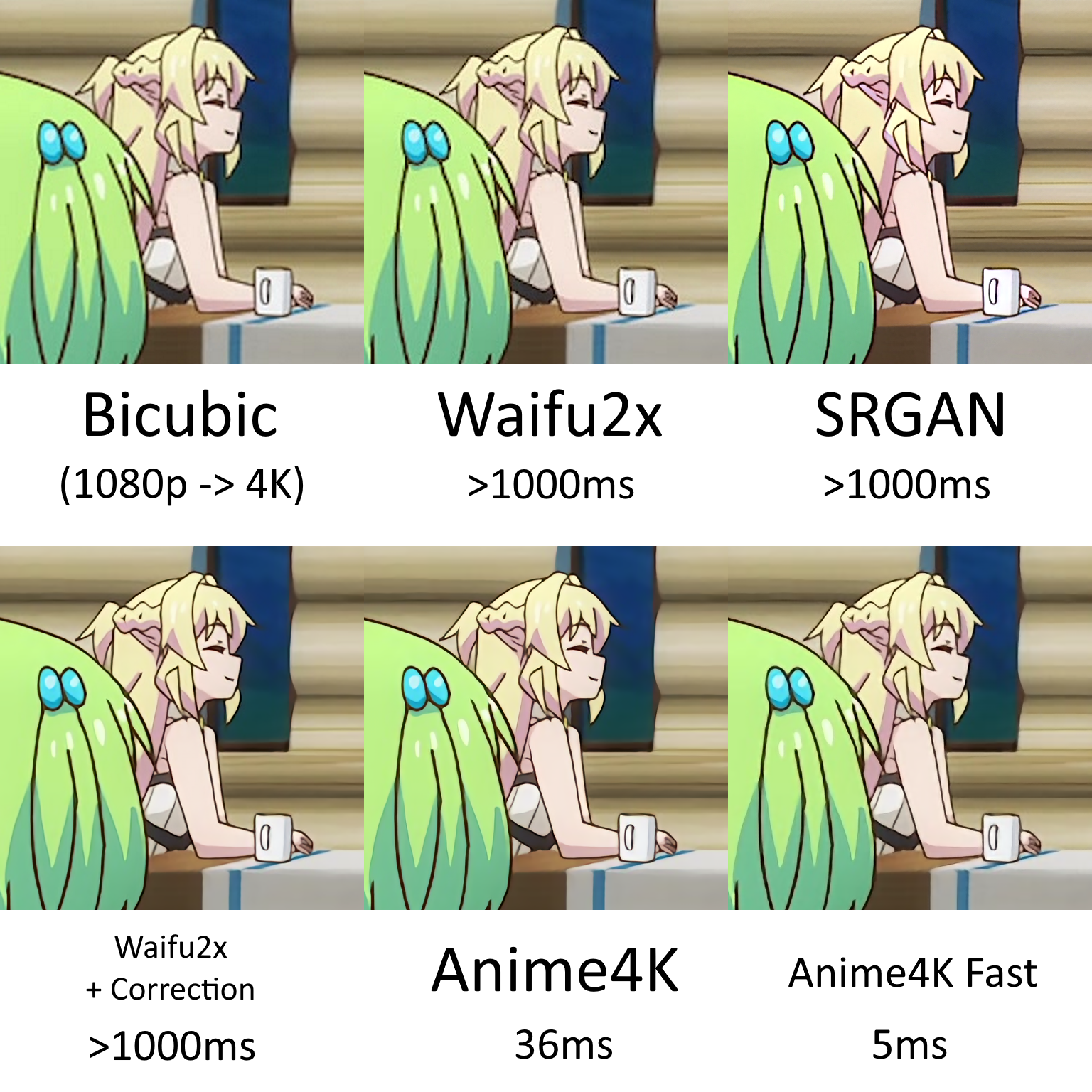
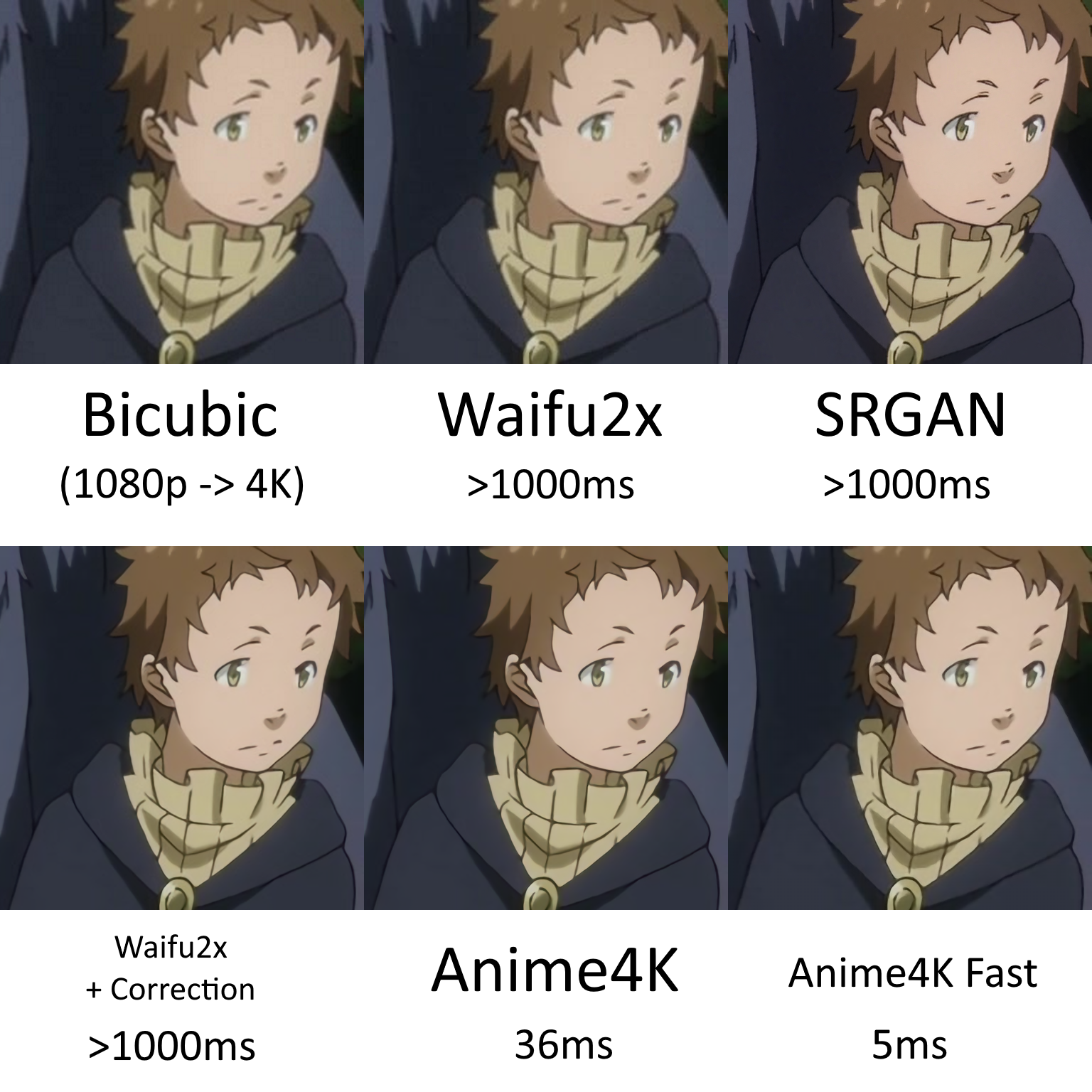






Что это такое?
 Anime4K — это набор алгоритмов с открытым исходным кодом для увеличения разрешения и шумоподавления в реальном времени, реализованных как шейдеры GLSL. Они делают аниме-видео чётче и увеличивают его разрешение на лету внутри медиаплеера, не перекодируя файл навсегда.
Это отдельное приложение или то, что загружается в мой плеер?Само по себе это не отдельное приложение, а библиотека шейдеров GLSL, которую загружают в медиаплеер с поддержкой шейдеров (mpv, IINA, Plex). Хотя некоторые проекты сообщества оборачивают её в готовые приложения с графическим интерфейсом.
Само по себе это не отдельное приложение, а библиотека шейдеров GLSL, которую загружают в медиаплеер с поддержкой шейдеров (mpv, IINA, Plex). Хотя некоторые проекты сообщества оборачивают её в готовые приложения с графическим интерфейсом.Как это запустить?Следуйте инструкции по установке для своей платформы: в Windows и Linux шейдеры загружаются через GLSL/MPV или GLSL/Plex, а на Mac дополнительно есть GLSL/IINA. В каждом руководстве показано, как направить конвейер шейдеров плеера на файлы шейдеров Anime4K.
Следуйте инструкции по установке для своей платформы: в Windows и Linux шейдеры загружаются через GLSL/MPV или GLSL/Plex, а на Mac дополнительно есть GLSL/IINA. В каждом руководстве показано, как направить конвейер шейдеров плеера на файлы шейдеров Anime4K.Нужен ли конкретный медиаплеер, или подойдёт любой видеоплеер?Да. Поскольку Anime4K реализован как шейдеры GLSL, нужен плеер с поддержкой шейдеров GLSL, например mpv, IINA или Plex. В README есть отдельные руководства по настройке для каждого из них.
Да. Поскольку Anime4K реализован как шейдеры GLSL, нужен плеер с поддержкой шейдеров GLSL, например mpv, IINA или Plex. В README есть отдельные руководства по настройке для каждого из них.Работает ли это хорошо на любом аниме-видео или есть подводные камни?Алгоритм настроен под нативное аниме в 1080p, закодированное в h.264, h.265 или VC-1. Он не оптимизирован для источников, уменьшенных с 720p/480p, и для старого аниме в стандартном разрешении. Очень старое аниме с сильным сжатием или артефактами размытия трудно очистить.
Алгоритм настроен под нативное аниме в 1080p, закодированное в h.264, h.265 или VC-1. Он не оптимизирован для источников, уменьшенных с 720p/480p, и для старого аниме в стандартном разрешении. Очень старое аниме с сильным сжатием или артефактами размытия трудно очистить.Нужна ли мощная видеокарта, чтобы это работало в реальном времени?Да, увеличение разрешения шейдерами в реальном времени зависит от видеокарты. Тесты проекта проводились на AMD Vega64. В README также отмечается, что реализации на CUDA с тензорными ядрами могут быть ещё быстрее, но они доступны только на CUDA.
Да, увеличение разрешения шейдерами в реальном времени зависит от видеокарты. Тесты проекта проводились на AMD Vega64. В README также отмечается, что реализации на CUDA с тензорными ядрами могут быть ещё быстрее, но они доступны только на CUDA.Чем это отличается от waifu2x или других ИИ-апскейлеров, например Real-ESRGAN?Anime4K создан для работы в реальном времени во время воспроизведения. Апскейлеры на основе GAN, такие как waifu2x и Real-ESRGAN, дают лучший результат на сильно испорченных или низкокачественных изображениях, но слишком медленны для использования в реальном времени.
Anime4K создан для работы в реальном времени во время воспроизведения. Апскейлеры на основе GAN, такие как waifu2x и Real-ESRGAN, дают лучший результат на сильно испорченных или низкокачественных изображениях, но слишком медленны для использования в реальном времени.Что изменилось между версиями шейдеров v3 и v4?В v3 монолитный шейдер разделили на модульные апскейлеры линий на основе CNN, шейдеры устранения размытия, шумоподавления и артефактов передискретизации. В v4 добавили алгоритм реконструкции линий, который явно исправляет сдвиг распределения, встречающийся в реальном, непоследовательно скомпонованном аниме в 1080p.
В v3 монолитный шейдер разделили на модульные апскейлеры линий на основе CNN, шейдеры устранения размытия, шумоподавления и артефактов передискретизации. В v4 добавили алгоритм реконструкции линий, который явно исправляет сдвиг распределения, встречающийся в реальном, непоследовательно скомпонованном аниме в 1080p.Есть ли более простое приложение вместо ручной настройки шейдеров?Да, сообщество создало несколько готовых инструментов на основе Anime4K, в том числе графический апскейлер для Windows 10/11, приложение на основе Metal для платформ Apple и реализации на PyTorch, C#, Rust и C++.
Да, сообщество создало несколько готовых инструментов на основе Anime4K, в том числе графический апскейлер для Windows 10/11, приложение на основе Metal для платформ Apple и реализации на PyTorch, C#, Rust и C++.What are similar projects?Waifu2x-Extension-GUI, waifu2x, video2x, pix2pix, Infinite, paper2gui, video2dlssnr, Real-ESRGAN
Waifu2x-Extension-GUI, waifu2x, video2x, pix2pix, Infinite, paper2gui, video2dlssnr, Real-ESRGANWhich topics is it in?anime4k, convolutional-neural-networks, shader, cnn, anime, super-resolution, upscaling, neural-networks, jupyter-notebook, computer-graphics, algorithm, video-processing
anime4k, convolutional-neural-networks, shader, cnn, anime, super-resolution, upscaling, neural-networks, jupyter-notebook, computer-graphics, algorithm, video-processing