



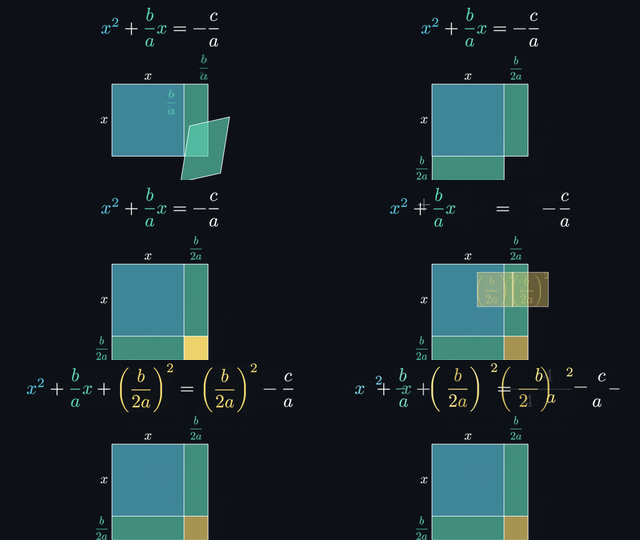
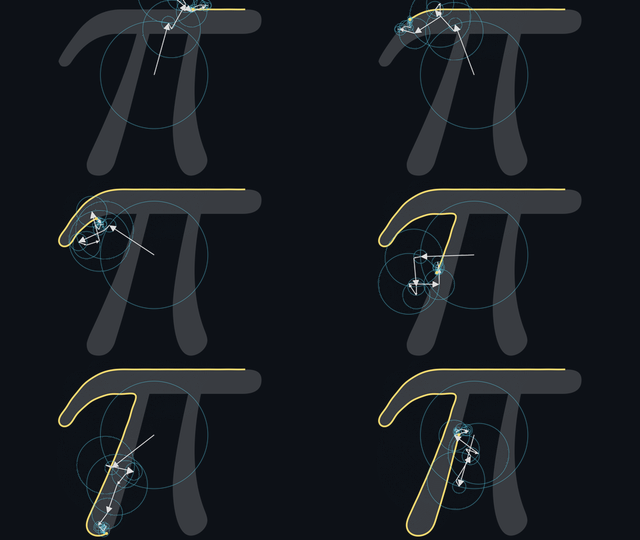
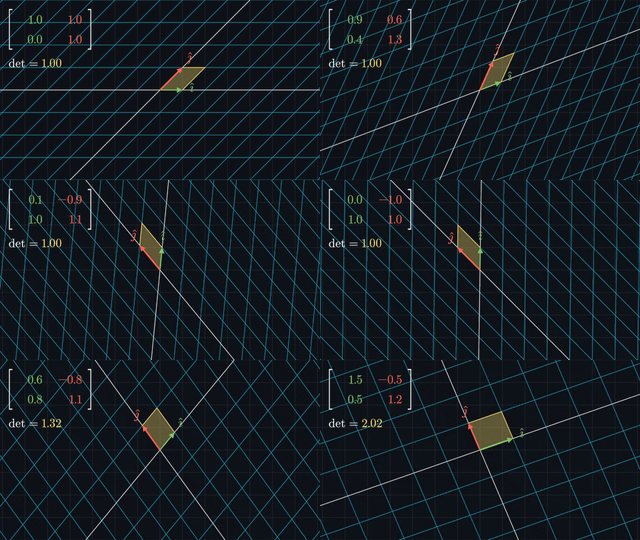
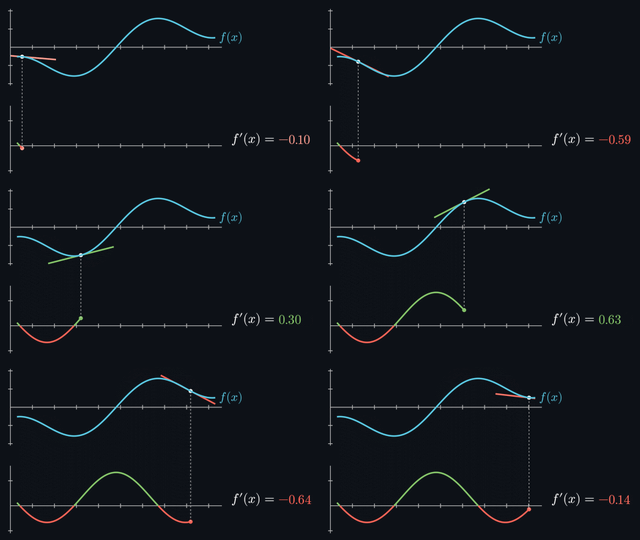
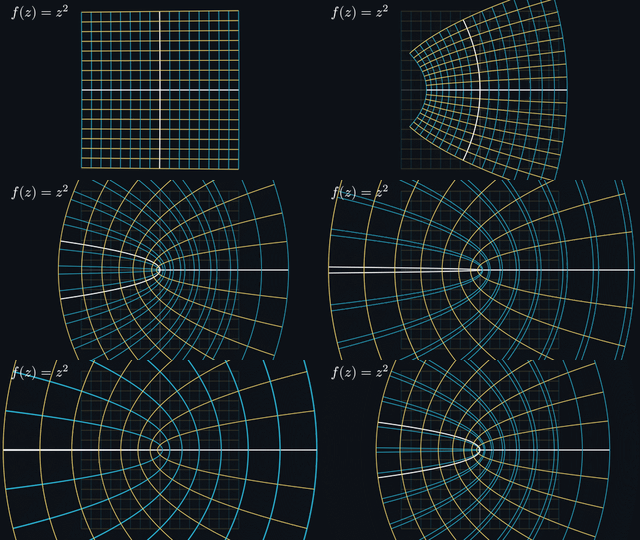

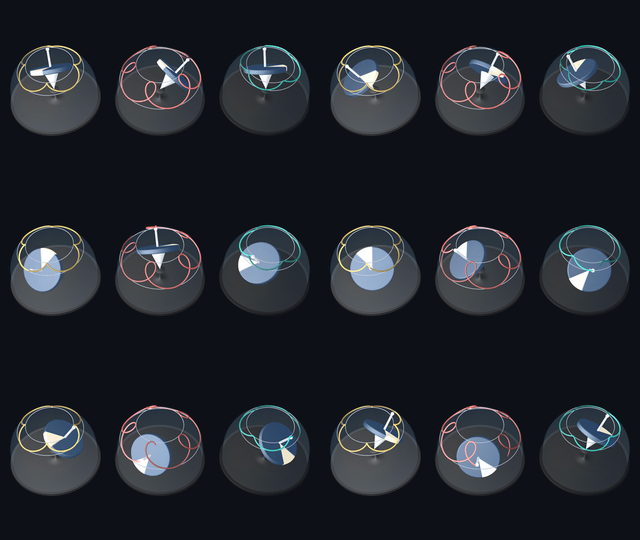
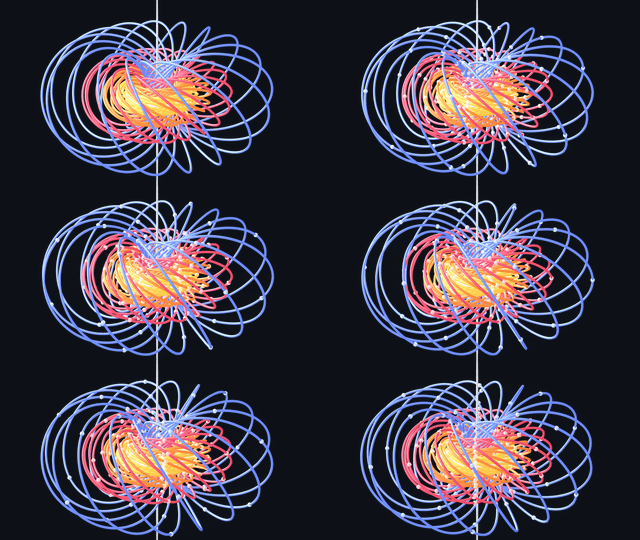
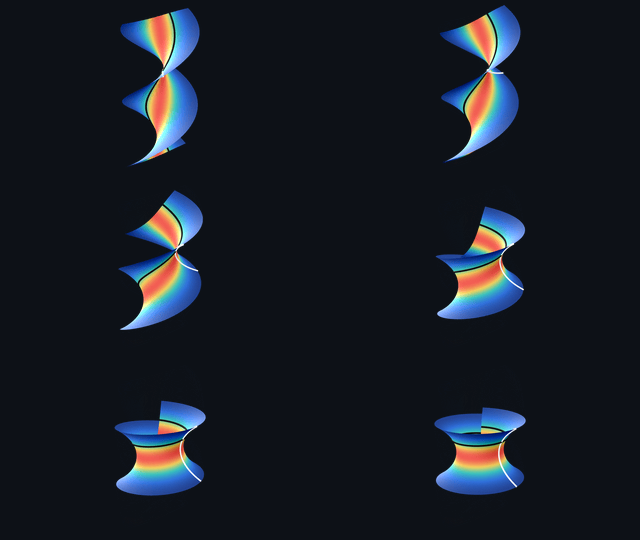



What is this?
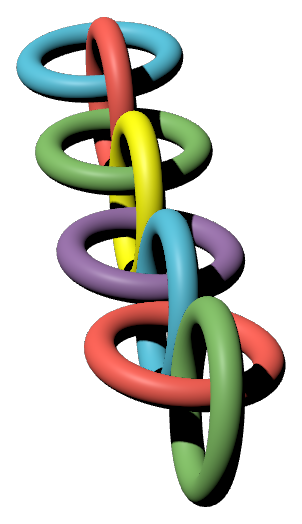
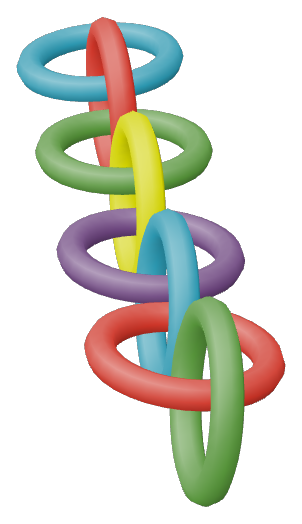
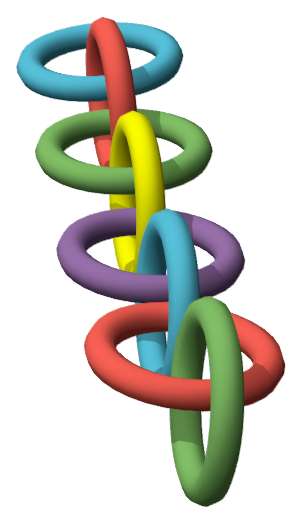
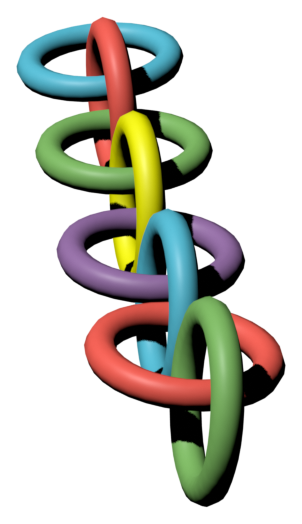
 ManimGX is an animation engine built for coding agents: it renders Manim's Python API into math and 3D videos using a Rust + wgpu GPU core, aiming to be dramatically faster than existing Manim engines.
Is this a Python library or a standalone renderer?It's a Python library whose API matches Manim Community Edition — you write Python scenes and a Rust-based engine renders them to MP4; there's also an npm package that runs the same engine in the browser via WebGPU.
It's a Python library whose API matches Manim Community Edition — you write Python scenes and a Rust-based engine renders them to MP4; there's also an npm package that runs the same engine in the browser via WebGPU.How do I get it running?Install with 'pip install manimgx' on Python 3.13+ (macOS, Linux or Windows), save a scene.py file, and render it to produce a 1080p60 MP4. You can also paste a setup prompt into Claude Code, Codex, or Cursor and let the agent configure everything.
Install with 'pip install manimgx' on Python 3.13+ (macOS, Linux or Windows), save a scene.py file, and render it to produce a 1080p60 MP4. You can also paste a setup prompt into Claude Code, Codex, or Cursor and let the agent configure everything.Do I need LaTeX or other tools installed first?No — fonts, Typst-based typesetting, and video encoding all ship bundled with the package, so you don't need a separate LaTeX installation.
No — fonts, Typst-based typesetting, and video encoding all ship bundled with the package, so you don't need a separate LaTeX installation.Will my existing Manim CE scenes just work?ManimGX targets the same API as Manim Community Edition, but behavior can differ in places, so existing scenes may need adjustment — there's a dedicated migration guide for this.
ManimGX targets the same API as Manim Community Edition, but behavior can differ in places, so existing scenes may need adjustment — there's a dedicated migration guide for this.Can it run in a browser instead of locally?Yes — the npm package 'manimgx' runs Python scenes in a Web Worker via Pyodide and renders with WebGPU, letting you embed a scene with no render server at all.
Yes — the npm package 'manimgx' runs Python scenes in a Web Worker via Pyodide and renders with WebGPU, letting you embed a scene with no render server at all.Is this really MIT licensed?The ManimGX source code itself is MIT, but because native wheels bundle x264, the compiled wheel as a whole is GPL-3.0-or-later; it also incorporates LGPL-licensed FFmpeg code.
The ManimGX source code itself is MIT, but because native wheels bundle x264, the compiled wheel as a whole is GPL-3.0-or-later; it also incorporates LGPL-licensed FFmpeg code.Does rendering require a dedicated GPU?It uses your GPU natively via wgpu (and WebGPU in the browser), but on Linux it automatically falls back to CPU-based Vulkan rendering through Mesa's lavapipe if no suitable GPU is present.
It uses your GPU natively via wgpu (and WebGPU in the browser), but on Linux it automatically falls back to CPU-based Vulkan rendering through Mesa's lavapipe if no suitable GPU is present.How much faster is ManimGX than ManimCE or ManimGL?In a benchmark of five scenes at 1080p60 on an Apple M4 Pro, ManimGX was 90.6x faster than ManimCE, 11.5x faster than ManimGL, and 18.7x faster than Blender Workbench, measured launch-to-finished-MP4.
In a benchmark of five scenes at 1080p60 on an Apple M4 Pro, ManimGX was 90.6x faster than ManimCE, 11.5x faster than ManimGL, and 18.7x faster than Blender Workbench, measured launch-to-finished-MP4.What does manimgx inspect do?It's an agent-feedback command that produces storyboards and 2D layout checks at play endings or chosen times, so an agent can verify a scene without watching the full render.
It's an agent-feedback command that produces storyboards and 2D layout checks at play endings or chosen times, so an agent can verify a scene without watching the full render.Can animations include math and synced speech?Yes — text and equations can be written in LaTeX or Typst with no LaTeX install required, and self.say() lets you time animations to match spoken words.
Yes — text and equations can be written in LaTeX or Typst with no LaTeX install required, and self.say() lets you time animations to match spoken words.What are similar projects?fframes, filmcraft, framefields, mitex, openfilm, wgpu, godogen, effectcraft
fframes, filmcraft, framefields, mitex, openfilm, wgpu, godogen, effectcraft