
这是什么?
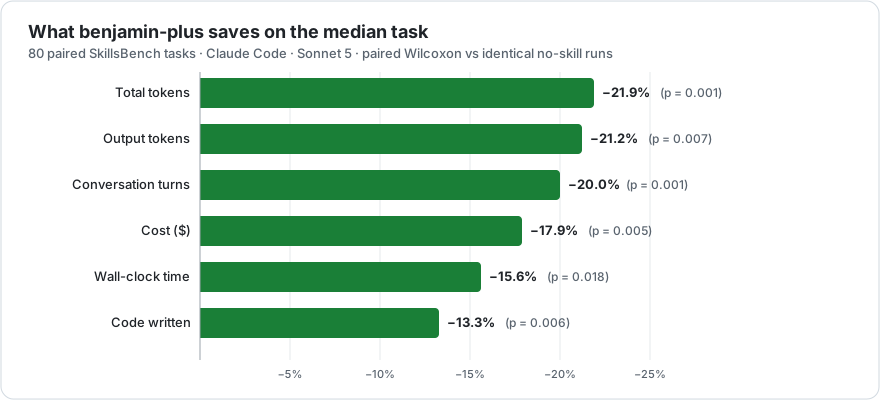
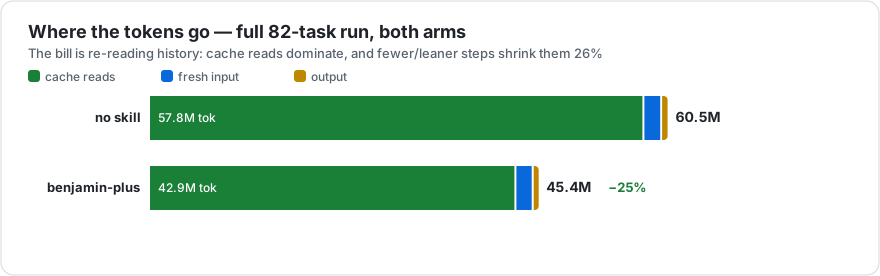
 Benjamin-Plus 是一个提升 token 效率的编程智能体技能:它传授五个围绕查询和等待的习惯(不涉及智能体构建什么),经实测最多可削减 18% 的成本且质量不变。
Benjamin-Plus 是一个提升 token 效率的编程智能体技能:它传授五个围绕查询和等待的习惯(不涉及智能体构建什么),经实测最多可削减 18% 的成本且质量不变。这是我安装的插件,还是注入到智能体提示词里的文本?它不是你要安装的包——而是一个简短的规则文件(RULESET.md,约 745 个 token),你直接把它注入智能体的系统提示词或钩子即可;测试表明,把它打包成可被发现的技能文件夹毫无收益,因为智能体光是寻找 SKILL.md 就浪费了不少步骤。
它不是你要安装的包——而是一个简短的规则文件(RULESET.md,约 745 个 token),你直接把它注入智能体的系统提示词或钩子即可;测试表明,把它打包成可被发现的技能文件夹毫无收益,因为智能体光是寻找 SKILL.md 就浪费了不少步骤。怎么把它加到我的智能体上?在 Claude Code 中,把规则集追加到 CLAUDE.md(例如用“cat ~/.benjamin-plus/injected-instruction.md >> CLAUDE.md”),或通过 ~/.claude/settings.json 里的钩子接入;在 Codex CLI 中,把它追加到 AGENTS.md,因为该文件每次会话都会加载;对其他任何智能体,把 injected-instruction.md 追加到其系统提示词即可。
在 Claude Code 中,把规则集追加到 CLAUDE.md(例如用“cat ~/.benjamin-plus/injected-instruction.md >> CLAUDE.md”),或通过 ~/.claude/settings.json 里的钩子接入;在 Codex CLI 中,把它追加到 AGENTS.md,因为该文件每次会话都会加载;对其他任何智能体,把 injected-instruction.md 追加到其系统提示词即可。哪些编程智能体能使用它?它在 Claude Code 2.1.201(Sonnet 5)和 Codex CLI(gpt-5.6-luna)上做过基准测试,但任何系统提示词或上下文可编辑的编程智能体都能使用——不需要 API 密钥或额外工具。
它在 Claude Code 2.1.201(Sonnet 5)和 Codex CLI(gpt-5.6-luna)上做过基准测试,但任何系统提示词或上下文可编辑的编程智能体都能使用——不需要 API 密钥或额外工具。它每次省下的成本都一样多吗?节省幅度取决于你原本的会话有多臃肿,成本大致降低 10% 到 18%;一天前对一个运行得更精简的基线所做的完全相同的测试只测得 −10%,而且质量对比(7 项更好/5 项更差/68 项持平)在统计上也不足以排除任一方向的微小效应。
节省幅度取决于你原本的会话有多臃肿,成本大致降低 10% 到 18%;一天前对一个运行得更精简的基线所做的完全相同的测试只测得 −10%,而且质量对比(7 项更好/5 项更差/68 项持平)在统计上也不足以排除任一方向的微小效应。这个技能传授的五个习惯是什么?在一次合并的侦察中收集事实,而不是多次零散查询;只读取文件中需要的那几行(锁孔式读取);一次性探测所有依赖;把任务自身的验证命令当作完成的定义;把轮询也计为一步——每 30 秒检查一次,而不是每秒一次。
在一次合并的侦察中收集事实,而不是多次零散查询;只读取文件中需要的那几行(锁孔式读取);一次性探测所有依赖;把任务自身的验证命令当作完成的定义;把轮询也计为一步——每 30 秒检查一次,而不是每秒一次。Benjamin-Plus 是如何开发和测试的?由一个智能体循环挖掘约 1,200 条旧的智能体执行轨迹、起草规则,并在 80 个 SkillsBench 任务(Claude Code 2.1.201、Sonnet 5)上进行成对 A/B 测试,历经六个修订版本,只保留经证据检验成立的规则。
由一个智能体循环挖掘约 1,200 条旧的智能体执行轨迹、起草规则,并在 80 个 SkillsBench 任务(Claude Code 2.1.201、Sonnet 5)上进行成对 A/B 测试,历经六个修订版本,只保留经证据检验成立的规则。它只在 Claude Code 上有效吗?不是——它还在 Codex CLI 上用 gpt-5.6-luna 在一套 Java SWE-bench 题目(675 组成对副本)上做过测量,结果显示成本降低 4.4% 而解题率不变,因此它能跨不同框架推广。
不是——它还在 Codex CLI 上用 gpt-5.6-luna 在一套 Java SWE-bench 题目(675 组成对副本)上做过测量,结果显示成本降低 4.4% 而解题率不变,因此它能跨不同框架推广。注入的内容有多大?整个集成内容约 3 KB 文本,其中核心规则集本身注入系统提示词后仅约 745 个 token。
整个集成内容约 3 KB 文本,其中核心规则集本身注入系统提示词后仅约 745 个 token。What are similar projects?SkillOpt, Intent-Router, ralph, pstack, headroom, HERO-Anti-OverDefense, SwiftUI-Agent-Skill, SwiftUI-Agent-Skill
SkillOpt, Intent-Router, ralph, pstack, headroom, HERO-Anti-OverDefense, SwiftUI-Agent-Skill, SwiftUI-Agent-SkillWhich topics is it in?optimization, prompt-engineering, shell, benchmark, coding-agent, claude, agent-skills, performance, codex, research, agent, claude-code
optimization, prompt-engineering, shell, benchmark, coding-agent, claude, agent-skills, performance, codex, research, agent, claude-code