



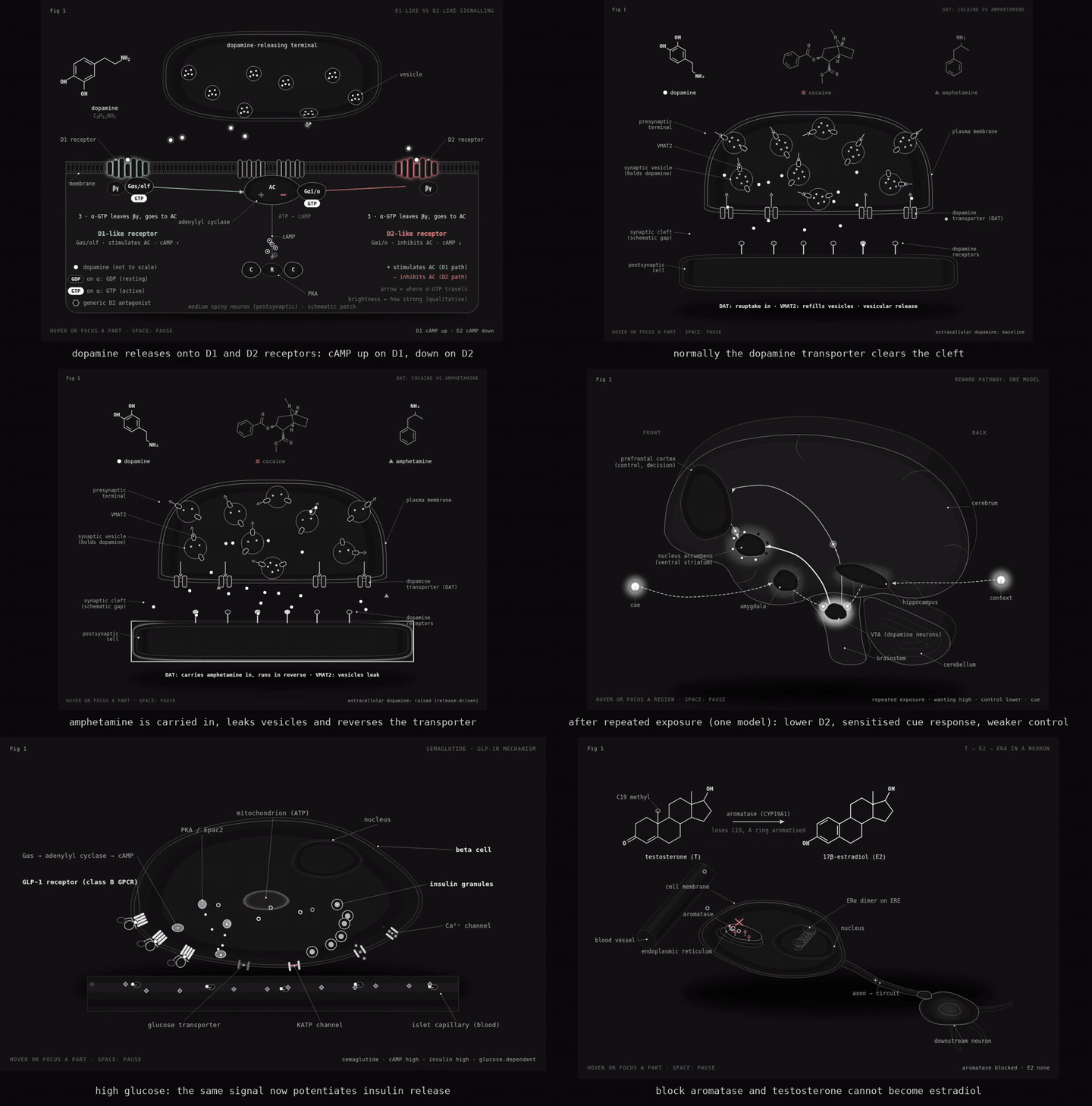
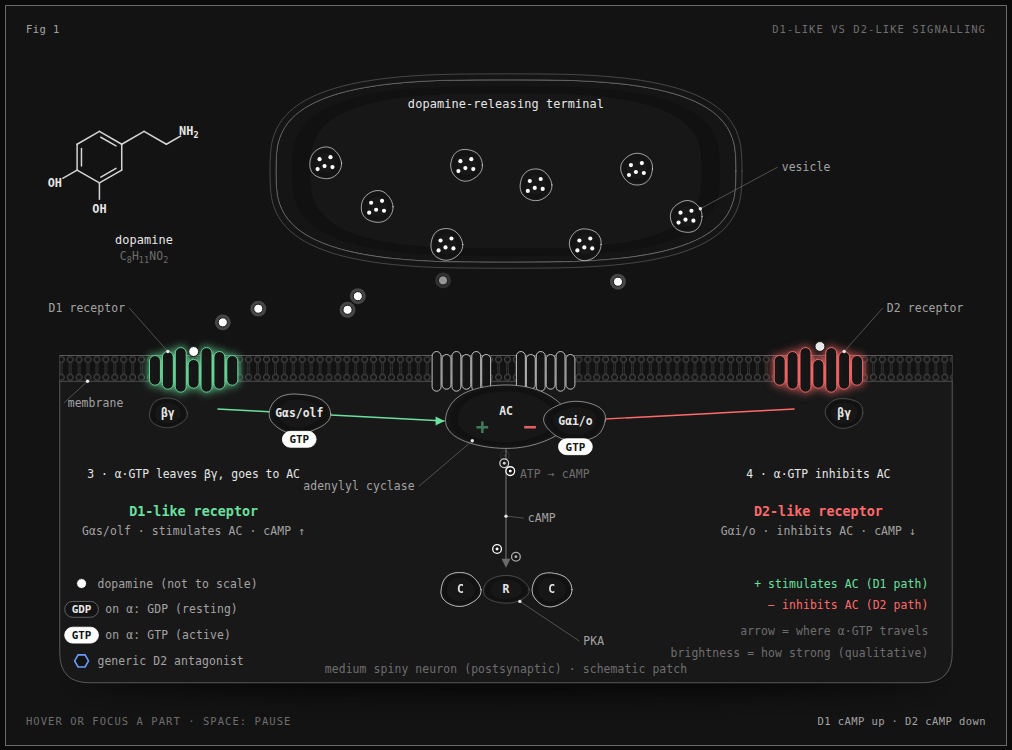
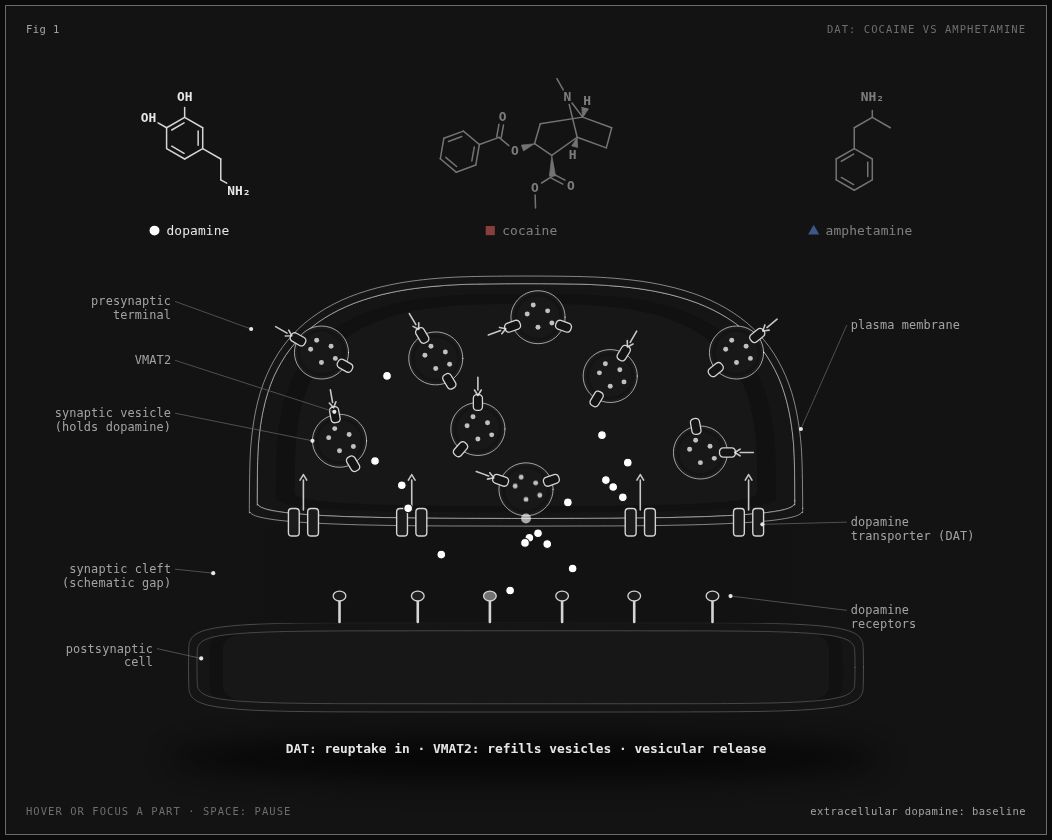
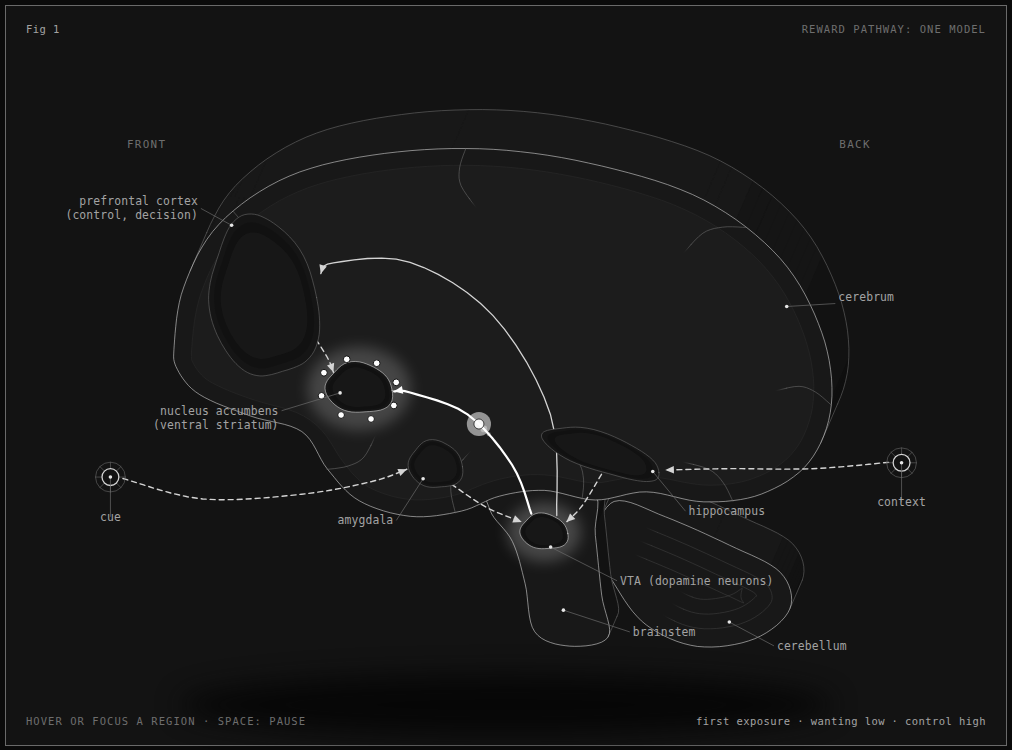
Что это такое?
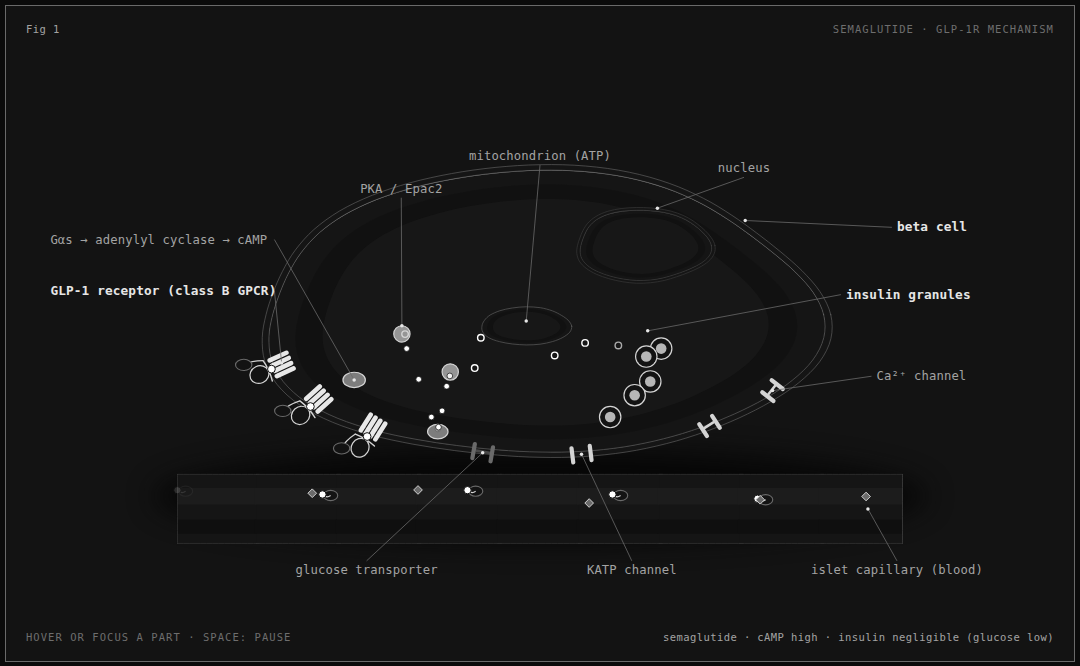
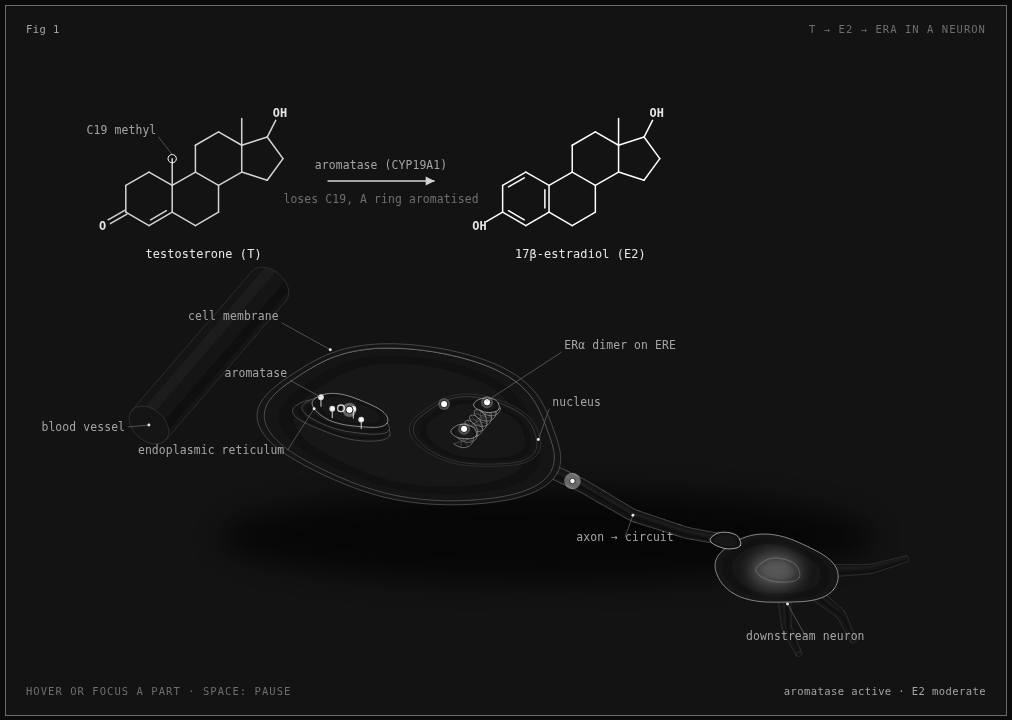
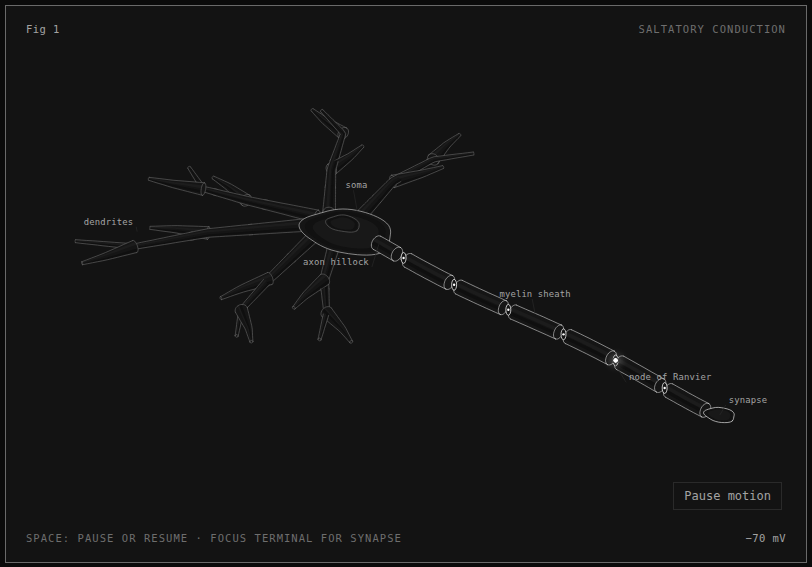
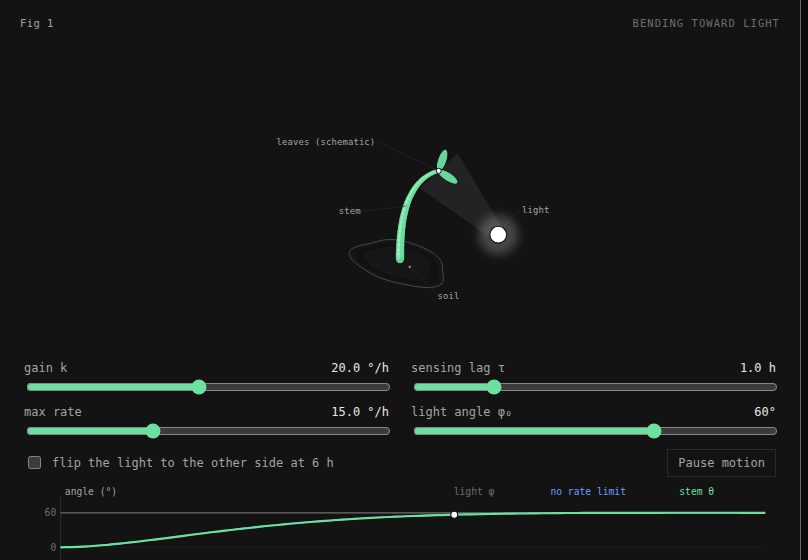
 Anima — это навык для Claude Code, который превращает вопрос по биологии, заданный простым языком, в интерактивную изометрическую иллюстрацию с источниками: отдельную веб-страницу с реальными структурами, механизмом, который можно включать и выключать, живыми показаниями и ссылкой на источник для каждого показанного числа.
Это приложение или то, что Claude Code генерирует для меня?Это не приложение, которое запускается напрямую, а навык, установленный внутри Claude Code. Вы описываете тему по биологии, а Claude Code с помощью этого навыка создаёт отдельную HTML-страницу, которую вы открываете в браузере.
Это не приложение, которое запускается напрямую, а навык, установленный внутри Claude Code. Вы описываете тему по биологии, а Claude Code с помощью этого навыка создаёт отдельную HTML-страницу, которую вы открываете в браузере.Как этим пользоваться, чтобы получить иллюстрацию?В Claude Code вы указываете биологический объект, механизм, который нужно объяснить, аудиторию и формат результата. Затем навык определяет объём работы (Figure, Hero или Epic), собирает источники, создаёт страницу и проверяет её при увеличении, в светлой и тёмной темах и на ширине телефона.
В Claude Code вы указываете биологический объект, механизм, который нужно объяснить, аудиторию и формат результата. Затем навык определяет объём работы (Figure, Hero или Epic), собирает источники, создаёт страницу и проверяет её при увеличении, в светлой и тёмной темах и на ширине телефона.Что нужно установить, прежде чем это заработает?Нужны Claude Code и Node.js версии 20.10 или новее. Сам набор для рисования использует только встроенные модули Node и не требует внешних зависимостей во время работы; Chrome или Chromium нужны лишь для необязательных скриптов захвата и проверки.
Нужны Claude Code и Node.js версии 20.10 или новее. Сам набор для рисования использует только встроенные модули Node и не требует внешних зависимостей во время работы; Chrome или Chromium нужны лишь для необязательных скриптов захвата и проверки.Будет ли он давать дозировки или медицинские советы по лекарствам?Нет. Иллюстрации, связанные с лекарствами, ограничиваются объяснением механизма действия: без доз, способов введения, схем приёма и рекомендаций. Каждая иллюстрация явно обозначена как образовательная, а не как медицинская консультация.
Нет. Иллюстрации, связанные с лекарствами, ограничиваются объяснением механизма действия: без доз, способов введения, схем приёма и рекомендаций. Каждая иллюстрация явно обозначена как образовательная, а не как медицинская консультация.Как обеспечивается достоверность чисел на экране?Каждое выводимое значение — размер, концентрация, потенциал, скорость или доза — должно сопровождаться ссылкой на источник с указанием вида, ткани, условий и единиц измерения в подписи или в блоке источников. Числа, которые нельзя проверить, опускаются, а не подставляются приблизительно.
Каждое выводимое значение — размер, концентрация, потенциал, скорость или доза — должно сопровождаться ссылкой на источник с указанием вида, ткани, условий и единиц измерения в подписи или в блоке источников. Числа, которые нельзя проверить, опускаются, а не подставляются приблизительно.Что входит в каждую созданную иллюстрацию?Рамка-карточка с номером иллюстрации, названием и подсказкой по взаимодействию, живые показания от небольшой модели, пояснения при наведении мыши и с клавиатуры, кнопка паузы, статичный кадр для режима сниженной анимации, блок источников, а также светлая и тёмная темы.
Рамка-карточка с номером иллюстрации, названием и подсказкой по взаимодействию, живые показания от небольшой модели, пояснения при наведении мыши и с клавиатуры, кнопка паузы, статичный кадр для режима сниженной анимации, блок источников, а также светлая и тёмная темы.Можно ли создать свою новую иллюстрацию, а не использовать готовые примеры?Да. Вы копируете ближайший существующий пример и адаптируете его, повторно используя модули набора (kit/blob.mjs, kit/branch.mjs, kit/chem.mjs, kit/bio-audit.mjs), которые импортирует каждый build.mjs. Они нужны для рисования органических форм, разветвлённых структур и молекул, а также для проверок мембран и подписей.
Да. Вы копируете ближайший существующий пример и адаптируете его, повторно используя модули набора (kit/blob.mjs, kit/branch.mjs, kit/chem.mjs, kit/bio-audit.mjs), которые импортирует каждый build.mjs. Они нужны для рисования органических форм, разветвлённых структур и молекул, а также для проверок мембран и подписей.Почему создали Anima, а не использовали типичные научные анимации?Большинство биологической графики либо статичны, либо производят уверенное впечатление, но без источников. Anima настаивает на рисовании реальных структур, ссылке на источник для каждого числа, указании уровней достоверности и анимации только механизмов, а не декора.
Большинство биологической графики либо статичны, либо производят уверенное впечатление, но без источников. Anima настаивает на рисовании реальных структур, ссылке на источник для каждого числа, указании уровней достоверности и анимации только механизмов, а не декора.Какие есть похожие проекты?teachable-figures, aetherviz-master, vistep, svg-diagram, answer-me-with-html, anatomy, playground, explainer
teachable-figures, aetherviz-master, vistep, svg-diagram, answer-me-with-html, anatomy, playground, explainerВ каких он темах?educational, science, zero-dependency, claude-skill, interactive, claude-code-skill, svg, visualization, data-visualization, design, skill, html
educational, science, zero-dependency, claude-skill, interactive, claude-code-skill, svg, visualization, data-visualization, design, skill, html