


What is this?
 Codis is a proxy-based, high-performance Redis cluster solution written in Go — it sits between your application and a pool of Redis servers. It is production-ready and widely used at wandoujia.com and many other companies.
Codis is a proxy-based, high-performance Redis cluster solution written in Go — it sits between your application and a pool of Redis servers. It is production-ready and widely used at wandoujia.com and many other companies.So do I run Codis as a separate service in front of my Redis servers?Exactly. Clients connect to the Codis proxy as if it were a regular Redis server, and it routes commands to the backend Redis instances. It supports most Redis commands and is fully compatible with Twemproxy.
Exactly. Clients connect to the Codis proxy as if it were a regular Redis server, and it routes commands to the backend Redis instances. It supports most Redis commands and is fully compatible with Twemproxy.How do I get it running?Download a prebuilt binary from the Codis Releases page — the README points there for the most stable releases — or build from source with make; a Dockerfile is included too. Chinese and English tutorials are linked from the README.
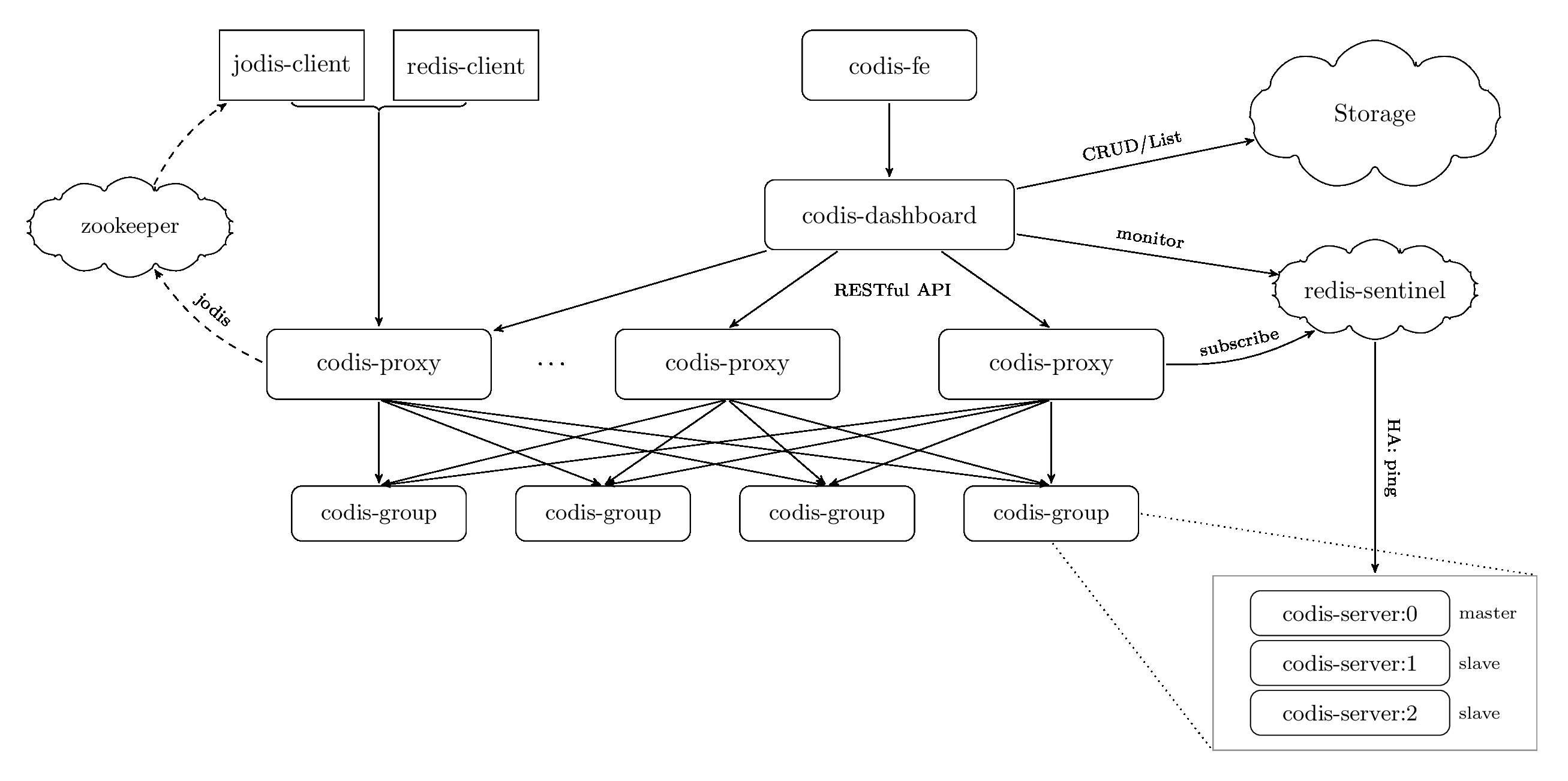
Download a prebuilt binary from the Codis Releases page — the README points there for the most stable releases — or build from source with make; a Dockerfile is included too. Chinese and English tutorials are linked from the README.Do I need to run anything besides Codis and Redis?Yes, a coordination store: proxies register themselves on ZooKeeper or etcd, which also lets clients discover live proxies and avoid dead ones. Sentinel integration is part of the architecture as well.
Yes, a coordination store: proxies register themselves on ZooKeeper or etcd, which also lets clients discover live proxies and avoid dead ones. Sentinel integration is part of the architecture as well.Where does this thing actually get deployed?On your own infrastructure: it is a server-side Go program you self-host next to your Redis instances, with a Dockerfile in the repo. The admin dashboard is a web app you open in a browser.
On your own infrastructure: it is a server-side Go program you self-host next to your Redis instances, with a Dockerfile in the repo. The admin dashboard is a web app you open in a browser.Why choose Codis over Twemproxy or Redis Cluster?Twemproxy cannot reshard without restarting the cluster, while Codis resharding is online — multi-key operations even keep working during it. Redis Cluster requires clients that support the cluster protocol, while Codis works with any standard client and supports pipeline.
Twemproxy cannot reshard without restarting the cluster, while Codis resharding is online — multi-key operations even keep working during it. Redis Cluster requires clients that support the cluster protocol, while Codis works with any standard client and supports pipeline.What does resharding actually mean?Migrating the data in one slot from one Redis server to another — it usually happens while you increase or decrease the number of Redis servers. Codis does it without restarting the cluster.
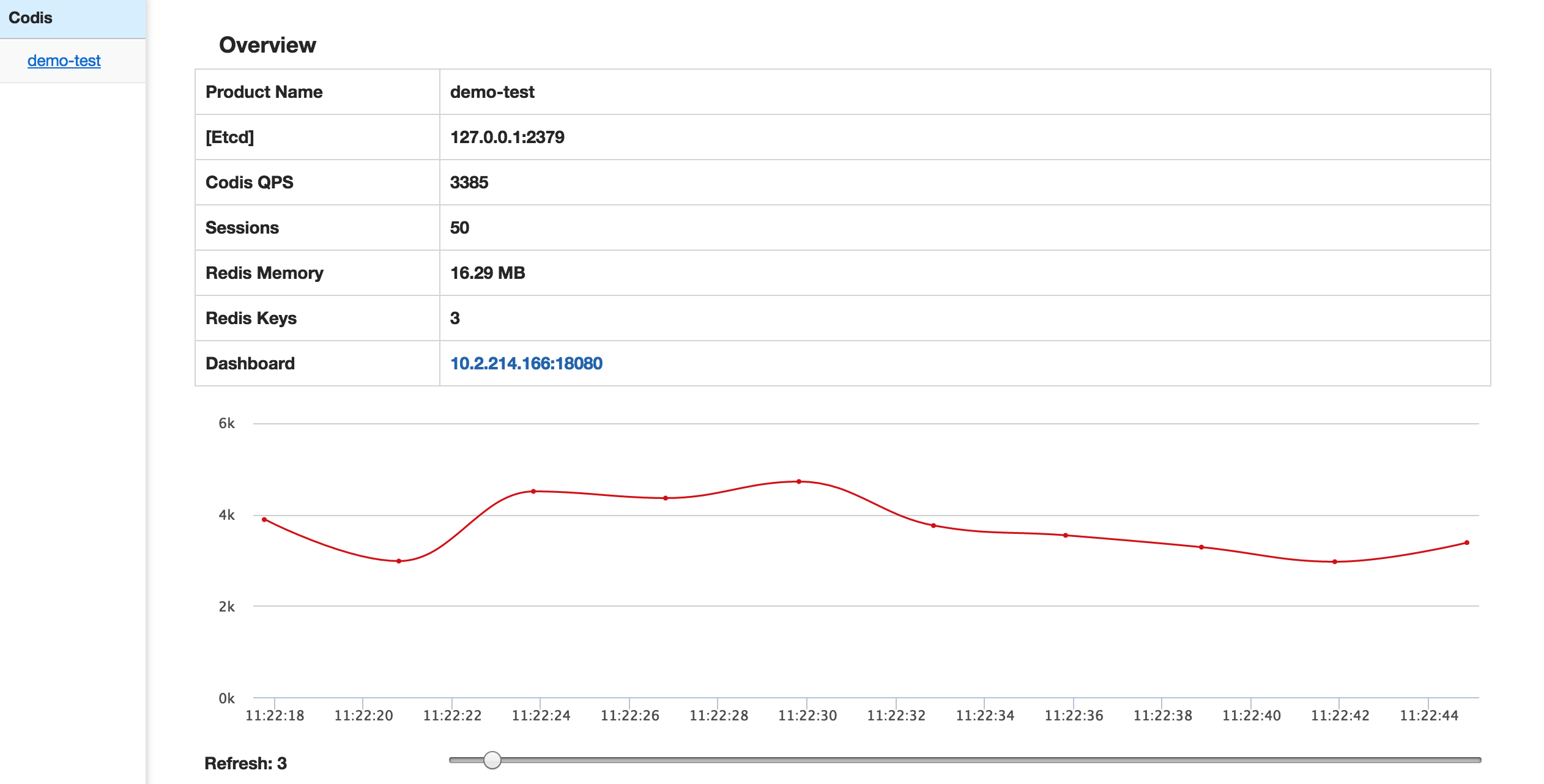
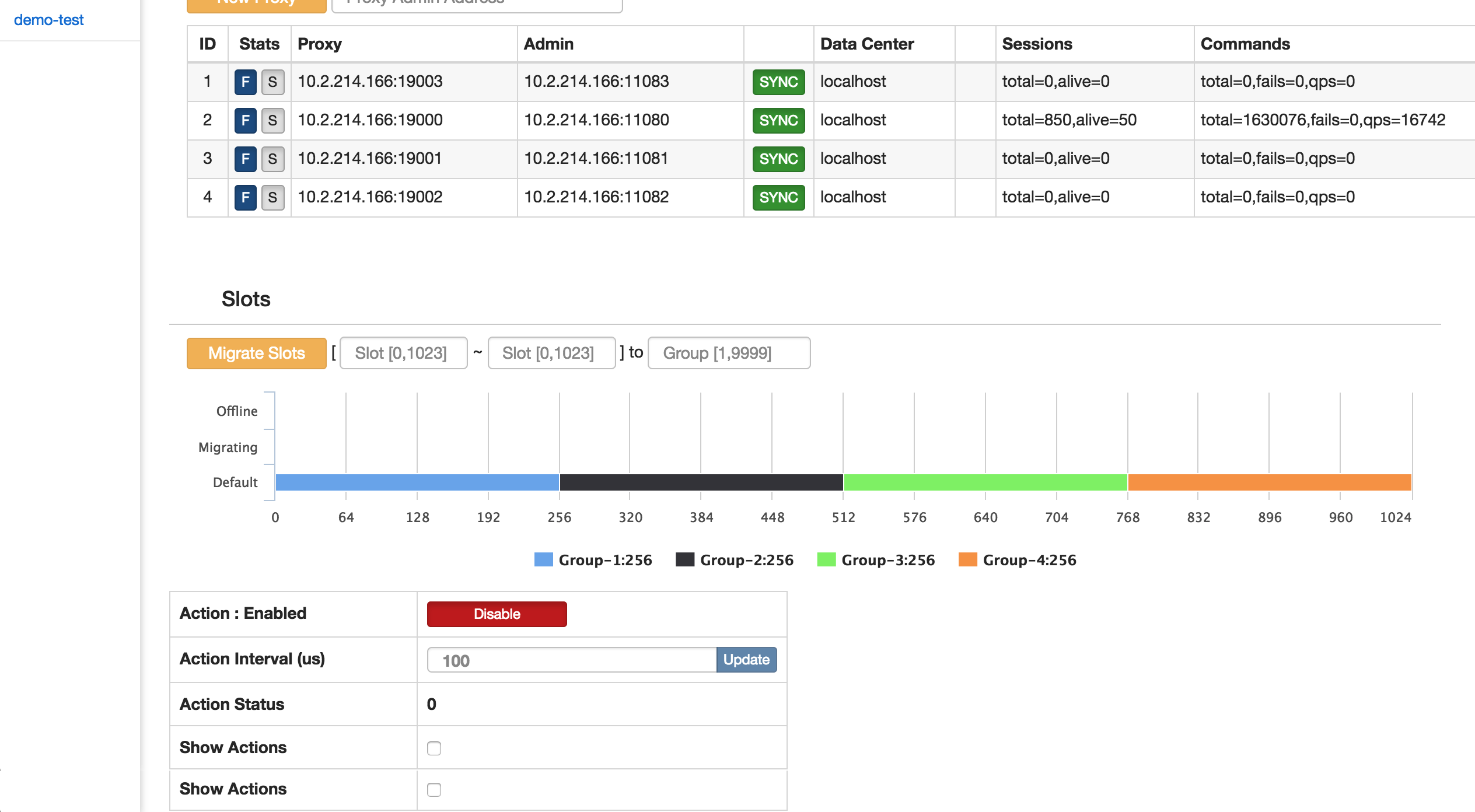
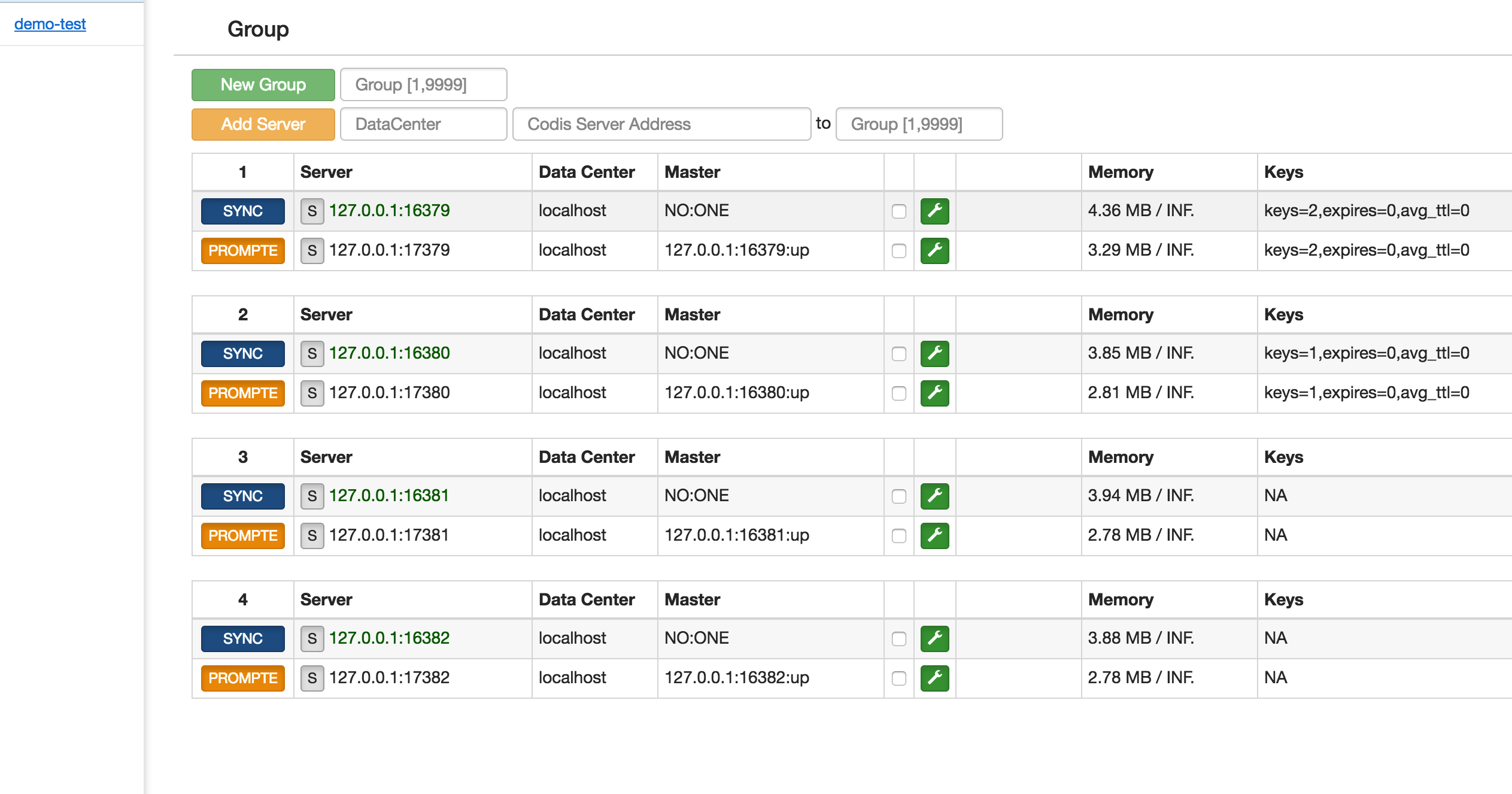
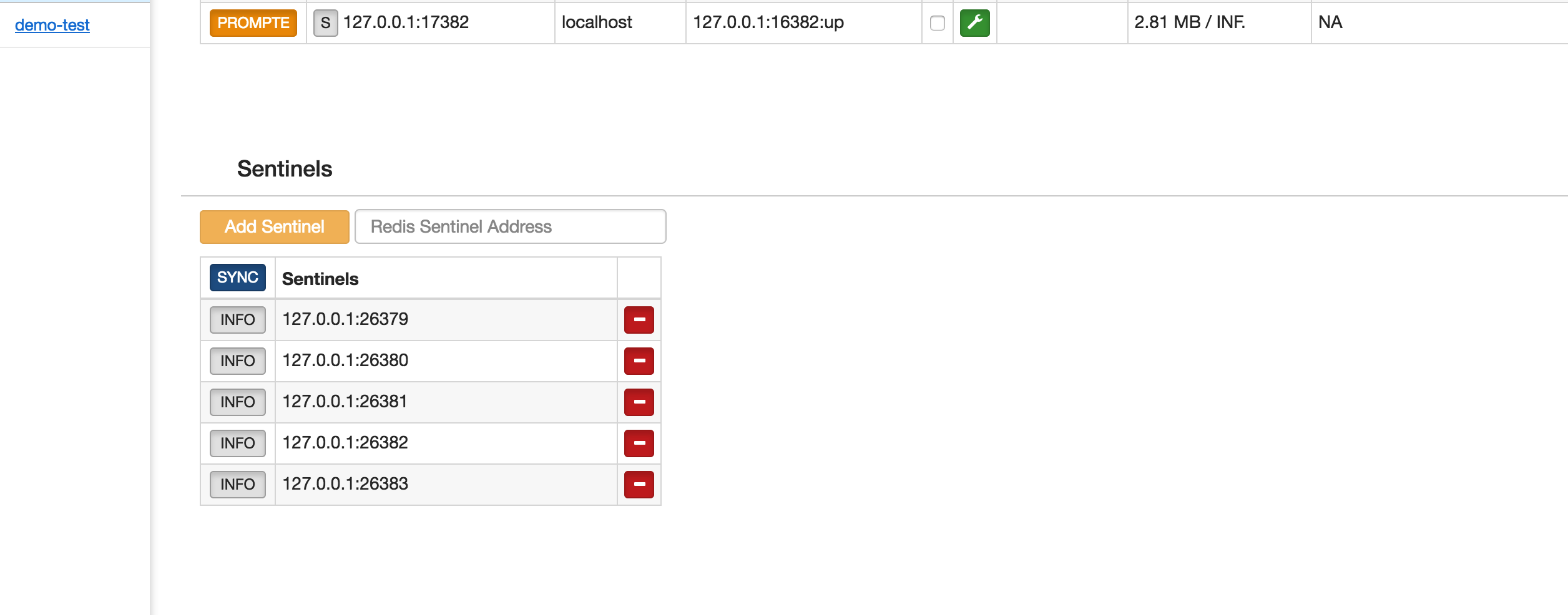
Migrating the data in one slot from one Redis server to another — it usually happens while you increase or decrease the number of Redis servers. Codis does it without restarting the cluster.Does it come with any admin tooling?Yes — a GUI website dashboard plus admin tools. The README snapshots show screens for proxies, slots, groups and Sentinel.
Yes — a GUI website dashboard plus admin tools. The README snapshots show screens for proxies, slots, groups and Sentinel.Can I use Codis in my own product?Yes. It is MIT-licensed, and the authors explicitly welcome using it in your product — they even ask you to tell them about it.
Yes. It is MIT-licensed, and the authors explicitly welcome using it in your product — they even ask you to tell them about it.