
Что это?
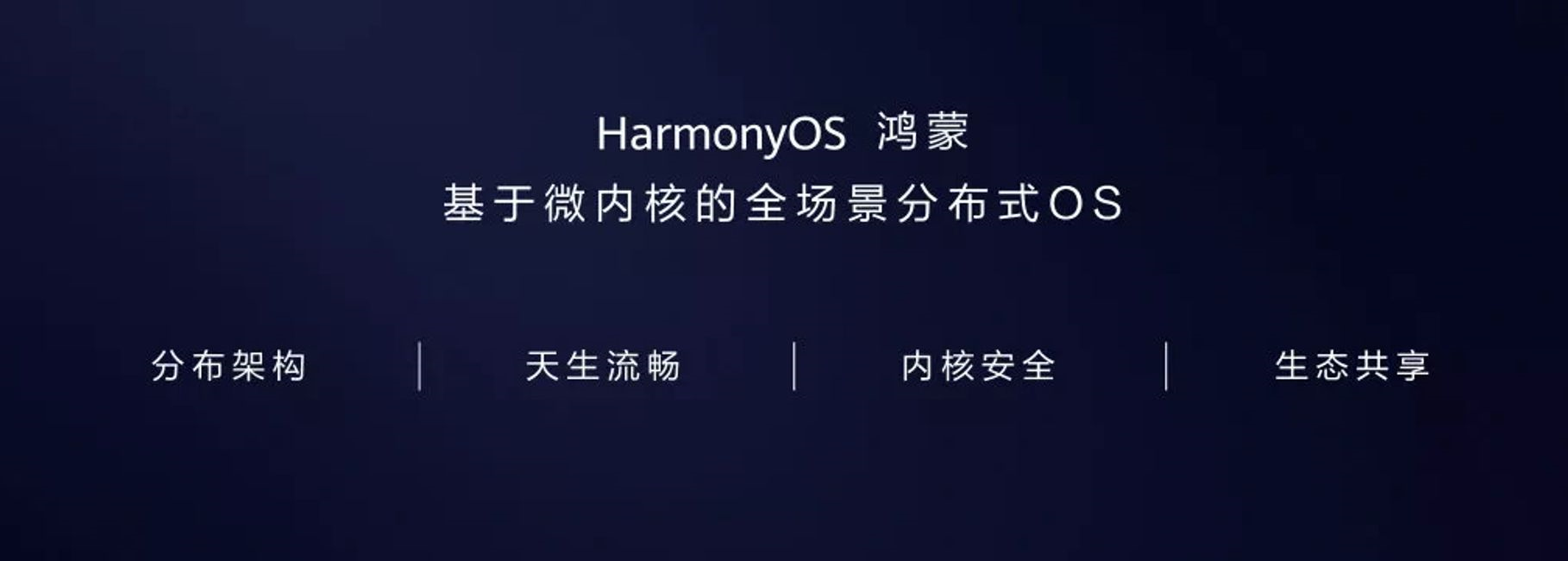
 Это подборка материалов о HarmonyOS, распределённой операционной системе на основе микроядра, которую разрабатывает Huawei. Список собирает официальную документацию, описания архитектуры, инструменты разработчика, драйверы, книги и видео об этой ОС, но сам по себе ОС не является.
Это подборка материалов о HarmonyOS, распределённой операционной системе на основе микроядра, которую разрабатывает Huawei. Список собирает официальную документацию, описания архитектуры, инструменты разработчика, драйверы, книги и видео об этой ОС, но сам по себе ОС не является.Это сама операционная система или просто список ссылок о ней?Это просто подборка ссылок и ресурсов о HarmonyOS: официальные сайты, документация, SDK, драйверы, книги, видео. Здесь нет исходного кода ОС и нет пакета для установки.
Это просто подборка ссылок и ресурсов о HarmonyOS: официальные сайты, документация, SDK, драйверы, книги, видео. Здесь нет исходного кода ОС и нет пакета для установки.Как устроен список?Он разбит на пронумерованные разделы: что такое HarmonyOS, хронология развития, основные возможности, а затем ресурсы: официальные материалы, загрузки, описания архитектуры, драйверы для оборудования, инструменты разработчика (компилятор/SDK/IDE), сообщество, книги, продукты и видео.
Он разбит на пронумерованные разделы: что такое HarmonyOS, хронология развития, основные возможности, а затем ресурсы: официальные материалы, загрузки, описания архитектуры, драйверы для оборудования, инструменты разработчика (компилятор/SDK/IDE), сообщество, книги, продукты и видео.С чего новичку начать?Новичку стоит начать с раздела «Что такое HarmonyOS?», где описана распределённая архитектура на основе микроядра, а затем перейти к ссылкам из раздела «Официальные ресурсы и документация», чтобы изучить практические материалы.
Новичку стоит начать с раздела «Что такое HarmonyOS?», где описана распределённая архитектура на основе микроядра, а затем перейти к ссылкам из раздела «Официальные ресурсы и документация», чтобы изучить практические материалы.Это официальный проект Huawei?Нет. В списке прямо сказано, что он неофициальный и представляет собой сборку общедоступных документов о HarmonyOS. Это не коммерческий проект и не проект, поддерживаемый Huawei.
Нет. В списке прямо сказано, что он неофициальный и представляет собой сборку общедоступных документов о HarmonyOS. Это не коммерческий проект и не проект, поддерживаемый Huawei.Кому полезен этот список?Он рассчитан на разработчиков и исследователей, которых интересуют архитектура HarmonyOS, драйверы, SDK и экосистема, так как в нём есть ссылки на компиляторы, IDE, наборы драйверов и техническую документацию.
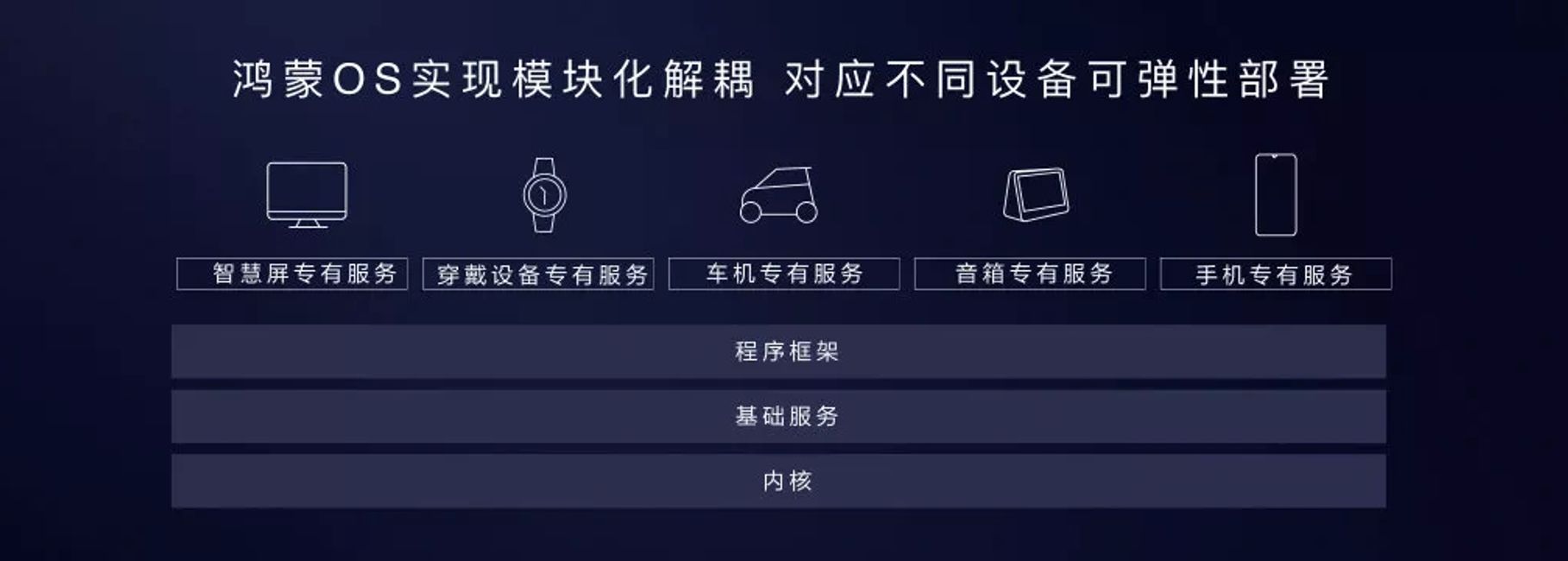
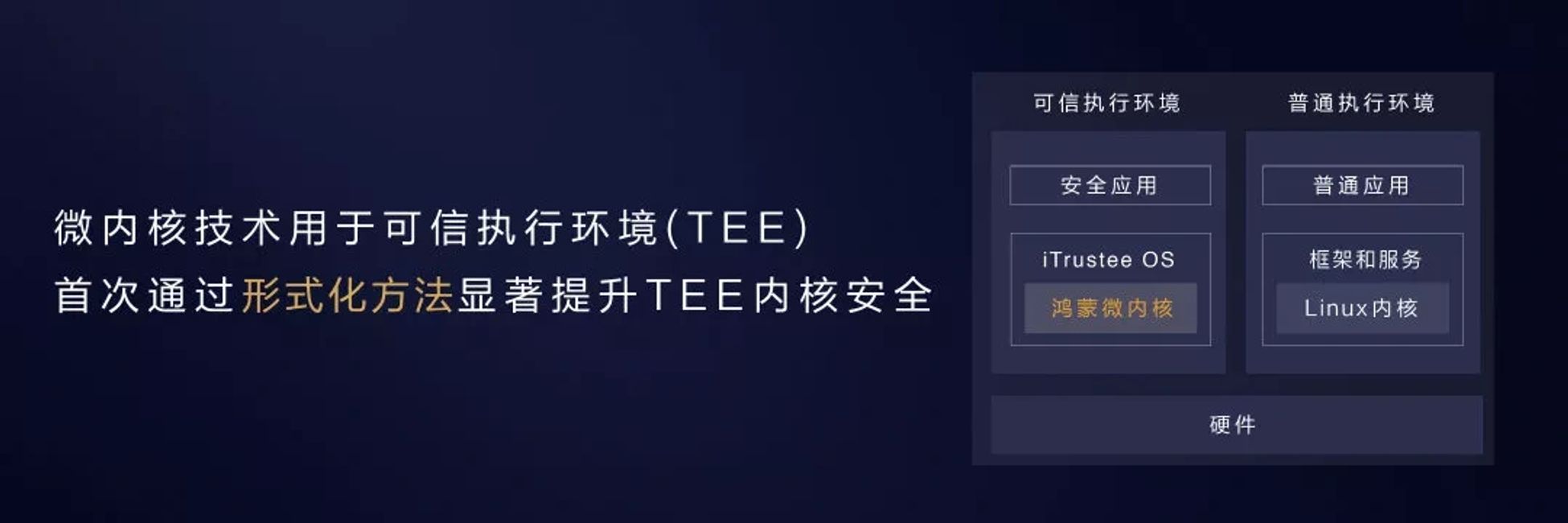
Он рассчитан на разработчиков и исследователей, которых интересуют архитектура HarmonyOS, драйверы, SDK и экосистема, так как в нём есть ссылки на компиляторы, IDE, наборы драйверов и техническую документацию.Чем HarmonyOS архитектурно отличается от Android или Linux?HarmonyOS построена на микроядре: объём кода ядра составляет примерно одну тысячную от объёма монолитного ядра Linux, что уменьшает поверхность атаки. Движок детерминированной задержки и высокопроизводительное IPC (в 5 раз эффективнее существующих систем) сокращают задержку отклика приложений на 25,7%.
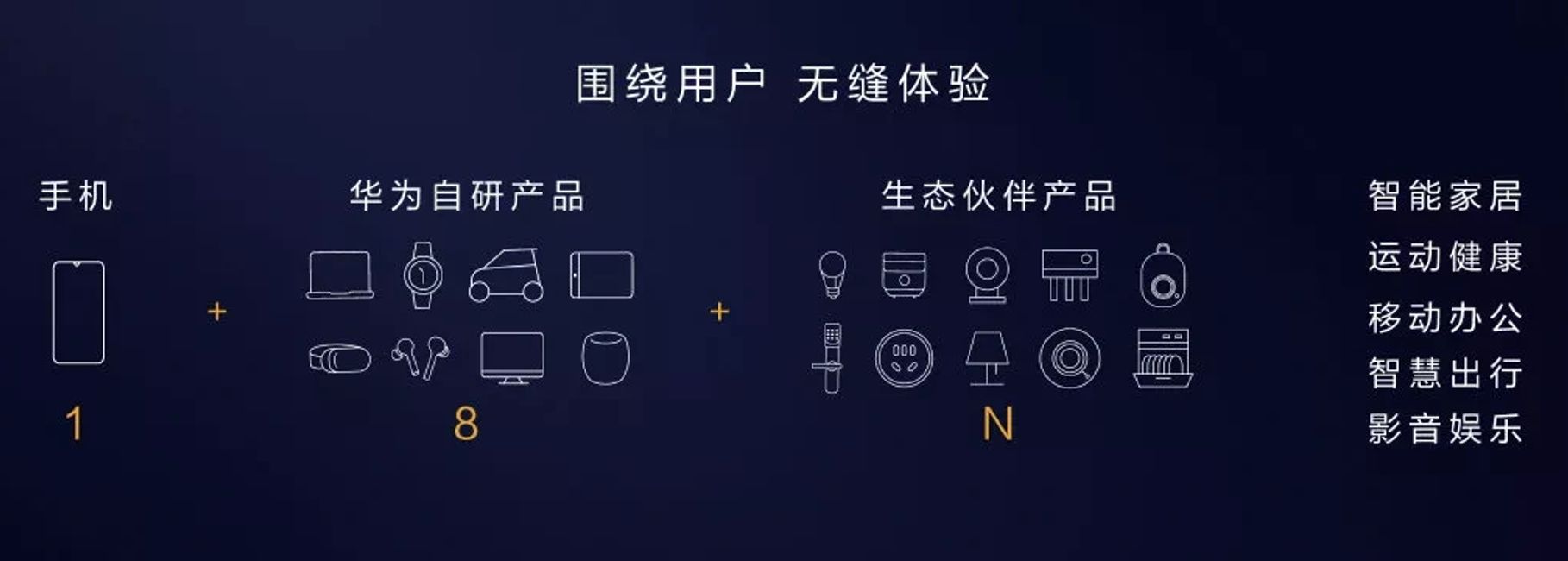
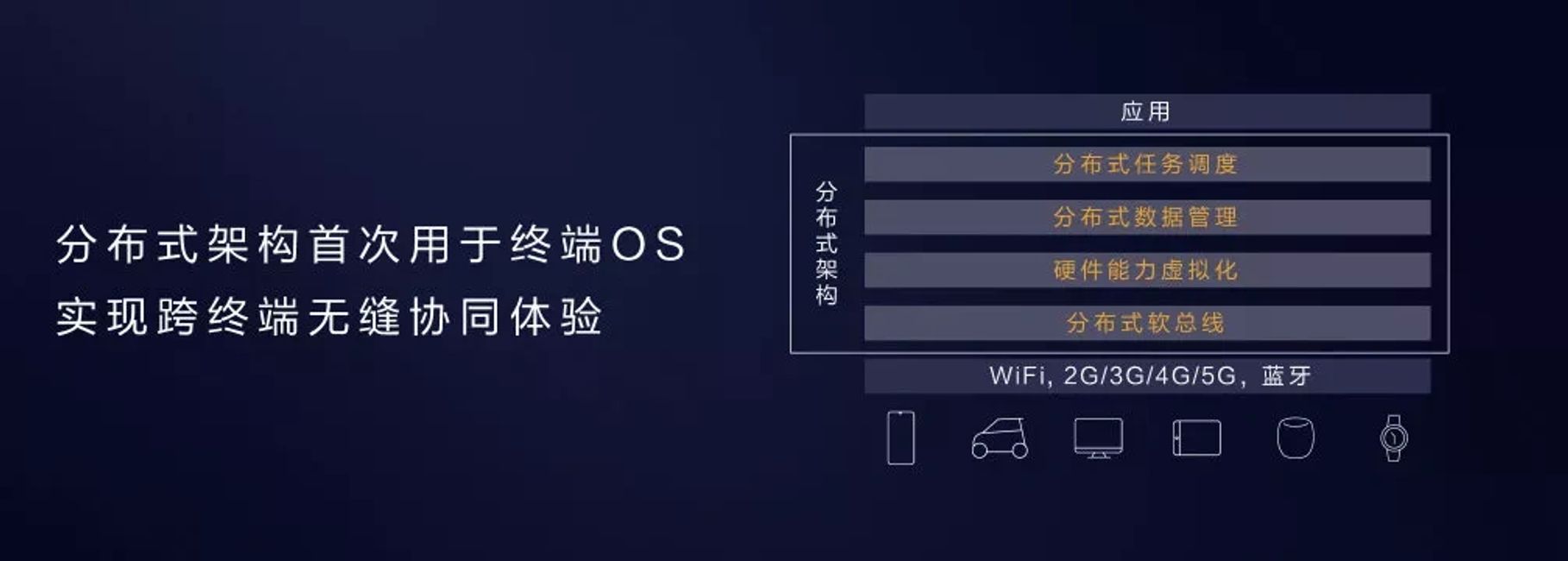
HarmonyOS построена на микроядре: объём кода ядра составляет примерно одну тысячную от объёма монолитного ядра Linux, что уменьшает поверхность атаки. Движок детерминированной задержки и высокопроизводительное IPC (в 5 раз эффективнее существующих систем) сокращают задержку отклика приложений на 25,7%.Что такое технология распределённой программной шины (distributed soft bus)?Это технология, на которой держится распределённая архитектура HarmonyOS. Она избавляет разработчиков от сложностей связи между устройствами и предоставляет общую коммуникацию, управление распределёнными данными, распределённое планирование возможностей и виртуальные периферийные устройства, благодаря чему приложения работают на нескольких устройствах без разрывов.
Это технология, на которой держится распределённая архитектура HarmonyOS. Она избавляет разработчиков от сложностей связи между устройствами и предоставляет общую коммуникацию, управление распределёнными данными, распределённое планирование возможностей и виртуальные периферийные устройства, благодаря чему приложения работают на нескольких устройствах без разрывов.Когда HarmonyOS была впервые представлена и какое устройство first стало на ней работать?Huawei официально представила HarmonyOS на конференции HDC 9 августа 2019 года. Первым продуктом с этой системой стал Honor Smart Screen.
Huawei официально представила HarmonyOS на конференции HDC 9 августа 2019 года. Первым продуктом с этой системой стал Honor Smart Screen.Что такое Ark Compiler от Huawei, о котором упоминается в ресурсах?Ark Compiler — это статический компилятор Huawei, призванный заменить модель виртуальной машины Android. Он компилирует код высокого уровня напрямую в машинный код. По заявлению Huawei, он повышает плавность работы приложений Android на 24% и скорость отклика на 44%.
Ark Compiler — это статический компилятор Huawei, призванный заменить модель виртуальной машины Android. Он компилирует код высокого уровня напрямую в машинный код. По заявлению Huawei, он повышает плавность работы приложений Android на 24% и скорость отклика на 44%.What are similar projects?awesome-raspberry-pi, awesome-design-patterns, flash-linux0.11-talk, awesome-esp32, awesome-lowcode, architecture.of.internet-product, SwiftGuide, openwrt
awesome-raspberry-pi, awesome-design-patterns, flash-linux0.11-talk, awesome-esp32, awesome-lowcode, architecture.of.internet-product, SwiftGuide, openwrtWhich topics is it in?harmonyos, os, operating-system, kernel, iot, architecture, embedded, hardware, awesome, c, learning-resources, china
harmonyos, os, operating-system, kernel, iot, architecture, embedded, hardware, awesome, c, learning-resources, china