
What is this?
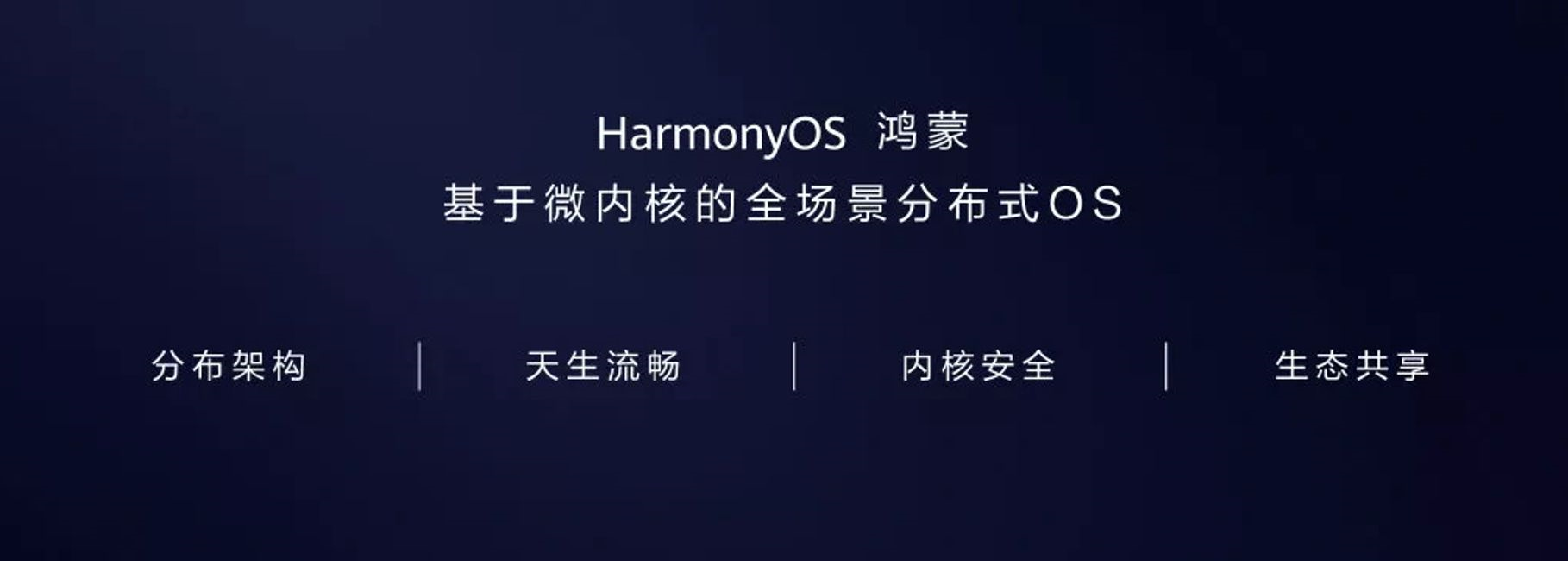
 This is a curated list of resources about HarmonyOS, the microkernel-based distributed operating system developed by Huawei. It aggregates official docs, architecture references, developer tools, drivers, books, and videos about the OS rather than being the OS itself.
Is this the actual operating system or just a list of links about it?It's just a curated list/index of links and resources about HarmonyOS — official sites, docs, SDKs, drivers, books, videos — not the OS source code or an installable package.
It's just a curated list/index of links and resources about HarmonyOS — official sites, docs, SDKs, drivers, books, videos — not the OS source code or an installable package.How is the list organized?It's organized into numbered sections: what HarmonyOS is, development history timeline, core features, and then resources split into official resources, downloads, architecture references, hardware drivers, developer tools (compiler/SDK/IDE), community, books, products, and videos.
It's organized into numbered sections: what HarmonyOS is, development history timeline, core features, and then resources split into official resources, downloads, architecture references, hardware drivers, developer tools (compiler/SDK/IDE), community, books, products, and videos.Where should a beginner start?A newcomer should start with the 'What is HarmonyOS?' section explaining the distributed microkernel architecture, then move to the Official Resources and Documentation links for hands-on material.
A newcomer should start with the 'What is HarmonyOS?' section explaining the distributed microkernel architecture, then move to the Official Resources and Documentation links for hands-on material.Is this an official Huawei project?No — it explicitly states it's unofficial, just a collection of publicly available documents about HarmonyOS, not a commercial or Huawei-backed effort.
No — it explicitly states it's unofficial, just a collection of publicly available documents about HarmonyOS, not a commercial or Huawei-backed effort.Who is this list useful for?It's aimed at developers and researchers curious about HarmonyOS's architecture, drivers, SDKs, and ecosystem, since it links to compiler tools, IDEs, driver kits, and technical documentation.
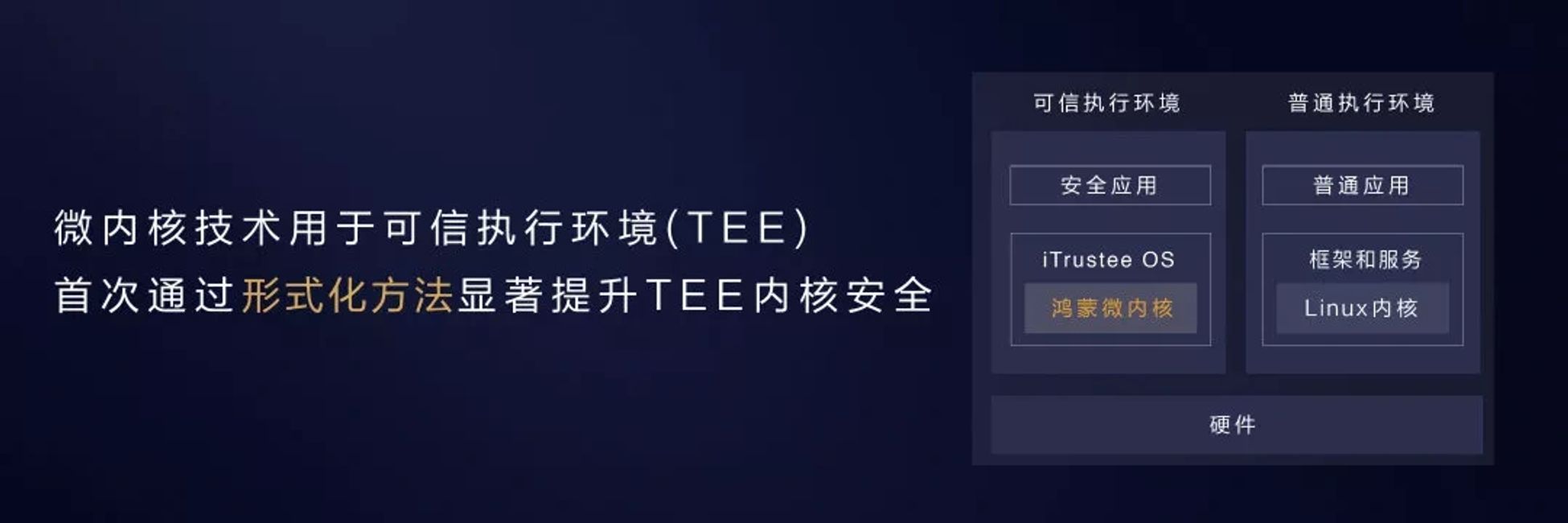
It's aimed at developers and researchers curious about HarmonyOS's architecture, drivers, SDKs, and ecosystem, since it links to compiler tools, IDEs, driver kits, and technical documentation.What makes HarmonyOS architecturally different from Android or Linux?HarmonyOS uses a microkernel design where the kernel code is only about one-thousandth the size of a Linux macro-kernel, reducing attack surface, and it uses a deterministic latency engine plus high-performance IPC (5x more efficient than existing systems) to cut application response delay by 25.7%.
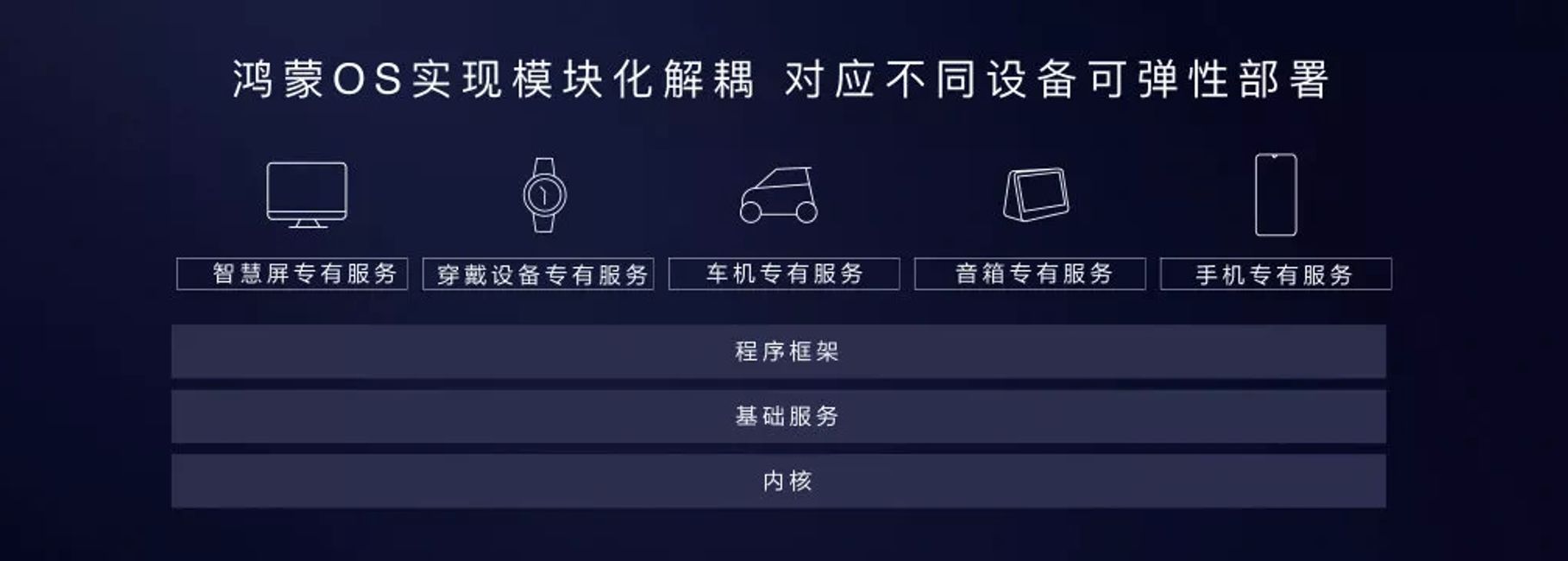
HarmonyOS uses a microkernel design where the kernel code is only about one-thousandth the size of a Linux macro-kernel, reducing attack surface, and it uses a deterministic latency engine plus high-performance IPC (5x more efficient than existing systems) to cut application response delay by 25.7%.What is distributed soft bus technology?It is the technology behind HarmonyOS's distributed architecture that shields developers from the complexity of cross-device communication, providing public communication, distributed data management, distributed capability scheduling, and virtual peripherals so apps can run seamlessly across multiple terminals.
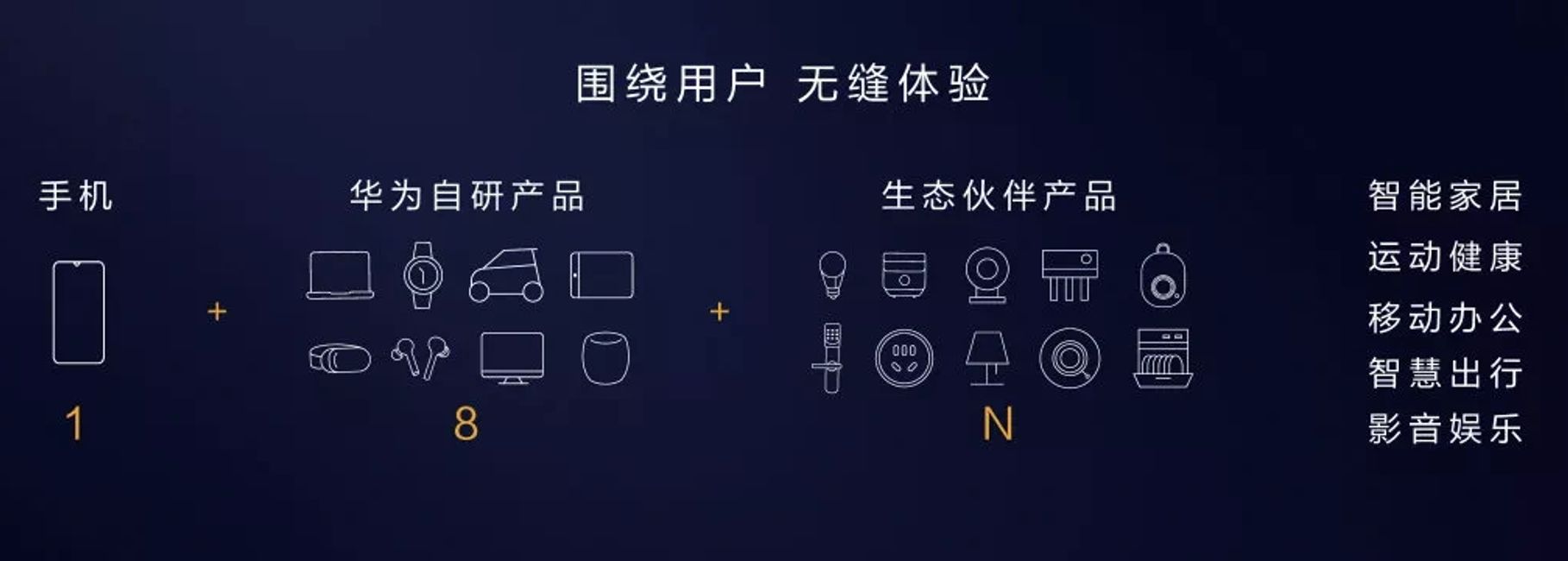
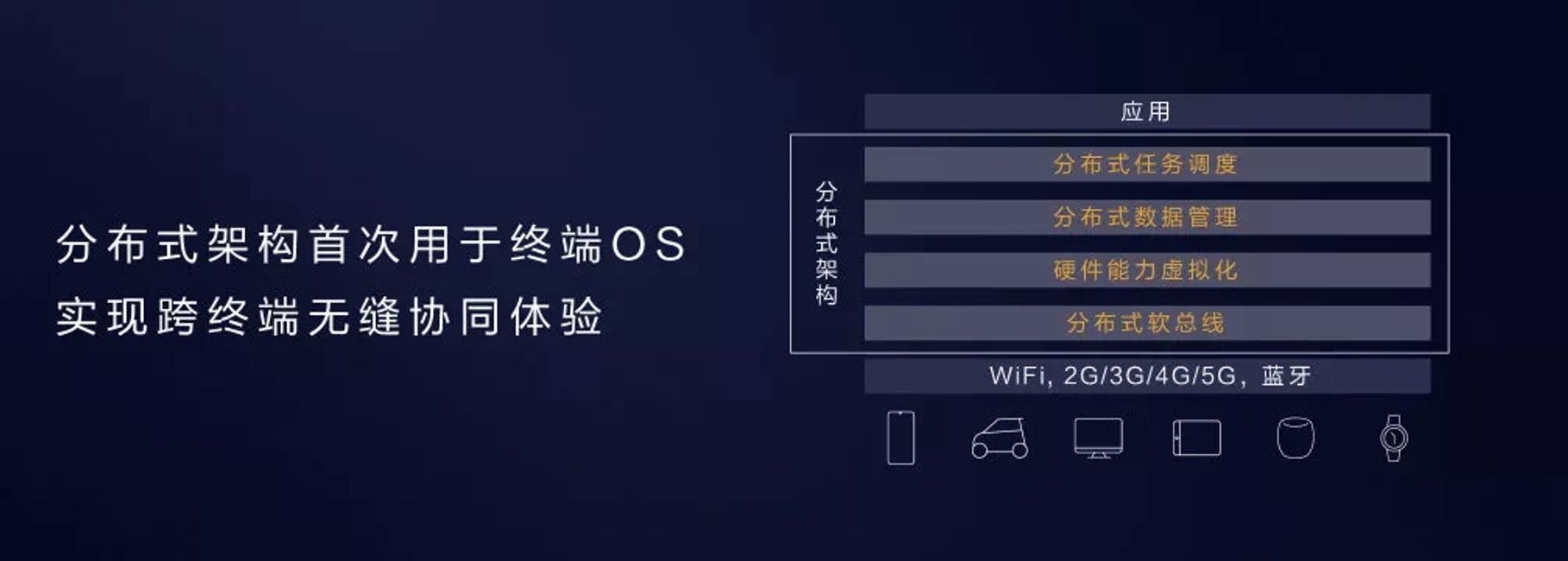
It is the technology behind HarmonyOS's distributed architecture that shields developers from the complexity of cross-device communication, providing public communication, distributed data management, distributed capability scheduling, and virtual peripherals so apps can run seamlessly across multiple terminals.When was HarmonyOS first announced and what was the first device to use it?HarmonyOS was officially unveiled by Huawei at HDC on August 9, 2019, and the Honor Smart Screen was the first product shipped with it.
HarmonyOS was officially unveiled by Huawei at HDC on August 9, 2019, and the Honor Smart Screen was the first product shipped with it.What is the Huawei Ark Compiler mentioned in the resources?Ark Compiler is Huawei's static compiler designed to replace the Android virtual machine model, compiling high-level code directly to machine code; it is said to improve Android app runtime fluency by 24% and response speed by 44%.
Ark Compiler is Huawei's static compiler designed to replace the Android virtual machine model, compiling high-level code directly to machine code; it is said to improve Android app runtime fluency by 24% and response speed by 44%.What are similar projects?awesome-raspberry-pi, awesome-design-patterns, flash-linux0.11-talk, awesome-esp32, awesome-lowcode, architecture.of.internet-product, SwiftGuide, openwrt
awesome-raspberry-pi, awesome-design-patterns, flash-linux0.11-talk, awesome-esp32, awesome-lowcode, architecture.of.internet-product, SwiftGuide, openwrtWhich topics is it in?harmonyos, os, operating-system, kernel, iot, architecture, embedded, hardware, awesome, c, learning-resources, china
harmonyos, os, operating-system, kernel, iot, architecture, embedded, hardware, awesome, c, learning-resources, china