Topics / #prompt-caching
Prompt-caching projects on GitHub
Caching LLM prompt prefixes to cut latency and token costs
As of , the most-starred Prompt-caching projects on GitHub are DeepSeek-Reasonix (35.8K stars), pxpipe (7.5K stars) and OpenExecutive (5.6K stars). GitHub.Locker tracks 5 Prompt-caching repositories with 58.7K stars combined. The fastest-growing on October 16 was cost-xray, with +206 stars in a day.
Hot right now
Most stars gained in a day · Oct 16
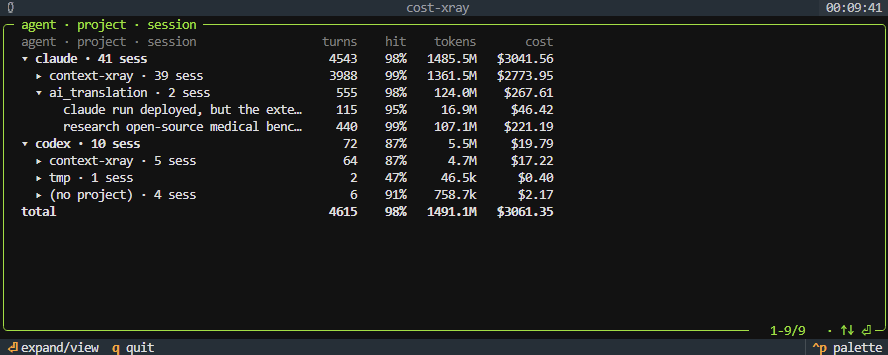 +206
+206cost-xray
tigerless-labs/cost-xray · ★ 5.4Kcost-xray is a local tool that captures the raw API traffic between Claude Code or Codex and their providers, then breaks down exactly what's in each request and what each part costs — system prompts, tool schemas, MCP blocks, cached vs fresh tokens, and more.
 +20
+20DeepSeek-Reasonix
esengine/DeepSeek-Reasonix · ★ 35.8KReasonix is a coding agent for complex software engineering tasks, built as a single local engine that you access through a terminal, desktop app, browser, or your editor via ACP.
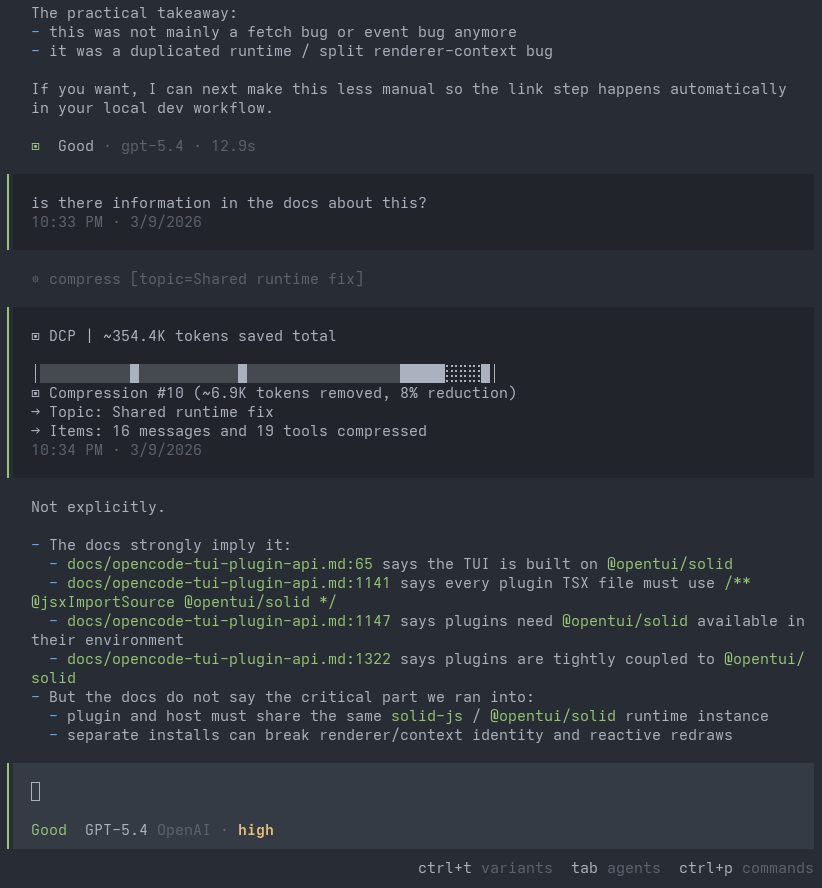 +8
+8opencode-dynamic-context-pruning
Tarquinen/opencode-dynamic-context-pruning · ★ 4.4KDynamic Context Pruning (DCP) is a plugin for OpenCode that automatically cuts token usage by intelligently managing conversation context — compressing stale history into summaries, deduplicating repeated tool calls, and purging failed tool-call inputs.
 +3
+3pxpipe
teamchong/pxpipe · ★ 7.5Kpxpipe is a local proxy that cuts Claude Code's (and other LLM clients') input token usage by rendering bulky context — system prompts, tool docs, and conversation history — as compact PNG images instead of raw text, since an image's token cost depends on its pixel size, not the amount of text packed into it.
The all-time top
5 projects · by stars
- 35.8K#1 · esengine/DeepSeek-Reasonix
DeepSeek-Reasonix
Reasonix is a coding agent for complex software engineering tasks, built as a single local engine that you access through a terminal, desktop app, browser, or your editor via ACP.
- 7.5K#2 · teamchong/pxpipe
pxpipe
pxpipe is a local proxy that cuts Claude Code's (and other LLM clients') input token usage by rendering bulky context — system prompts, tool docs, and conversation history — as compact PNG images instead of raw text, since an image's token cost depends on its pixel size, not the amount of text packed into it.
- 5.6K
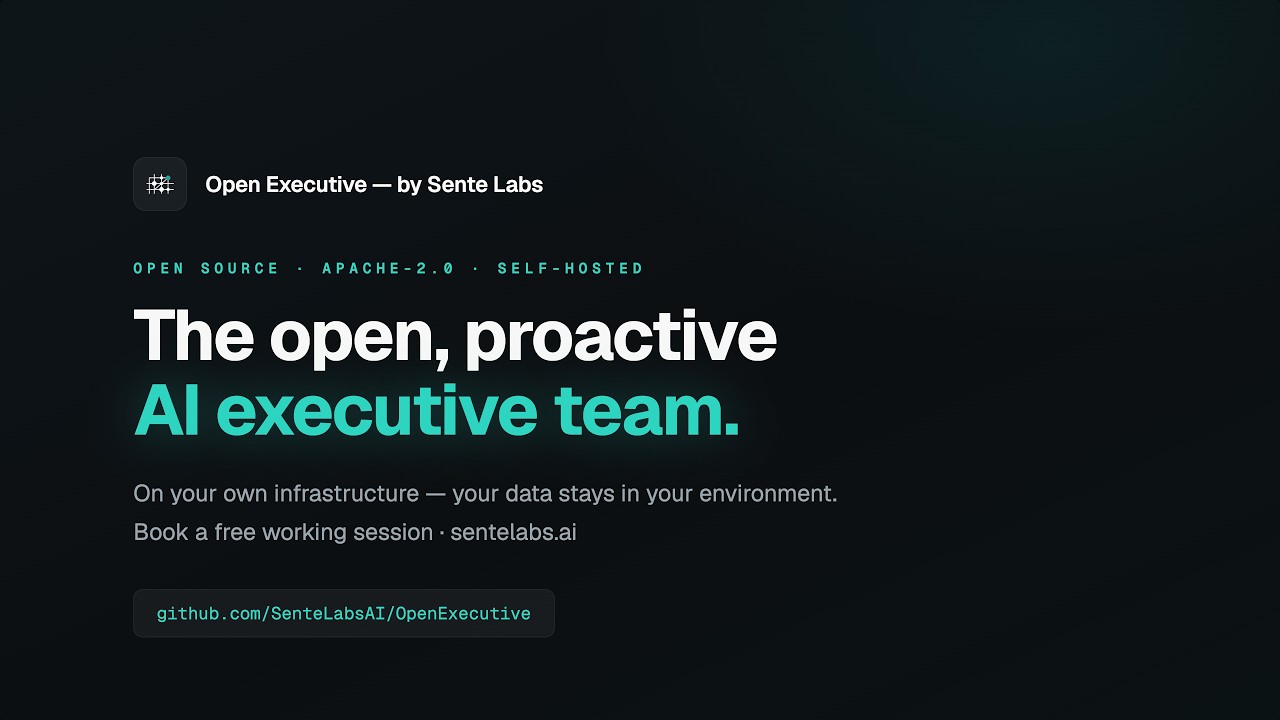 #3 · SenteLabsAI/OpenExecutive
OpenExecutive
Open Executive is an AI system that acts as a company's virtual executive team — presented as one senior advisor with Harvard MBA-level knowledge, backed by eight specialist agents (CSO, CFO, HR, General Counsel, COO, CMO, CPO, Board Communications).
- 4
cost-xray
5.4Ktigerless-labs/cost-xray · Pythoncost-xray is a local tool that captures the raw API traffic between Claude Code or Codex and their providers, then breaks down exactly what's in each request and what each part costs — system prompts, tool schemas, MCP blocks, cached vs fresh tokens, and more.
- 5
opencode-dynamic-context-pruning
4.4KTarquinen/opencode-dynamic-context-pruning · TypeScriptDynamic Context Pruning (DCP) is a plugin for OpenCode that automatically cuts token usage by intelligently managing conversation context — compressing stale history into summaries, deduplicating repeated tool calls, and purging failed tool-call inputs.
Related topics
Often tagged together