What is this?
 A short cheat sheet of practical tips and tricks for training Generative Adversarial Networks (GANs), originally put together as a handout from the 'How to Train a GAN?' session at NIPS 2016.
Is this a tool or just a reference list?It's a plain markdown document, not software — a numbered list of 17 tricks covering things like normalization, loss tweaks, label smoothing, and optimizer choice, with no code to run or install.
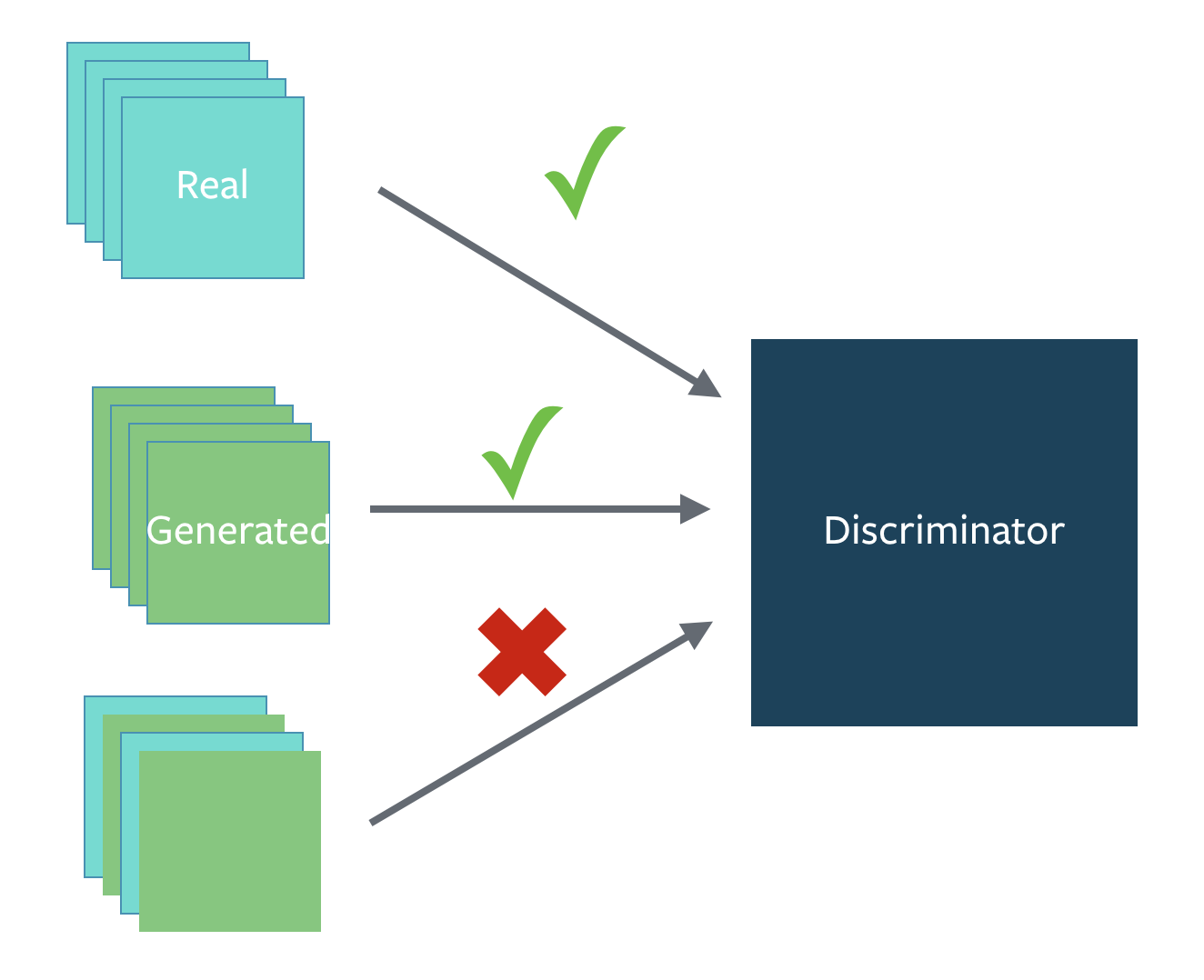
It's a plain markdown document, not software — a numbered list of 17 tricks covering things like normalization, loss tweaks, label smoothing, and optimizer choice, with no code to run or install.How is the list organized?The tricks are numbered 1 through 17, each a short, standalone technique such as batch normalization, using a spherical Z, soft/noisy labels, DCGAN, Adam optimizer, or tracking failures early, with references to the papers they come from.
The tricks are numbered 1 through 17, each a short, standalone technique such as batch normalization, using a spherical Z, soft/noisy labels, DCGAN, Adam optimizer, or tracking failures early, with references to the papers they come from.Is this still actively maintained?No — the README itself warns it hasn't been updated since the original 2016 talk and the author isn't even sure how relevant the tricks still are as of 2020.
No — the README itself warns it hasn't been updated since the original 2016 talk and the author isn't even sure how relevant the tricks still are as of 2020.Does it recommend a specific GAN architecture to start with?Yes, it suggests using DCGAN whenever possible since it works reliably, and falling back to a hybrid like KL+GAN or VAE+GAN if DCGAN isn't stable for your case.
Yes, it suggests using DCGAN whenever possible since it works reliably, and falling back to a hybrid like KL+GAN or VAE+GAN if DCGAN isn't stable for your case.Which optimizer does it suggest?Adam for the generator, with SGD for the discriminator offered as an alternative combination.
Adam for the generator, with SGD for the discriminator offered as an alternative combination.Who compiled this list?It was put together by Soumith Chintala, Emily Denton, Martin Arjovsky, and Michael Mathieu.
It was put together by Soumith Chintala, Emily Denton, Martin Arjovsky, and Michael Mathieu.What are similar projects?annotated_deep_learning_paper_implementations, pytorch-tutorial, DeepLearning, lama, the-gan-zoo, Machine-Learning-Tutorials, pix2pix, PyTorch-GAN
annotated_deep_learning_paper_implementations, pytorch-tutorial, DeepLearning, lama, the-gan-zoo, Machine-Learning-Tutorials, pix2pix, PyTorch-GANWhich topics is it in?deep-learning-tutorial, generative-adversarial-network, gan, neural-networks, cheatsheet, best-practices, academic-research, generative-ai, guide, pytorch, list, markdown
deep-learning-tutorial, generative-adversarial-network, gan, neural-networks, cheatsheet, best-practices, academic-research, generative-ai, guide, pytorch, list, markdown