
What is this?
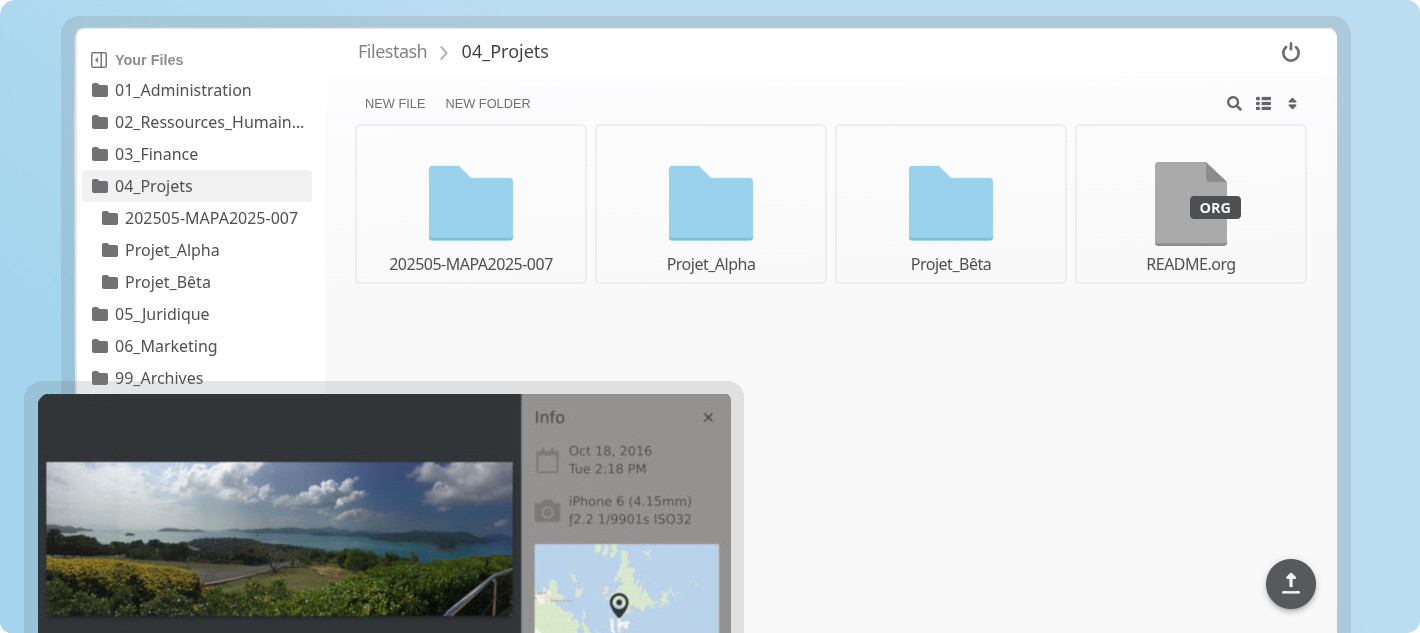
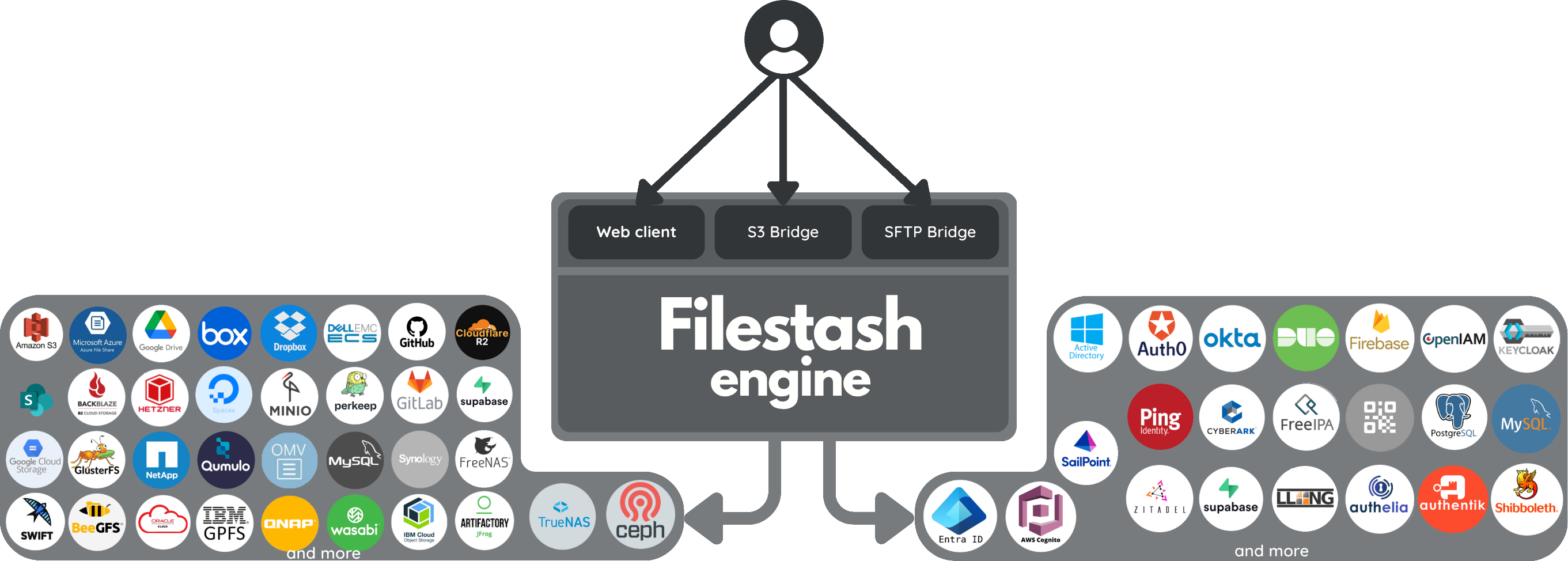
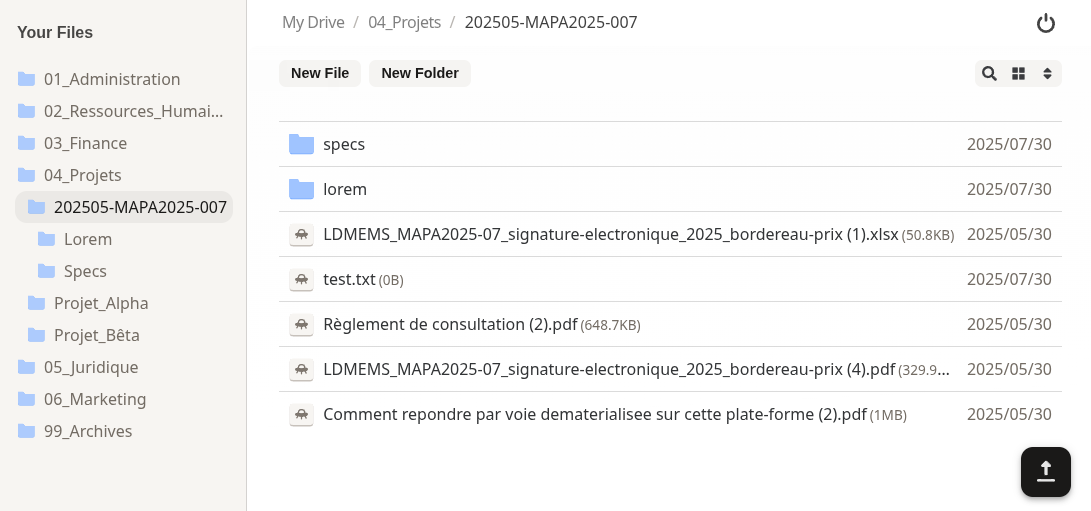
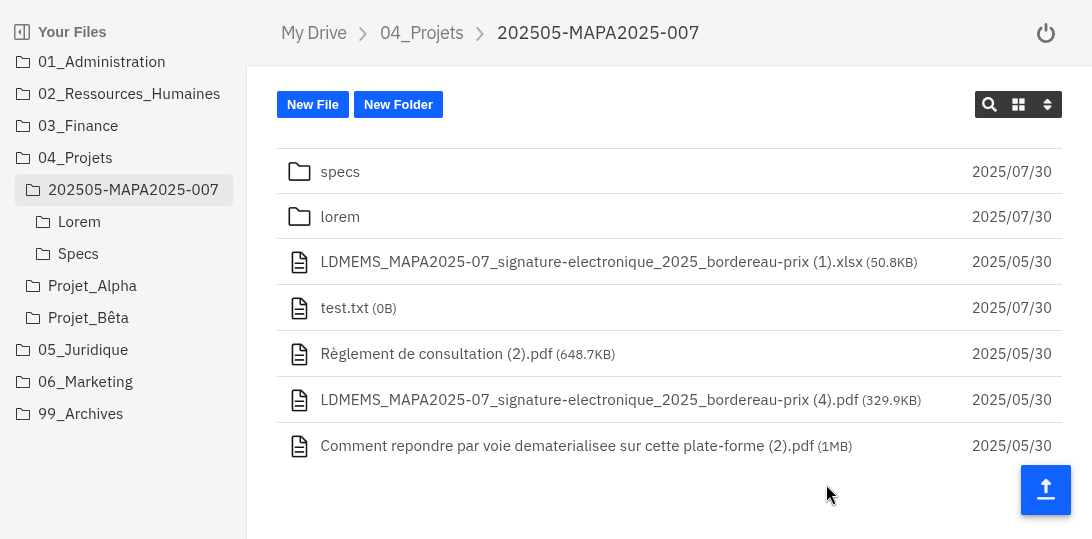
 Filestash is a storage-agnostic, Dropbox-like file manager that speaks nearly every storage protocol (S3, FTP, SFTP, WebDAV, SMB, NFS, Git, IPFS, Dropbox, Azure, SharePoint and more), so you get one file browser for all your backends.
Filestash is a storage-agnostic, Dropbox-like file manager that speaks nearly every storage protocol (S3, FTP, SFTP, WebDAV, SMB, NFS, Git, IPFS, Dropbox, Azure, SharePoint and more), so you get one file browser for all your backends.Is this just a web file manager, or something bigger?It is three products in one: a web client you use from the browser, a native client to sync files to your device, and gateways that expose your storage over other protocols.
It is three products in one: a web client you use from the browser, a native client to sync files to your device, and gateways that expose your storage over other protocols.How do I get it running?You deploy it yourself as a self-hosted server by following the official Getting Started guide; there is no hosted SaaS version described.
You deploy it yourself as a self-hosted server by following the official Getting Started guide; there is no hosted SaaS version described.Do I need to know Go to extend it with plugins?Not necessarily. Compiled Go plugins are the historical path, but you can also drop in runtime plugins as a zip containing WASM, without recompiling the server.
Not necessarily. Compiled Go plugins are the historical path, but you can also drop in runtime plugins as a zip containing WASM, without recompiling the server.Can an installed plugin do whatever it wants with my server?No. Runtime plugins execute inside a locked-down WASM VM with no declared network access, so installing one doesn't automatically grant it full trust.
No. Runtime plugins execute inside a locked-down WASM VM with no declared network access, so installing one doesn't automatically grant it full trust.What storage backends can I connect to?S3, FTP, SFTP, WebDAV, SMB, NFS, Git, IPFS, Dropbox, Azure and SharePoint are among the officially listed backends, since the storage layer is just one of the plugin interfaces.
S3, FTP, SFTP, WebDAV, SMB, NFS, Git, IPFS, Dropbox, Azure and SharePoint are among the officially listed backends, since the storage layer is just one of the plugin interfaces.Why build a new file manager instead of just using Dropbox?The project's philosophy is that 'anything that's not a fundamental truth of the universe lives in a plugin', keeping the core lean while letting you connect to whatever storage you already use instead of being locked to one vendor.
The project's philosophy is that 'anything that's not a fundamental truth of the universe lives in a plugin', keeping the core lean while letting you connect to whatever storage you already use instead of being locked to one vendor.What else can it do besides browsing files?Beyond browsing, it supports versioning, audit logs, antivirus scanning, quotas, chat, Chromecast casting, on-demand video transcoding, and mounting shared links as a network drive.
Beyond browsing, it supports versioning, audit logs, antivirus scanning, quotas, chat, Chromecast casting, on-demand video transcoding, and mounting shared links as a network drive.What is the plugin marketplace?It's a catalog of ready-made plugins and file apps (viewers for formats like SVG, themed UIs, AI/OCR features, etc.) that you can install without writing any code yourself.
It's a catalog of ready-made plugins and file apps (viewers for formats like SVG, themed UIs, AI/OCR features, etc.) that you can install without writing any code yourself.Which topics is it in?archiving, dropbox, ipfs, ftp, sftp, webdav, cloud-storage, file-manager, file-sharing, azure, s3, storage
archiving, dropbox, ipfs, ftp, sftp, webdav, cloud-storage, file-manager, file-sharing, azure, s3, storage