


Что это такое?
 Instant — это бэкенд как сервис. Он даёт клиентским приложениям реляционную базу данных с многопользовательским режимом по умолчанию, а также авторизацию, права доступа, хранение файлов, presence и потоки данных в реальном времени. Всё это уже встроено, поэтому традиционный бэкенд писать не нужно.
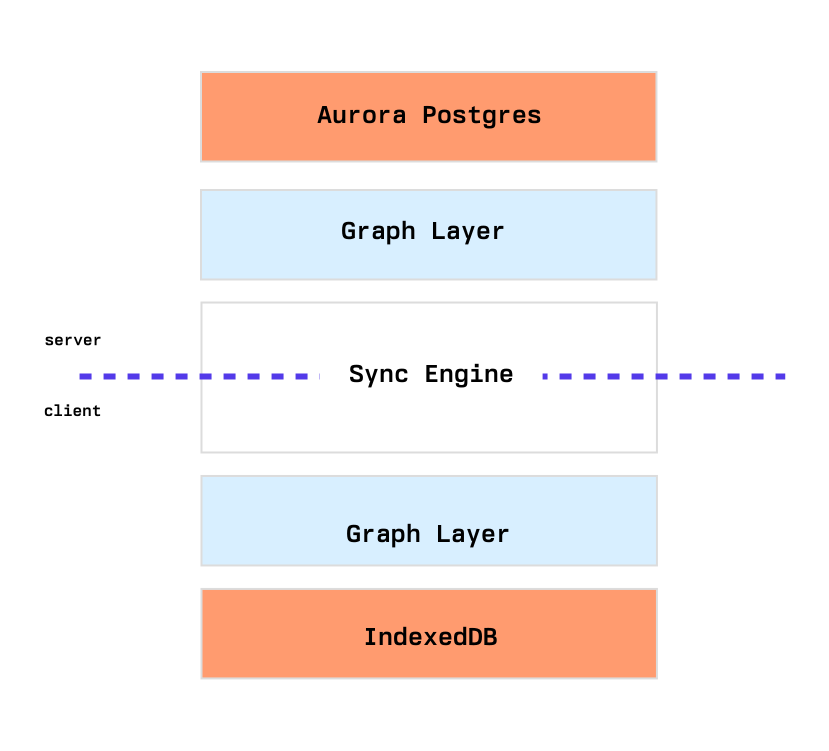
Instant — это бэкенд как сервис. Он даёт клиентским приложениям реляционную базу данных с многопользовательским режимом по умолчанию, а также авторизацию, права доступа, хранение файлов, presence и потоки данных в реальном времени. Всё это уже встроено, поэтому традиционный бэкенд писать не нужно.Это библиотека, которую я устанавливаю, или хостируемый сервис?И то, и другое: вы подключаете небольшие клиентские SDK (JS, React, React Native), чтобы писать запросы InstaQL прямо в приложении, а сами данные хранятся в размещённой многопользовательской базе Postgres и на сервере синхронизации Instant. Серверный код запускать не нужно.
И то, и другое: вы подключаете небольшие клиентские SDK (JS, React, React Native), чтобы писать запросы InstaQL прямо в приложении, а сами данные хранятся в размещённой многопользовательской базе Postgres и на сервере синхронизации Instant. Серверный код запускать не нужно.Как начать работу с Instant?Зарегистрируйтесь на instantdb.com: примерно за 5 минут можно запустить рабочее приложение, без самостоятельной настройки базы данных или бэкенда.
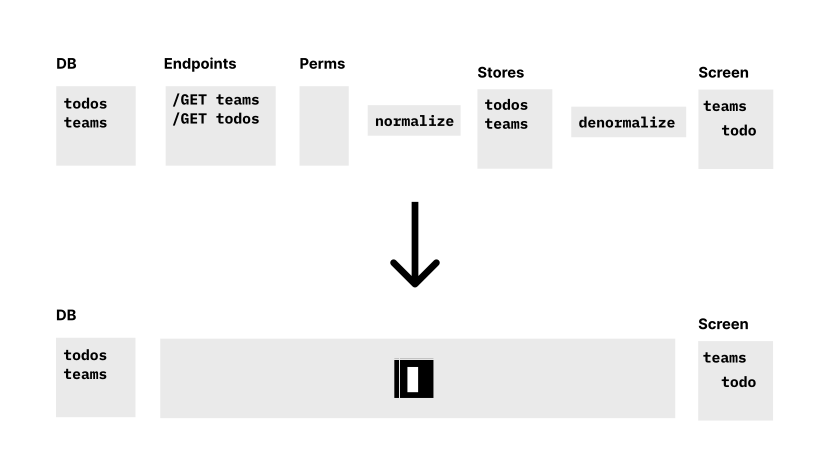
Зарегистрируйтесь на instantdb.com: примерно за 5 минут можно запустить рабочее приложение, без самостоятельной настройки базы данных или бэкенда.Нужно ли мне сначала самому настраивать базу данных или эндпоинты?Нет. Instant заменяет привычную связку «база данных + ORM + эндпоинты»: вы просто пишете запросы InstaQL на клиенте, а Instant сам занимается получением данных, проверкой прав и кешированием.
Нет. Instant заменяет привычную связку «база данных + ORM + эндпоинты»: вы просто пишете запросы InstaQL на клиенте, а Instant сам занимается получением данных, проверкой прав и кешированием.Могу ли я развернуть Instant у себя, вместо instantdb.com?Путь, описанный в README, — это размещённый сервис. Самостоятельное развёртывание упоминается только как настройка для контрибьюторов (чтение README клиента и сервера, чтобы запустить Instant локально), а не как готовый вариант развёртывания.
Путь, описанный в README, — это размещённый сервис. Самостоятельное развёртывание упоминается только как настройка для контрибьюторов (чтение README клиента и сервера, чтобы запустить Instant локально), а не как готовый вариант развёртывания.Где на самом деле хранятся данные моего приложения?Ваши данные хранятся в виде триплетов в одной большой многопользовательской базе Postgres, которой управляет Instant. На ней же работает их постоянно доступный бесплатный тариф.
Ваши данные хранятся в виде триплетов в одной большой многопользовательской базе Postgres, которой управляет Instant. На ней же работает их постоянно доступный бесплатный тариф.Что такое InstaQL?InstaQL — это реляционный язык запросов Instant. По духу он похож на GraphQL и позволяет на клиенте описать точную структуру нужных данных.
InstaQL — это реляционный язык запросов Instant. По духу он похож на GraphQL и позволяет на клиенте описать точную структуру нужных данных.Работает ли Instant офлайн и с оптимистичными обновлениями?Да. Клиентский SDK сохраняет кеш недавних запросов (IndexedDB в вебе, AsyncStorage в React Native) и автоматически обрабатывает оптимистичные обновления и откаты при изменении данных.
Да. Клиентский SDK сохраняет кеш недавних запросов (IndexedDB в вебе, AsyncStorage в React Native) и автоматически обрабатывает оптимистичные обновления и откаты при изменении данных.Для чего нужны presence и эфемерные обновления?Они нужны для лёгких многопользовательских функций, например живых курсоров или индикаторов «кто сейчас в сети». Работают они отдельно от запросов к сохранённым данным.
Они нужны для лёгких многопользовательских функций, например живых курсоров или индикаторов «кто сейчас в сети». Работают они отдельно от запросов к сохранённым данным.Почему команда создала базу данных для клиента, а не обычный бэкенд?Команда обнаружила, что большинство проблем при создании приложений (сторы, селекторы, эндпоинты) по сути являются проблемами базы данных. Поэтому Instant помещает многопользовательскую базу с возможностью отката прямо в клиент, вместо того чтобы заставлять писать серверный стек.
Команда обнаружила, что большинство проблем при создании приложений (сторы, селекторы, эндпоинты) по сути являются проблемами базы данных. Поэтому Instant помещает многопользовательскую базу с возможностью отката прямо в клиент, вместо того чтобы заставлять писать серверный стек.What are similar projects?appwrite, parse-server, electric, WatermelonDB, gun, InsForge, rxdb, feathers
appwrite, parse-server, electric, WatermelonDB, gun, InsForge, rxdb, feathersWhich topics is it in?backend-as-a-service, sync, graphql, offline-first, react-native, websocket, real-time, authentication, postgresql, sdk, local-first, backend
backend-as-a-service, sync, graphql, offline-first, react-native, websocket, real-time, authentication, postgresql, sdk, local-first, backend