


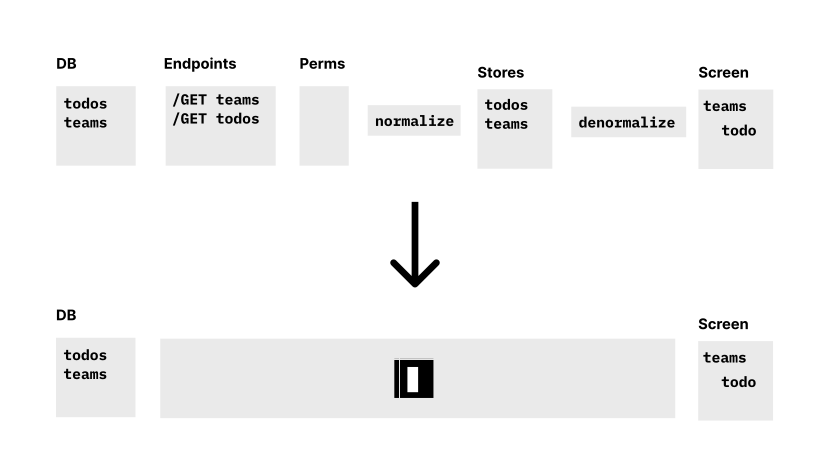
What is this?
 Instant is a backend-as-a-service that gives client apps a relational, multiplayer-by-default database with auth, permissions, file storage, presence, and real-time streams built in, so you skip writing a traditional backend.
Is this a library I install, or a hosted service?Both: you use small client SDKs (JS, React, React Native) to write InstaQL queries right in your app, while the actual data lives in Instant's hosted, multi-tenant Postgres and sync server — there is no server code for you to run.
Both: you use small client SDKs (JS, React, React Native) to write InstaQL queries right in your app, while the actual data lives in Instant's hosted, multi-tenant Postgres and sync server — there is no server code for you to run.How do I get started with Instant?Sign up at instantdb.com — you can have a functional app running in about 5 minutes, with no database or backend to provision yourself.
Sign up at instantdb.com — you can have a functional app running in about 5 minutes, with no database or backend to provision yourself.Do I need to set up my own database or endpoints first?No. Instant replaces the usual database-plus-ORM-plus-endpoints stack; you just write InstaQL queries from the client and Instant handles fetching, permission checks, and caching for you.
No. Instant replaces the usual database-plus-ORM-plus-endpoints stack; you just write InstaQL queries from the client and Instant handles fetching, permission checks, and caching for you.Can I self-host Instant instead of using instantdb.com?The README's documented path is the hosted service; self-hosting is covered only as a contributor setup (reading the client/server READMEs to run Instant locally), not as a polished turnkey deployment option.
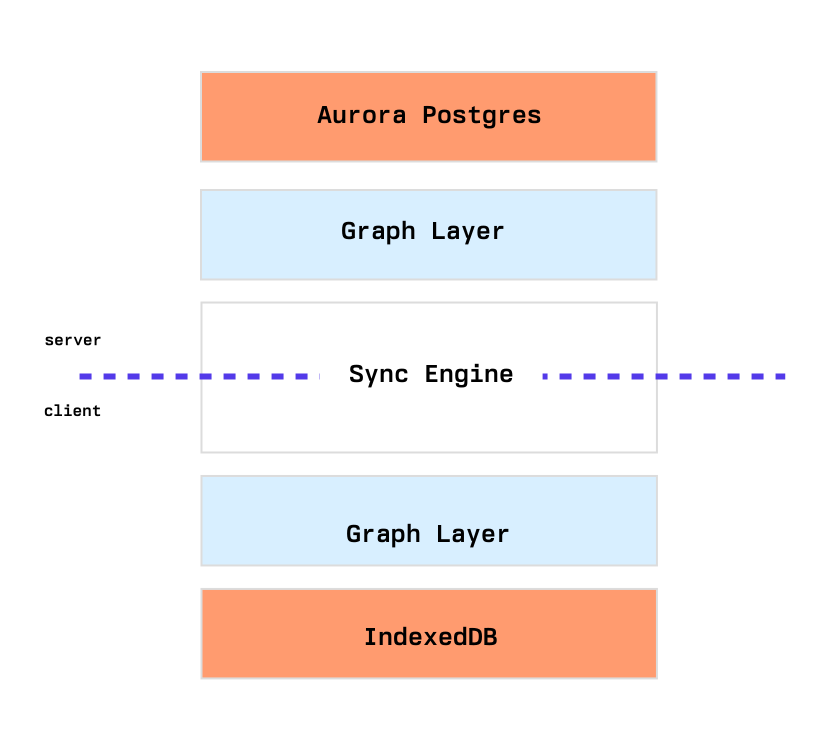
The README's documented path is the hosted service; self-hosting is covered only as a contributor setup (reading the client/server READMEs to run Instant locally), not as a polished turnkey deployment option.Where does my app's data actually live?Your data is stored as triples in one big, multi-tenant Postgres database run by Instant, which also powers their always-on free tier.
Your data is stored as triples in one big, multi-tenant Postgres database run by Instant, which also powers their always-on free tier.What is InstaQL?InstaQL is Instant's relational query language, similar in spirit to GraphQL, used to describe exactly the shape of data you want from the client.
InstaQL is Instant's relational query language, similar in spirit to GraphQL, used to describe exactly the shape of data you want from the client.Does Instant work offline with optimistic updates?Yes. The client SDK persists a cache of recent queries (IndexedDB on web, AsyncStorage on React Native) and handles optimistic updates and rollbacks automatically when you mutate data.
Yes. The client SDK persists a cache of recent queries (IndexedDB on web, AsyncStorage on React Native) and handles optimistic updates and rollbacks automatically when you mutate data.What are presence and ephemeral updates for?They power lightweight multiplayer features like live cursors or 'who's online' indicators, separate from Instant's persisted-data queries.
They power lightweight multiplayer features like live cursors or 'who's online' indicators, separate from Instant's persisted-data queries.Why did the team build a client-usable database instead of a normal backend?They found that most app-building pain (stores, selectors, endpoints) is really a database problem in disguise, so Instant puts a multiplayer-by-default, rollback-capable database directly in the client instead of making you write a server stack.
They found that most app-building pain (stores, selectors, endpoints) is really a database problem in disguise, so Instant puts a multiplayer-by-default, rollback-capable database directly in the client instead of making you write a server stack.What are similar projects?appwrite, parse-server, electric, WatermelonDB, gun, InsForge, feathers, rxdb
appwrite, parse-server, electric, WatermelonDB, gun, InsForge, feathers, rxdbWhich topics is it in?backend-as-a-service, sync, graphql, offline-first, react-native, websocket, real-time, authentication, postgresql, sdk, local-first, backend
backend-as-a-service, sync, graphql, offline-first, react-native, websocket, real-time, authentication, postgresql, sdk, local-first, backend