
15.5K ·GitHub
Что это такое?
 Подборка готовых многоразовых «алгоритмических шаблонов» для эффективного решения задач на собеседованиях по программированию. Автор составил её по итогам собственной практики на LeetCode во время поиска работы.
Подборка готовых многоразовых «алгоритмических шаблонов» для эффективного решения задач на собеседованиях по программированию. Автор составил её по итогам собственной практики на LeetCode во время поиска работы.Это библиотека кода или учебное пособие?Это репозиторий с учебными материалами и заметками (плюс онлайн-книга на Gitbook), а не библиотека, которую можно подключить к проекту. Здесь объясняются шаблоны и даются задачи для самостоятельного решения.
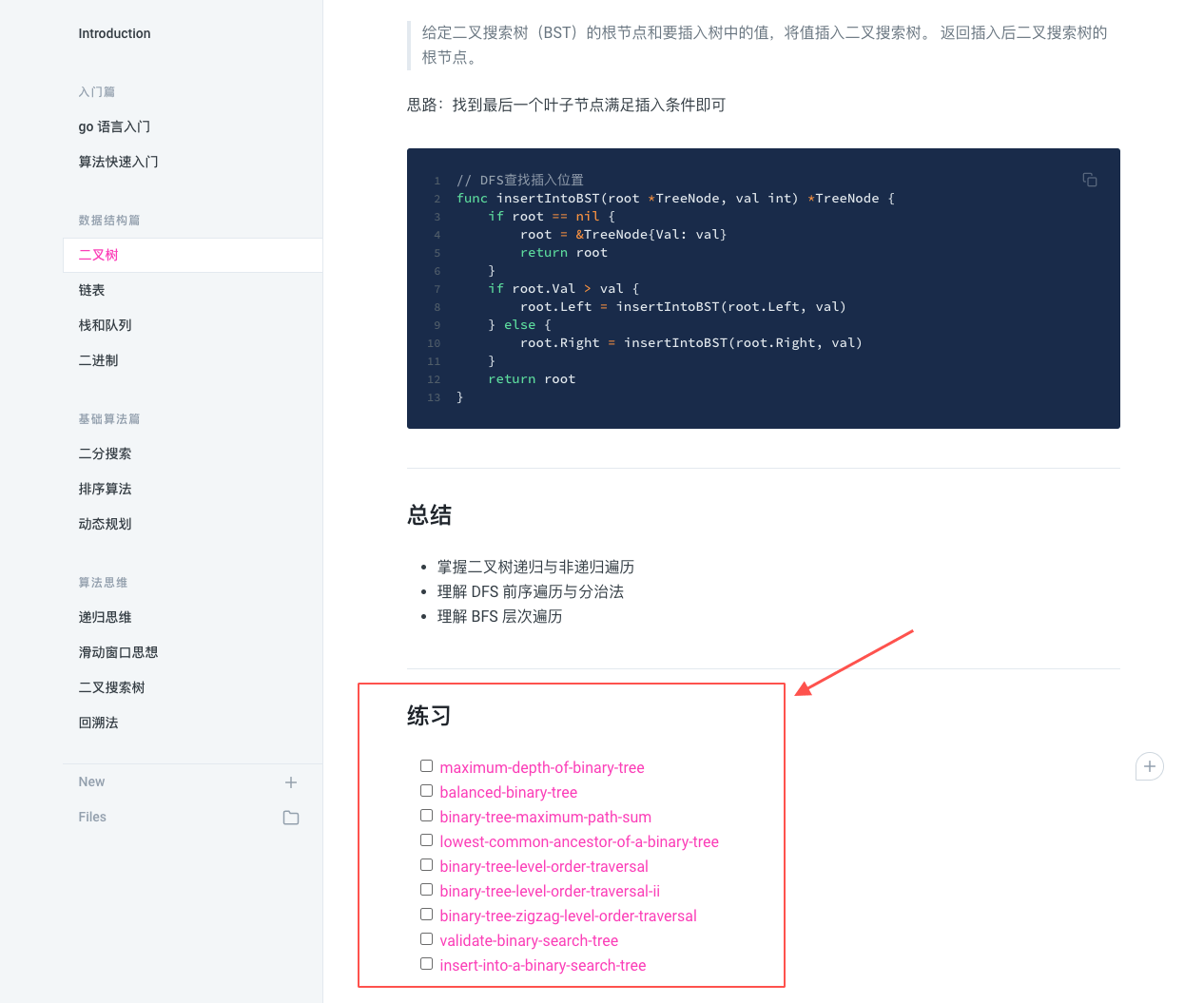
Это репозиторий с учебными материалами и заметками (плюс онлайн-книга на Gitbook), а не библиотека, которую можно подключить к проекту. Здесь объясняются шаблоны и даются задачи для самостоятельного решения.Как устроено содержание и с чего начать?Материал разбит на разделы: «Начало работы» (введение в Go, быстрый старт по алгоритмам), «Структуры данных» (двоичное дерево, связный список, стек и очередь, побитовые операции), «Базовые алгоритмы» (бинарный поиск, сортировка, динамическое программирование (DP)) и «Алгоритмическое мышление» (рекурсия, скользящее окно, BST, поиск с возвратом (бэктрекинг)). Читать их нужно в этом порядке.
Материал разбит на разделы: «Начало работы» (введение в Go, быстрый старт по алгоритмам), «Структуры данных» (двоичное дерево, связный список, стек и очередь, побитовые операции), «Базовые алгоритмы» (бинарный поиск, сортировка, динамическое программирование (DP)) и «Алгоритмическое мышление» (рекурсия, скользящее окно, BST, поиск с возвратом (бэктрекинг)). Читать их нужно в этом порядке.Нужно ли знать Go, чтобы пользоваться этим?Примеры кода написаны на Go, и в репозитории есть раздел с введением в Go, но цель — выучить универсальные шаблоны, которые можно применять на любом языке. Сообщество уже перенесло материал на Python, Java, C++, Swift, JS/TS, Dart и C#.
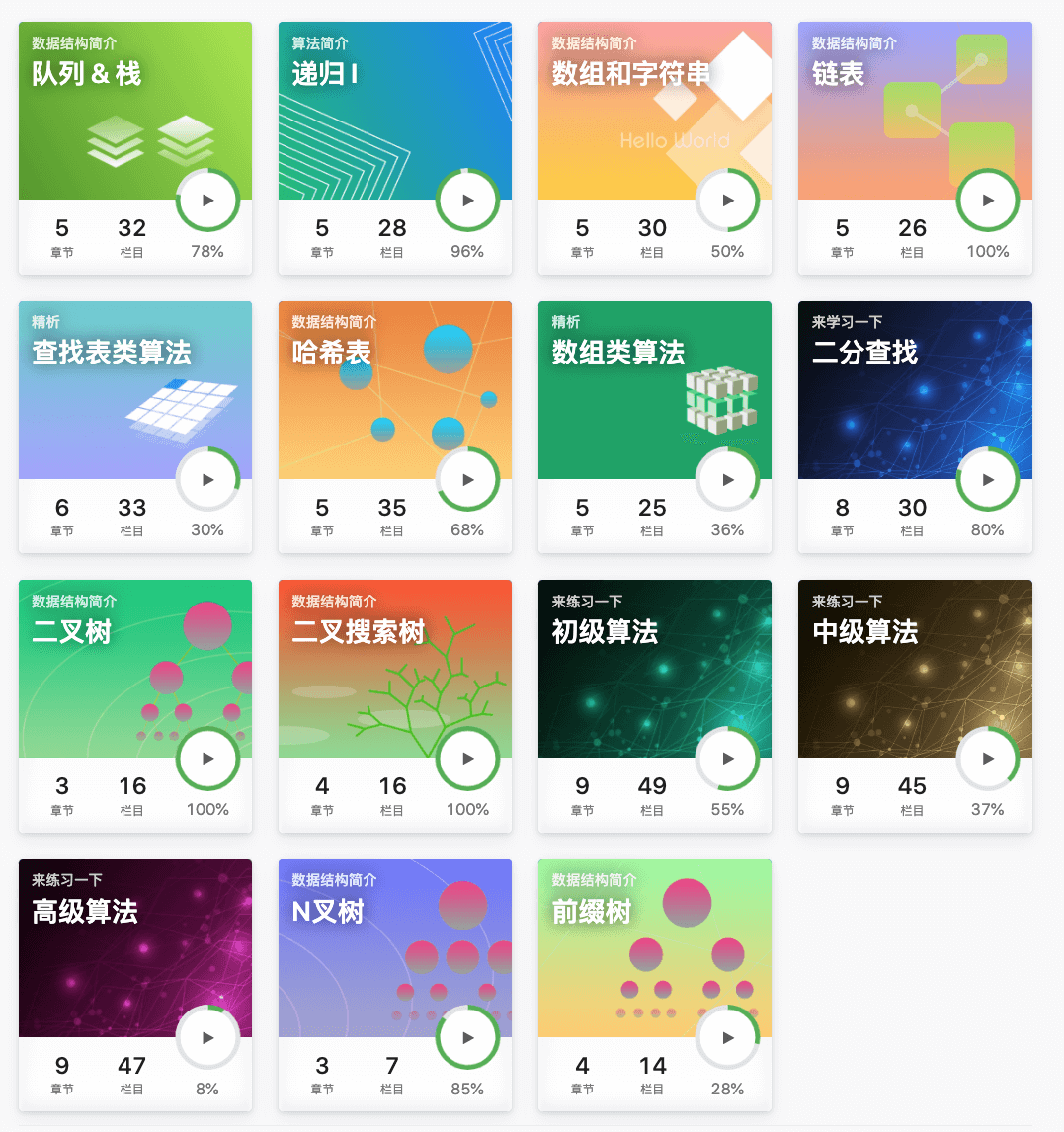
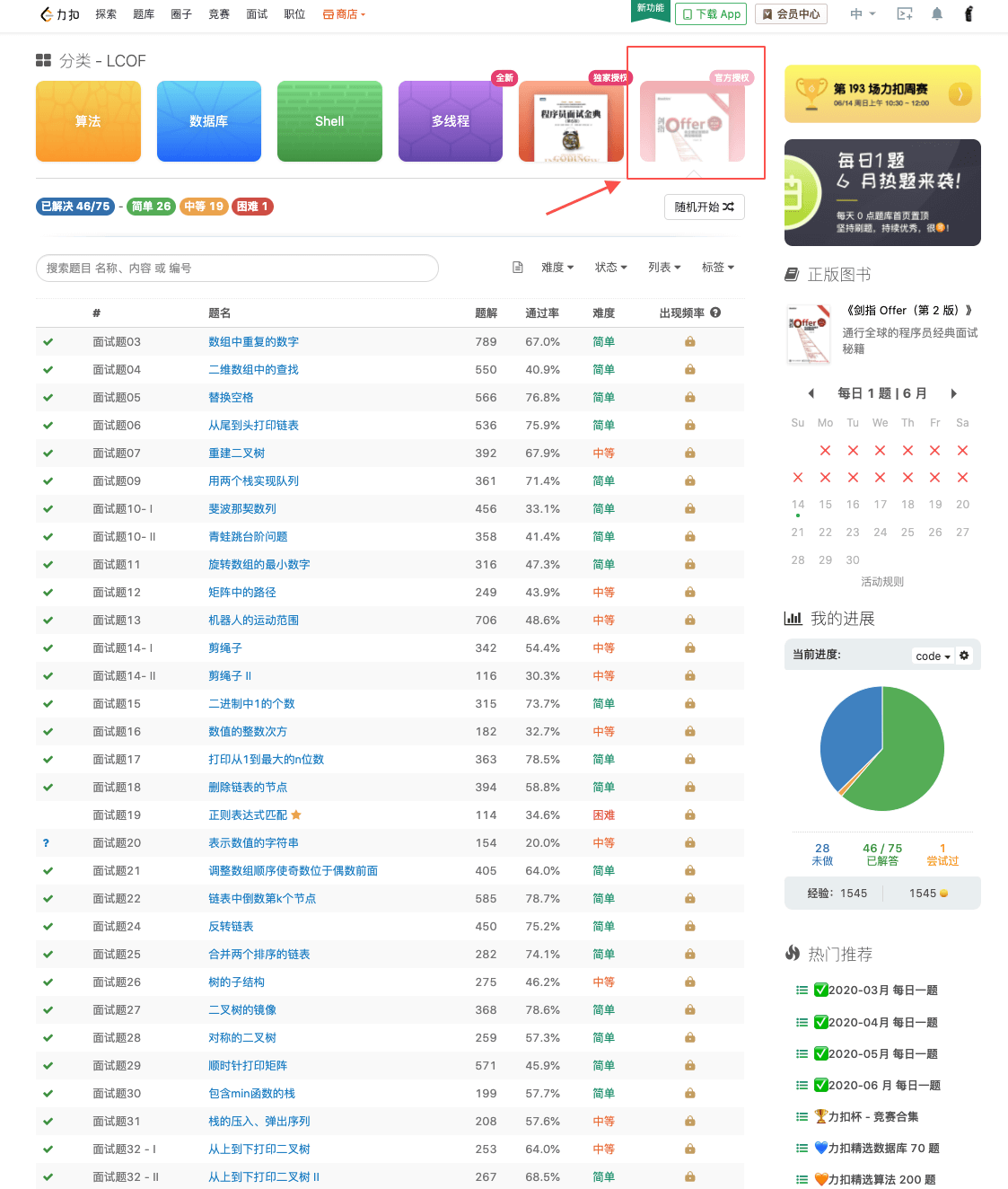
Примеры кода написаны на Go, и в репозитории есть раздел с введением в Go, но цель — выучить универсальные шаблоны, которые можно применять на любом языке. Сообщество уже перенесло материал на Python, Java, C++, Swift, JS/TS, Dart и C#.Сколько времени занимает пройти это до конца?Автор советует потратить около 6 недель на этот репозиторий и карточки LeetCode Explore, а затем ещё 2 недели на «Coding Interviews» (剑指 offer). Итого получается примерно 2 месяца регулярных занятий.
Автор советует потратить около 6 недель на этот репозиторий и карточки LeetCode Explore, а затем ещё 2 недели на «Coding Interviews» (剑指 offer). Итого получается примерно 2 месяца регулярных занятий.Для кого это?Для разработчиков, которые ищут работу и готовятся к собеседованиям по программированию в крупных технологических компаниях, особенно в Китае. Им нужен структурированный и эффективный способ вместо хаотичной практики на LeetCode.
Для разработчиков, которые ищут работу и готовятся к собеседованиям по программированию в крупных технологических компаниях, особенно в Китае. Им нужен структурированный и эффективный способ вместо хаотичной практики на LeetCode.Какой порядок практики рекомендуется после прохождения этого репозитория?Пройдите оглавление этого репозитория, затем карточки LeetCode Explore, а перед собеседованиями закончите набором задач из «Coding Interviews» (剑指 offer).
Пройдите оглавление этого репозитория, затем карточки LeetCode Explore, а перед собеседованиями закончите набором задач из «Coding Interviews» (剑指 offer).Можно ли отметить свой прогресс или показать свою версию?Да, после выполнения плана вы можете отправить pull request с добавлением своей реализации алгоритмического шаблона в таблицу для отметок в README.
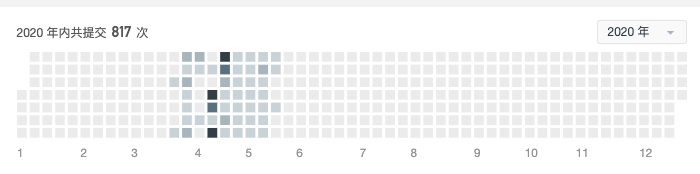
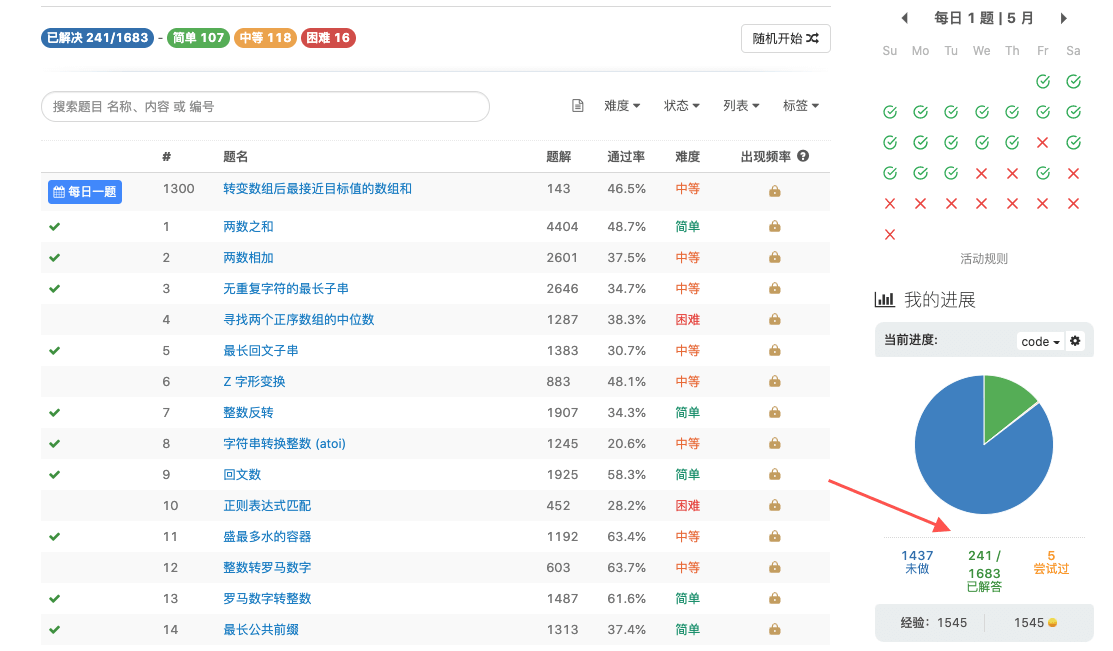
Да, после выполнения плана вы можете отправить pull request с добавлением своей реализации алгоритмического шаблона в таблицу для отметок в README.Сколько задач решил автор, чтобы получить оффер?Автор примерно за шесть недель дошёл от нуля до около 240 решённых задач, после чего получил несколько офферов, в том числе от крупной технологической компании.
Автор примерно за шесть недель дошёл от нуля до около 240 решённых задач, после чего получил несколько офферов, в том числе от крупной технологической компании.What are similar projects?hello-algorithm, leetcode, hello-algo, algo, LeetCode-Go, leetcode, tech-interview-handbook, interview
hello-algorithm, leetcode, hello-algo, algo, LeetCode-Go, leetcode, tech-interview-handbook, interviewWhich topics is it in?dynamic-programming, leetcode, coding, job-search, algorithm, interview-questions, data-structures, template, interview, interview-preparation, algorithms, career
dynamic-programming, leetcode, coding, job-search, algorithm, interview-questions, data-structures, template, interview, interview-preparation, algorithms, career