

Что это?
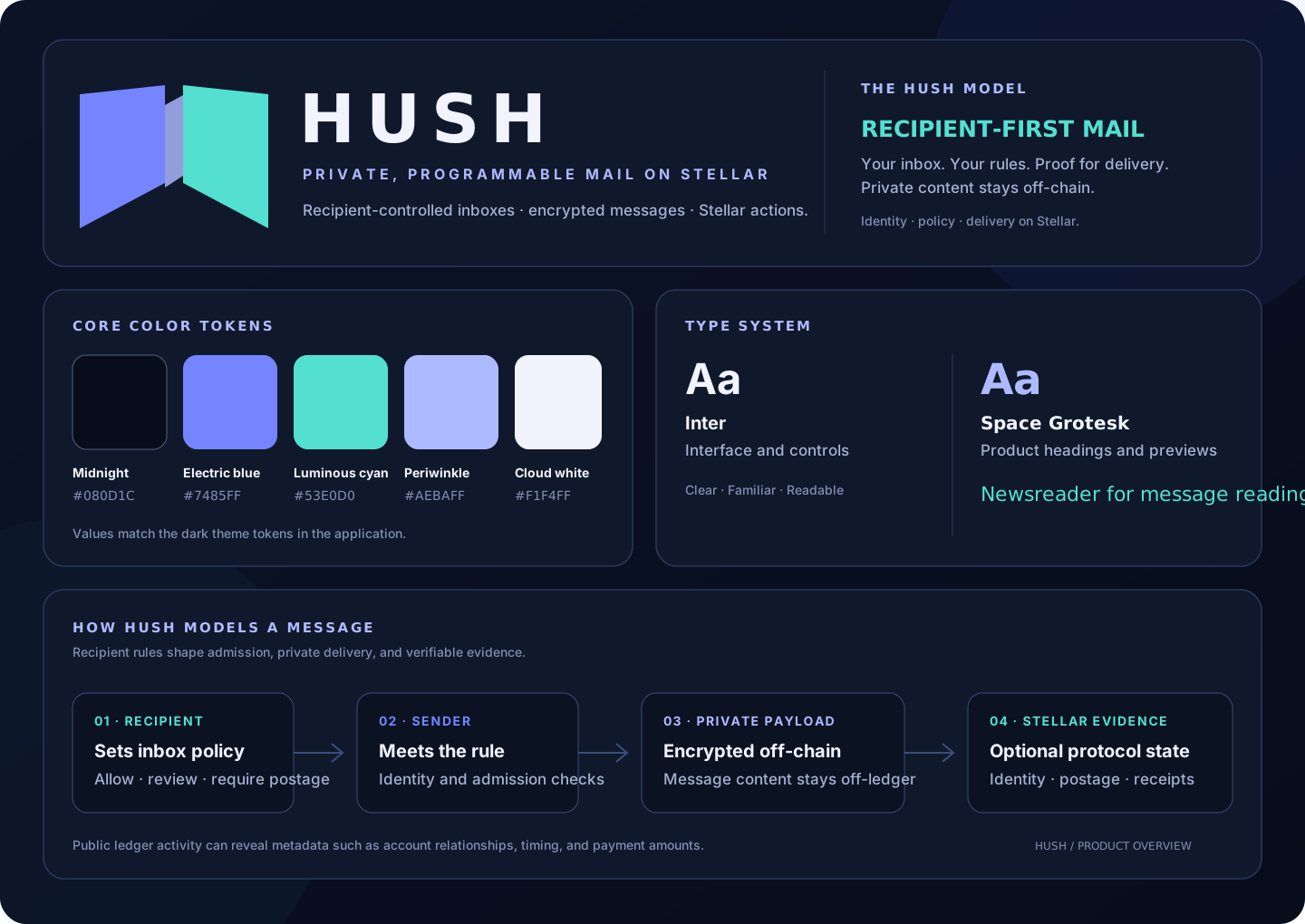
 Hush — открытая бета приватной программируемой почты на базе идентификации Stellar. Отправитель должен выполнить политику, выбранную получателем (доверенный доступ, верификация, явное одобрение или почтовый сбор), прежде чем письмо будет доставлено, а система создаёт проверяемые квитанции о доставке.
Hush — открытая бета приватной программируемой почты на базе идентификации Stellar. Отправитель должен выполнить политику, выбранную получателем (доверенный доступ, верификация, явное одобрение или почтовый сбор), прежде чем письмо будет доставлено, а система создаёт проверяемые квитанции о доставке.Это почтовый сервис, в котором регистрируешься, или то, что запускаешь сам?Это стек для самостоятельного запуска, а не сервис по регистрации: клиент, API, релей, протокол и смарт-контракты Soroban лежат в этом репозитории, а проверяемой публичной хостед-демо сейчас нет.
Это стек для самостоятельного запуска, а не сервис по регистрации: клиент, API, релей, протокол и смарт-контракты Soroban лежат в этом репозитории, а проверяемой публичной хостед-демо сейчас нет.Как запустить его локально?Установите Node.js 24+ и Bun 1.3.14, затем запустите dev-сервер Vite — он выведет локальный URL. Отдельная сборка или тестирование контрактов Soroban требуют Rust версии, закреплённой в rust-toolchain.toml.
Установите Node.js 24+ и Bun 1.3.14, затем запустите dev-сервер Vite — он выведет локальный URL. Отдельная сборка или тестирование контрактов Soroban требуют Rust версии, закреплённой в rust-toolchain.toml.Нужен ли настоящий кошелёк Stellar или продакшен-учётные данные для тестирования?Нет — локальный профиль по умолчанию использует тестовые аккаунты и синтетические сообщения на тестнете; в документации прямо сказано не использовать реальные seed-фразы кошелька, продакшен-токены или приватные ключи.
Нет — локальный профиль по умолчанию использует тестовые аккаунты и синтетические сообщения на тестнете; в документации прямо сказано не использовать реальные seed-фразы кошелька, продакшен-токены или приватные ключи.Есть ли уже живая продакшен-версия, через которую сегодня можно отправлять настоящие письма?Нет. Hush — прямо заявленная бета, а деплой на тестнет не означает продакшен-доступность, доставляемость или финансовые гарантии; некоторые федерационные домены и идентификаторы пока остаются легаси в ожидании миграции.
Нет. Hush — прямо заявленная бета, а деплой на тестнет не означает продакшен-доступность, доставляемость или финансовые гарантии; некоторые федерационные домены и идентификаторы пока остаются легаси в ожидании миграции.Не становятся ли мои письма публичными из-за хранения доставки на Stellar?Нет — тела писем и вложения не попадают в блокчейн: их передают релеи и зашифрованное объектное хранилище; в Stellar касаются только идентификация, политика, почтовый сбор и доказательства доставки, и эти метаданные (связи аккаунтов, суммы платежей, тайминги) всё равно видны в блокчейне.
Нет — тела писем и вложения не попадают в блокчейн: их передают релеи и зашифрованное объектное хранилище; в Stellar касаются только идентификация, политика, почтовый сбор и доказательства доставки, и эти метаданные (связи аккаунтов, суммы платежей, тайминги) всё равно видны в блокчейне.Как на самом деле работает система одобрения отправителей?Это зависит от политики, настроенной получателем: отправителя могут пропустить через доверенную или верифицированную личность, заставить ждать явного одобрения, попросить оплатить почтовый сбор или заблокировать сразу; клиент показывает происхождение отправителя и статус доставки для каждого письма.
Это зависит от политики, настроенной получателем: отправителя могут пропустить через доверенную или верифицированную личность, заставить ждать явного одобрения, попросить оплатить почтовый сбор или заблокировать сразу; клиент показывает происхождение отправителя и статус доставки для каждого письма.Почему это построено на Stellar, а не на обычном почтовом сервере?Stellar используется чисто как программируемый слой идентификации и доказательств протокола — контракты Soroban обеспечивают политику отправителей, почтовый сбор и квитанции, — так что правила допуска и подтверждения доставки можно проверить независимо, а не доверять одному оператору.
Stellar используется чисто как программируемый слой идентификации и доказательств протокола — контракты Soroban обеспечивают политику отправителей, почтовый сбор и квитанции, — так что правила допуска и подтверждения доставки можно проверить независимо, а не доверять одному оператору.Что ещё на самом деле лежит в репозитории, кроме интерфейса входящих?В него входят разрешение идентификации/федерации Stellar, код шифрования конвертов сообщений и выведения ключей, релей вместе с сервисом зашифрованного объектного хранилища, UI/API инспектора доказательств, а также контракты Soroban для политики, почтового сбора и квитанций.
В него входят разрешение идентификации/федерации Stellar, код шифрования конвертов сообщений и выведения ключей, релей вместе с сервисом зашифрованного объектного хранилища, UI/API инспектора доказательств, а также контракты Soroban для политики, почтового сбора и квитанций.What are similar projects?stellar-trade, clearledger, nuvex, clearledger-contracts, TrustMint, sphere-sdk, stellar-pathfinder, solana-classic
stellar-trade, clearledger, nuvex, clearledger-contracts, TrustMint, sphere-sdk, stellar-pathfinder, solana-classicWhich topics is it in?soroban, stellar, beta, end-to-end-encryption, smart-contracts, decentralized, cryptography, web3, messaging, privacy-first, blockchain, email
soroban, stellar, beta, end-to-end-encryption, smart-contracts, decentralized, cryptography, web3, messaging, privacy-first, blockchain, email