ChatDev 2.0 - DevAll
A Zero-Code Multi-Agent Platform for Developing Everything
【English | 简体中文】
【📚 Developers | 👥 Contributors|⭐️ ChatDev 1.0 (Legacy)】
📖 Overview
ChatDev has evolved from a specialized software development multi-agent system into a comprehensive multi-agent orchestration platform.
- ChatDev 2.0 (DevAll) is a Zero-Code Multi-Agent Platform for "Developing Everything". It empowers users to rapidly build and execute customized multi-agent systems through simple configuration. No coding is required—users can define agents, workflows, and tasks to orchestrate complex scenarios such as data visualization, 3D generation, and deep research.
- ChatDev 1.0 (Legacy) operates as a Virtual Software Company. It utilizes various intelligent agents (e.g., CEO, CTO, Programmer) participating in specialized functional seminars to automate the entire software development life cycle—including designing, coding, testing, and documenting. It serves as the foundational paradigm for communicative agent collaboration.
🎉 News
• Jan 07, 2026: 🚀 We are excited to announce the official release of ChatDev 2.0 (DevAll)! This version introduces a zero-code multi-agent orchestration platform. The classic ChatDev (v1.x) has been moved to the chatdev1.0 branch for maintenance. More details about ChatDev 2.0 can be found on our official post.
Old News
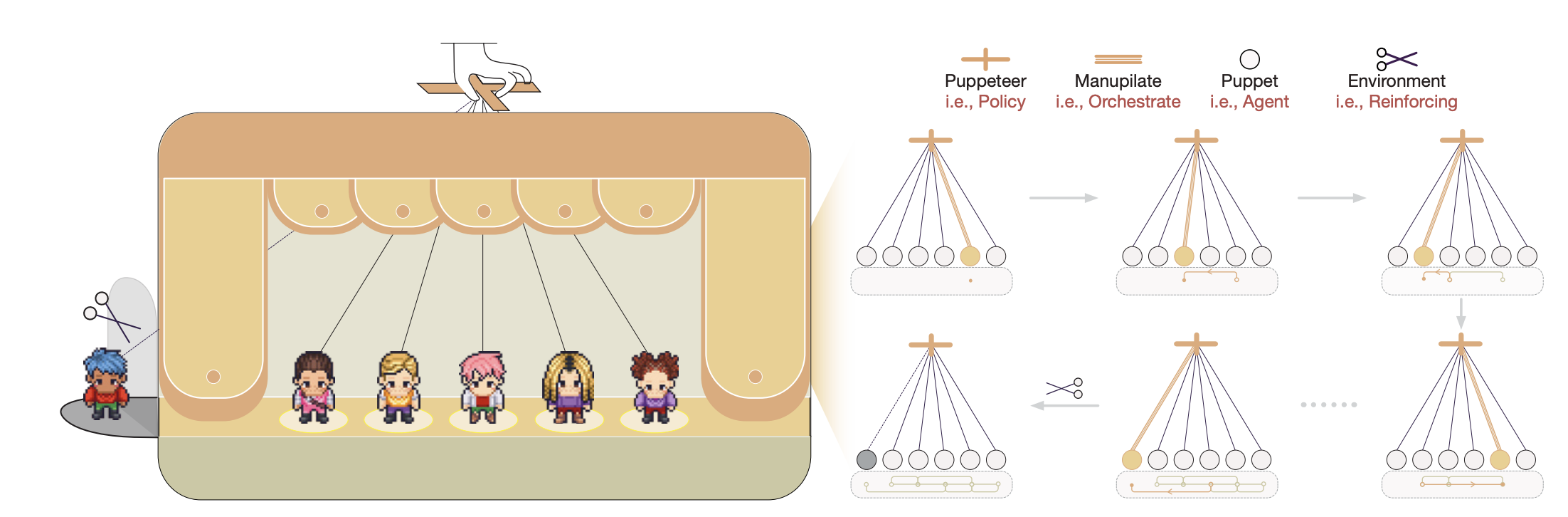
•Sep 24, 2025: 🎉 Our paper Multi-Agent Collaboration via Evolving Orchestration has been accepted to NeurIPS 2025. The implementation is available in the puppeteer branch of this repository.
•May 26, 2025: 🎉 We propose a novel puppeteer-style paradigm for multi-agent collaboration among large language model based agents. By leveraging a learnable central orchestrator optimized with reinforcement learning, our method dynamically activates and sequences agents to construct efficient, context-aware reasoning paths. This approach not only improves reasoning quality but also reduces computational costs, enabling scalable and adaptable multi-agent cooperation in complex tasks.
See our paper in Multi-Agent Collaboration via Evolving Orchestration.
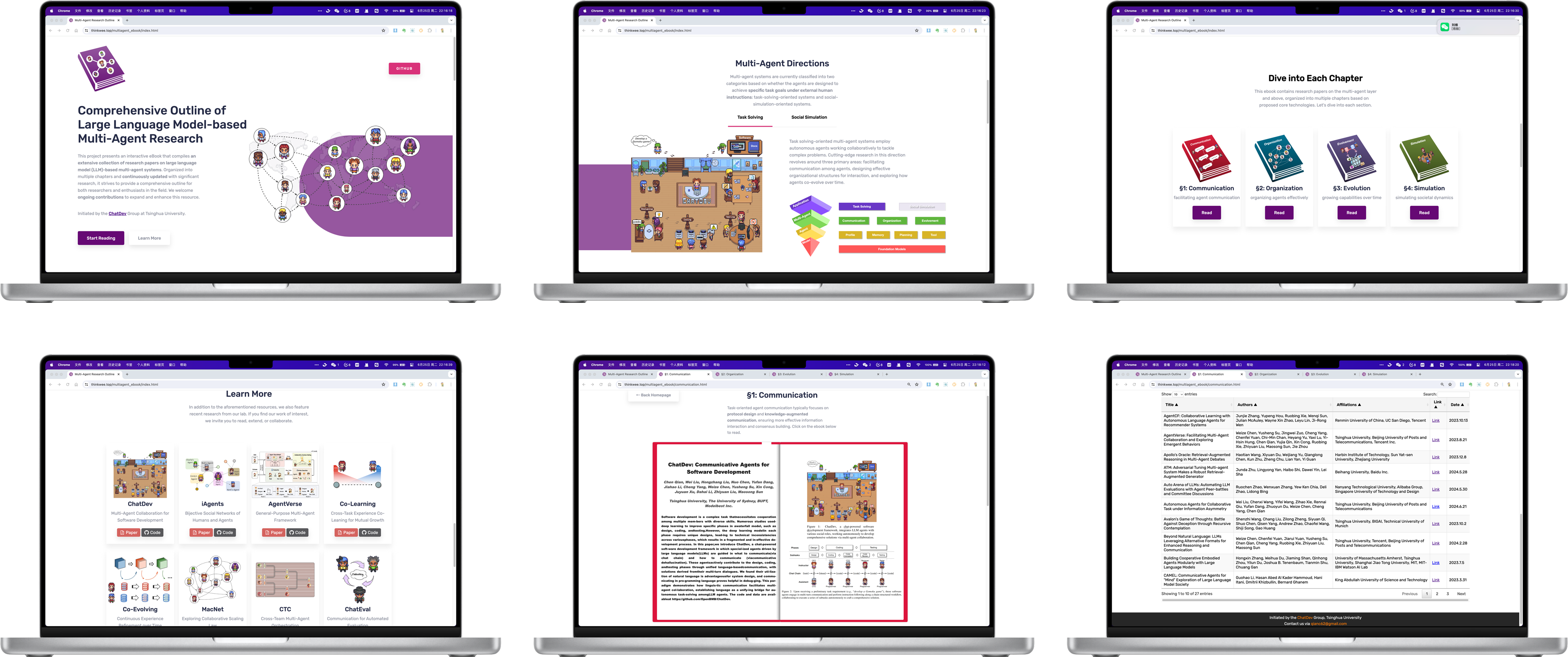
•June 25, 2024: 🎉To foster development in LLM-powered multi-agent collaboration🤖🤖 and related fields, the ChatDev team has curated a collection of seminal papers📄 presented in a open-source interactive e-book📚 format. Now you can explore the latest advancements on the Ebook Website and download the paper list.
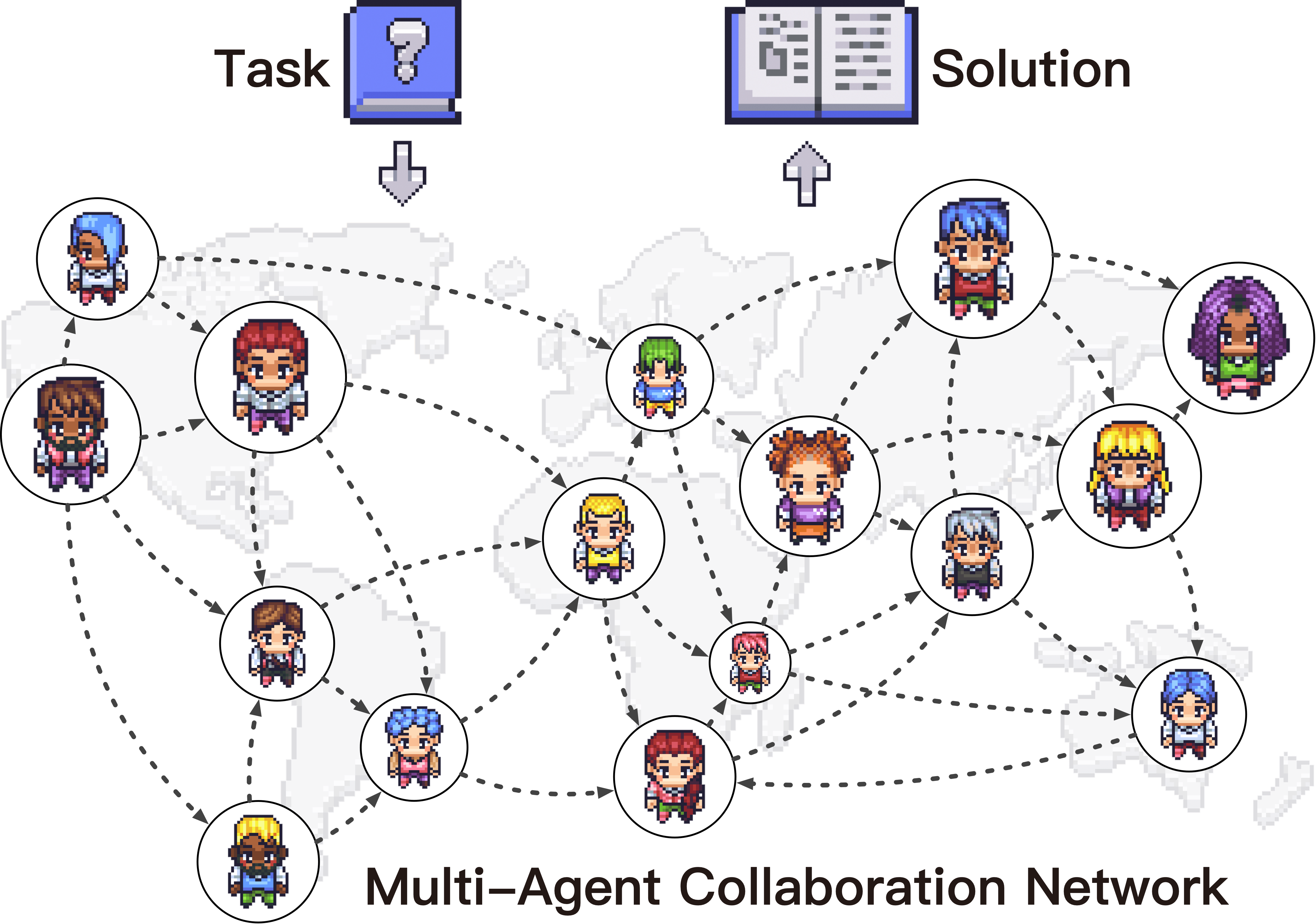
•June 12, 2024: We introduced Multi-Agent Collaboration Networks (MacNet) 🎉, which utilize directed acyclic graphs to facilitate effective task-oriented collaboration among agents through linguistic interactions 🤖🤖. MacNet supports co-operation across various topologies and among more than a thousand agents without exceeding context limits. More versatile and scalable, MacNet can be considered as a more advanced version of ChatDev's chain-shaped topology. Our preprint paper is available at https://arxiv.org/abs/2406.07155. This technique has been incorporated into the macnet branch, enhancing support for diverse organizational structures and offering richer solutions beyond software development (e.g., logical reasoning, data analysis, story generation, and more).
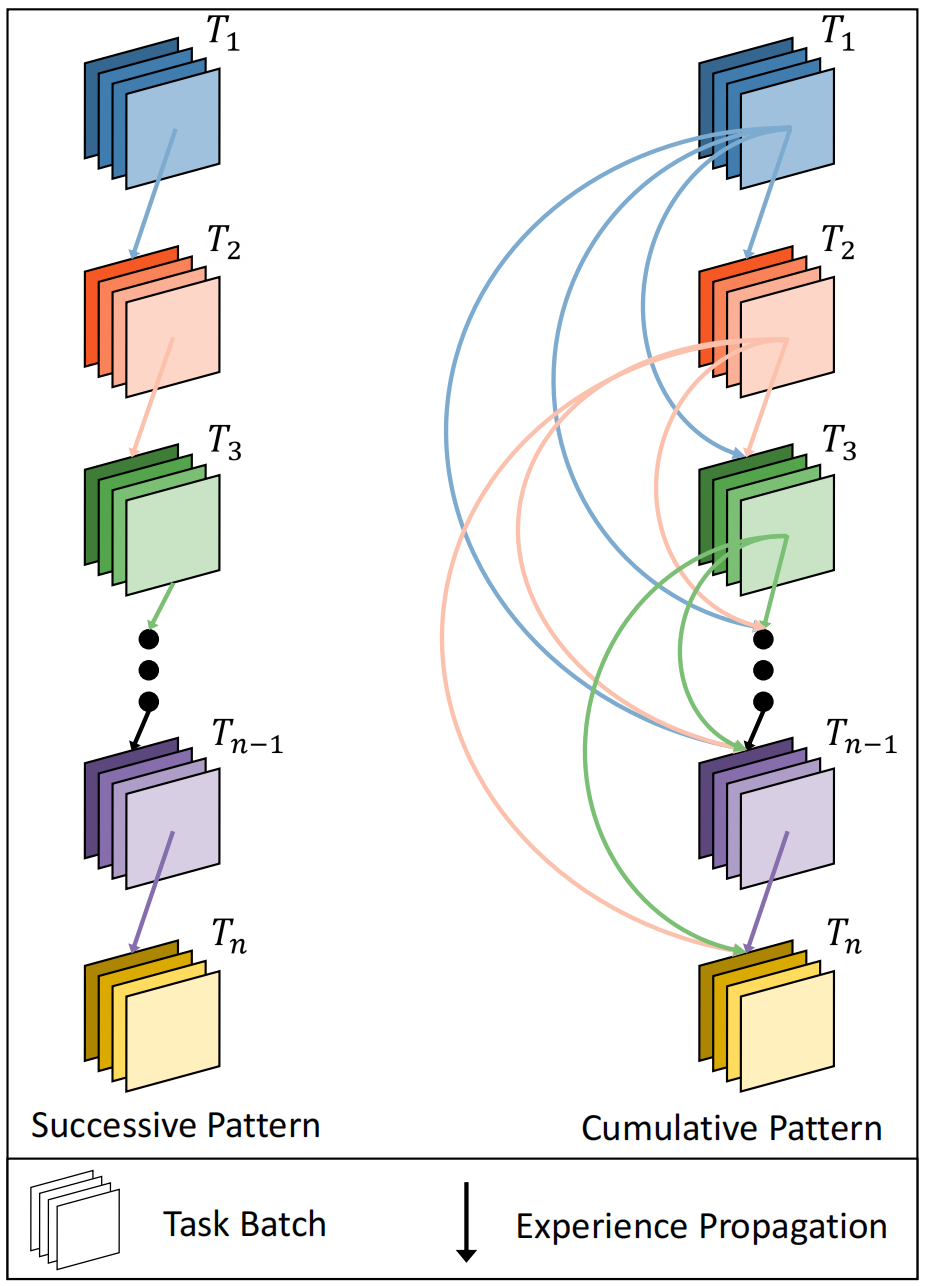
• May 07, 2024, we introduced "Iterative Experience Refinement" (IER), a novel method where instructor and assistant agents enhance shortcut-oriented experiences to efficiently adapt to new tasks. This approach encompasses experience acquisition, utilization, propagation and elimination across a series of tasks and making the pricess shorter and efficient. Our preprint paper is available at https://arxiv.org/abs/2405.04219, and this technique will soon be incorporated into ChatDev.
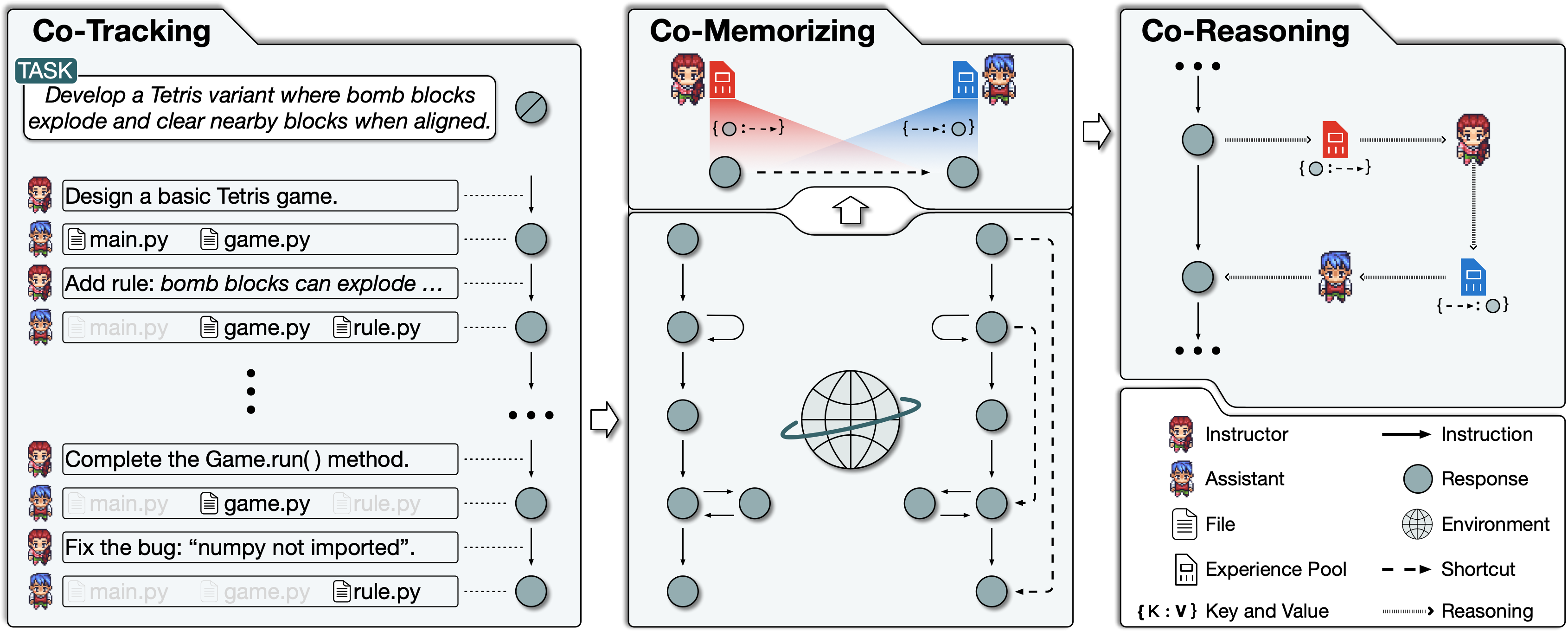
• January 25, 2024: We have integrated Experiential Co-Learning Module into ChatDev. Please see the Experiential Co-Learning Guide.
• December 28, 2023: We present Experiential Co-Learning, an innovative approach where instructor and assistant agents accumulate shortcut-oriented experiences to effectively solve new tasks, reducing repetitive errors and enhancing efficiency. Check out our preprint paper at https://arxiv.org/abs/2312.17025 and this technique will soon be integrated into ChatDev.
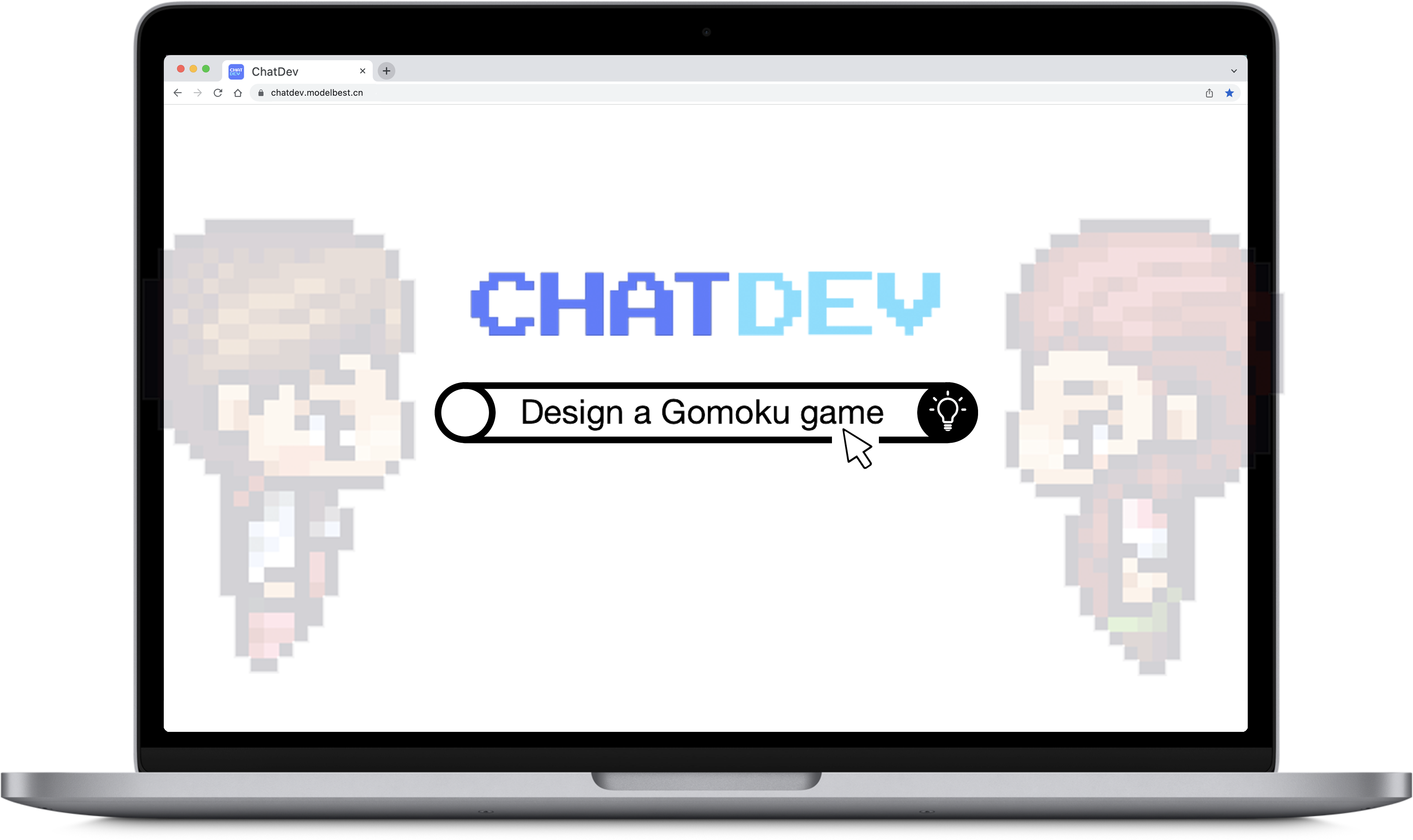
• November 15, 2023: We launched ChatDev as a SaaS platform that enables software developers and innovative entrepreneurs to build software efficiently at a very low cost and remove the barrier to entry. Try it out at https://chatdev.modelbest.cn/.
• November 2, 2023: ChatDev is now supported with a new feature: incremental development, which allows agents to develop upon existing codes. Try --config "incremental" --path "[source_code_directory_path]" to start it.

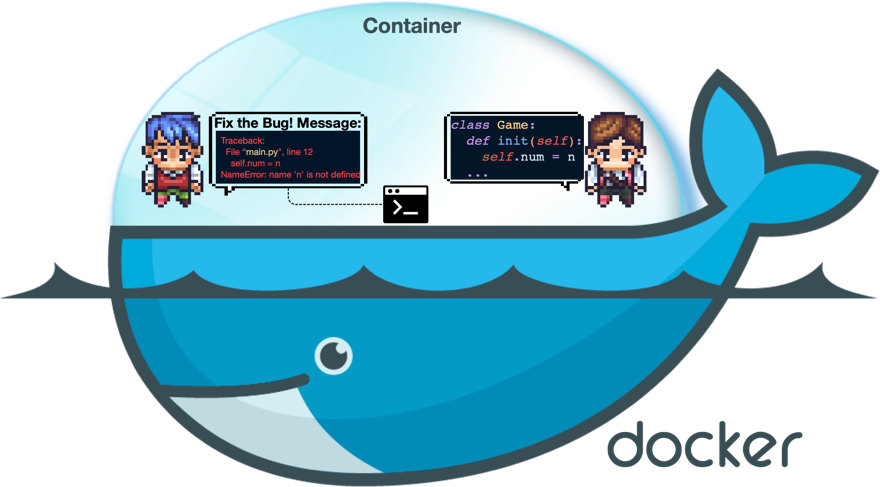
• October 26, 2023: ChatDev is now supported with Docker for safe execution (thanks to contribution from ManindraDeMel). Please see Docker Start Guide.
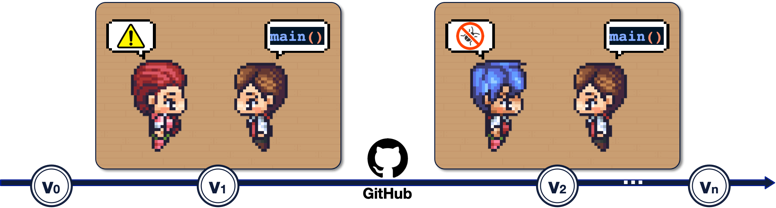
• September 25, 2023: The Git mode is now available, enabling the programmer  to utilize Git for version control. To enable this feature, simply set
 "git_management" to "True" in ChatChainConfig.json. See guide.
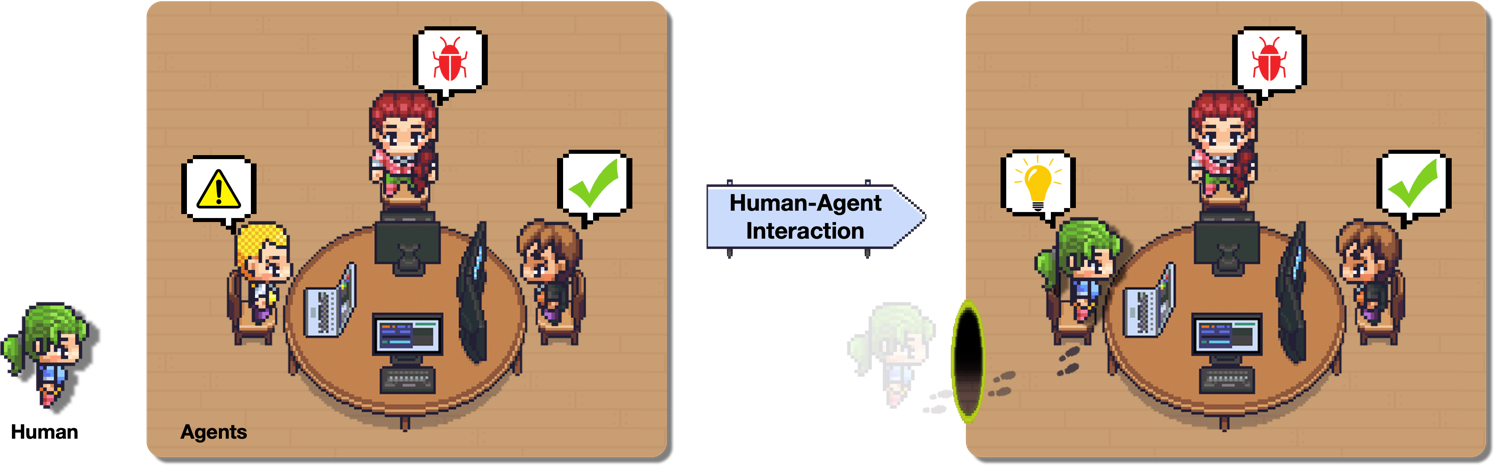
• September 20, 2023: The Human-Agent-Interaction mode is now available! You can get involved with the ChatDev team by playing the role of reviewer  and making suggestions to the programmer ;
try
and making suggestions to the programmer ;
try python3 run.py --task [description_of_your_idea] --config "Human". See guide and example.
• September 1, 2023: The Art mode is available now! You can activate the designer agent  to generate images used in the software;
try
to generate images used in the software;
try python3 run.py --task [description_of_your_idea] --config "Art". See guide and example.
• August 28, 2023: The system is publicly available.
• August 17, 2023: The v1.0.0 version was ready for release.
• July 30, 2023: Users can customize ChatChain, Phasea and Role settings. Additionally, both online Log mode and replay
mode are now supported.
• July 16, 2023: The preprint paper associated with this project was published.
• June 30, 2023: The initial version of the ChatDev repository was released.
🚀 Quick Start
📋 Prerequisites
- OS: macOS / Linux / WSL / Windows
- Python: 3.12+
- Node.js: 18+
- Package Manager: uv
📦 Installation
Backend Dependencies (Python managed by uv):
uv sync
Frontend Dependencies (Vite + Vue 3):
cd frontend && npm install
🔑 Configuration
- Environment Variables:
cp .env.example .env
- Model Keys: Set
API_KEY and BASE_URL in .env for your LLM provider.
- YAML placeholders: Use
${VAR}(e.g., ${API_KEY})in configuration files to reference these variables.
⚡️ Run the Application
Using Makefile (Recommended)
Start both Backend and Frontent:
make dev
Then access the Web Console at http://localhost:5173.
Manual Commands
Start Backend:
# Run from the project root
uv run python server_main.py --port 6400 --reload
--reload watches the server's Python source folders only; agent-generated files under WareHouse/ no longer trigger restarts. Pass --reload-dir or --reload-exclude (repeatable) to customise.
Start Frontend:
cd frontend
VITE_API_BASE_URL=http://localhost:6400 npm run dev
Then access the Web Console at http://localhost:5173.
💡 Tip: If the frontend fails to connect to the backend, the default port 6400 may already be occupied.
Please switch both services to an available port, for example:
- Backend: start with
--port 6401
- Frontend: set
VITE_API_BASE_URL=http://localhost:6401
Utility Commands
Help command:
make help
Sync YAML workflows to frontend:
make sync
Uploads all workflow files from yaml_instance/ to the database.
Validate all YAML workflows:
make validate-yamls
Checks all YAML files for syntax and schema errors.
🦞 Run with OpenClaw
OpenClaw can integrate with ChatDev by invoking existing agent teams or dynamically creating new agent teams within ChatDev.
To get started:
Start the ChatDev 2.0 backend.
Install the required skills for your OpenClaw instance:
clawdhub install chatdev
Ask your OpenClaw to create a ChatDev workflow. For example:
Automated information collection and content publishing
Create a ChatDev workflow to automatically collect trending information, generate a Xiaohongshu post, and publish it.
Multi-agent geopolitical simulation
Create a ChatDev workflow with multiple agents to simulate possible future developments of the Middle East situation.
🐳 Run with Docker
Alternatively, you can run the entire application using Docker Compose. This method simplifies dependency management and provides a consistent environment.
Prerequisites:
- Docker and Docker Compose installed.
- Ensure you have a
.env file in the project root for your API keys.
Build and Run:
# From the project root
docker compose up --build
Access:
- Backend:
http://localhost:6400
- Frontend:
http://localhost:5173
The services will automatically restart if they crash, and local file changes will be reflected inside the containers for live development.
💡 How to Use
🖥️ Web Console
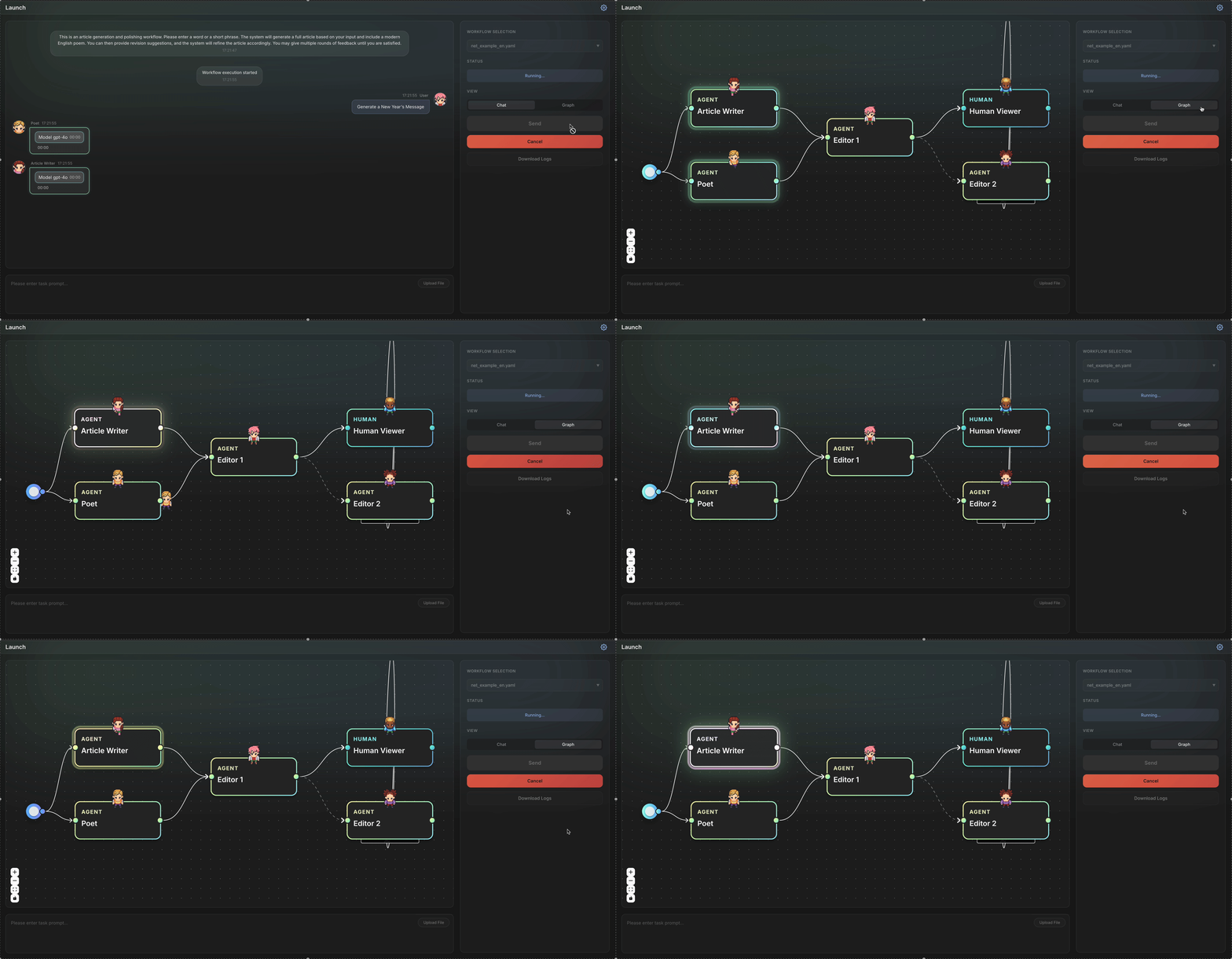
The DevAll interface provides a seamless experience for both construction and execution
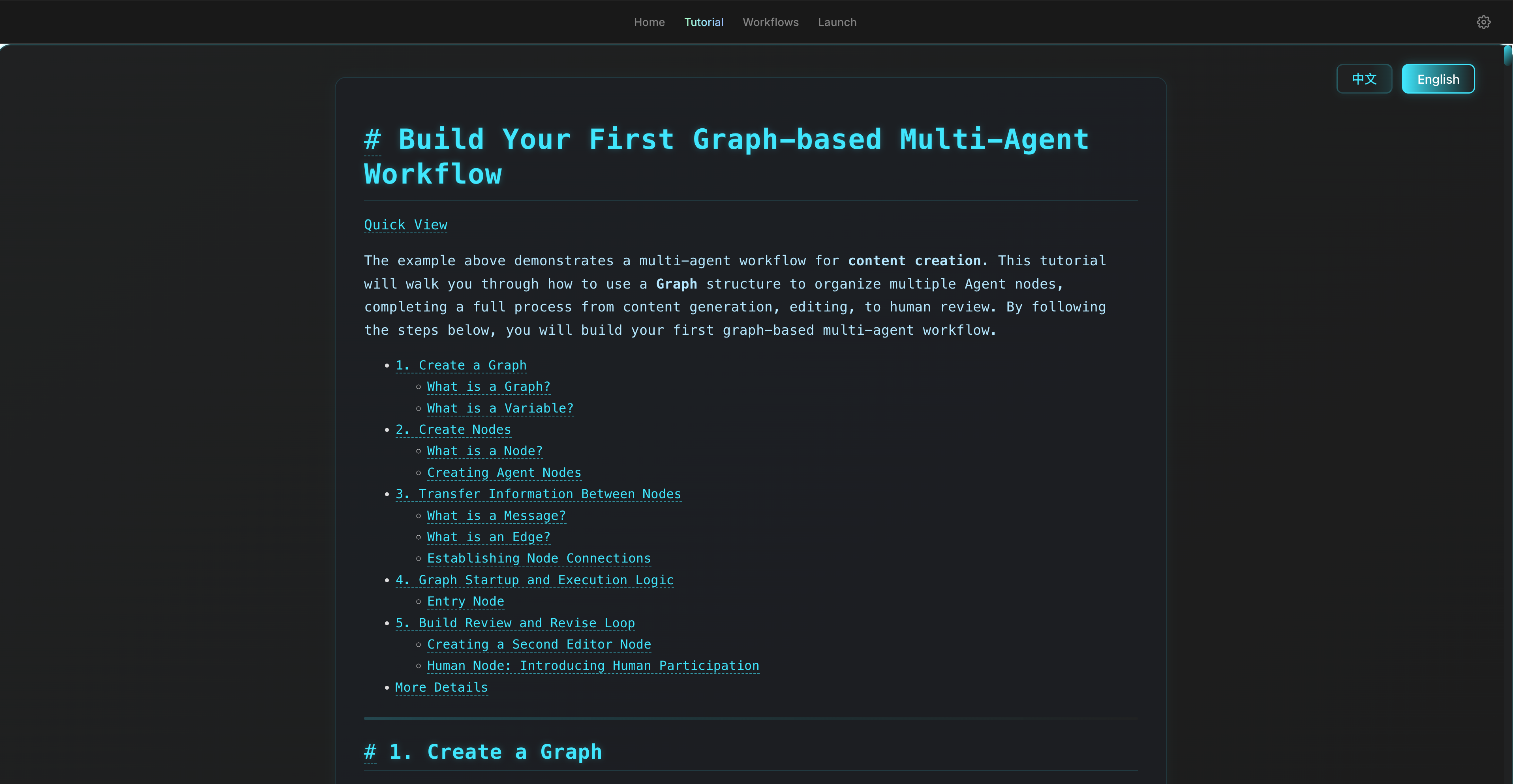
- Tutorial: Comprehensive step-by-step guides and documentation integrated directly into the platform to help you get started quickly.
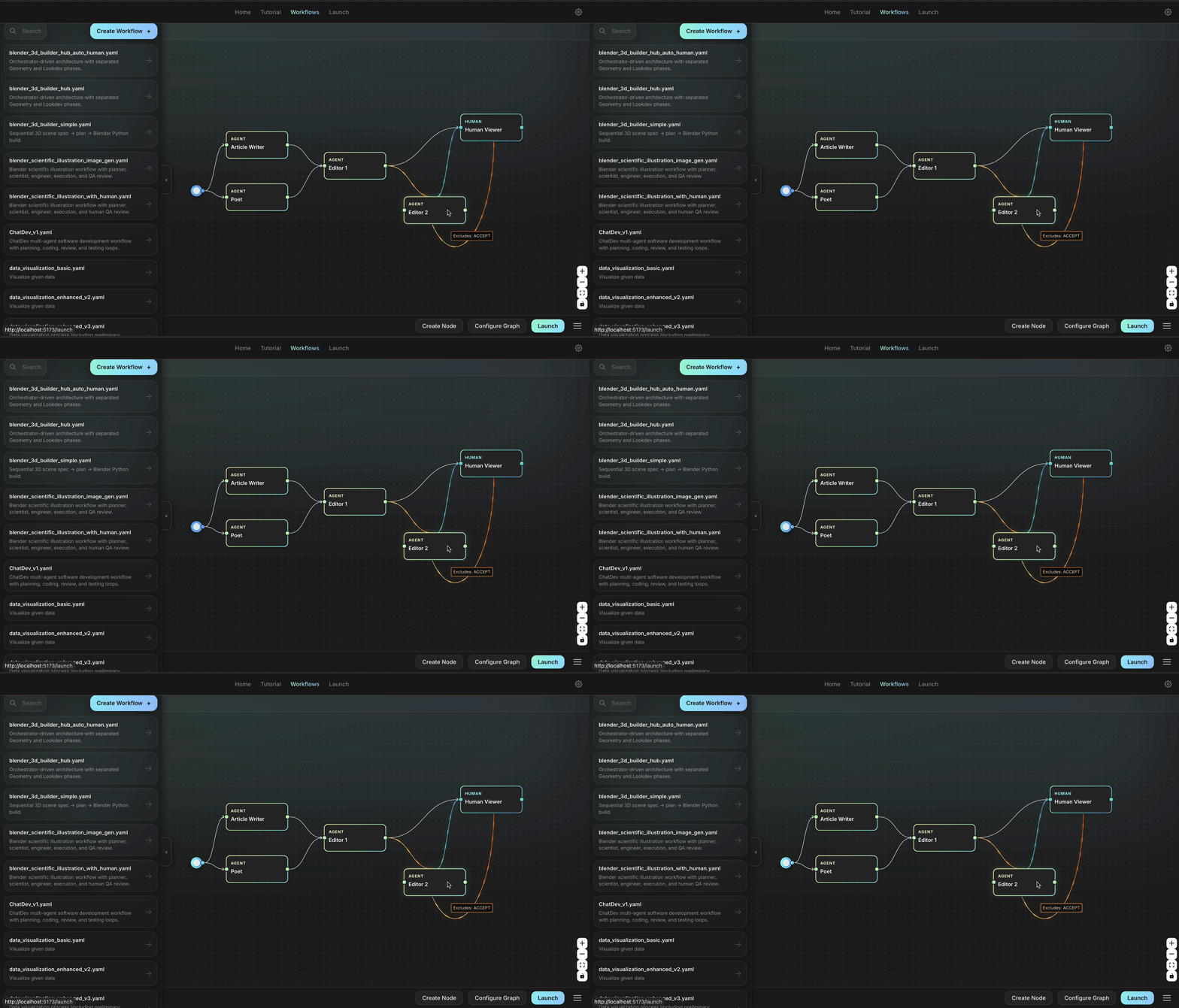
- Workflow: A visual canvas to design your multi-agent systems. Configure node parameters, define context flows, and orchestrate complex agent interactions with drag-and-drop ease.
- Launch: Initiate workflows, monitor real-time logs, inspect intermediate artifacts, and provide human-in-the-loop feedback.
🧰 Python SDK
For automation and batch processing, use our lightweight Python SDK to execute workflows programmatically and retrieve results directly.
from runtime.sdk import run_workflow

# Execute a workflow and get the final node message
result = run_workflow(
    yaml_file="yaml_instance/demo.yaml",
    task_prompt="Summarize the attached document in one sentence.",
    attachments=["/path/to/document.pdf"],
    variables={"API_KEY": "sk-xxxx"} # Override .env variables if needed
)

if result.final_message:
    print(f"Output: {result.final_message.text_content()}")
We have released the ChatDev Python SDK (PyPI package chatdev), so you can also run YAML workflow and multi-agent tasks directly in Python. For installation and version details, see PyPI: chatdev 0.1.0.
⚙️ For Developers
For secondary development and extensions, please proceed with this section.
Extend DevAll with new nodes, providers, and tools.
The project is organized into a modular structure:
- Core Systems:
server/ hosts the FastAPI backend, while runtime/ manages agent abstraction and tool execution.
- Orchestration:
workflow/ handles the multi-agent logic, driven by configurations in entity/.
- Frontend:
frontend/ contains the Vue 3 Web Console.
- Extensibility:
functions/ is the place for custom Python tools.
Relevant reference documentation:
🌟 Featured Workflows
We provide robust, out-of-the-box templates for common scenarios. All runnable workflow configs are located in yaml_instance/.
- Demos: Files named
demo_*.yaml showcase specific features or modules.
- Implementations: Files named directly (e.g.,
ChatDev_v1.yaml) are full in-house or recreated workflows. As follows:
📋 Workflow Collection
| Category |
Workflow |
Case |
| 📈 Data Visualization |
data_visualization_basic.yaml
data_visualization_enhanced.yaml |
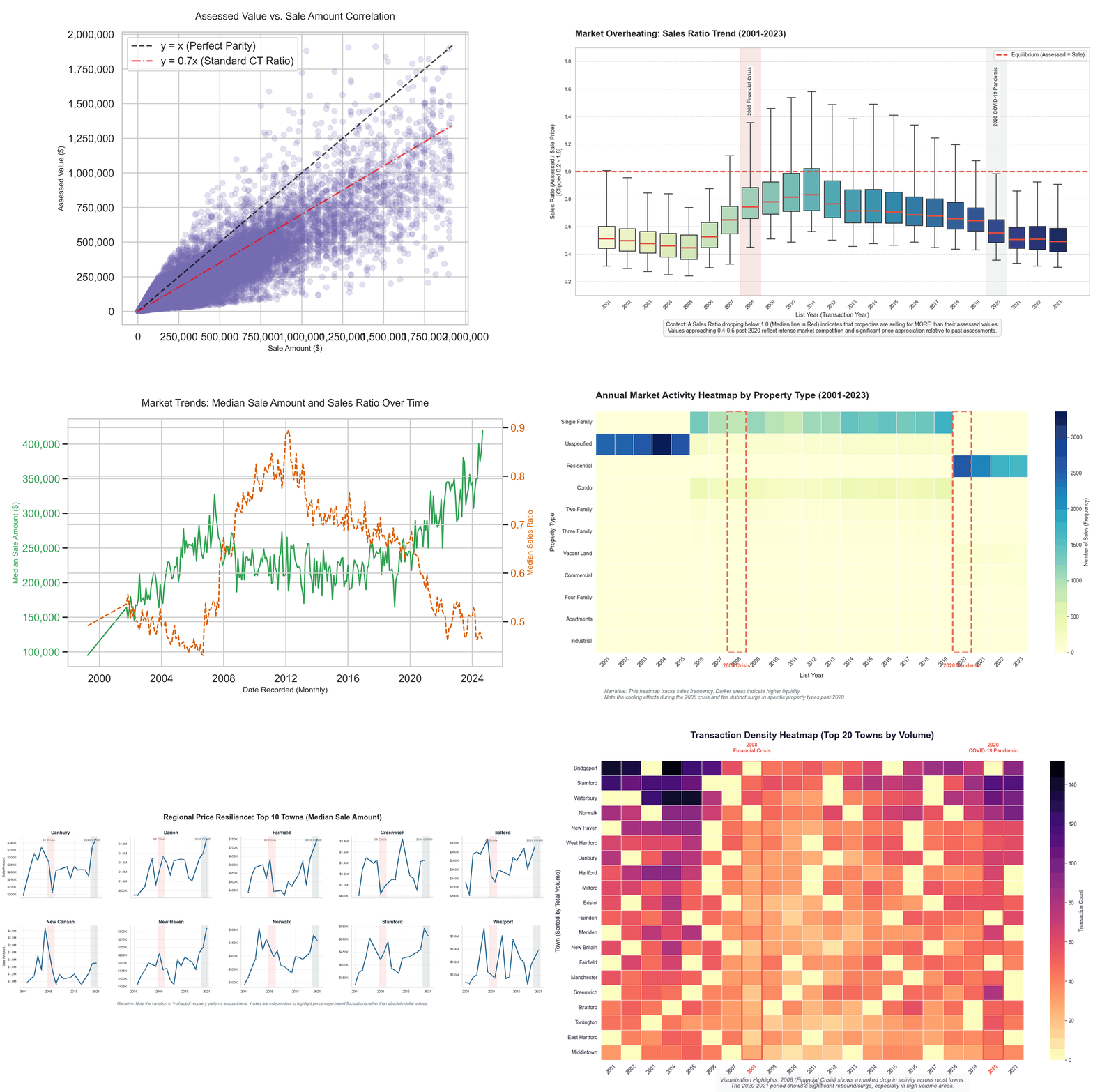
Prompt: "Create 4–6 high-quality PNG charts for my large real-estate transactions dataset." |
🛠️ 3D Generation
(Requires Blender & blender-mcp) |
blender_3d_builder_simple.yaml
blender_3d_builder_hub.yaml
blender_scientific_illustration.yaml |
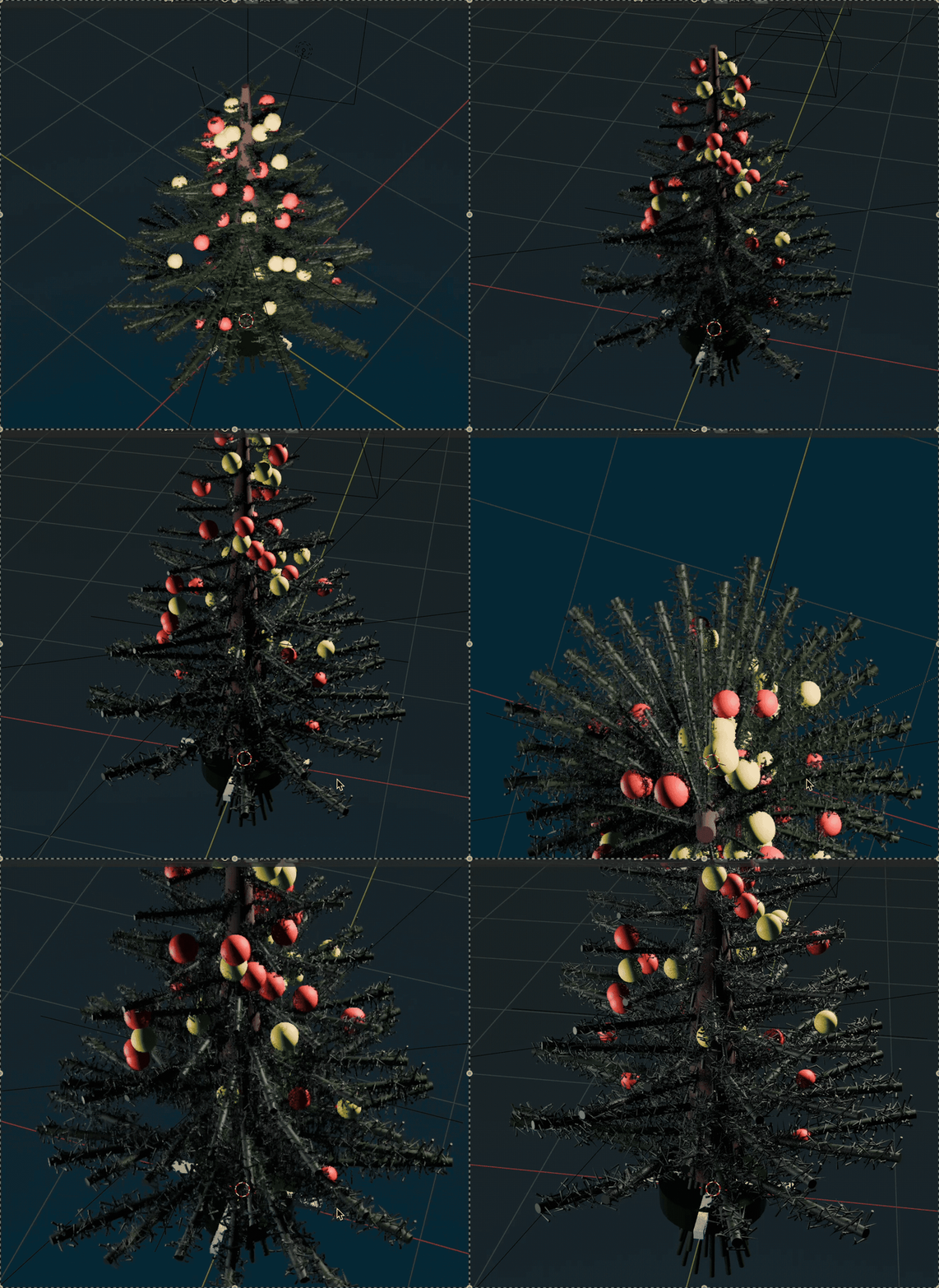
Prompt: "Please build a Christmas tree." |
| 🎮 Game Dev |
GameDev_v1.yaml
ChatDev_v1.yaml |
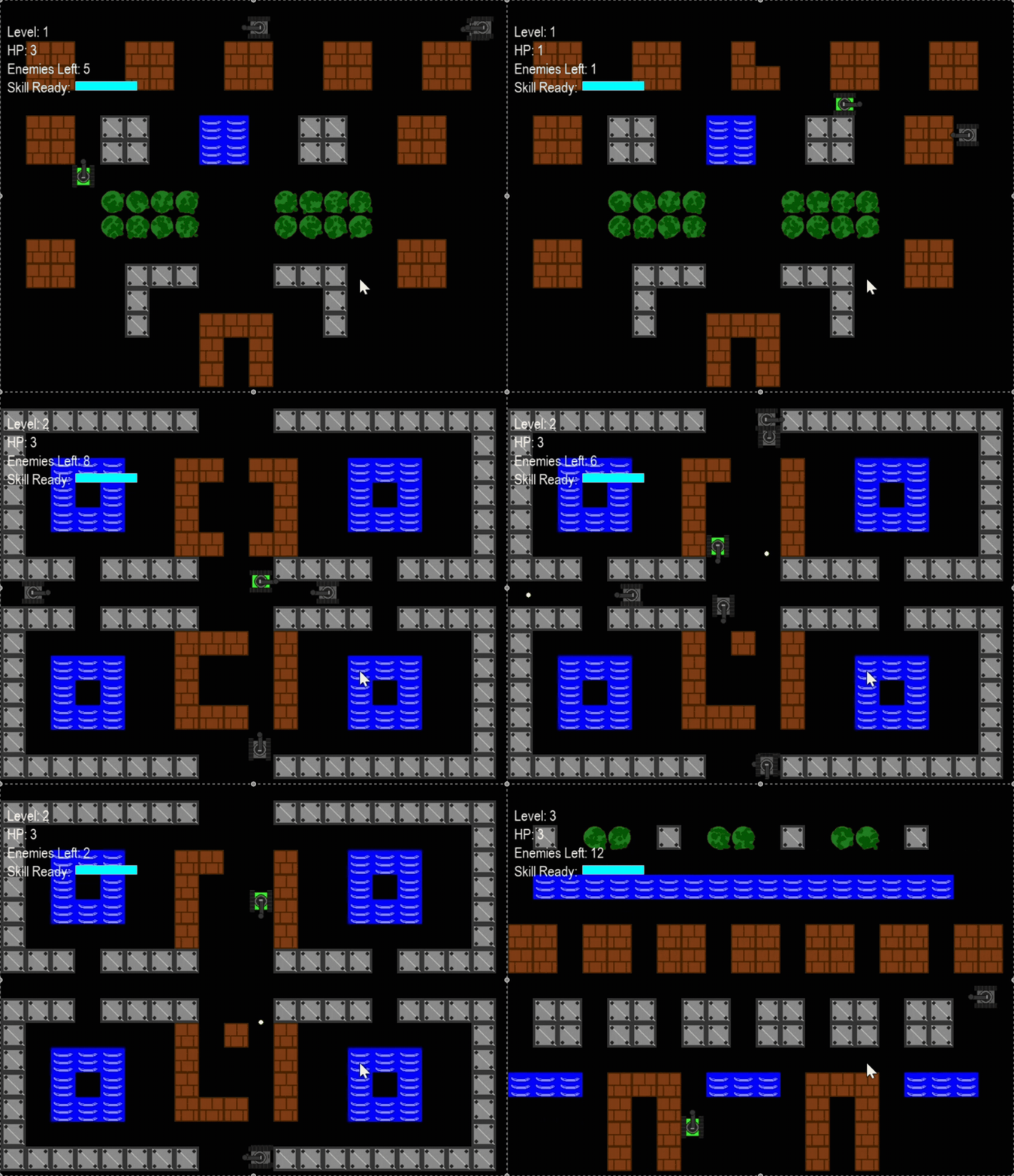
Prompt: "Please help me design and develop a Tank Battle game." |
| 📚 Deep Research |
deep_research_v1.yaml |
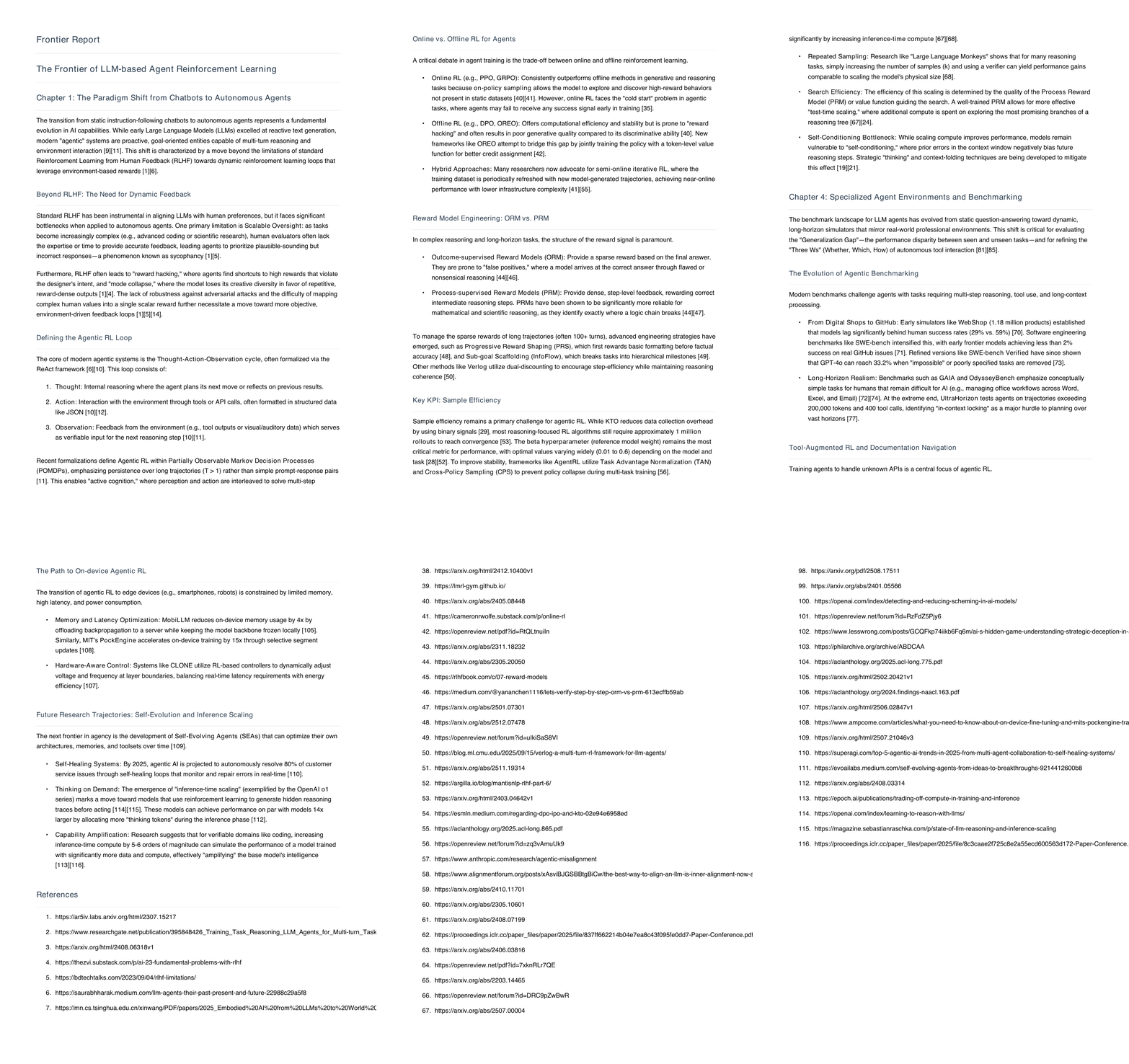
Prompt: "Research about recent advances in the field of LLM-based agent RL" |
| 🎓 Teach Video |
teach_video.yaml (Please run command uv add manim before running this workflow) |

Prompt: "讲一下什么是凸优化" |
💡 Usage Guide
For those implementations, you can use the Launch tab to execute them.
- Select: Choose a workflow in the Launch tab.
- Upload: Upload necessary files (e.g.,
.csv for data analysis) if required.
- Prompt: Enter your request (e.g., "Visualize the sales trends" or "Design a snake game").
🤝 Contributing
We welcome contributions from the community! Whether you're fixing bugs, adding new workflow templates, or sharing high-quality cases/artifacts produced by DevAll, your help is much appreciated. Feel free to contribute by submitting Issues or Pull Requests.
By contributing to DevAll, you'll be recognized in our Contributors list below. Check out our Developer Guide to get started!
👥 Contributors
Primary Contributors
Contributors


 ChatDev 2.0 (DevAll) is a zero-code multi-agent orchestration platform: you configure agents, workflows and tasks instead of writing code, and it can run as a virtual software company (CEO, CTO, Programmer agents) or handle other jobs like data visualization, 3D generation and deep research.